Gardening Made Simple.
Are you ready to grow fresh, vibrant parsley right in your own garden or windowsill? Learning how to plant parsley seeds is easier than you might think, and with a little care, you’ll soon enjoy bright, flavorful leaves that make every dish better.
Whether you’re a beginner or looking to improve your gardening skills, this guide will walk you through each simple step. Keep reading to discover how to turn tiny seeds into a flourishing herb that adds a burst of freshness to your meals—and your home.
Choosing the right parsley variety matters for a successful garden. Different types of parsley grow differently and taste different. Some are better for cooking, others for decoration. Picking the right variety fits your garden space and cooking needs.
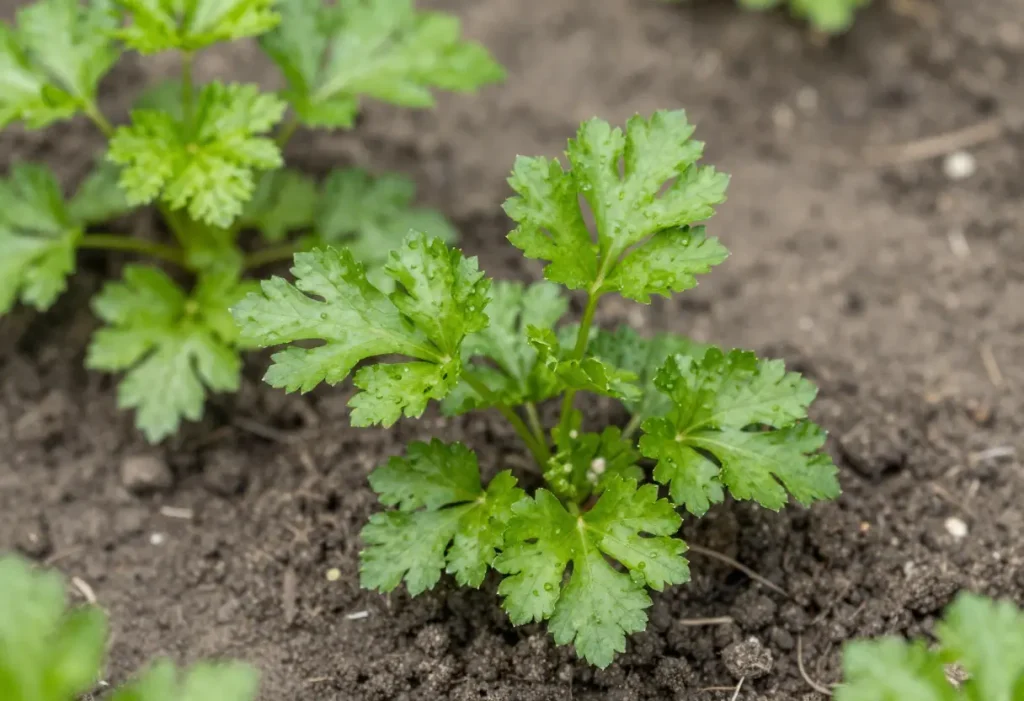
Curly parsley has ruffled, bright green leaves. It looks nice in salads and as a garnish. Its flavor is mild and slightly bitter. Flat-leaf parsley has smooth, dark green leaves. It offers a stronger, fresh flavor. Chefs prefer flat-leaf for cooking. Both types grow well in most gardens.
‘Italian Flat-Leaf’ is easy to grow and flavorful. ‘Triple Curled’ is a popular curly type for beginners. These varieties grow fast and resist pests. They also handle different weather conditions well. Starting with these types helps build gardening confidence.
Preparing the soil is the first step to growing healthy parsley plants. Good soil helps seeds sprout well and roots grow strong. The right soil gives parsley the nutrients and support it needs.
Start by checking the soil type and its pH. Then, improve soil fertility to create the best environment for parsley seeds.
Parsley grows best in loose, well-drained soil. Heavy clay or waterlogged soil can stop roots from growing. Sandy or loamy soil is ideal for good drainage and root health.
The soil pH should be between 6.0 and 7.0. This range helps parsley take in nutrients easily. Test the soil with a simple pH kit to check acidity or alkalinity.
Add organic matter like compost or aged manure to enrich the soil. This improves soil texture and nutrient content. Mix it well into the top 6 inches of soil.
Avoid too much nitrogen. Parsley needs balanced nutrients for healthy leaves and roots. Use a slow-release fertilizer if needed, following package instructions carefully.
Sowing parsley seeds is the first step to growing fresh parsley at home. Parsley needs careful planting to grow well. Seeds take time to sprout. Patience helps with good results. The right timing and soil conditions make a difference. Follow simple tips for best growth.
Starting parsley seeds indoors or outdoors depends on your climate. Proper seed depth and spacing improve plant health. These small details help parsley thrive. Let’s explore when to plant and how to place the seeds correctly.
Plant parsley seeds in early spring or late summer. Parsley grows best in cool weather. Soil temperature should be around 50-70°F (10-21°C). Avoid planting in hot summer months. In mild climates, sow seeds outdoors anytime from early spring to fall. Indoors, start seeds 6-8 weeks before last frost.
Parsley needs 70 to 90 days to mature. Start early for a long harvest season. Consistent moisture helps seeds sprout. Too cold or hot soil slows growth. Choosing the right time leads to healthy plants.
Plant parsley seeds about 1/4 inch (6 mm) deep. Cover seeds lightly with soil. Do not bury them too deep. Deep planting delays germination. Space seeds 6 to 8 inches (15-20 cm) apart. This gives plants enough room to grow big.
Thin seedlings if they grow too close. Crowded plants compete for water and nutrients. Use a gentle watering method. Keep soil moist but not soggy. Good airflow reduces disease risk. Proper depth and spacing help parsley develop strong roots and leaves.
Caring for parsley seedlings is a key step for a healthy garden. Young plants need special attention to grow strong. Proper care helps them survive and thrive. Focus on watering and light for best results.
Keep the soil moist but not soggy. Water gently to avoid washing away seeds. Use a spray bottle for light watering. Check soil daily for dryness. Water more often in warm, dry conditions. Avoid overwatering, which can cause root rot.
Parsley seedlings need plenty of light to grow. Place them near a bright window or use grow lights. Keep the temperature between 60 and 70 degrees Fahrenheit. Avoid cold drafts or hot, dry air. Balanced light and warmth help seedlings develop strong leaves.
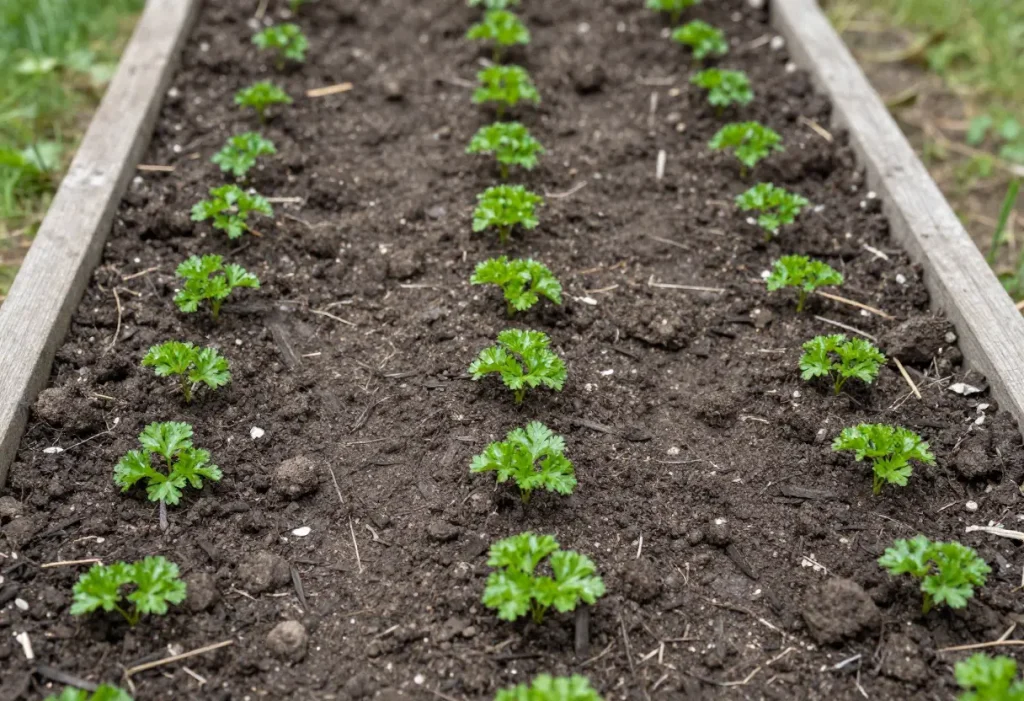
Thinning and transplanting are key steps to help parsley grow strong and healthy. After parsley seeds sprout, seedlings often crowd each other. This crowding limits growth and can cause weak plants. Thinning reduces the number of seedlings, giving space to the strongest ones.
Transplanting moves seedlings to larger pots or garden beds. This step allows roots to spread and plants to get more nutrients. Both thinning and transplanting improve parsley’s chances of thriving.
Thin parsley seedlings when they reach about 2 inches tall. At this point, you can see which plants are the strongest. Remove the smaller or weaker seedlings first. Leave about 2 to 3 inches of space between each plant. Use small scissors to cut seedlings at the soil line. Avoid pulling them out to prevent disturbing roots of other plants.
Transplant parsley seedlings when they have 3 to 4 true leaves. Gently lift each seedling from its current pot using a small trowel. Be careful not to damage roots. Place seedlings in larger pots or garden beds spaced 6 to 8 inches apart. Water immediately after transplanting to help plants settle. Keep soil moist but not waterlogged for best growth.
Maintaining healthy growth is key to growing strong parsley plants. Healthy plants grow more leaves and taste better. You must care for parsley regularly to keep it healthy and green.
Parsley needs the right nutrients and protection from pests. Good care helps the plant resist diseases and grow faster. Watch your plants often to catch problems early. Healthy parsley means a better harvest for your kitchen.
Use a balanced fertilizer to feed your parsley. A fertilizer with equal parts nitrogen, phosphorus, and potassium works well. Apply fertilizer every four to six weeks during the growing season. Avoid over-fertilizing, which can harm the plant.
Organic compost is a great natural option. Mix compost into the soil before planting. This improves soil health and gives slow-release nutrients. Water the plants after fertilizing to help nutrients reach the roots.
Check parsley leaves regularly for pests like aphids and spider mites. These small insects can damage leaves and slow growth. Spray plants with water to remove pests or use insecticidal soap.
Keep your garden clean to prevent diseases. Remove dead leaves and weeds near parsley plants. Avoid wetting the leaves too much to stop fungal infections. Plant parsley in well-drained soil to reduce root rot risk.
Harvesting parsley leaves is a simple task that helps keep your plant healthy. Picking leaves at the right time ensures fresh, tasty parsley for your meals. Careful harvesting also encourages the plant to grow more leaves. This section explains the best time to harvest and how to promote continuous growth.
Wait until parsley plants are at least 6 inches tall before harvesting. Choose bright green leaves for the best flavor. Morning is the best time to pick leaves, after dew dries. Avoid cutting more than one-third of the plant at once. This allows the parsley to recover and grow back strong.
Cut parsley leaves using clean scissors or garden shears. Trim stems near the base, not just the top leaves. This encourages new shoots to grow from the bottom. Regular harvesting every one to two weeks helps keep the plant full. Remove old or yellow leaves to improve air flow and health.
Planting parsley seeds is simple but sometimes issues arise. These common problems can delay growth or harm your plants. Knowing how to fix them helps your parsley thrive. The following tips solve typical troubles quickly.
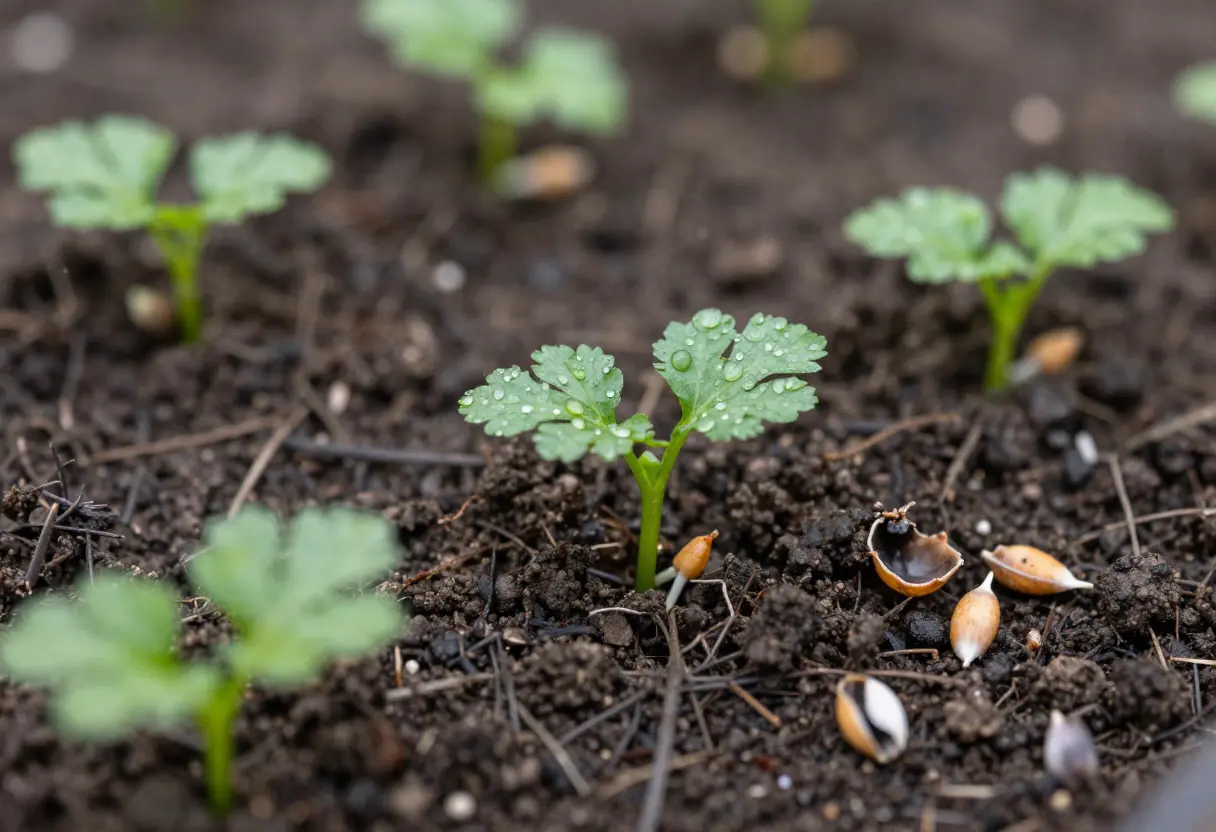
Parsley seeds often take a long time to sprout. Patience is key. Keep soil moist but not soaked. Use warm soil, around 70°F, to speed up germination. Cover seeds lightly with soil for better moisture retention. Avoid direct sunlight on seeds until they sprout. Consider soaking seeds in water for 24 hours before planting. This softens the seed coat and helps sprouts emerge faster.
Yellow or wilting leaves signal stress. Check soil moisture first. Parsley needs steady watering but hates soggy soil. Water deeply when top inch of soil feels dry. Too much sun can cause leaf burn. Move plants to a spot with partial shade. Poor soil nutrients also cause yellow leaves. Use balanced fertilizer every few weeks. Remove damaged leaves to help plant focus energy on new growth.
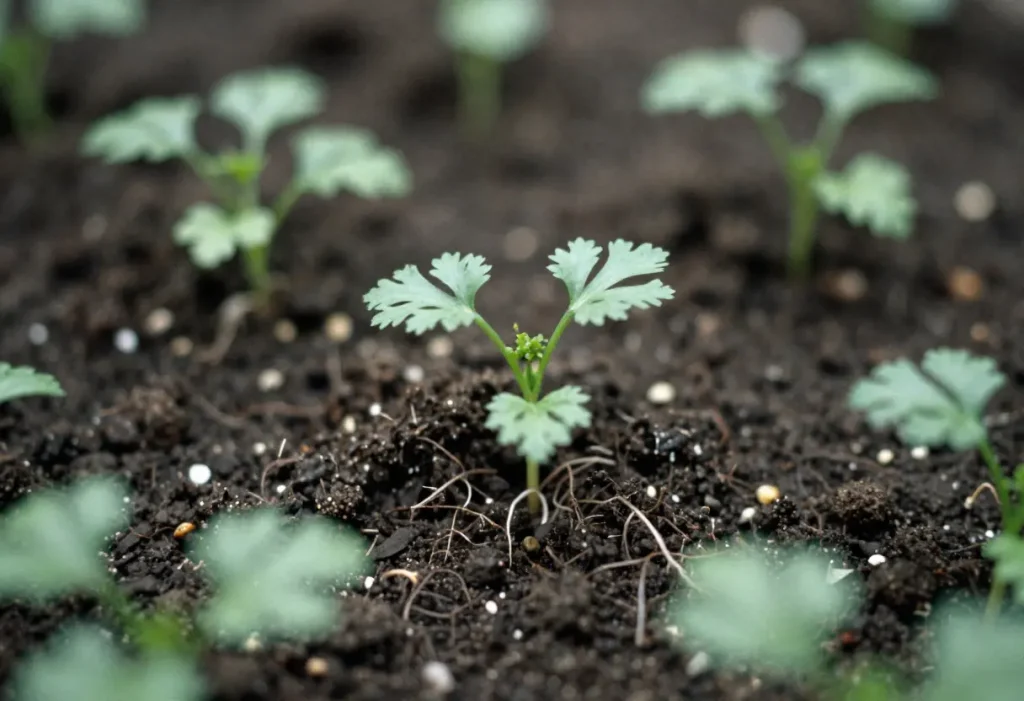
Parsley seeds usually take 2 to 4 weeks to sprout. So, patience is key for growing parsley successfully.
Parsley grows well in rich, well-drained soil with good moisture. Adding compost helps the soil stay fertile and loose.
Parsley needs about 6 hours of sunlight every day. Partial shade works too, especially in hot climates.
Keep the soil evenly moist but not soggy. Water parsley seedlings gently every few days or when soil feels dry.
Yes, starting parsley indoors 6 to 8 weeks before outdoor planting helps seedlings grow strong. Transplant them when they have several leaves.
Planting parsley seeds is simple and rewarding. Start with good soil and keep it moist. Place seeds where they get sunlight daily. Thin seedlings to help strong growth. Watch for pests and water regularly. Soon, you will have fresh parsley ready to use.
Growing your own herbs brings joy and flavor to meals. Try it, and enjoy the fresh taste all year. Gardening can be easy and fun for everyone. Keep caring for your parsley, and it will thrive.