Gardening Made Simple.
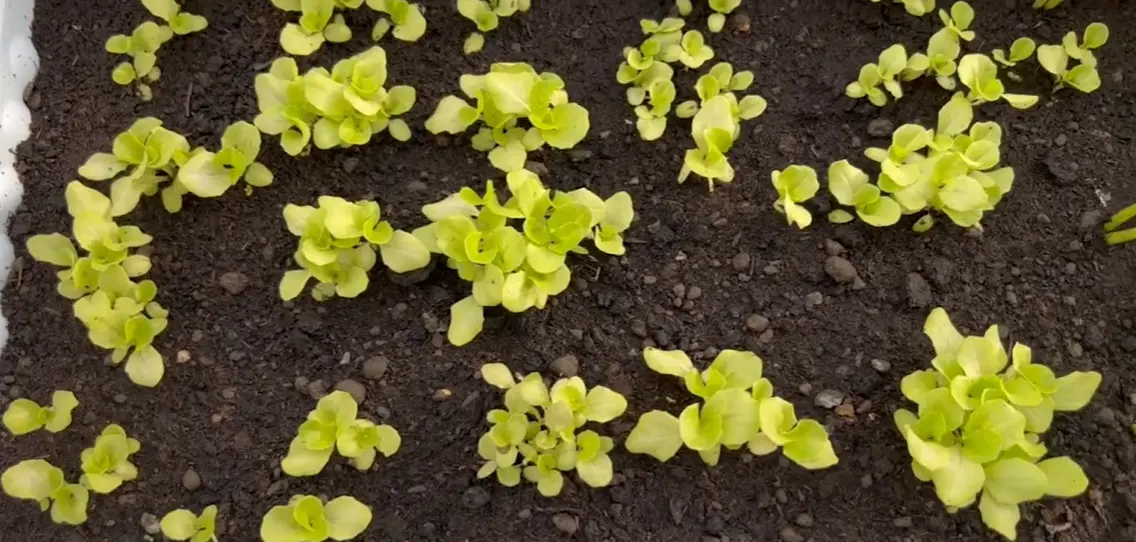
Are you noticing your lettuce leaves turning yellow and wondering what’s going wrong? Yellowing leaves can be frustrating, especially when you’ve put effort into growing fresh, healthy greens.
But don’t worry—this problem is more common than you think, and understanding why it happens can help you save your plants. You’ll discover the main reasons behind yellow lettuce leaves and simple steps you can take to fix the issue.
Keep reading to bring your lettuce back to vibrant green and enjoy a fresh, tasty harvest.
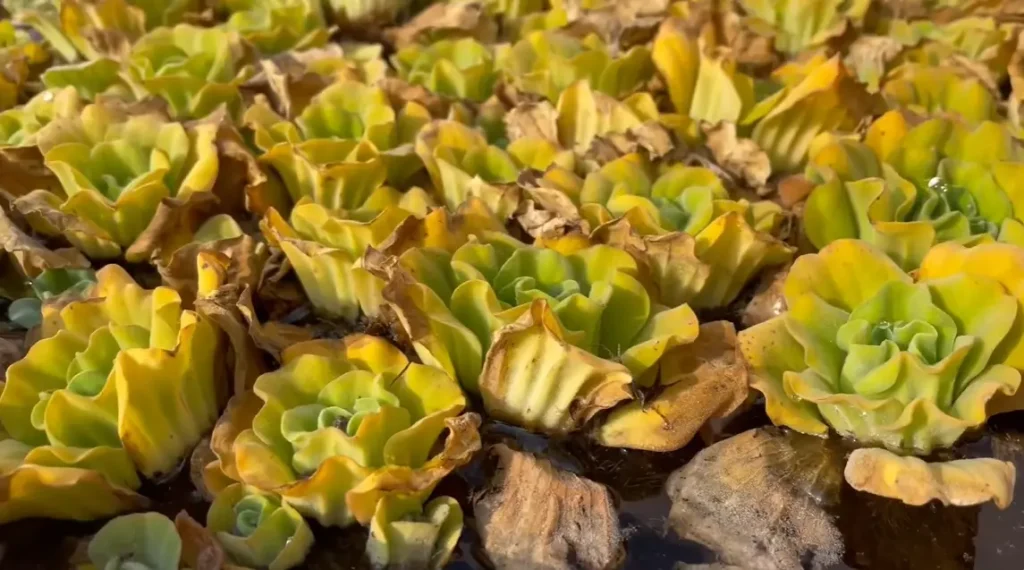
Yellow leaves on lettuce plants can signal several common problems. Understanding these causes helps keep your lettuce healthy and green. Yellowing often points to issues below the surface. Identifying the root cause allows for quick action and better results.
Lettuce needs nutrients to grow strong. Lack of nitrogen often causes yellow leaves. Nitrogen helps leaves stay green and lush. Other missing nutrients like iron or magnesium can also lead to yellowing. Regular feeding with balanced fertilizer supports healthy growth.
Too much water can drown roots and cause yellow leaves. Overwatering stops roots from breathing. Too little water causes stress and leaf yellowing. Consistent watering keeps lettuce healthy. Soil should stay moist but not soggy.
Insects like aphids suck plant juices, leading to yellow spots. Diseases such as downy mildew cause leaf discoloration and damage. Early pest control protects plants. Inspect leaves often for signs of bugs or fungus.
Heat and cold stress make lettuce leaves turn yellow. Sudden temperature changes shock the plant. Lettuce prefers cool, stable weather. Strong sunlight can also burn leaves. Shade and protection help reduce stress.
Older leaves naturally turn yellow and die off. This process makes room for new growth. Removing yellow leaves keeps plants tidy. It improves air flow and reduces disease risk.
Yellowing lettuce leaves often point to nutrient problems in the soil or plant. Identifying which nutrient is missing helps fix the issue fast. Nutrient deficiencies show clear signs on the leaves and stems. Understanding these signs guides proper care and feeding.
Nitrogen is key for healthy, green leaves. A lack causes older leaves to turn yellow first. Leaves may become pale and small. Growth slows down, and the plant looks weak. Yellowing starts from the bottom and moves up.
Iron shortage shows as yellow leaves with green veins. This pattern is called chlorosis. Magnesium deficiency causes yellowing between leaf veins. Leaves may curl or develop spots. Both minerals are vital for photosynthesis and leaf health.
Soil pH affects nutrient absorption. Too acidic or alkaline soil blocks nutrients. Lettuce may show yellow leaves even with enough nutrients present. Testing soil pH helps decide the best treatment. Adjusting pH improves nutrient uptake and leaf color.
Water management plays a key role in keeping lettuce leaves green and healthy. Yellow leaves often signal a problem with watering habits. Proper water care helps lettuce grow strong roots and vibrant leaves. It also stops diseases caused by too much or too little water.
Too much water suffocates lettuce roots. Roots cannot get air and start to rot. Overwatering also invites fungal diseases. Check soil moisture before watering again. The soil should feel damp but not wet. Water only when the top inch of soil is dry. Use pots with drainage holes to let excess water escape.
Underwatering causes lettuce leaves to turn yellow and wilt. The plant struggles to absorb nutrients without enough water. Keep soil evenly moist, especially during hot weather. Water deeply so water reaches the root zone. Avoid watering only the surface. Mulch around plants to keep soil moist longer.
Water lettuce early in the morning for best results. Morning watering helps leaves dry faster, reducing disease risk. Use a watering can or drip system to water gently. Avoid splashing water on leaves, which spreads pathogens. Consistency is key. Water lettuce regularly and check soil moisture often. Adjust watering based on weather and plant needs.
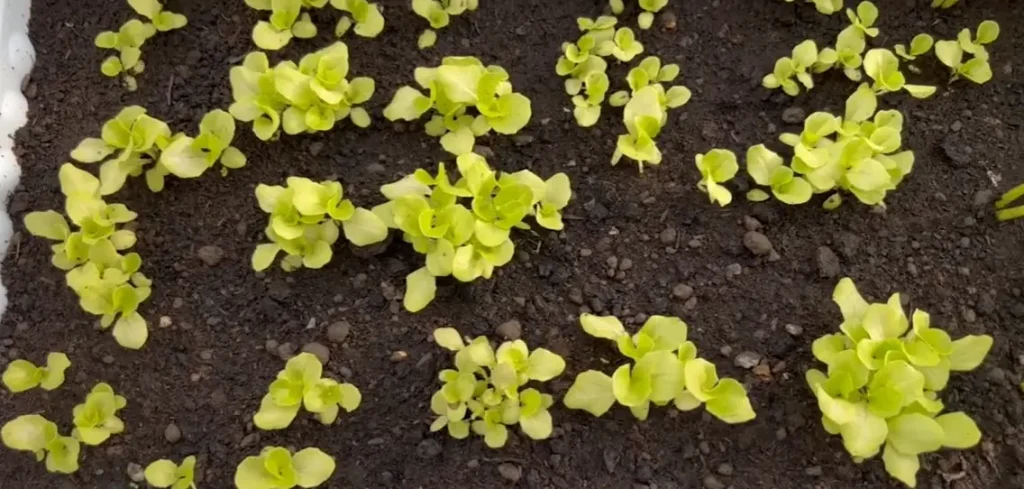
Controlling pests and diseases is key to keeping lettuce healthy and green. Yellow leaves often show that pests or infections are harming the plant. Early action can stop damage and help lettuce grow well. Understanding common pests and diseases helps in choosing the right control methods.
Aphids are tiny insects that suck sap from lettuce leaves. They cause yellow spots and curling. Slugs and snails chew holes in leaves, leaving slime trails. Leaf miners tunnel inside leaves, making white trails. These pests weaken lettuce and make it turn yellow.
Downy mildew causes yellow patches with fuzzy growth on leaves. It spreads fast in wet weather. Bacterial leaf spot makes small yellow or brown spots. The spots may grow and join together. These infections block the plant’s food flow, causing yellowing and death.
Introduce ladybugs to eat aphids naturally. Use neem oil spray to repel many pests. Handpick slugs and snails early in the morning. Water plants in the morning to reduce fungal growth. Remove infected leaves quickly to stop spread. These natural methods keep lettuce healthy without chemicals.
Reducing environmental stress is key to keeping lettuce leaves green and healthy. Stress from temperature, light, wind, and frost can cause leaves to turn yellow. Managing these factors helps lettuce grow strong and fresh. Simple steps protect the plant and improve its chance to thrive.
Lettuce prefers cool temperatures and moderate light. Hot weather can cause leaves to yellow and wilt. Too much direct sunlight dries the leaves quickly. Providing shade during the hottest part of the day keeps leaves from burning. Planting in a spot with morning sun and afternoon shade works well.
Strong winds stress lettuce plants by drying out their leaves. Wind damage can lead to yellow spots and weak growth. Using windbreaks like fences or nearby plants helps reduce wind impact. Frost also harms lettuce leaves, causing yellow or brown patches. Covering plants with cloth or plastic at night prevents frost damage.
Mulch keeps soil moist and cool, reducing stress on lettuce roots. It also blocks weeds that compete for nutrients. Organic mulch like straw or leaves works best. Shade cloths provide extra protection from harsh sun. This helps maintain steady moisture and temperature around the lettuce plants.
Keeping lettuce leaves green and fresh needs care from the start. Preventive measures help stop yellowing leaves and keep plants healthy. Focus on soil, spacing, and regular care. These steps reduce stress on plants and improve growth.
Good soil is the base for healthy lettuce. Test soil pH and keep it between 6.0 and 7.0. Add organic matter like compost to improve texture and nutrients. Use balanced fertilizers with nitrogen to support leaf growth. Avoid too much fertilizer; it can burn roots and cause yellow leaves.
Space lettuce plants well to allow air flow and light. Crowded plants get stressed and attract pests. Leave at least 8 to 12 inches between plants. Proper spacing helps leaves dry quickly and reduces disease risk. Healthy spacing leads to strong, green lettuce leaves.
Check lettuce plants often for signs of stress or pests. Remove yellow or damaged leaves to prevent spread. Water plants evenly, keeping soil moist but not soggy. Use mulch to keep soil temperature stable and reduce weeds. Early action keeps lettuce green and vibrant.
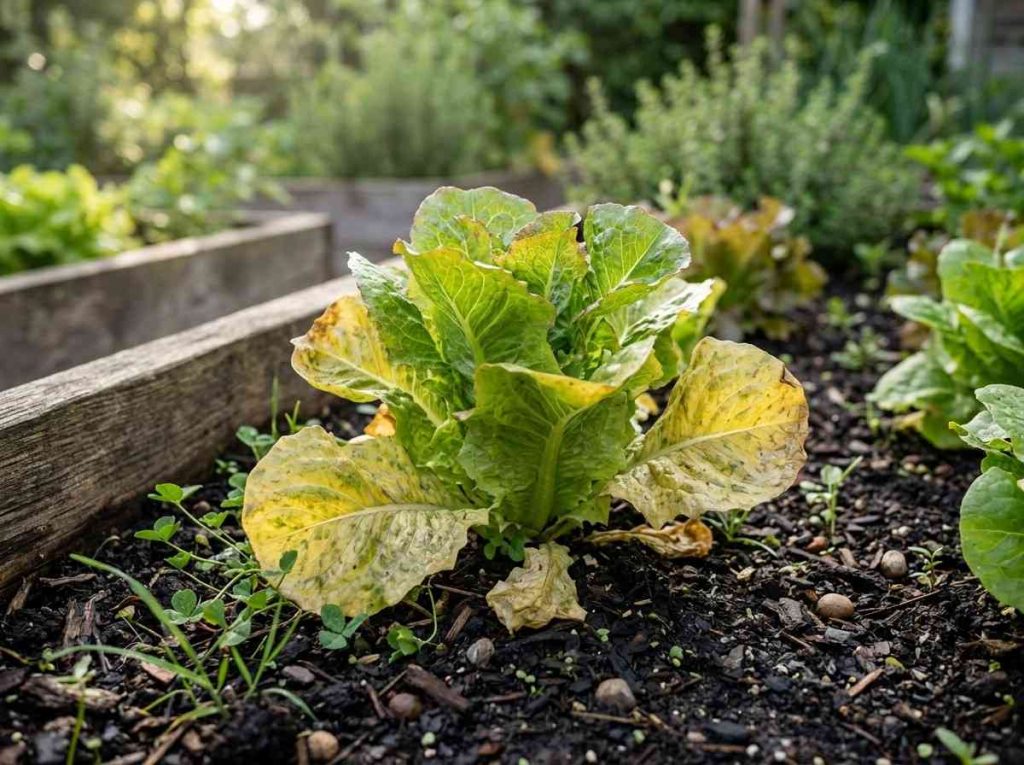
Yellow lettuce leaves often signal a lack of nutrients or too much water. It can also mean the plant is stressed from heat or pests.
Check soil moisture and avoid overwatering. Use balanced fertilizer and keep lettuce in cool, shaded areas.
Yellow leaves usually mean lower quality but are not always unsafe. Remove yellow parts before eating for best taste.
Yes, pests like aphids can damage leaves and cause yellowing. Treat plants with natural pest control to protect them.
Yellow leaves can show diseases like downy mildew or root rot. Proper watering and air circulation help prevent these issues.
Yellow lettuce leaves often signal a problem with care or environment. Check watering habits to avoid over or underwatering. Ensure your lettuce gets enough sunlight but not too much heat. Nutrient deficiencies can also cause yellowing, so use balanced fertilizer.
Watch for pests or diseases that harm leaf health. Act quickly to save your lettuce and keep it fresh. Healthy leaves mean a better harvest and tastier salads. Small changes in care make a big difference in plant health. Keep observing your lettuce to catch issues early.
Your efforts will help your lettuce stay green and vibrant.