Gardening Made Simple.
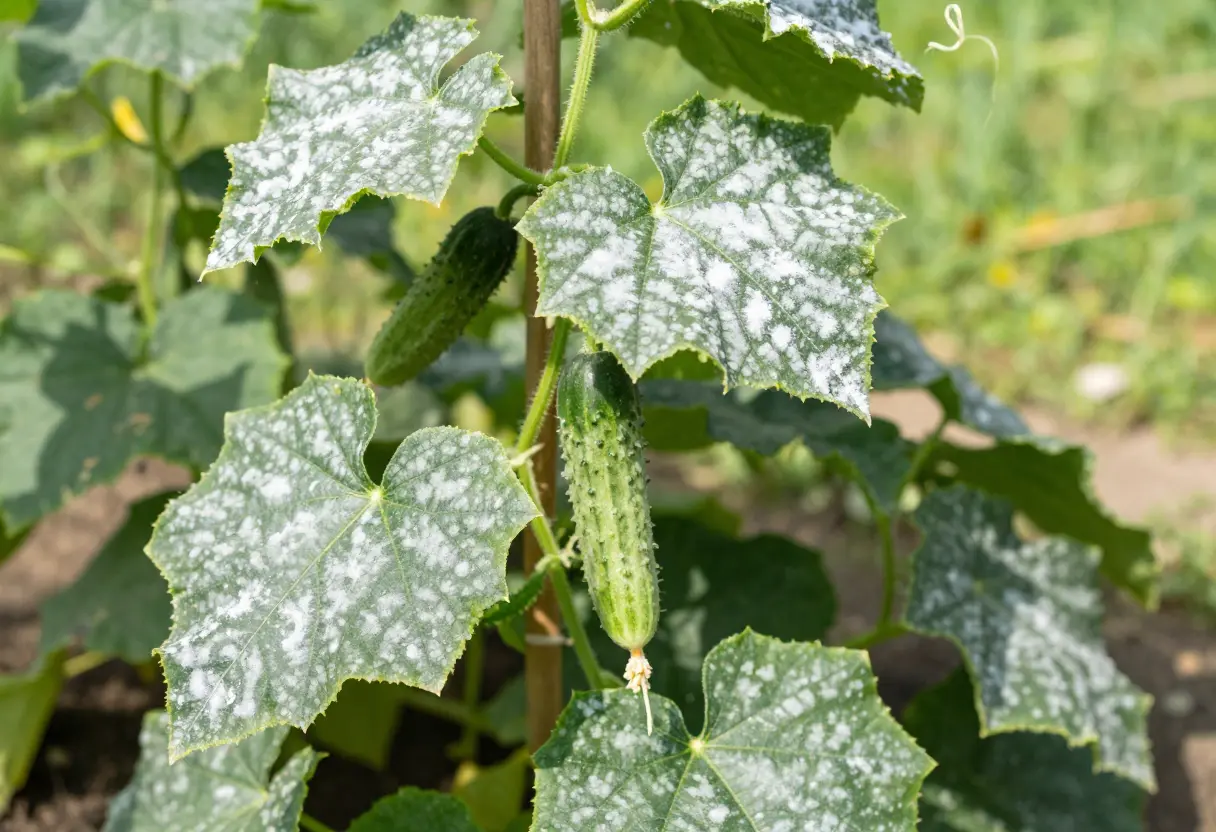
Are you noticing white spots on your cucumber leaves and wondering what’s causing them? These spots can quickly spread and damage your plants if left unchecked.
Understanding why they appear and how to treat them is key to keeping your cucumbers healthy and thriving. You’ll discover the common reasons behind these white marks and easy steps you can take to protect your garden. Keep reading to save your cucumber plants and enjoy a bountiful harvest!
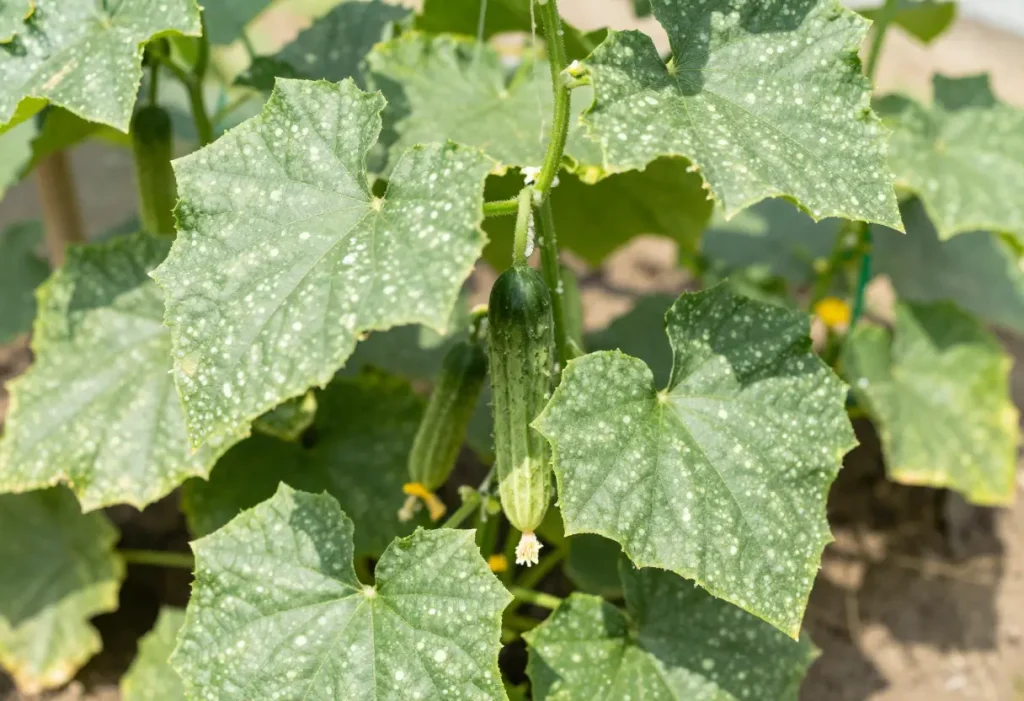
White spots on cucumber leaves can cause concern for gardeners. These spots often indicate an underlying problem affecting plant health. Understanding the common causes helps in managing the issue early. Let’s explore the main reasons why white spots appear on cucumber leaves.
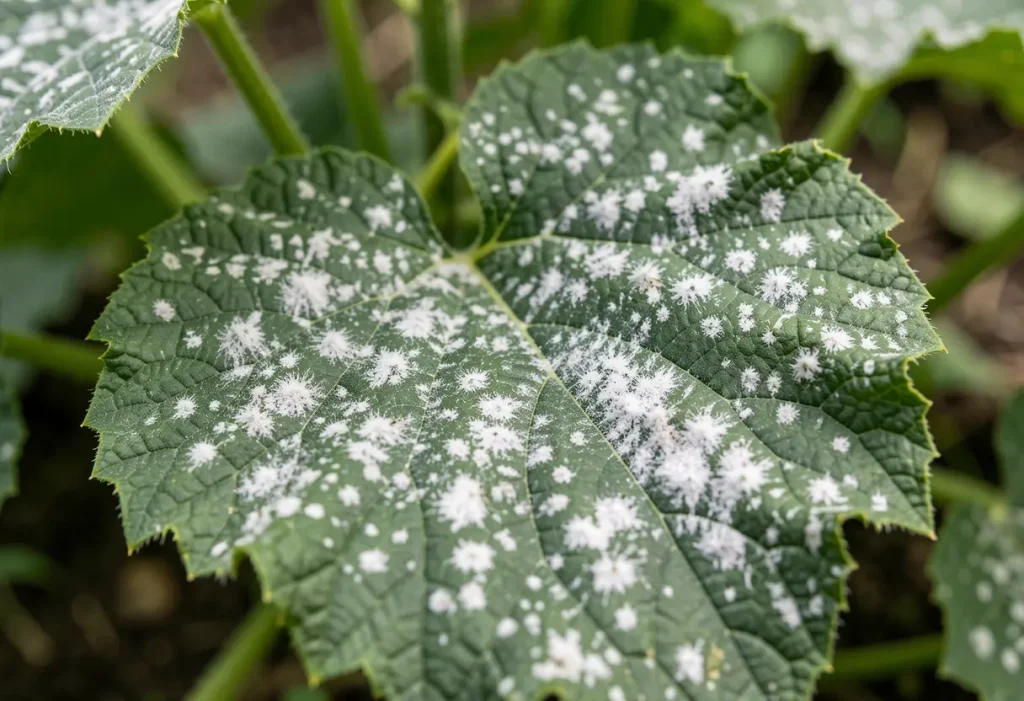
Powdery mildew is a fungal disease. It shows up as white, powdery patches on leaves. The spots spread quickly in warm, dry weather. This fungus blocks sunlight, reducing photosynthesis. Leaves may yellow and die if untreated.
White spots can also result from nutrient shortages. Lack of calcium or magnesium affects leaf color and health. Deficient plants develop pale or white spots on the leaf surface. Feeding plants with balanced fertilizer often helps restore leaf health.
Some pests cause white spots by feeding on leaves. Spider mites and whiteflies suck plant juices and create speckled damage. These pests are tiny and hard to see without a close look. Treating pest infestations quickly stops further leaf damage.
Environmental stress factors cause white spots too. Sunburn from intense sunlight can bleach leaf tissue. Water stress, either too much or too little, also harms leaves. Sudden temperature changes can weaken plants, leading to spot formation.
White spots on cucumber leaves can signal various problems. Identifying these spots early helps protect the plant. You can check the spot shape, location, and how it changes over time. This section explains how to spot and understand these white marks.
White spots often look powdery or dusty. They may appear small and round or irregular in shape. Some spots have a fuzzy edge, while others have clear borders. Patterns might show clusters or scattered dots. Noticing these details helps pinpoint the cause.
Spots usually start on the upper leaf surface. Sometimes, the underside also shows white marks. Edges of leaves may have more spots than the center. Older leaves tend to have more spots than new ones. Observing the exact area helps with diagnosis.
White spots can stay small or grow larger. They may merge, forming bigger patches. Over days, spots might turn yellow or brown around edges. Leaves can become dry and brittle if spots spread fast. Watching spot changes shows how serious the issue is.
White spots on cucumber leaves cause concern for many gardeners. These spots often result from fungal infections or pests. Preventing them is easier than treating. Healthy plant care reduces risks and keeps cucumbers vibrant.
Focus on simple steps. Careful watering, good airflow, healthy soil, and choosing the right seeds help prevent white spots. These methods protect plants and improve growth.
Water cucumber plants at the base, not on leaves. Wet leaves invite fungi and mold growth. Water early in the day to allow leaves to dry. Avoid overwatering, which causes root problems. Keep soil moist but not soggy for healthy plants.
Space cucumber plants properly to increase airflow. Crowded plants trap moisture and create a breeding ground for fungi. Good airflow dries leaves quickly. It also reduces humidity around plants. Follow recommended spacing on seed packets or gardening guides.
Healthy soil supports strong cucumber plants. Add compost or organic matter to improve soil texture. Well-drained soil prevents water buildup and root rot. Test soil regularly and adjust pH if needed. Balanced nutrients keep plants resistant to disease.
Select cucumber varieties resistant to powdery mildew and other diseases. Resistant plants handle stress better and show fewer white spots. Check seed labels or catalogs for resistant types. Growing strong varieties reduces the need for chemical treatments.
White spots on cucumber leaves can harm your plants if not treated quickly. These spots often indicate fungal infections or pests. Treating these spots early helps protect your cucumber plants and improves yield. Use safe and effective methods to remove or reduce the white spots.
Organic fungicides help fight fungi without harming the environment. Neem oil and baking soda sprays work well against white spots. Apply these sprays every 7 to 10 days on affected leaves. Always cover both leaf tops and undersides for best results.
Chemical fungicides can stop severe fungal infections fast. Choose products labeled for cucumbers and follow instructions carefully. Avoid overusing chemicals to protect beneficial insects and soil health. Wear gloves and safety gear during application for your safety.
Remove leaves with heavy white spots to stop spread. Use clean scissors or pruning shears to cut affected areas. Dispose of removed leaves away from your garden. This keeps fungal spores from infecting healthy leaves.
Some white spots come from pests like spider mites or aphids. Use insecticidal soap or introduce ladybugs to control these pests. Regularly check plants for pest signs and treat early. Healthy plants resist pests and diseases better.
Keeping cucumber plants healthy is key to preventing white spots on their leaves. Healthy plants resist diseases and grow stronger. Proper care helps cucumbers produce better fruits. Follow these steps to maintain your plants well.
Check cucumber leaves often for any signs of white spots or damage. Early detection stops problems from spreading fast. Look under leaves and near stems carefully. Catching issues early saves your plants.
Use fertilizers that provide all needed nutrients for cucumbers. Avoid too much nitrogen, which can cause leaf problems. Proper feeding supports strong plant growth and healthy leaves. Feed plants based on soil test results for best care.
Change the planting spot of cucumbers each season. Crop rotation reduces soil diseases and pests. Do not plant cucumbers or similar crops in the same place yearly. This practice keeps soil healthy and plants safe.
Give cucumbers enough sunlight and air circulation. Avoid overcrowding plants to reduce moisture buildup. Water plants at the base, not on leaves. Proper environment lowers risk of fungal diseases causing white spots.
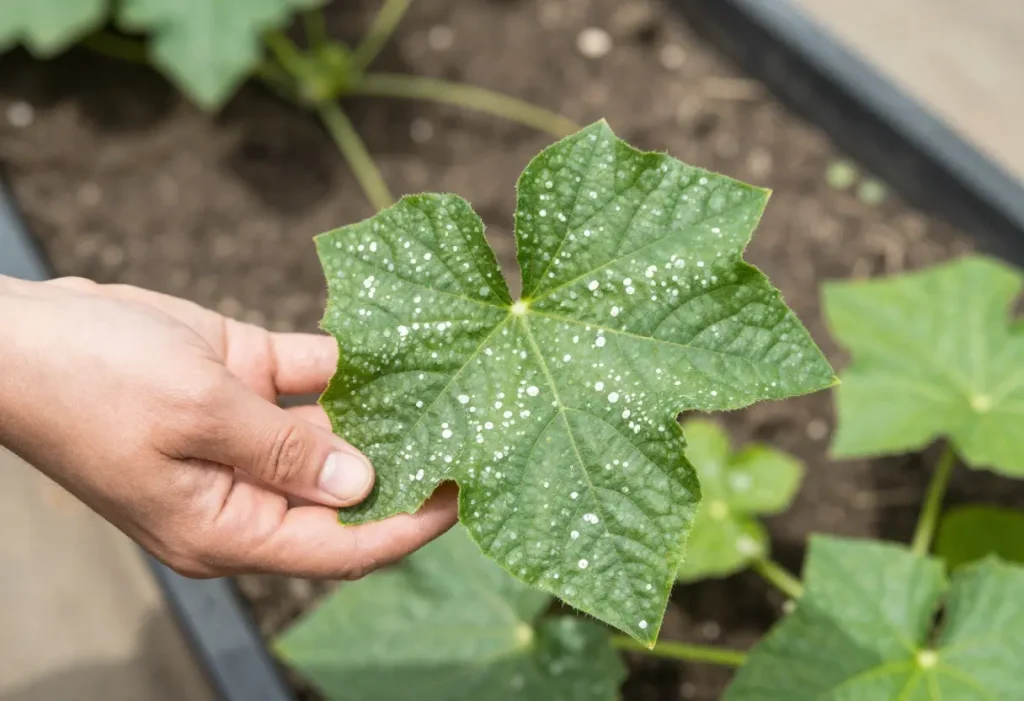
White spots on cucumber leaves are often caused by powdery mildew, a fungal disease. It thrives in warm, dry weather and spreads quickly.
To prevent white spots, water plants at the base and avoid wetting leaves. Ensure good air circulation around plants and remove infected leaves.
Yes, white spots can reduce photosynthesis, weakening the plant. Severe infections may lower cucumber yield and fruit quality.
Yes, use a mixture of baking soda and water sprayed on leaves. Neem oil and milk sprays also help control fungal growth.
Remove leaves as soon as white spots appear to stop spread. Dispose of them away from the garden to avoid reinfection.
White spots on cucumber leaves can harm your plants if ignored. Catch problems early to keep leaves healthy and green. Use simple care steps like proper watering and good air flow. Watch plants closely for changes and act fast. Healthy leaves mean better cucumbers and a happy garden.
Stay patient and consistent for best results. Your garden will thank you.