Gardening Made Simple.
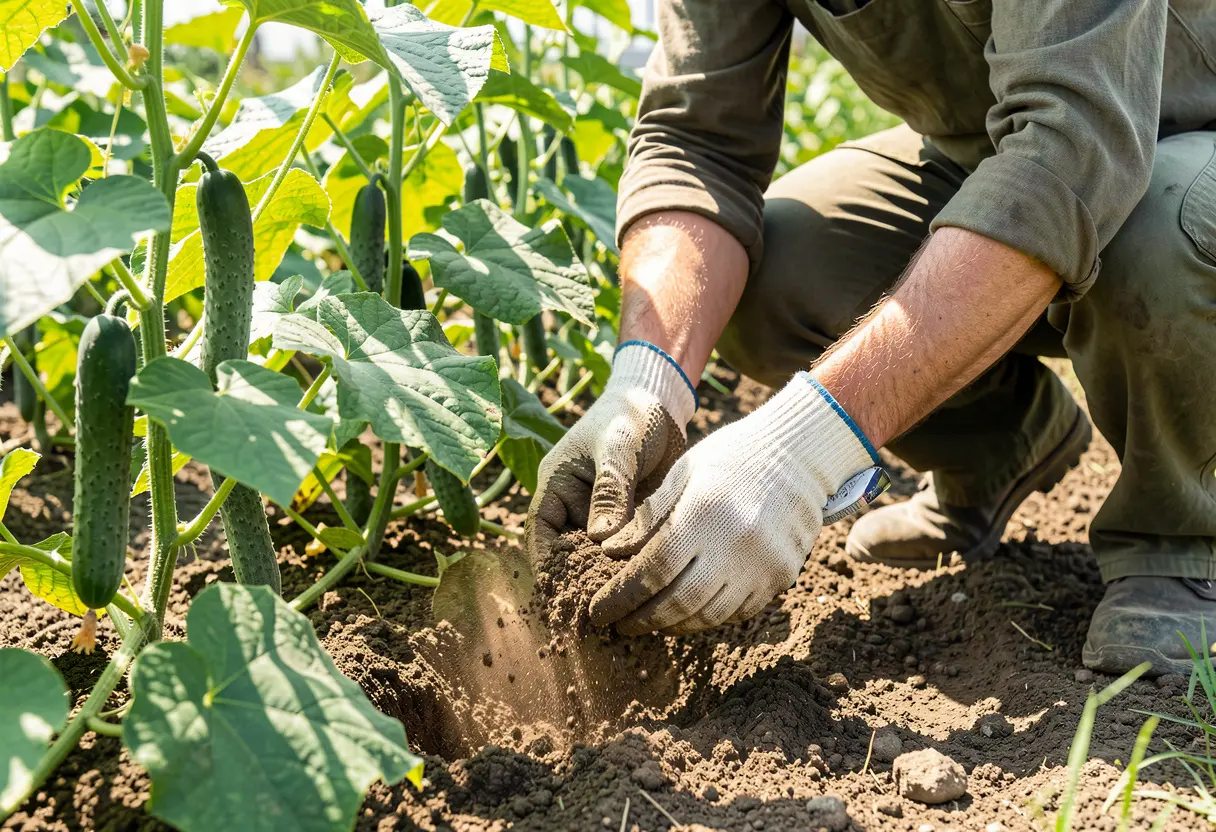
Are you growing cucumbers and wondering exactly when to fertilize your plants for the best results? Timing is everything when it comes to feeding your cucumber plants. Knowing When to Fertilize Cucumber Plants ensures healthy growth, abundant fruits, and strong vines throughout the season.
Fertilizing at the right moments can boost growth, increase fruit production, and keep your plants healthy. But fertilize too early or too late, and you might waste time and money without seeing any benefits. You’ll discover the perfect times to fertilize your cucumber plants, simple tips to get it right, and how to avoid common mistakes.
Keep reading to make sure your cucumbers thrive all season long!
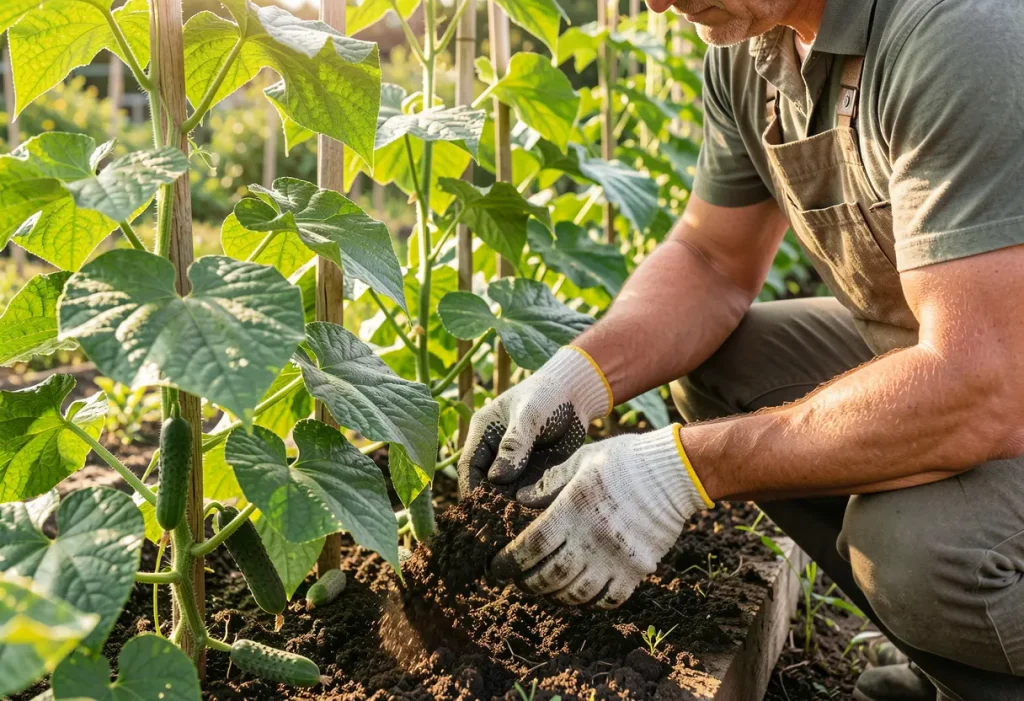
Choosing the right fertilizer for cucumber plants is key to a healthy and productive garden. Fertilizer provides the nutrients cucumbers need to grow strong and yield tasty fruits. Different fertilizers offer various benefits. Understanding these can help you pick the best option.
Fertilizers come in many forms. Granular fertilizers are easy to apply and release nutrients slowly. Liquid fertilizers work fast and can be used for quick feeding. Slow-release fertilizers provide nutrients over time, reducing the need for frequent applications. Choose a type that fits your gardening style and schedule.
Organic fertilizers come from natural sources like compost and manure. They improve soil health and release nutrients slowly. Synthetic fertilizers are made from chemicals and provide nutrients quickly. They often show fast results but may need careful use to avoid overfeeding. Both types can work well for cucumbers if used properly.
Cucumbers need nitrogen, phosphorus, and potassium for growth. Nitrogen helps leaves grow green and strong. Phosphorus supports root development and fruit production. Potassium improves overall plant health and disease resistance. A balanced fertilizer with these nutrients supports healthy cucumber growth and good yields.
Timing fertilization for cucumber seedlings is key to healthy growth. Seedlings need nutrients at the right moments to develop strong roots and leaves. Fertilizing too early or too late can harm young plants or slow growth. Knowing the best time to feed seedlings helps ensure a fruitful cucumber harvest.
Start by adding compost or balanced fertilizer to the soil. This gives seedlings a rich base to grow in. Work the nutrients into the top 6 inches of soil. Ensure the soil is loose and drains well. Avoid using too much fertilizer here; seedlings need gentle nutrition at first.
Wait until seedlings have two to three true leaves before feeding. Use a diluted liquid fertilizer for gentle nourishment. Apply this feeding every 7 to 10 days. This supports steady growth without overwhelming the young plants. Watch seedlings for signs of nutrient needs, like pale leaves, and adjust feeding accordingly.
Fertilizing during the vegetative growth phase is key for healthy cucumber plants. This stage happens after seedlings grow their first true leaves. Plants need extra nutrients to build strong stems and large leaves. Good nutrition helps prepare cucumbers for fruit production later.
Applying fertilizer too early or too late can cause problems. Proper timing supports fast growth and keeps plants green and vigorous. Use balanced fertilizer with nitrogen, phosphorus, and potassium for best results.
Yellowing leaves often show nitrogen shortage. Leaves may turn pale green or develop spots. Slow growth signals lack of phosphorus. Weak stems or poor leaf development suggest potassium deficiency. Watch for curling or browning leaf edges. Early detection helps prevent damage to plants.
Feed cucumber plants every 10 to 14 days during vegetative growth. Use a water-soluble fertilizer diluted to half strength. Avoid over-fertilizing, which can burn roots and reduce yield. Apply about one tablespoon of balanced fertilizer per plant each time. Adjust amounts based on plant size and soil quality.
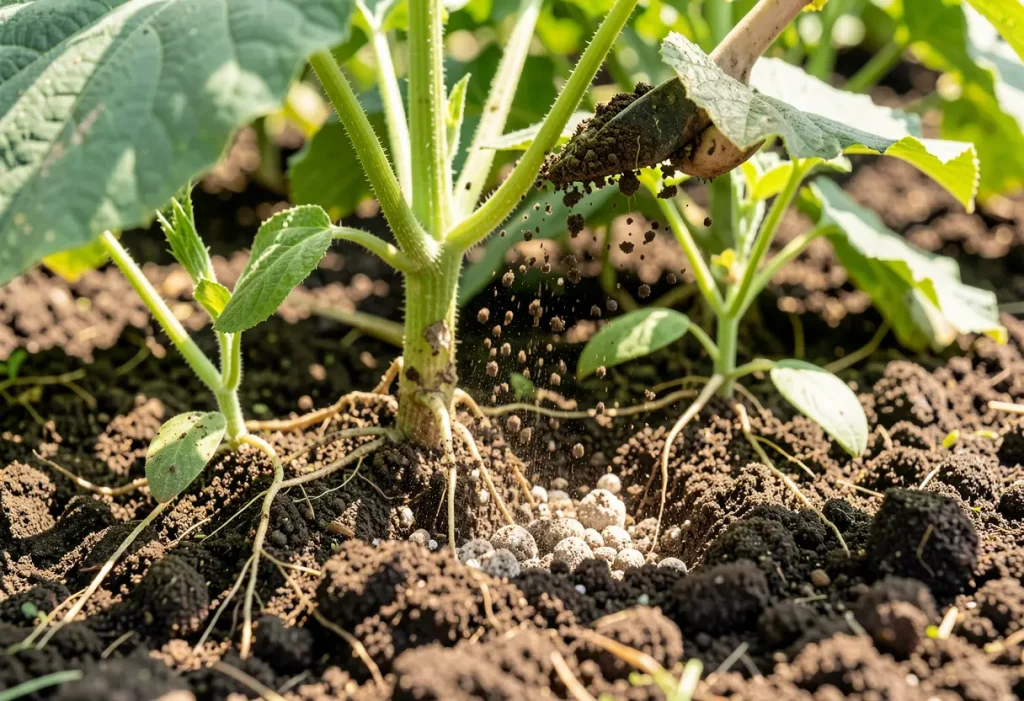
Cucumber plants need the right care to grow flowers and fruits well.
Fertilizing at the right time helps the plant focus on making flowers and fruits.
Good fertilization supports strong flowers and healthy cucumbers.
Choose fertilizers with more phosphorus and potassium during fruiting.
Phosphorus helps flowers grow strong and healthy.
Potassium improves fruit size and taste.
Look for fertilizers labeled for blooming or fruiting plants.
Lower nitrogen levels when flowers start to appear.
Too much nitrogen causes more leaves, fewer fruits.
Increase phosphorus and potassium to support fruit growth.
Balanced nutrients keep the plant healthy and productive.
Late-season fertilization is key to keep cucumber plants strong and productive. It supports fruit development and helps plants finish their growing cycle well. Fertilizing at the right time avoids stress and boosts the final harvest.
Feed cucumbers with balanced nutrients during late season. Use fertilizers rich in potassium and phosphorus to support fruit growth. Keep watering consistent to help plants absorb nutrients. Watch leaves for signs of nutrient shortage. Yellowing or wilting means plants need feeding.
Too much fertilizer can harm cucumbers. Excess nutrients cause leaf burn and reduce fruit quality. Apply fertilizer in small amounts, spreading it evenly around the plants. Stop feeding a few weeks before harvest to prevent chemical buildup. Check soil nutrient levels to avoid overfeeding.
Fertilizing cucumber plants at the right time helps them grow strong and produce more fruit. Environmental factors play a big role in deciding when to add fertilizer. These factors affect how plants absorb nutrients. Understanding them can lead to healthier cucumber plants and better harvests.
Soil type affects how fertilizer works. Sandy soil drains quickly and loses nutrients fast. Clay soil holds water and nutrients longer. Moisture levels in soil matter a lot. Wet soil helps plants take in fertilizer better. Dry soil can make nutrients hard to absorb. Avoid fertilizing when soil is too dry or too wet. This helps prevent fertilizer loss and plant stress.
Warm weather speeds up plant growth and nutrient use. Fertilize cucumbers during active growth periods in warm seasons. Avoid fertilizing before heavy rain to prevent nutrient washout. Cold weather slows plant growth and nutrient uptake. Hold off on fertilizing during cold spells. Watch weather forecasts to pick the best days for fertilizing.
Fertilizing cucumber plants is important for healthy growth. Many gardeners make simple mistakes that harm their plants. Avoiding these errors helps cucumbers grow strong and produce well. Understanding common mistakes can save time and effort in your garden.
Too much fertilizer can burn cucumber roots. It causes leaf burn and weak plants. Too little fertilizer stops growth and lowers yield. Plants may look pale and small. Use the right amount based on soil tests or package instructions. Balance is key for healthy cucumbers.
Applying fertilizer too close to stems can harm roots. Spread fertilizer evenly around the base of plants. Avoid mixing fertilizer with seeds or young roots. Water plants after feeding to help nutrient absorption. Use the right tool, such as a spreader or hand, for even application.
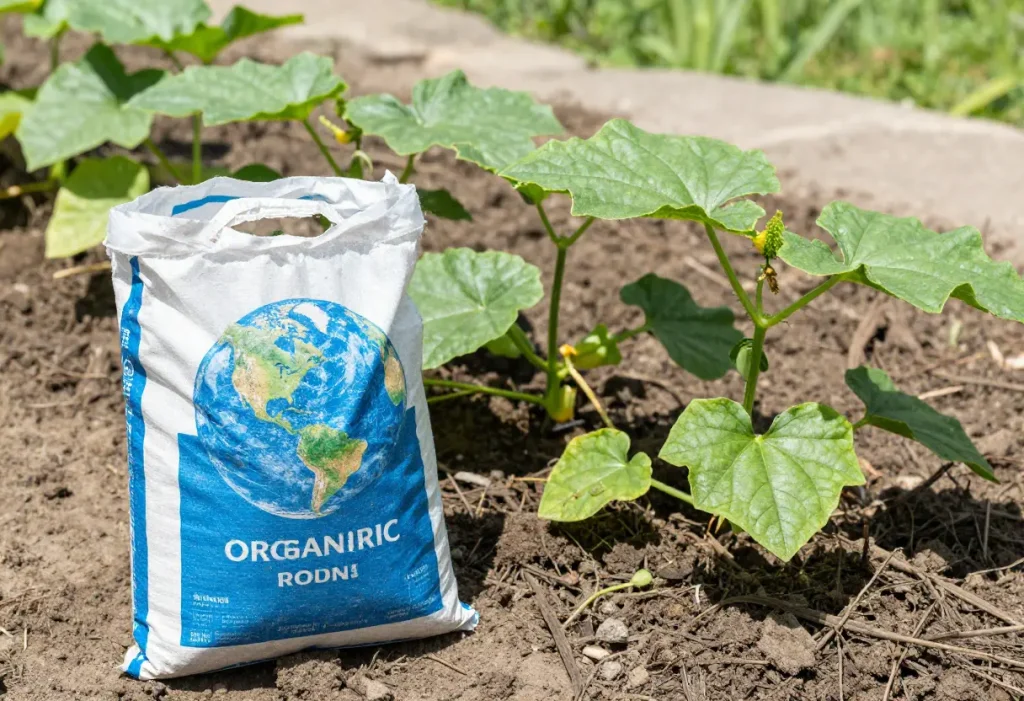
Begin fertilizing cucumber plants when they have 2-3 true leaves. This helps young plants grow strong roots and healthy vines.
Fertilize cucumber plants every 2 to 3 weeks during their growing season. Regular feeding supports steady growth and fruit production.
Use a balanced fertilizer with equal nitrogen, phosphorus, and potassium. This mix encourages healthy leaves, flowers, and fruits.
Yes, continue light fertilizing after fruiting begins to boost fruit size. Avoid too much nitrogen to prevent leafy growth over fruits.
Both work well, but organic fertilizer improves soil health over time. Chemical fertilizers give quick nutrients but use them carefully.
Fertilizing cucumber plants at the right time helps them grow strong. Start feeding when the first leaves appear. Use balanced fertilizer to support healthy leaves and roots. Feed again when flowers begin to bloom for better fruit. Avoid over-fertilizing to keep plants healthy and productive.
Watch your plants closely and adjust feeding as needed. Good care leads to fresh, tasty cucumbers. Keep these tips in mind for a successful harvest each season. Simple steps make growing cucumbers easier and more fun.