Gardening Made Simple.
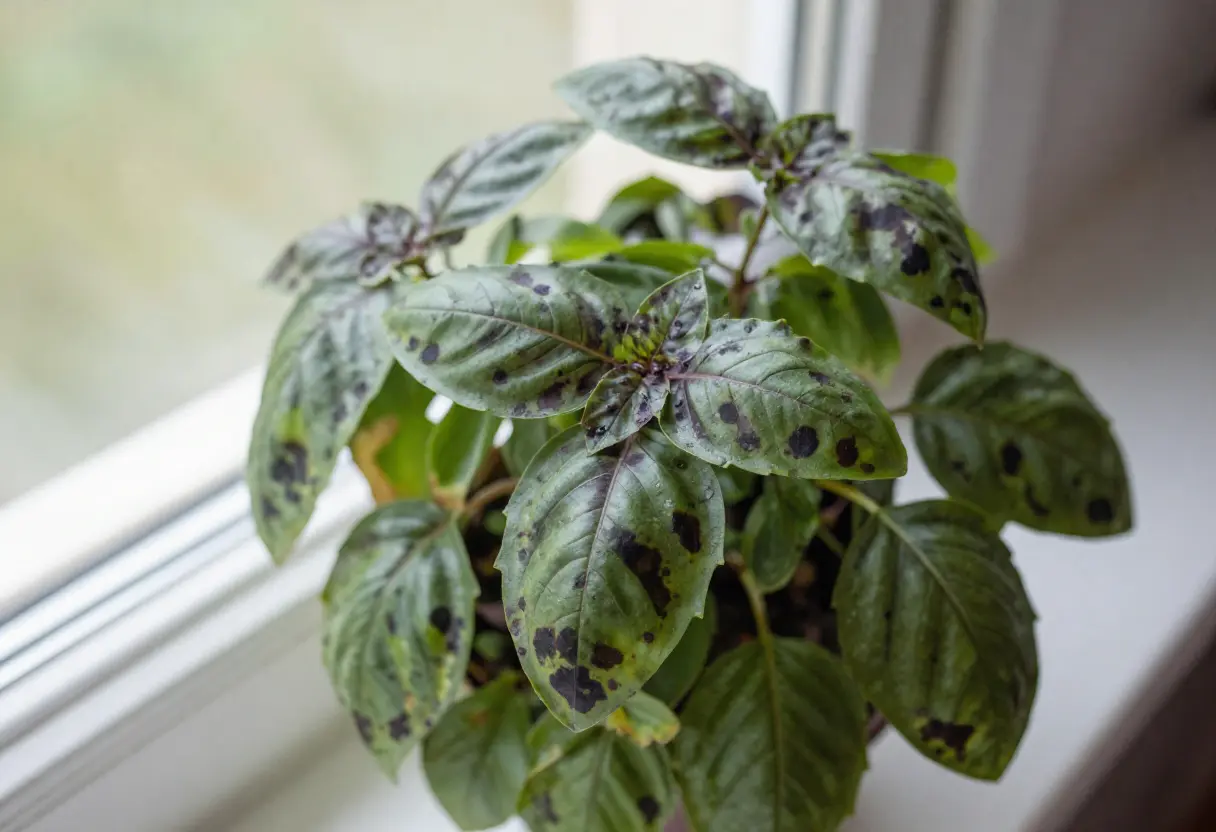
Are you noticing dark spots on your basil leaves and wondering what’s causing them? These unsightly marks can quickly turn your vibrant herb into a struggling plant. Understanding Dark Spots on Basil Leaves will help you identify the cause and take the right steps to restore your plant’s health.
But don’t worry—you’re not alone, and there are simple ways to fix this problem. Understanding why these spots appear is the first step to saving your basil and keeping it healthy. Keep reading, and you’ll discover easy tips that will help your basil thrive again.
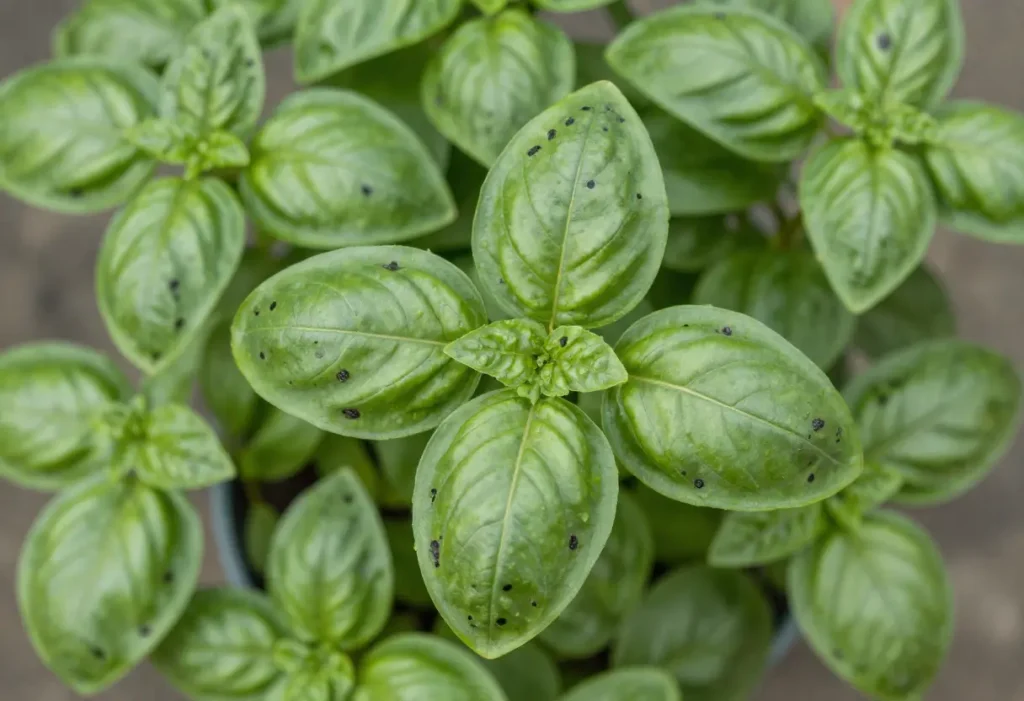
Dark spots on basil leaves can spoil the look and health of your plant. These spots often signal an issue. Understanding common causes helps in quick care and prevention. Below are the main reasons basil leaves develop dark spots.
Fungi thrive in wet and warm places. They cause dark, round spots on basil leaves. These spots often have a yellow ring around them. Overwatering and poor air flow encourage fungal growth. Treating early stops spread to healthy leaves.
Bacteria cause irregular, water-soaked spots on leaves. These spots may turn dark and dry out. Bacterial infections spread fast in humid conditions. Avoid splashing water on leaves to reduce risk. Removing infected leaves controls the problem.
Too much sun or cold can stress basil plants. Stress causes dark patches on leaves. Sudden temperature changes damage leaf cells. Dry soil or drought also leads to spots. Keeping stable conditions helps basil stay healthy.
Lack of nutrients causes dark spots on basil leaves. Nitrogen and potassium shortages are common culprits. Leaves may turn yellow with dark spots. Feeding plants with balanced fertilizer prevents deficiencies. Healthy soil supports strong, green leaves.
Insects like aphids and spider mites harm basil leaves. They suck sap and leave dark marks. Pest damage may look like small spots or patches. Regular checking and gentle pest control protect your plant. Early action keeps basil growing well.
Dark spots on basil leaves can harm the plant's health and appearance. Identifying the cause early helps protect your basil and keeps it growing strong. Recognizing the signs is the first step in solving the problem.
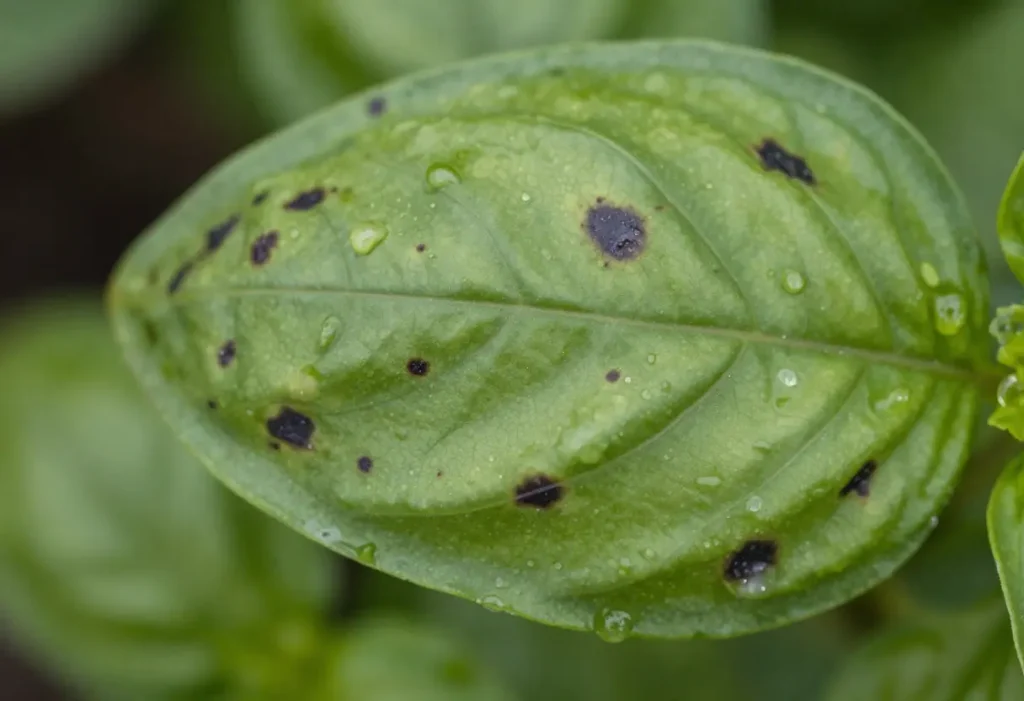
Dark spots on basil leaves usually look round or irregular. They may be brown, black, or dark gray. Some spots have a yellow ring around them. The spots often feel dry and slightly sunken. Wet or slimy spots suggest a fungal issue.
Look for spots on both the top and bottom sides of leaves. Spots may start small and grow larger over time. Leaves with many spots often turn yellow and fall off. Sometimes, the edges of the leaves curl or become brittle.
Dark spots often appear during warm, humid weather. The problem spreads quickly if leaves stay wet for long periods. New leaves may show spots soon after the older ones. Watch your basil daily to spot changes early.
Dark spots on basil leaves can damage your plant’s health and appearance. Preventing these spots helps keep basil strong and fresh. Simple care steps reduce the chance of dark spots forming. Focus on watering, light, soil, and regular checks.
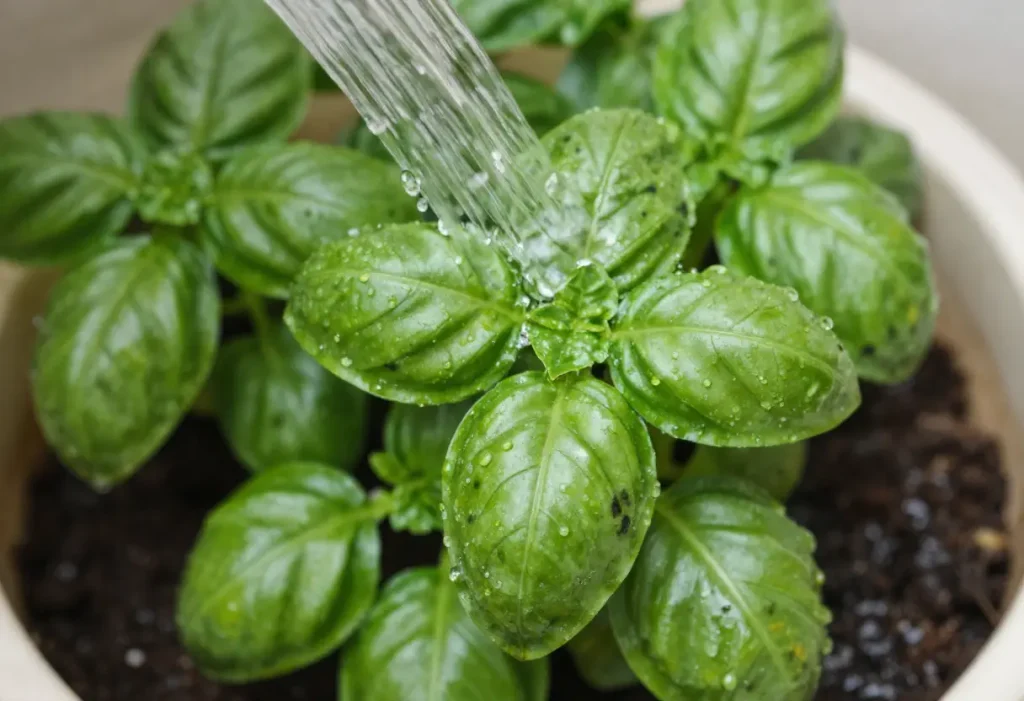
Water basil at the soil level, not on leaves. Wet leaves invite fungi and bacteria causing dark spots. Water in the morning to let leaves dry during the day. Avoid overwatering, which can lead to root rot and leaf problems. Check soil moisture before watering again.
Basil grows best in bright, indirect sunlight. Too much direct sun can burn leaves, causing dark spots. Too little light weakens the plant and invites disease. Aim for 6 to 8 hours of light daily. Rotate pots to ensure even light exposure.
Use well-draining soil to prevent water buildup. Heavy or compacted soil holds water and stresses roots. Add sand or perlite to improve drainage. Choose pots with drainage holes to let excess water escape. Healthy roots support healthy leaves without spots.
Check basil leaves often for early signs of dark spots. Remove affected leaves immediately to stop spread. Look under leaves and at stem bases for pests or mold. Early action keeps plants healthy and spot-free. Maintain good airflow around plants to reduce humidity.
Choose basil types that resist common leaf diseases. Some varieties naturally withstand fungal infections better. Resistant plants need less treatment and show fewer dark spots. Ask local nurseries for recommended disease-resistant basil seeds or seedlings.
Dark spots on basil leaves can harm your plant’s health and growth. Acting fast helps stop the spread and keeps basil fresh. Use simple remedies to treat and prevent these spots effectively.
Spray basil leaves with a mix of water and baking soda. This reduces fungal growth causing dark spots. Neem oil is another safe option. It works as a natural pesticide and antifungal agent. Apply these treatments every week for best results.
Use fungicides labeled safe for herbs to control severe infections. Choose products with copper or sulfur. Follow package instructions carefully. Avoid overuse to protect your plant and soil health.
Cut off leaves with dark spots to stop the infection spread. Use clean scissors or pruners. Dispose of the removed leaves away from your garden. This simple step helps keep your basil healthy.
Place basil plants where air flows freely. Avoid overcrowding pots or plants. Good airflow reduces moisture and prevents fungal growth. Regularly prune dense areas for better ventilation.
Long-term care keeps basil plants strong and healthy. Healthy basil resists dark spots better. Care includes proper feeding, trimming, and watching for problems early. This section explains key care steps for vibrant basil leaves.
Basil needs nutrients to grow well. Use a balanced, water-soluble fertilizer every 4-6 weeks. Avoid too much nitrogen. It can cause soft growth and invite disease. Organic compost also helps feed basil slowly. Always follow package instructions for best results.
Regular pruning helps basil grow bushy and healthy. Cut back top leaves to encourage side shoots. Remove any yellow or damaged leaves quickly. This stops disease spread and keeps airflow good. Clean your pruning tools before each use to avoid infections.
Check basil leaves often for dark spots or other signs. Early detection stops problems from spreading fast. Remove affected leaves immediately. Keep soil dry on the surface but moist below. Good air circulation also lowers risk of spots returning.
Dark spots on basil leaves usually come from fungal infections or too much water. Poor air flow and wet leaves also help fungi grow. Identifying these causes helps keep your basil healthy.
Avoid watering basil leaves directly and water in the morning to dry leaves faster. Keep plants spaced well for good air flow. Use clean tools to reduce spreading fungi.
Yes, dark spots can weaken basil plants by reducing photosynthesis. This slows growth and can cause leaves to drop. Treating spots early helps plants stay strong.
Small dark spots usually don’t harm you but may taste bitter. It's best to cut off affected leaves before using basil. Always wash leaves well before cooking.
Remove and discard infected leaves carefully. Use organic fungicides or neem oil for fungal control. Also, improve air flow and adjust watering habits to stop spots.
Dark spots on basil leaves can harm your plant’s health. Spotting problems early helps protect your basil garden. Keep leaves dry and provide good air flow. Use clean tools to avoid spreading disease. Treat spots quickly to stop damage. Healthy basil grows better and tastes fresher.
Watch your plants often for any changes. Simple care makes a big difference. Enjoy fresh basil free from dark spots.