Gardening Made Simple.
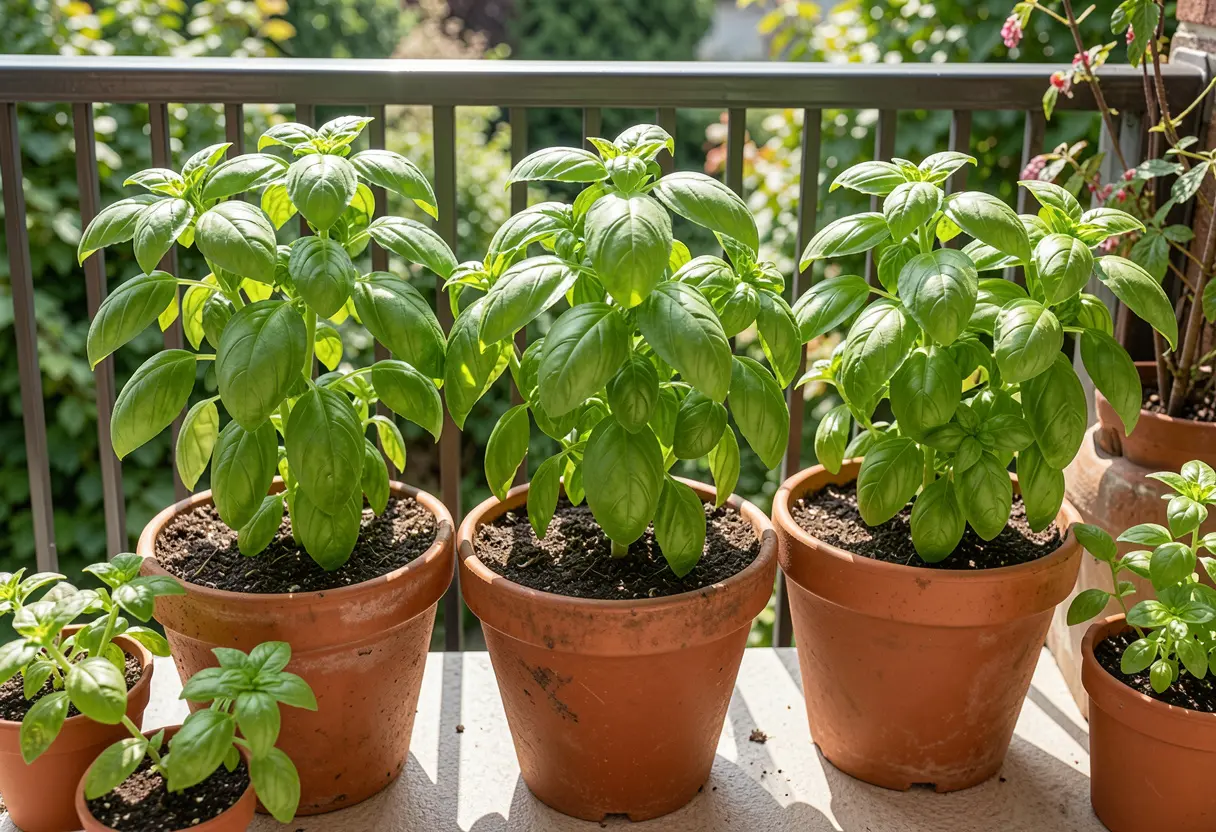
Imagine stepping into your kitchen and snipping fresh basil leaves whenever you want. Planting Basil in Pots makes this possible, even if you don’t have a garden, allowing you to grow fragrant herbs right at hom
You’ll enjoy the fragrance, flavor, and freshness right at your fingertips. Plus, it’s easier than you think! You’ll discover simple tips to grow healthy basil plants in pots, so you can add that perfect touch to your meals every day.
Ready to bring your cooking to life with homegrown basil? Let’s get started!
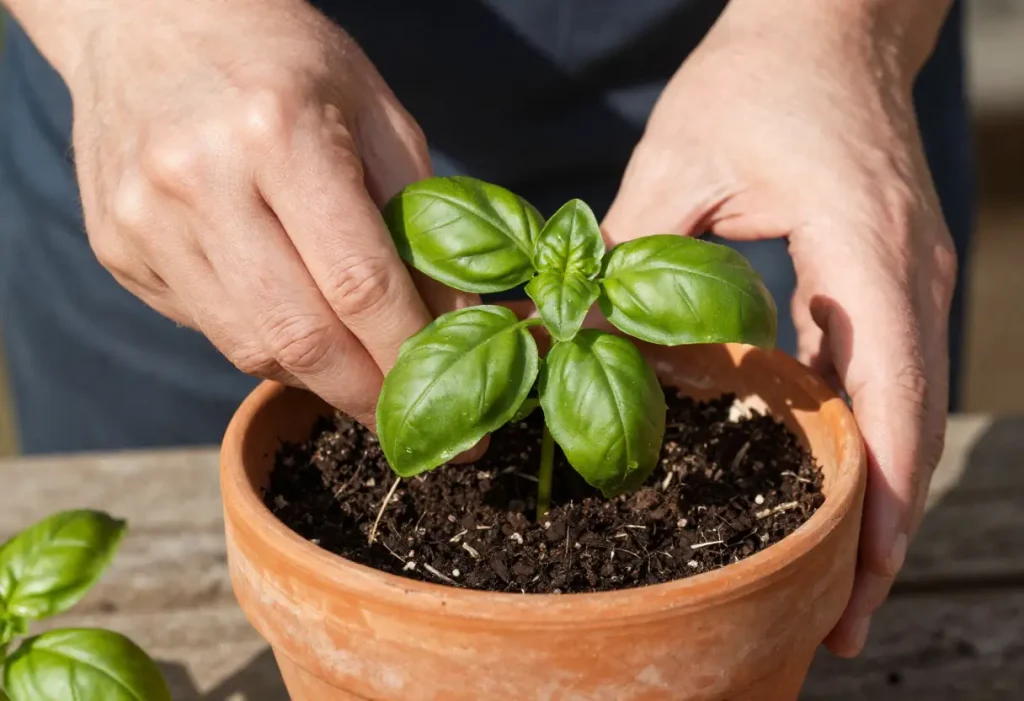
Choosing the right pot is key to growing healthy basil in pots. The pot affects how the plant grows and stays healthy. Picking the right size and material helps basil get enough space and the right conditions to thrive.
Basil needs enough room for roots to spread. Choose a pot at least 8 inches deep. A wider pot allows the plant to grow bushy and strong.
Clay pots are good because they breathe well. This prevents water from staying too long. Plastic pots hold moisture longer, so water carefully. Choose based on your watering habits and climate.
Drainage holes are a must. Water must flow out to stop root rot. Without holes, water stays and harms the plant.
Place a layer of small stones or broken pot pieces at the bottom. This helps water drain faster. Check pots regularly to keep holes clear and free from blockages.
Choosing the right basil variety for your pot can make a big difference. Each type has its own flavor and care needs. Some grow better in small spaces. Others offer unique tastes for cooking. Understanding these varieties helps you pick the perfect one.
Sweet basil is the most common type. It has large, soft leaves and a strong, sweet aroma. This basil is perfect for Italian dishes like pesto and pasta. It grows well in pots with good sunlight. Regular trimming keeps it bushy and full.
Thai basil has a spicy, slightly licorice flavor. Its leaves are smaller and darker than sweet basil. This variety adds a unique taste to Asian recipes. It prefers warm conditions and plenty of light. Thai basil stays compact, making it great for pots.
Lemon basil smells fresh and citrusy. Its light flavor works well in salads and seafood dishes. This basil needs bright light and good drainage in its pot. It grows quickly and can be harvested often. Lemon basil adds a refreshing twist to your garden.
Healthy basil plants start with the right soil and fertilizer. Good soil helps basil roots grow strong. Proper feeding keeps the plant green and full of flavor. These tips guide you to prepare the best environment for your potted basil.
Use a light, well-draining soil mix for basil pots. A mix of potting soil, compost, and perlite works well. This blend holds moisture but prevents waterlogging. Avoid heavy garden soil that can trap water. Basil roots need air and water to thrive.
Feed basil regularly but do not overdo it. Use a balanced, water-soluble fertilizer every two weeks. This supports steady growth and strong leaves. Organic options like fish emulsion or compost tea also work. Always follow the package instructions for safe use.
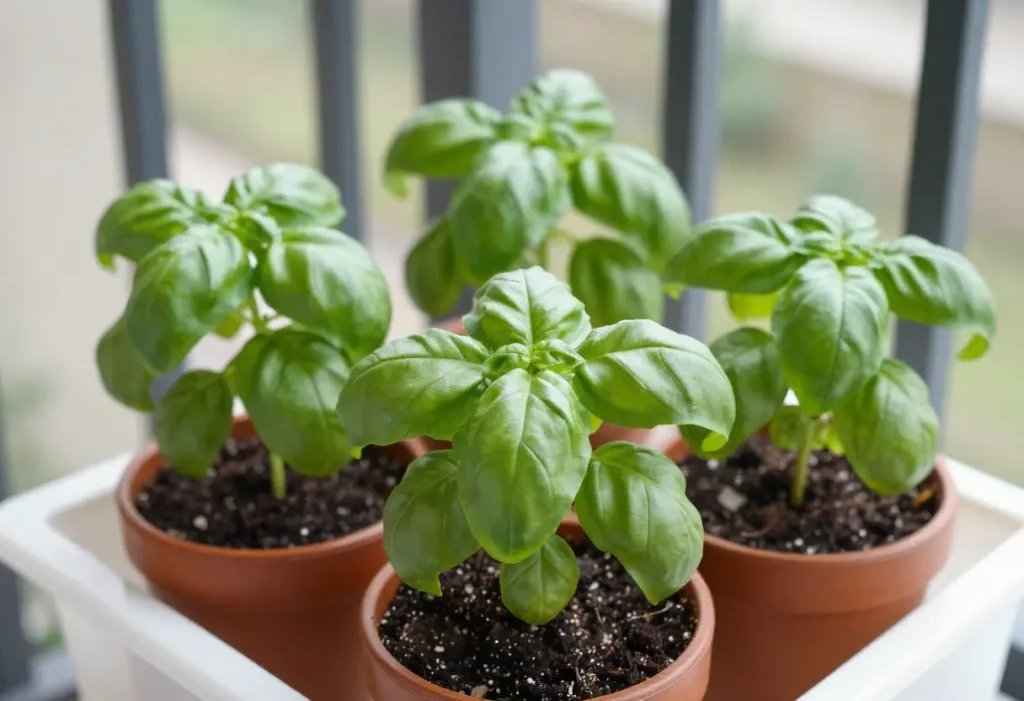
Planting basil in pots requires some care and the right techniques. The way you start your basil plants affects their growth and health. Choosing good planting methods helps your basil grow strong and fresh. Two common ways to plant basil are starting from seeds and transplanting seedlings.
Each method has simple steps. Follow these to give your basil the best start in pots.
Use fresh basil seeds for better germination. Fill your pot with light, well-draining soil. Moisten the soil gently before planting.
Plant seeds about 1/4 inch deep. Cover lightly with soil and press down softly. Keep the soil moist but not wet.
Place the pot in a warm spot with indirect sunlight. Seeds usually sprout in 5 to 10 days. Thin seedlings to give space for growth.
Choose healthy seedlings with strong stems and green leaves. Prepare your pot with fresh soil. Make a hole in the soil big enough for the seedling roots.
Remove the seedling carefully from its original container. Avoid damaging the roots during transplanting. Place the seedling in the hole and cover roots with soil.
Press the soil gently around the seedling to remove air pockets. Water the plant lightly after transplanting. Keep the pot in a bright spot but out of direct sun for a few days.
Basil plants need the right amount of water and light to grow well in pots. These two factors affect the health and flavor of the leaves. Proper care helps basil stay fresh and strong.
Basil likes soil that stays moist but not soggy. Water the plant when the top inch of soil feels dry. Usually, watering every two to three days works well. Pots can dry out faster, so check soil often. Avoid letting water sit at the bottom of the pot. Overwatering can cause root rot and harm the plant.
Basil needs plenty of sunlight to grow healthy leaves. Place the pot in a spot where it gets six to eight hours of direct sunlight daily. South-facing windows are usually best. If sunlight is limited, use a grow light for at least six hours. Too little light makes the plant weak and leggy. Bright light keeps basil strong and flavorful.
Pruning is key to growing healthy basil in pots. It helps the plant grow bushy and strong. Cutting back basil encourages new leaves to sprout. This keeps your plant full and productive. Proper pruning also stops the basil from flowering too soon. Flowering can make the leaves bitter and reduce growth.
Start pruning basil when it reaches about 6 inches tall. This usually takes a few weeks after planting. Look for points where leaves grow in pairs. Prune just above these leaf pairs to encourage new stems. Stop pruning when the weather gets too cold. Basil grows best in warm conditions.
Use clean scissors or your fingers to pinch off leaves. Cut about half an inch above a leaf node. Remove the top set of leaves and any small flowers. Avoid cutting more than one-third of the plant at once. Regular pruning every one to two weeks works best. This keeps your basil healthy and full.
Growing basil in pots can be rewarding but comes with challenges. Pests and diseases may harm your plants. Controlling these problems keeps basil healthy and productive. Early detection helps stop damage before it spreads. Understanding common pests and natural remedies supports strong basil growth.
Small insects like aphids often attack basil leaves. These bugs suck sap and cause leaf damage. Whiteflies also feed on basil and spread diseases. Spider mites create tiny webs and make leaves yellow. Slugs and snails can chew large holes in leaves. Watch for signs of these pests regularly.
Spraying basil with soapy water removes many soft-bodied pests. Neem oil works well to repel insects and fungi. Introducing ladybugs helps control aphid populations naturally. Hand-picking slugs and snails keeps damage low. Keep pots clean and remove dead leaves to prevent disease. Good air flow reduces chances of fungal infections.
Harvesting and storing basil properly keeps the leaves fresh and flavorful. Picking basil at the right time helps the plant grow more. Good storage methods make basil last longer for cooking.
Harvest basil leaves early in the morning. The leaves have the most flavor then. Pick leaves before the plant flowers. Flowering causes leaves to taste bitter. Use scissors or fingers to cut just above a leaf pair. This encourages new growth and keeps the plant healthy.
Keep fresh basil at room temperature. Place stems in a glass with water. Cover the leaves loosely with a plastic bag. Change the water every two days. Avoid cold storage; basil turns black and wilted. For longer storage, dry or freeze basil leaves. Dry leaves lose some flavor but last months. Frozen basil keeps more taste but changes texture.
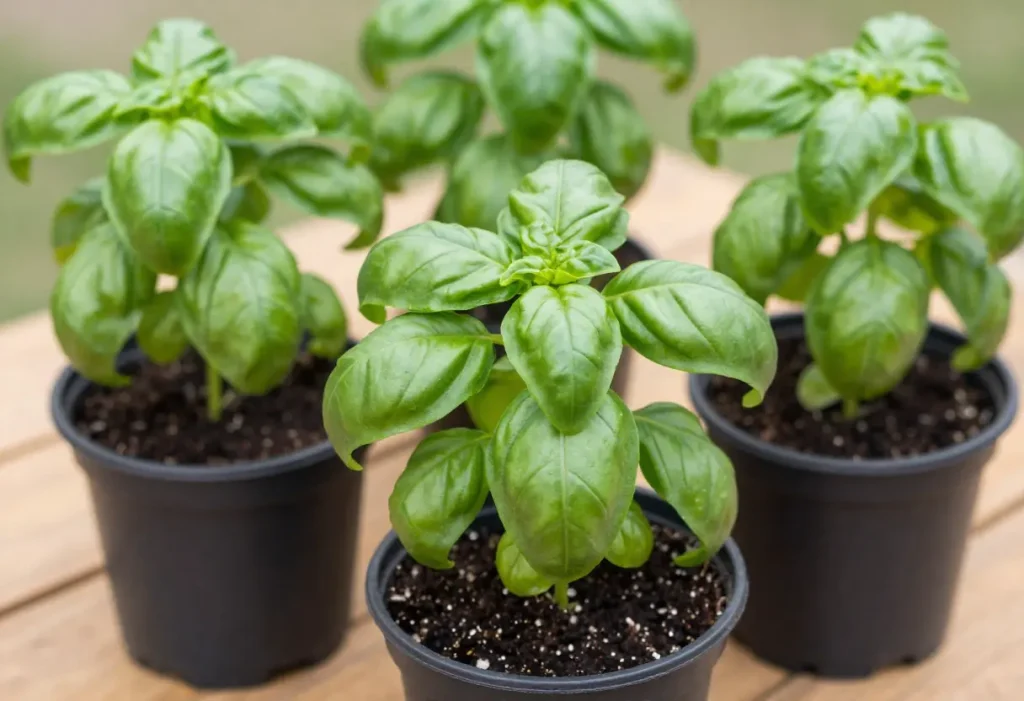
Basil needs at least 6 hours of sunlight daily. Place pots near a bright window or outside in a sunny spot.
Use well-draining, nutrient-rich soil for healthy basil growth. A mix of potting soil and compost works well.
Water basil when the top inch of soil feels dry. Avoid overwatering to prevent root rot and keep the soil moist.
Yes, basil grows well indoors with enough light and proper care. Keep it near a sunny window or use grow lights.
Keep basil healthy by avoiding overwatering and removing dead leaves. Use natural pest control like neem oil if needed.
Growing basil in pots brings fresh herbs right to your kitchen. It needs good soil, sunlight, and regular watering. Pots help control its growth and keep it healthy. You can enjoy basil’s aroma and flavor all year. Small care makes a big difference in plant health.
Start with the right pot size and place it well. With simple steps, anyone can grow basil easily. Try planting basil in pots and enjoy fresh herbs daily.