Gardening Made Simple.

Are you curious about the different types of basil plants and how they can add flavor and beauty to your garden or kitchen? Basil is more than just a common herb—it comes in many varieties, each with its own unique taste, aroma, and look.
Whether you want to grow basil for cooking, decoration, or even health benefits, knowing the right type can make all the difference. Keep reading to discover which basil plants suit your needs best and how to make the most of them in your daily life.

Basil is a popular herb with many varieties. Each type has a unique taste and use. Knowing common basil types helps in choosing the right one for cooking or gardening.
These basils grow well in home gardens. They add fresh flavor to many dishes. Let’s explore some common basil varieties you can try.
Sweet basil is the most popular basil type. It has large, bright green leaves. The taste is mild and slightly sweet. It works well in salads, sauces, and pasta. This basil grows fast and smells fresh.
Genovese basil is a type of sweet basil. It has bigger leaves and a stronger flavor. This basil is famous for making pesto sauce. The aroma is rich and slightly spicy. It thrives in warm and sunny places.
Lemon basil has a fresh lemon scent. Its leaves are smaller and light green. The taste is citrusy and bright. It pairs well with fish and salads. This basil adds a refreshing twist to recipes.
Thai basil has purple stems and dark green leaves. It has a spicy, anise-like flavor. This basil is common in Asian cooking. It adds a bold taste to soups and stir-fries. It grows well in warm climates.

Specialty basil types bring unique flavors and colors to your garden and kitchen. These varieties offer more than the common sweet basil. Each has distinct traits that add interest and aroma to dishes. They also make your herb garden more exciting.
Here are some popular specialty basil types you can try growing or cooking with.
Purple basil stands out with its deep purple leaves. It has a mild, slightly spicy flavor. This basil adds color to salads and garnishes. The leaves are also great for making vibrant pesto or herbal tea.
Cinnamon basil smells like cinnamon and clove. It has a warm, spicy taste that works well in baked goods and fruit dishes. It also pairs nicely with meat and vegetable recipes. The plant grows well in pots or garden beds.
Holy basil, also called Tulsi, is sacred in some cultures. It has a strong, peppery flavor and a hint of clove. People use it in teas and traditional medicines. It also repels insects and grows easily in most climates.
Spicy Globe basil is small and round, perfect for pots. It has a sharp, spicy taste that adds heat to dishes. This compact plant grows well indoors or outdoors. It’s great for fresh herbs on windowsills or patios.
Basil is a popular herb that grows best with the right care. Knowing its growing conditions helps you get healthy, flavorful plants. Basil needs specific soil, sunlight, and water to thrive. Each factor plays a role in how well your basil will grow.
Basil prefers well-drained soil. It likes soil that is rich in organic matter. The soil should feel loose, not heavy or clay-like. A slightly acidic to neutral pH, around 6 to 7, works best. Good soil helps basil absorb nutrients and stay healthy.
Basil loves sunlight and needs at least 6 hours a day. Full sun helps the plant grow strong and develop its flavor. In very hot climates, some afternoon shade can protect leaves from burning. Lack of sunlight makes basil weak and spindly.
Basil needs regular watering but not too much. Keep the soil moist but not soggy. Water at the base of the plant to avoid wetting leaves. Wet leaves can cause diseases. Let the top inch of soil dry before watering again.
Basil is a versatile herb loved in kitchens worldwide. Different types of basil bring unique flavors to dishes. Their uses vary across cuisines and drinks. Knowing how to use each variety enriches your cooking experience.
Sweet basil is a star in Italian recipes. It flavors tomato sauces, pizzas, and pastas beautifully. Fresh basil leaves add aroma to Caprese salad. It pairs well with garlic and olive oil. Italian cooks often add basil at the end for freshness.
Thai basil has a spicy, slightly licorice taste. It suits stir-fries, curries, and noodle soups. Vietnamese cuisine uses basil in fresh spring rolls. It balances spicy and sour flavors in dishes. This basil variety holds its flavor well during cooking.
Holy basil, or tulsi, is famous for herbal teas. It soothes the mind and boosts immunity. Basil leaves can be steeped with honey and lemon. This creates a calming, fragrant drink. Herbal infusions use basil for both taste and health benefits.
Basil plants need simple care to grow healthy and strong. They thrive in warm places with plenty of sunlight. Water them regularly but avoid overwatering. Good soil with proper drainage helps roots stay healthy. Taking care of basil means pruning, managing pests, and knowing when to harvest.
Pruning basil encourages bushy growth and more leaves. Cut just above a leaf pair to help new shoots grow. Remove flowers as soon as they appear to keep leaves tasty. Regular pruning stops the plant from becoming too tall or leggy.
Basil can attract pests like aphids and whiteflies. Check leaves often for tiny bugs or sticky spots. Spray plants with water to wash off pests. Use natural sprays like neem oil to protect without chemicals. Keep the area clean to reduce pest problems.
Harvest basil leaves early in the morning for best flavor. Pick leaves from the top to encourage new growth. Use sharp scissors or pinch leaves gently by hand. Avoid taking more than one-third of the plant at once. Fresh leaves can be used immediately or dried for later.
Basil is a popular herb in many home gardens. It adds fresh flavor to meals and smells great. Growing basil at home is simple and rewarding. It fits well in different garden spaces, from pots to garden beds. Understanding how to grow basil in various ways helps gardeners get the best results.
Container gardening is perfect for small spaces. Basil grows well in pots on balconies or patios. Use pots with good drainage to keep roots healthy. Place containers where basil gets at least six hours of sunlight. Water regularly but avoid waterlogging the soil. Containers allow easy movement to catch the sun or avoid cold.
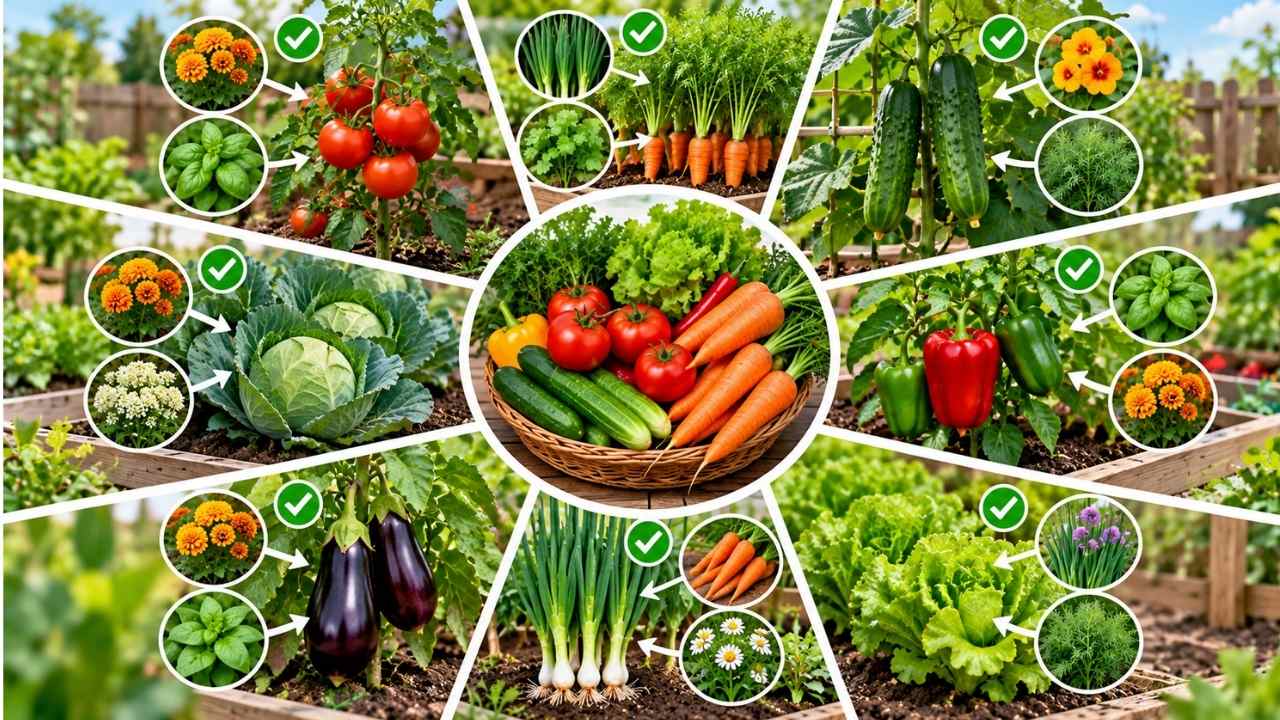
Basil works well with many garden plants. It helps keep pests away from tomatoes and peppers. Plant basil near vegetables to improve their growth and taste. Companion planting also saves garden space and boosts productivity. Keep basil close but not crowded for good air flow.
Indoor basil growing suits colder climates or winter months. Choose a bright window with direct sunlight. Use a pot with rich soil and good drainage. Water the plant when the top soil feels dry. Indoor basil needs fresh air but avoid cold drafts. Harvest leaves regularly to encourage new growth.

The most common types include sweet basil, Thai basil, and purple basil. Each type has a unique flavor and use in cooking.
Sweet basil has a mild, sweet flavor, while Thai basil is spicier with anise notes. Both are popular in different cuisines.
Yes, purple basil has a slightly spicy taste and adds color to dishes. It works well in salads and garnishes.
Sweet basil is the best choice for pesto due to its mild flavor. It blends smoothly with garlic, nuts, and cheese.
Most basil types need warm, sunny spots and well-drained soil. Some varieties tolerate heat better than others.
Basil plants come in many types, each with a unique flavor. Some types work well in cooking, while others are best for decoration. Growing basil is simple and rewarding for any gardener. Try different kinds to find your favorite taste and look.
Enjoy fresh basil in your meals and garden all year. Exploring basil varieties adds fun and freshness to your home. Keep these tips in mind to grow healthy basil plants easily. Your garden will thank you with lovely leaves and aromas.