Gardening Made Simple.

Do you want your basil plant to stay healthy and full of fresh leaves all season long? Knowing how to trim basil the right way can make a huge difference, helping your plant grow lush, flavorful foliage while preventing overgrowth.
When you trim your basil correctly, you encourage new growth and get more flavorful leaves for your cooking. You’ll discover simple steps to keep your basil thriving and how to avoid common mistakes that can harm your plant. Ready to become a basil-trimming pro?
Let’s dive in and give your plant the care it deserves.
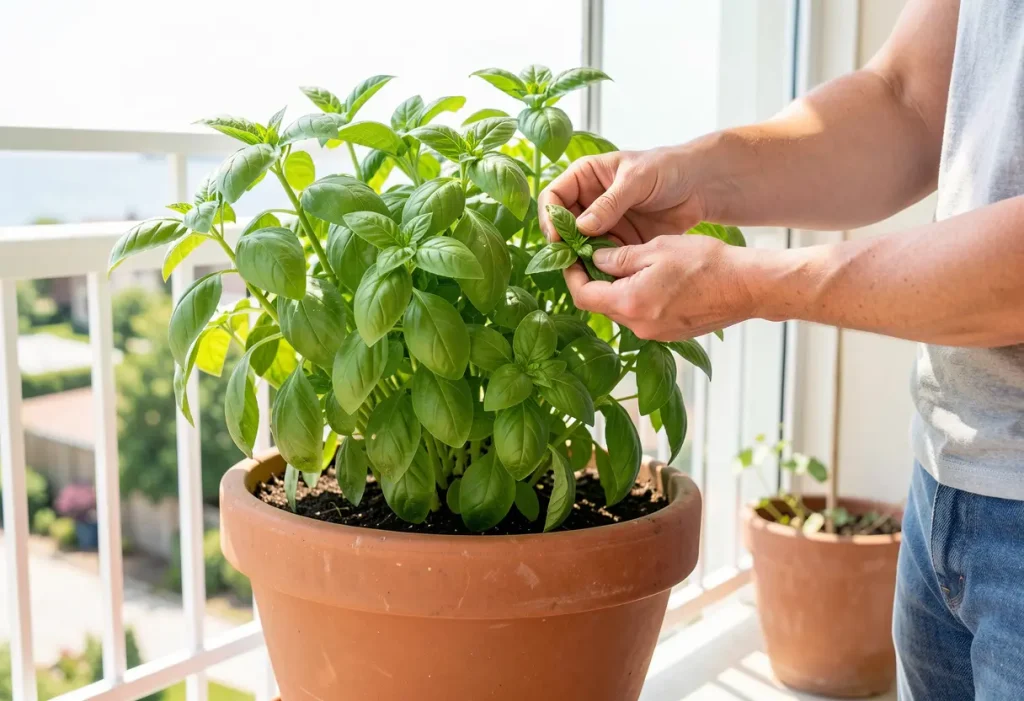
Trimming basil is an important step to keep your plant healthy and productive. It helps the plant grow better and keeps the leaves fresh. Regular trimming also stops the plant from wasting energy on flowers. This section explains why trimming basil is good for your herb garden.
Cutting basil encourages new shoots to grow. The plant becomes bushier and fuller. More leaves mean more flavor for cooking. Trimming stops the plant from getting tall and leggy. This way, the basil stays strong and healthy.
Fresh basil leaves taste better than old ones. Trimming helps the plant produce young leaves. Young leaves have a stronger, sweeter aroma. Removing older leaves lets the plant focus on new growth. This keeps the flavor bright and fresh for your dishes.
Basil flowers use energy that could grow leaves. When basil blooms, leaves become bitter and tough. Trimming the tops stops flowers from forming. This keeps the basil tasty and soft. Regular cutting keeps your plant in leaf-growing mode.
Trimming basil at the right time helps keep the plant healthy and full. It also improves the flavor of the leaves. Timing affects how well the basil grows after cutting. Picking the best moment to trim can make a big difference in your herb garden.
Trimming basil in the morning is often best. The leaves have more moisture from dew or watering. This helps the plant recover quickly after trimming. Morning light is gentle and will not stress the plant.
Evening trimming can work but is less ideal. The plant has less moisture and might dry out overnight. It may take longer for the basil to bounce back. If trimming in the evening, water the plant well afterward.
Spring and summer are the best seasons to trim basil. The plant grows fast and recovers quickly in warm weather. Regular trimming encourages new growth and more leaves.
In fall and winter, basil growth slows down. Trim less often to avoid stressing the plant. Focus on removing dead or yellow leaves only. Protect the plant from cold drafts to keep it healthy.
Trimming basil correctly needs the right tools. Good tools make the job easier and keep your basil healthy. You do not need fancy equipment. Simple, sharp tools work best. Clean tools prevent disease and damage to plants. Proper tools help you enjoy fresh basil longer.
Sharp shears cut basil stems cleanly. Avoid dull scissors that crush the plant. Small garden scissors or herb snips are perfect. They give control for precise cuts. Choose shears with comfortable handles for easy use. Metal blades last longer and stay sharp. Plastic or cheap scissors may not cut well.
Clean tools stop germs from spreading. Wipe blades with rubbing alcohol before trimming. Wash shears with soap and water after use. Dry tools completely to prevent rust. Regular cleaning keeps blades sharp and safe. This care helps your basil grow strong and healthy.
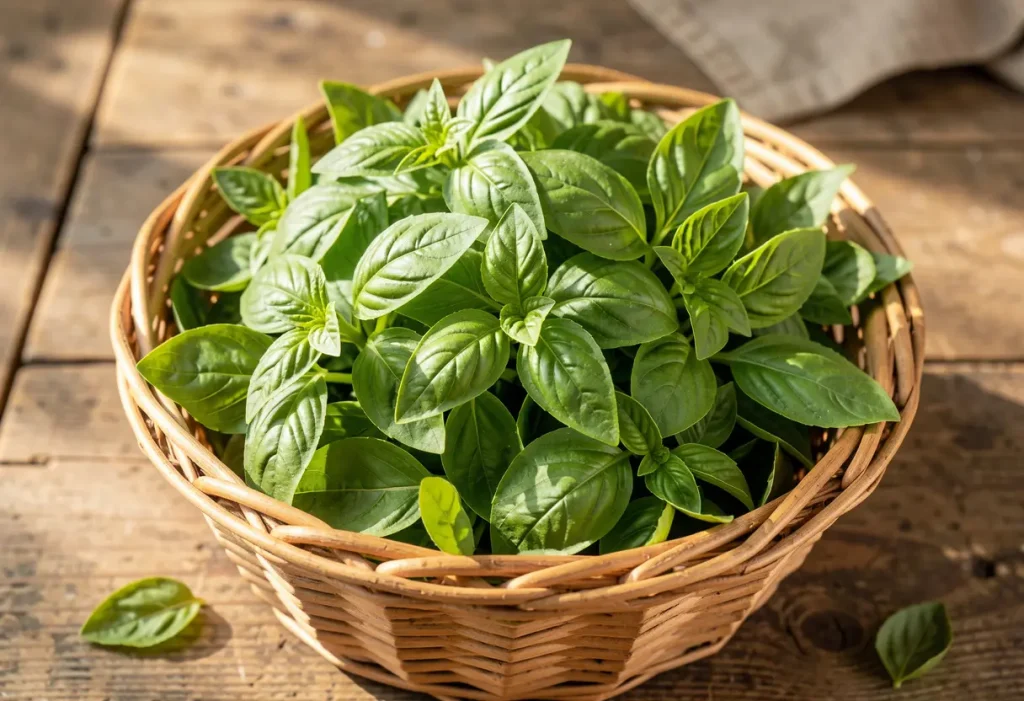
Trimming basil helps the plant grow healthy and strong. It keeps the leaves fresh and encourages new growth. Follow this simple step-by-step guide to trim your basil the right way. This will help you enjoy more basil leaves for cooking and garnishing.
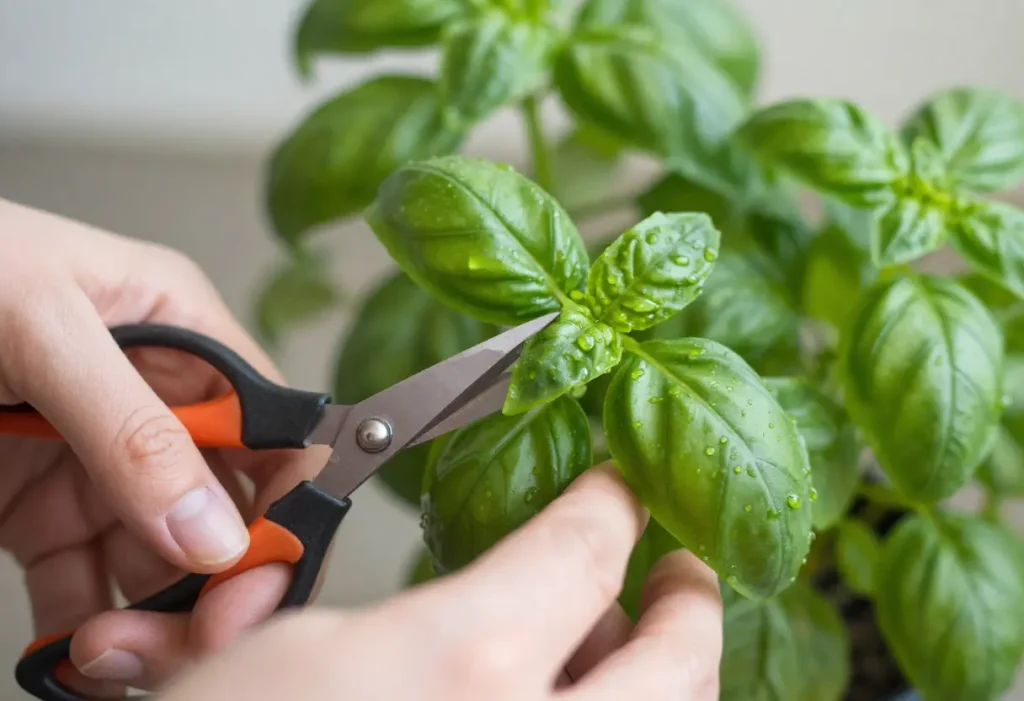
Look for spots just above a leaf node. A leaf node is where leaves grow from the stem. Cut above this point to allow new branches to grow. Avoid cutting too close to the node. This can damage the plant and slow growth.
Use clean, sharp scissors or garden shears. Cut stems at a 45-degree angle. This angle helps water run off the cut. Avoid tearing or crushing the stem. Make smooth, clean cuts to prevent infections.
Sweet basil grows fast and likes frequent trimming. Cut often to keep it bushy and full. Thai basil has tougher stems. Use stronger scissors and trim carefully. Lemon basil is more delicate. Trim lightly to avoid stress. Adjust trimming based on the basil type for best results.
After trimming basil, proper care helps the plant stay healthy and grow well. The right care supports new leaves and strong stems. Focus on watering and feeding to keep basil thriving. Healthy basil means fresh, flavorful leaves for your cooking.
Basil needs consistent moisture but not soggy soil. Water the plant when the top inch of soil feels dry. Use room temperature water to avoid shocking the roots. Water at the base to keep leaves dry and prevent disease. Avoid overwatering, which can cause root rot. Proper watering helps basil recover after trimming.
Feed basil with a balanced, water-soluble fertilizer every two weeks. Choose a fertilizer with equal parts nitrogen, phosphorus, and potassium. Dilute fertilizer to half strength to avoid burning roots. Fertilizing encourages new growth and vibrant leaves. Stop fertilizing in late fall when the plant slows down. Proper feeding keeps basil strong after each trim.
Trimming basil is simple but mistakes can harm your plant. Avoid these common errors to keep your basil healthy. Proper trimming helps basil grow bushier and tastier.
Cutting too much weakens the plant. Basil needs leaves to make food. Remove only one-third of the stem at a time. Over-trimming slows growth and may kill the plant.
Flower buds take energy from leaves. Pinch off buds as soon as you see them. This keeps basil leaves fresh and flavorful. Letting flowers grow makes leaves bitter and tough.
Dull scissors or knives crush stems. This can cause disease or slow healing. Use sharp, clean tools for clean cuts. Sharp tools help the plant heal fast and grow strong.
Harvesting basil properly helps keep its flavor strong and fresh. Picking the right leaves at the right time matters. This way, you get the best taste for cooking and storing. Careful cutting also helps the plant grow healthy and full.
Follow these simple tips to enjoy basil’s rich aroma and bright flavor in every dish.
Choose leaves that are big and healthy. The top leaves near the tips of the stems have the best flavor. Avoid yellow or damaged leaves. Pick leaves from different parts of the plant for balanced growth. Always use clean scissors or pinch gently with fingers.
Harvest basil in the morning after the dew dries. This is when oils are strongest. Cut leaves before the plant flowers for sweeter taste. Regular picking encourages new growth and more leaves. Use fresh leaves soon after picking for best flavor.
Trim basil every 1 to 2 weeks to keep the plant healthy. Regular trimming encourages bushier growth and prevents flowering too soon.
Use clean, sharp scissors or pinch just above a leaf node. This method helps new stems grow strong and keeps the plant full.
Yes, regular trimming helps maintain fresh and strong basil flavor. Removing older leaves allows new, tastier leaves to grow.
Trim basil flowers as soon as they appear to keep leaves tender. Flowers can make leaves taste bitter, so remove them early.
Trim up to one-third of the plant at a time to avoid stress. This keeps basil healthy and encourages continuous leaf production.
Trimming basil helps the plant grow fresh and healthy leaves. Cut just above the leaf pairs to keep it strong. Regular trimming stops the plant from getting too tall or woody. This way, you get more basil for cooking or salads.
Remember, clean cuts make the plant heal faster. Keep your basil trimmed often, and enjoy its fresh flavor all season. Simple care leads to a happy, green basil plant in your garden or kitchen.