Gardening Made Simple.
Have you ever wondered what sets daikon apart from white radish? Daikon vs White Radish may look similar at first glance, but these two vegetables have different flavors, textures, and culinary uses that can change the way you cook and enjoy them.
Understanding the difference can help you pick the right one for your recipes and boost your meals’ taste and nutrition. Keep reading, and you’ll discover everything you need to know about daikon vs white radish—so you can make smarter choices in the kitchen every time.
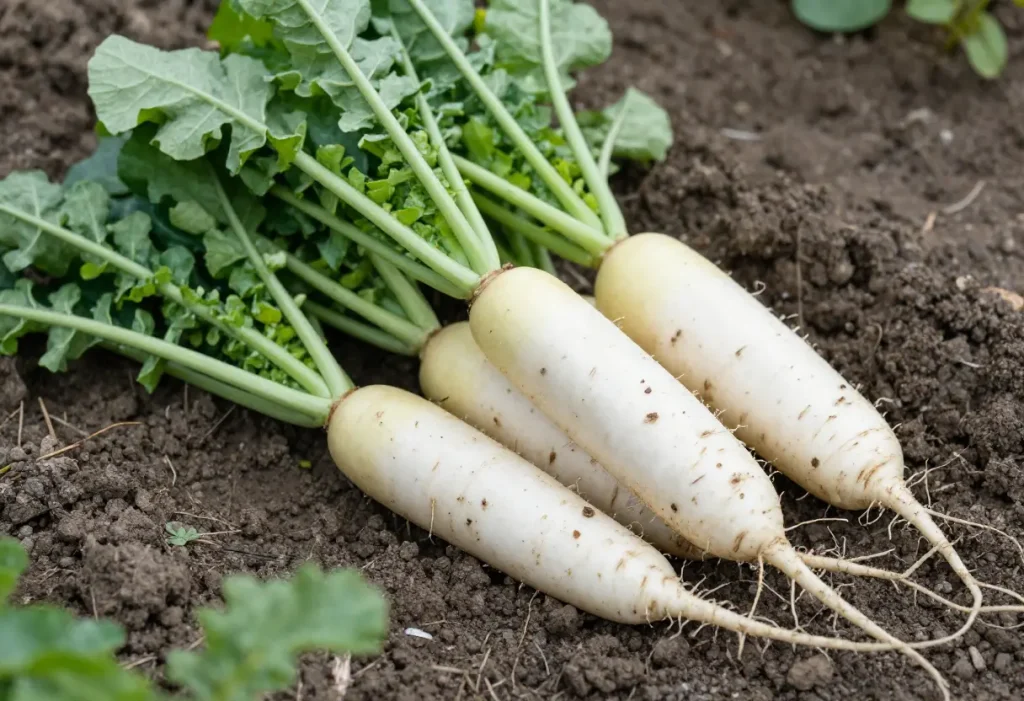
The origins and varieties of daikon and white radish reveal their rich cultural and agricultural history. Both vegetables have been cultivated for centuries and are staples in many cuisines. Understanding their background helps appreciate their differences and uses.
Daikon, also called Japanese radish, comes from East Asia. It has been grown in Japan, China, and Korea for over 1,000 years. Daikon’s name means “big root” in Japanese. It was prized for its mild flavor and large size.
White radish has a broader history. It grows in many parts of the world, including Europe and the Middle East. White radish varieties have been cultivated for thousands of years. They were popular for their crisp texture and peppery taste.
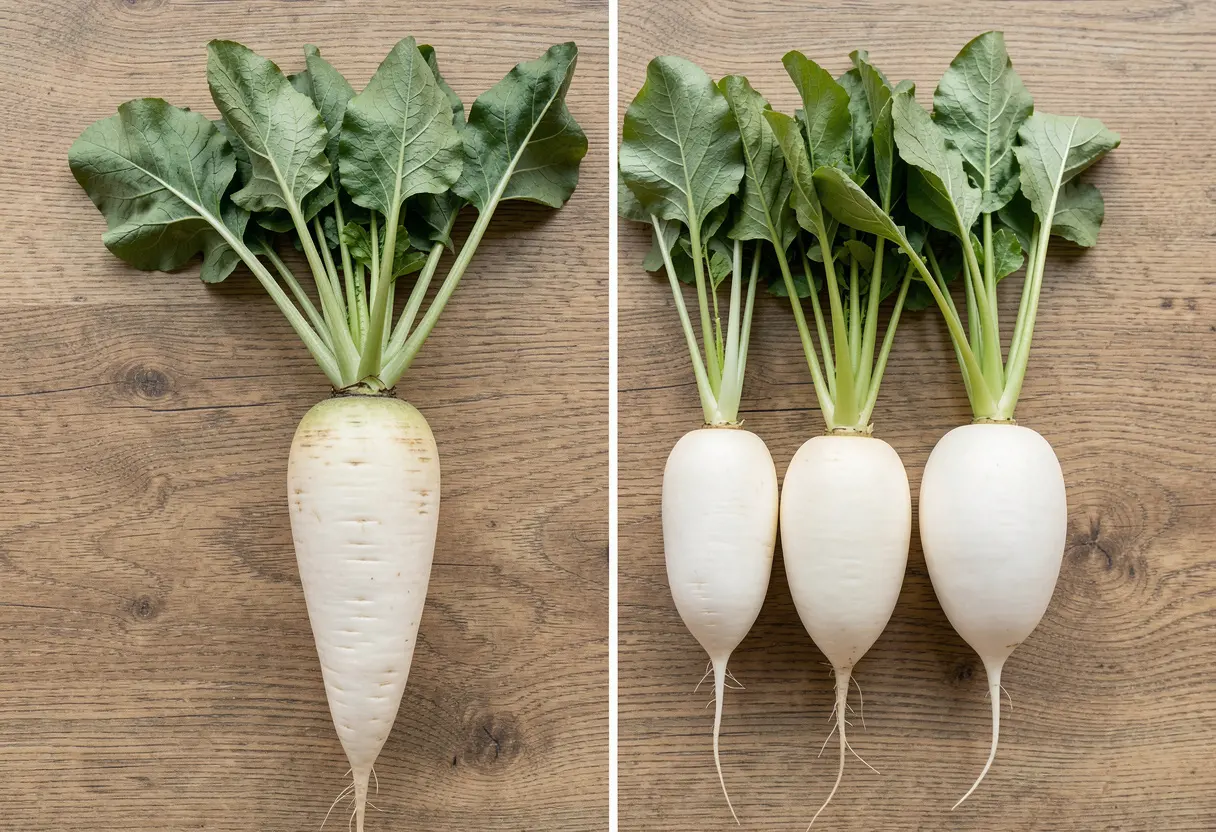
Daikon varieties differ in shape and color. The most common daikon is long, white, and cylindrical. Some types have round or shorter roots. Colors can range from pure white to pale green.
White radish varieties include small round radishes and longer types. Some are smooth-skinned, while others have a rough texture. The flavor can vary from mild to spicy depending on the variety.
The appearance and size of daikon and white radish often confuse many. Both vegetables belong to the same family but differ in visible traits. Understanding these differences helps in choosing the right one for cooking or gardening.
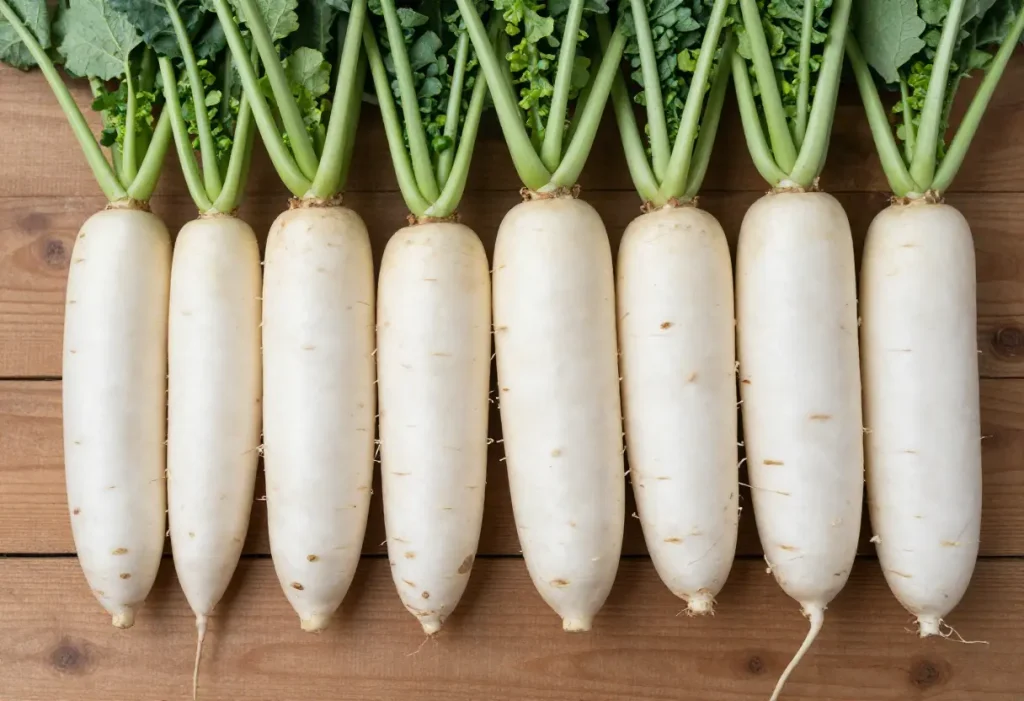
Daikon is usually longer and thicker than white radish. It often grows up to 6 to 20 inches in length. White radish tends to be shorter and more slender. The color of daikon ranges from white to pale cream. White radish also stays white but can sometimes have a slight green tint near the top.
Daikon has a smooth and firm texture on the outside. Its flesh inside is crisp and juicy. White radish feels a bit rougher on the skin. Inside, it can be slightly denser and less watery than daikon. Both offer a crunchy bite but differ in moisture levels.
The taste and flavor profile of daikon and white radish differ in subtle ways. Both belong to the same family but offer unique experiences. Understanding their flavors helps in choosing the right one for recipes.
Daikon has a mild, slightly sweet flavor. It lacks strong heat and is gentle on the palate. White radish tends to be spicier and sharper. Its bite adds a lively kick to dishes. The spiciness can vary based on freshness and size.
Daikon suits dishes that need a soft, mild touch. It works well in soups, stews, and salads. White radish enhances recipes needing a spicy punch. It is popular in pickles, stir-fries, and sauces. Both add crunch but differ in flavor impact.
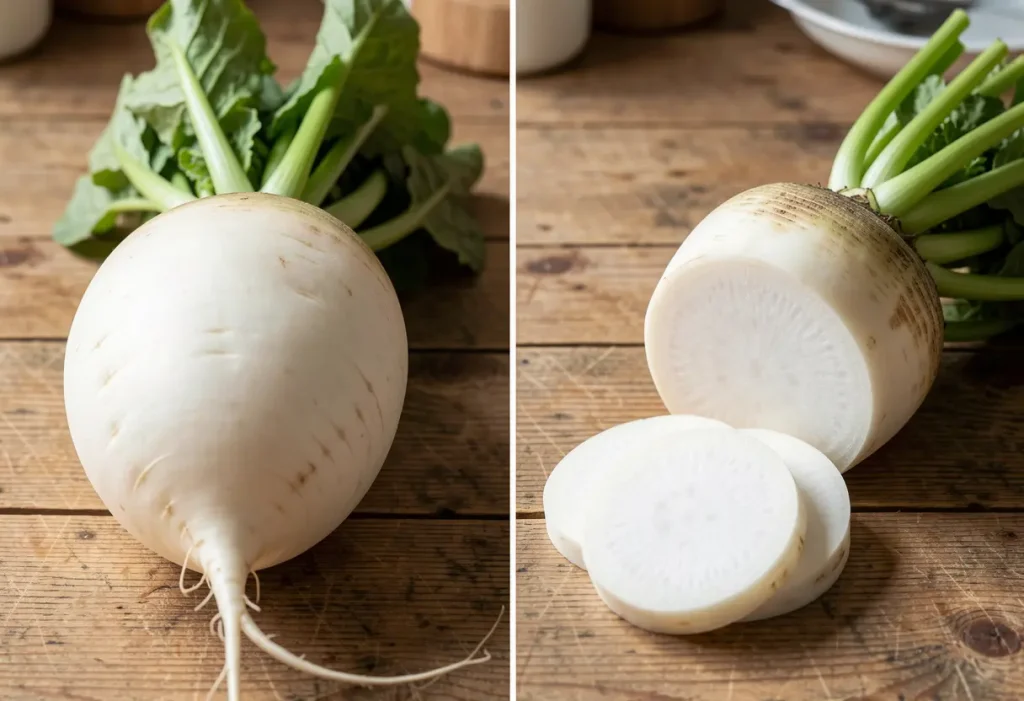
The nutritional value of daikon and white radish makes them healthy choices for many diets. Both vegetables offer essential nutrients that support daily body functions. Understanding their vitamins and minerals helps in choosing the right one for your meals.
Daikon is rich in vitamin C, which boosts the immune system. It also contains potassium, aiding heart health and muscle function. White radish shares similar nutrients but has slightly less vitamin C. Both contain small amounts of calcium and magnesium, important for bones and nerves. These vegetables provide fiber, helping digestion and keeping you full longer.
Eating daikon can help reduce inflammation and improve digestion. Its antioxidants protect cells from damage. White radish supports liver health and helps detoxify the body. Both have low calories, making them good for weight control. Their natural enzymes help break down food, easing stomach discomfort. Including these veggies in your diet promotes overall wellness.
Growing daikon and white radish requires attention to their specific needs. Both vegetables thrive best in cool weather. Understanding their growing conditions helps achieve a healthy crop. Soil quality, temperature, and watering impact their growth. Let's explore how climate and harvest time differ for these root vegetables.
Daikon prefers cooler temperatures between 50°F and 65°F. It grows well in autumn and early winter. White radish also likes cool weather but can tolerate slightly warmer temperatures. It grows best in spring and fall. Both need full sun but can handle partial shade. Well-drained soil keeps roots healthy and prevents rotting.
Daikon takes about 60 to 70 days to mature. It grows longer and can reach up to 20 inches. White radish matures faster, usually within 30 to 50 days. It is smaller and rounder than daikon. Harvesting at the right time ensures the best flavor and texture. Pull roots gently to avoid damage during harvest.
Daikon and white radish are versatile vegetables used in many kitchens. Their cooking techniques can change their flavor and texture. Understanding these methods helps you enjoy both fully.
Eating daikon or white radish raw keeps their crunch and natural taste. Slice them thin for salads or snacks. They add a fresh, peppery flavor. Daikon is milder and slightly sweet. White radish has a sharper bite. Both work well with dips and dressings.
Cooking softens these radishes and tones down sharpness. Boiling or steaming makes them tender and mild. Use in soups or stews for a gentle flavor. Stir-frying keeps some crunch and adds caramelized taste. Roasting brings out sweetness and a deep aroma. Pickling gives a tangy twist, perfect for side dishes.
Daikon and white radish are common in many kitchens. Knowing when they are available and how to store them helps keep them fresh. Proper storage also keeps their taste and texture intact longer.
Daikon is mostly available in winter and early spring. It grows best in cooler weather. White radish has a similar season but appears a bit earlier. Both are easier to find fresh during these months. Outside these times, they may come from storage or imports.
Keep daikon and white radish in the fridge for best results. Wrap them in a damp paper towel to keep moisture. Place them inside a plastic bag before refrigerating. Avoid washing before storage to prevent spoilage. Stored this way, they stay fresh for up to two weeks. For longer storage, you can freeze sliced radish after blanching.
Daikon is a type of white radish but usually larger and milder in taste. White radish can refer to various radishes that vary in size and flavor.
Both are used in salads, soups, and stir-fries, but Daikon is often preferred in Asian dishes. White radish may have a stronger, spicier flavor in some recipes.
Both are low in calories and rich in vitamins, especially vitamin C. Daikon often contains more digestive enzymes, aiding digestion.
Yes, both can be eaten raw and add crunch to salads. Daikon has a milder taste, making it popular for raw dishes.
Daikon is usually long, white, and smooth-skinned, while white radishes can be smaller and rounder. Color and size vary depending on the variety.
Daikon and white radish share many traits but also differ clearly. Both offer crisp texture and mild spice. Daikon tends to be longer and sweeter. White radish is often shorter with a stronger bite. Choosing depends on your taste and recipe needs.
Both add freshness and health benefits to meals. Try each to see which suits you best. Simple, natural, and tasty options for your kitchen.