Gardening Made Simple.

Are you wondering When to Plant Daikon Radish for the best results? Timing is everything when it comes to growing this crunchy, mild-flavored root vegetable, and planting at the right moment ensures healthy growth, better flavor, and a bigger harvest.
Plant too early or too late, and you might end up with tough, bitter radishes or a disappointing harvest. But don’t worry—this guide will help you discover the perfect planting window so your daikon radishes can thrive in your garden.
Keep reading to unlock simple tips that make growing daikon radish easy and rewarding!
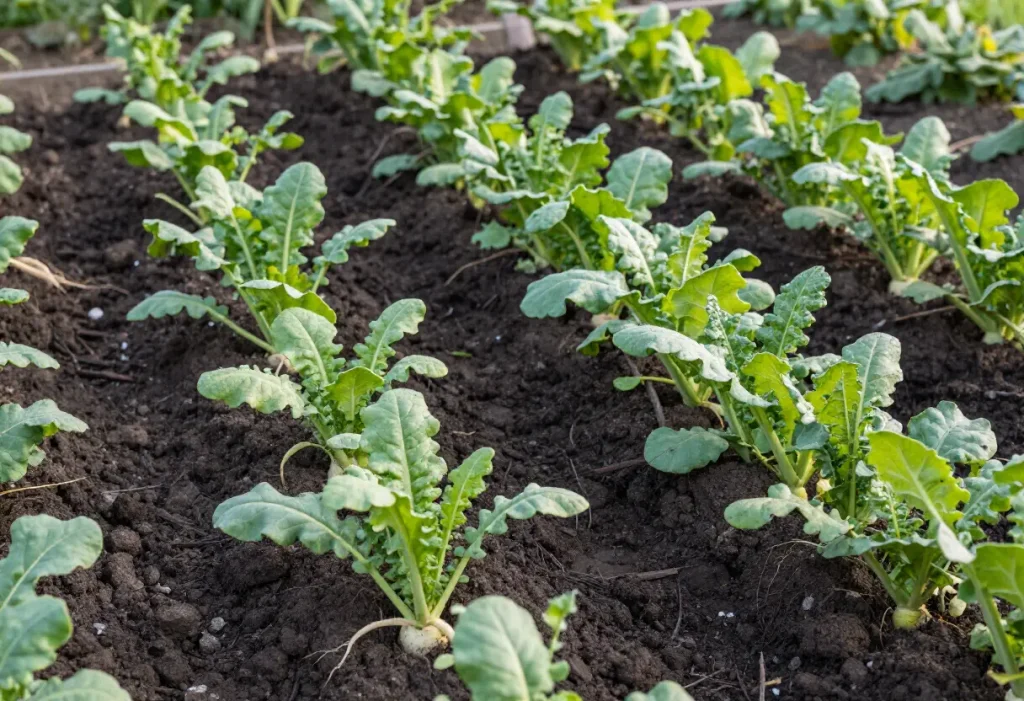
Daikon radish grows best in cool weather. Choosing the right season helps the radish grow strong and tasty. Planting at the best time also reduces problems with pests and diseases. Understanding the best seasons for planting makes growing daikon easier and more successful.
Plant daikon radish early in spring. Wait until the soil warms to about 50°F (10°C). This usually happens 2 to 4 weeks before the last frost. Early planting lets radishes grow before hot weather arrives. Hot weather can cause the radish to become bitter and tough. Spring planting is ideal for a quick harvest in late spring or early summer.
Fall is another good time to plant daikon radish. Start seeds in late summer or early fall. The soil should still be warm, above 60°F (16°C). This helps seeds sprout quickly. Cooler fall air helps the radish grow slowly and develop a sweet flavor. Planting in fall gives a harvest before the first hard frost. Fall planting avoids summer heat, which radishes do not like.
Preparing the soil is key to growing healthy daikon radish. Good soil helps roots grow deep and strong. Before planting, focus on soil quality and readiness. This sets the stage for a great harvest.
Daikon radish grows best in loose, sandy, or loamy soil. This type lets roots expand without trouble. Heavy clay soil can stop roots from growing properly. Well-drained soil prevents water from standing around the roots.
The ideal soil pH for daikon radish is between 6.0 and 7.5. This range helps plants absorb nutrients well. Add organic compost to improve soil nutrients. Nitrogen, phosphorus, and potassium are important for growth. Avoid too much nitrogen to prevent leafy growth over root development.
Loosen the soil by tilling to a depth of 12 inches. This allows roots to grow downward easily. Remove rocks and large clumps to avoid root damage. Form raised beds if the soil is heavy or drains poorly. Level the soil surface to ensure even seed planting.
Daikon radish grows best in certain climate and temperature conditions. Understanding these helps you plant at the right time. The right temperature supports healthy root growth and good flavor.
Daikon radish prefers cool weather. The best temperature for growing is between 50°F and 65°F. In this range, roots develop well and stay crisp. Temperatures above 75°F can make the radish grow fast but become bitter.
Young daikon plants can survive light frost. Strong frost can damage or kill them. Planting before the last frost in spring or after the first frost in fall works well. Protect young plants if frost is expected.
Check your local weather patterns before planting. In warm areas, plant daikon in late fall or winter. In cooler areas, sow seeds in early spring. Use shade or mulch to control soil temperature if needed.
Planting daikon radish correctly helps ensure strong growth and a good harvest. Using the right techniques makes your garden more productive. Simple steps like spacing, watering, and thinning are important to follow.
Plant daikon radish seeds about 1 inch deep in loose soil. Space seeds 2 to 4 inches apart. This gives each plant enough room to grow big roots. Rows should be 12 to 18 inches apart for easy care.
Keep the soil moist but not soaked. Water the seeds gently after planting. Water regularly during dry spells to help roots grow deep. Avoid overwatering, which can cause root rot.
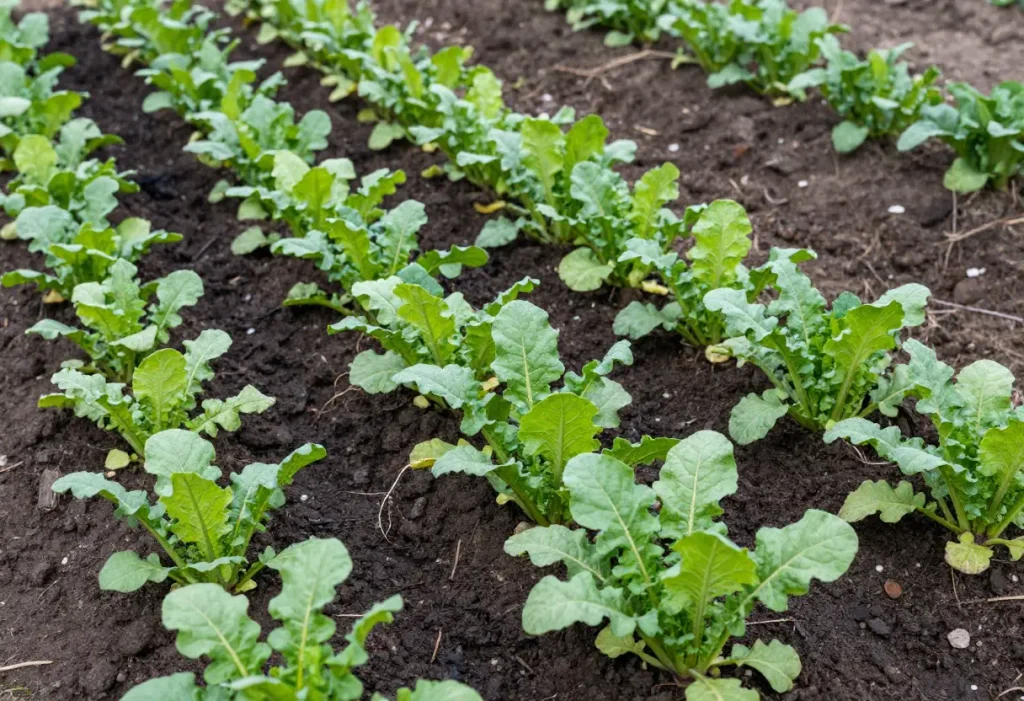
When seedlings reach 2 inches tall, thin them out. Remove weaker plants to leave 4 to 6 inches between strong ones. Thinning prevents crowding and helps roots develop well.
Planting daikon radish requires care and attention. Many gardeners make simple mistakes that affect growth. These errors can cause poor root development or weak plants. Avoiding common planting mistakes ensures a healthy and productive harvest.
Daikon radish grows best in cool weather. Planting seeds too early risks frost damage. Soil may be too cold for seeds to sprout. Planting too late means hot weather can stress plants. Both timing errors reduce root size and flavor.
Daikon radish needs loose, well-drained soil. Heavy or compacted soil stops roots from growing deep. Poor soil lowers oxygen and causes stunted growth. Test soil before planting. Add compost or sand to improve texture.
Planting daikon radish too close wastes space. Crowded plants compete for water and nutrients. Roots may grow twisted or small. Thin seedlings to proper spacing. This helps each radish develop fully and evenly.
Knowing the signs of healthy growth helps you care for your daikon radish well. Strong, vibrant plants will give a good harvest. Watch your plants closely to spot these signs early. Healthy growth means your radish is on the right track.
Leaves should be bright green and firm. Small or yellow leaves may show poor health. Large, wide leaves mean the plant is getting enough nutrients. Healthy leaves help the root grow bigger and better.
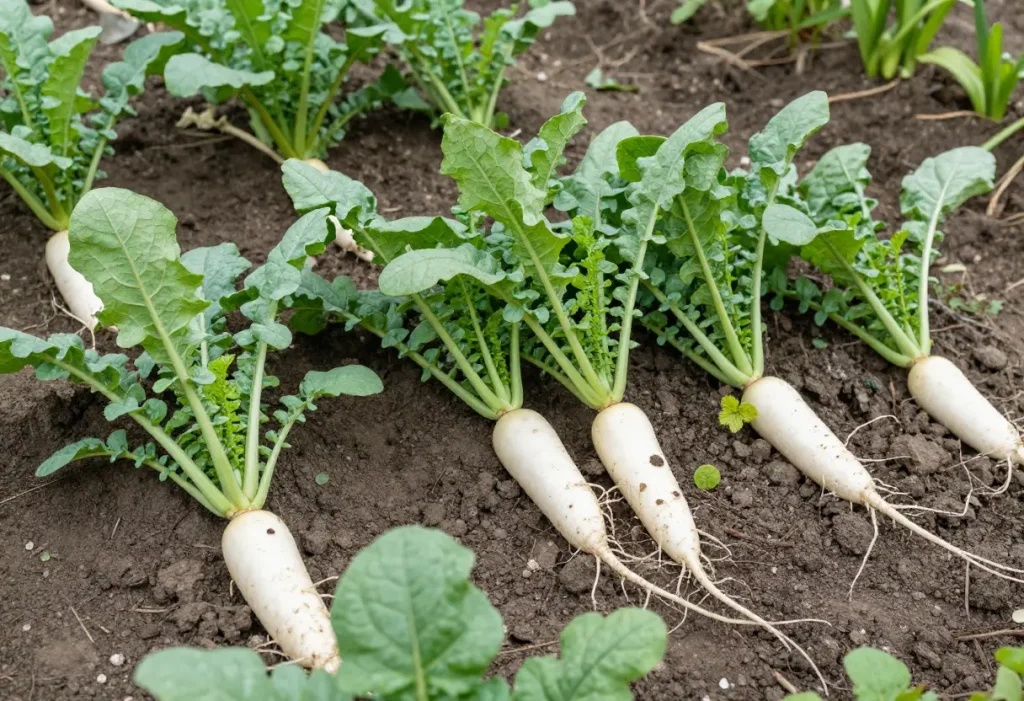
The root should grow long and thick. It will be white and smooth without cracks. Check roots carefully by gently digging near the plant. A healthy root means your daikon is ready for harvest soon.
Look for holes or spots on leaves. These signs show pests or diseases attacking the plant. Healthy daikon has clean, whole leaves without damage. Early spotting helps you protect your crop on time.
Harvest timing is key to getting the best taste and texture from your daikon radish. Picking the roots at the right time helps avoid bitterness and woodiness. It also ensures your crop is tender and fresh. Knowing when to harvest can save your radishes from becoming too large or too small.
Daikon radishes usually mature between 50 and 70 days. Check the seed packet for specific timing. This range gives a good estimate of when to expect full growth. Start watching your plants closely as they approach this period.
Gently pull one radish from the soil to check its size. The root should be about 6 to 8 inches long. Feel the firmness; it should be solid but not hard. If it is too small, wait a few more days before harvesting.
Leaving daikon radishes in the ground too long makes them tough. Overgrown roots become pithy and lose their sweet flavor. Harvest on time to keep the radishes crisp and mild. Monitor your garden regularly to avoid missing the perfect moment.
Daikon radish grows best in cool weather. Plant seeds in early spring or late summer for fall harvest.
Daikon radish usually takes 50 to 70 days to mature. This depends on the variety and weather conditions.
Daikon radish prefers cooler temperatures. Planting in summer may cause poor growth and tough roots.
Loose, well-drained soil with good nutrients is ideal. Avoid heavy clay soils to help roots grow straight.
Soaking seeds for a few hours can speed up germination. It helps seeds sprout faster and grow stronger.
Plant daikon radish in cool weather for best growth. Sow seeds in early spring or late summer. Soil should be loose and well-drained. Water regularly but avoid waterlogging. Watch for pests and thin seedlings as needed. Harvest before the weather gets too hot.
Growing daikon radish is simple and rewarding. Follow these tips to enjoy fresh, crisp roots. Try planting at the right time for great results.