Gardening Made Simple.

Are you ready to make the most of your garden space and enjoy fresh, homegrown zucchini? Growing zucchini squash on a trellis is a smart way to keep your plants healthy, save room, and even make harvesting easier.
Imagine picking firm, vibrant zucchinis without bending over or dealing with messy vines sprawling all over your garden. You’ll discover simple, effective tips to grow zucchini on a trellis that will boost your yield and keep your garden looking neat.
Keep reading to unlock the secrets to a thriving, space-saving zucchini harvest!
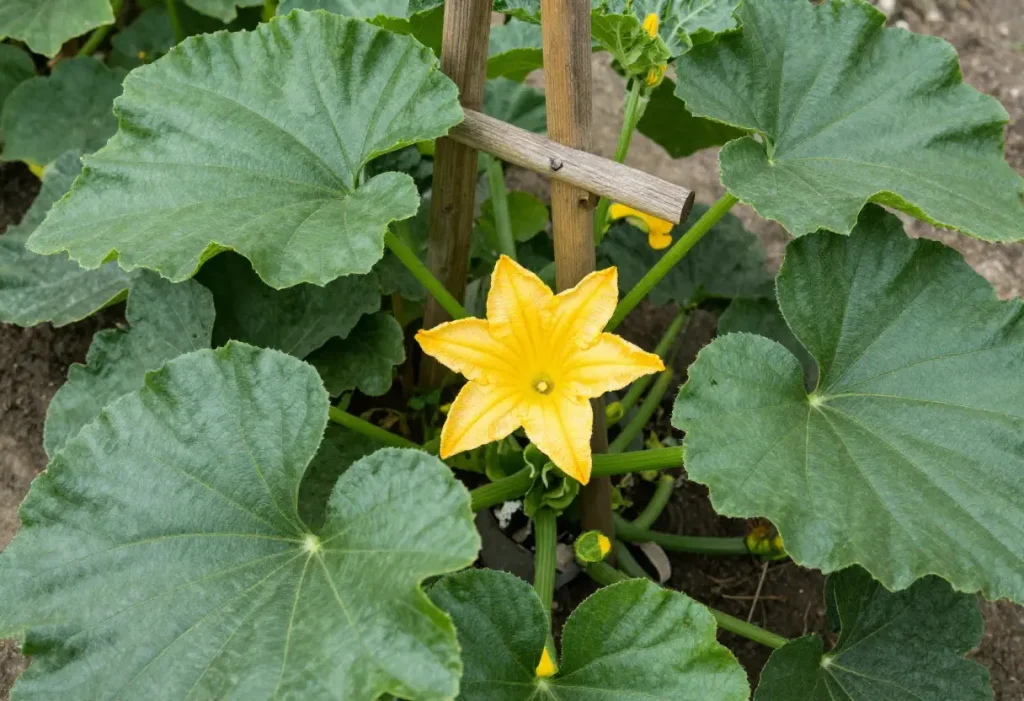
Trellising zucchini offers many benefits for gardeners. It helps plants grow strong and healthy. Growing zucchini on a trellis saves space in the garden. It keeps the fruit clean and easy to pick. Trellising also reduces problems with pests and diseases. These advantages make trellising a smart choice for zucchini growers.
Trellising zucchini uses vertical space instead of ground space. This allows more plants in a small garden area. It frees up room for other vegetables or flowers. Vertical growth helps gardeners with limited space grow more food. This method works well in urban gardens and small yards.
Lifting zucchini off the ground improves air flow around plants. Better air circulation reduces moisture and lowers disease risk. Leaves dry faster after rain or watering. This keeps plants healthier and stronger. Good air movement is key to preventing fungal problems.
Trellising makes it easier to see and reach pests on plants. Gardeners can spot bugs and remove them quickly. It also keeps fruit off the soil where pests hide. This reduces insect damage and fruit rot. Managing pests becomes less time-consuming and more effective.
Fruits hanging on a trellis stay cleaner and straighter. They avoid dirt, mud, and ground moisture. This reduces bruising and rot, improving appearance and taste. Trellised zucchini grows with better shape and size. Harvesting is simpler, making fresh zucchini more enjoyable.
Choosing the right trellis is important for growing zucchini squash well. It supports the plant and keeps fruit off the ground. The right trellis helps save space and makes harvesting easy. It must be strong and tall enough to hold the vines and fruit. Consider the material, height, and whether to build or buy a trellis.
Trellises come in many materials like wood, metal, and plastic. Wood looks natural but may rot over time. Metal is strong and lasts long but can be heavy. Plastic is light and easy to move but less sturdy. Designs include A-frame, flat panels, and teepees. Choose a design that fits your garden space and style.
Zucchini vines can grow tall and heavy with fruit. A trellis must be at least 4 to 6 feet tall. It should hold the weight of growing squash without bending. Look for trellises with strong joints and supports. Secure the trellis well in the soil to avoid falling over.
DIY trellises allow custom sizes and styles. You can use materials you already have. Building your own trellis saves money but takes time. Store-bought trellises are ready to use and often very strong. They come in many sizes and designs. Choose based on your budget and time available.
Preparing soil for zucchini is a key step to growing healthy plants on a trellis. Good soil helps roots grow strong and supports steady vegetable growth. Zucchini plants need soil that lets water drain well but also holds moisture. Nutrients in the soil feed the plants and help them produce plenty of squash.
Before planting, spend time improving the soil. The right soil setup can make a big difference in your zucchini harvest. Start by checking the soil type, adding fertilizers, and balancing pH levels.
Zucchini grows best in loose, well-draining soil. Heavy clay soils can hold too much water and cause root problems. Sandy soils drain quickly but may need extra organic matter to keep moisture. Mix compost or aged manure into soil to improve texture. Good drainage prevents waterlogging and root rot.
Zucchini plants need rich soil with plenty of nutrients. Use balanced fertilizer with equal parts nitrogen, phosphorus, and potassium. Apply fertilizer before planting and again when fruits start growing. Organic options like compost or fish emulsion work well. Avoid too much nitrogen to prevent leafy growth with fewer fruits.
Zucchini prefers soil pH between 6.0 and 7.5. Test soil pH before planting. If soil is too acidic, add lime to raise pH. For alkaline soil, use sulfur or peat moss to lower pH. Proper pH helps plants absorb nutrients efficiently. Adjust soil gradually and retest after a few weeks.
Planting zucchini for trellising helps save space and keeps fruits clean. Growing zucchini on a trellis improves air flow and reduces pests. This method also makes harvesting easier and keeps vines off the ground. Proper planting is key to strong, healthy plants that climb well.
Choose zucchini varieties that grow well on trellises, like bush or vining types. Pick seeds labeled as compact or climbing types. Space seeds about 18 to 24 inches apart for good air circulation. Proper spacing helps vines grow without crowding or disease.
Start seeds indoors 2 to 3 weeks before the last frost date. This gives seedlings a head start in cooler climates. Use small pots and keep soil moist. Direct sow seeds in warm soil once the danger of frost has passed. Sow seeds 1 inch deep for best germination.
Plant zucchini after the soil warms to at least 60°F (16°C). Early planting risks frost damage and slow growth. In warm regions, plant in early spring or late summer for a fall harvest. Proper timing ensures strong plants and better fruit production.
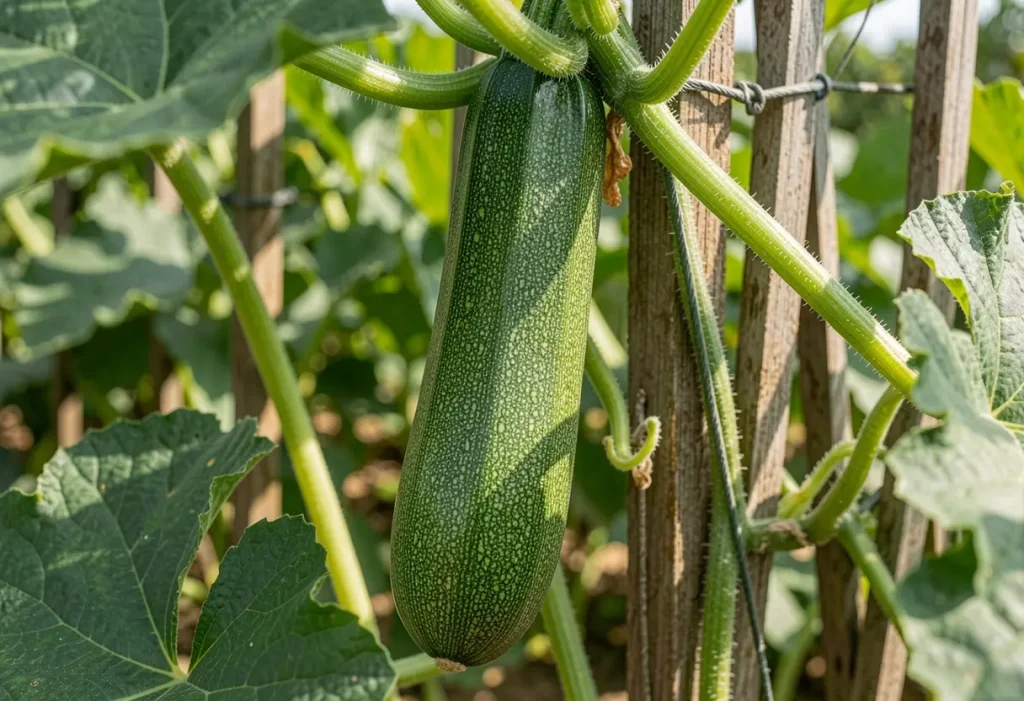
Training zucchini squash vines up a trellis saves space and boosts air flow. This method helps keep fruits clean and healthy. Vines grow strong and easier to manage when trained properly. Follow simple steps to guide your zucchini up the trellis smoothly.
Begin training vines once they reach about 12 inches long. At this stage, the vines are flexible and easy to move. Early training helps avoid damage and tangling. Check your plants daily for new growth to keep up.
Use soft ties or garden twine to secure vines gently. Tie loosely to avoid cutting into the stems. Wrap the vine around the trellis in a spiral pattern. Space ties every 6 to 8 inches for good support.
Heavy zucchini can pull vines down without extra help. Use slings made from cloth or netting to hold fruits. Place the sling under the fruit and tie it to the trellis. This prevents damage and keeps fruits off the ground.
Proper watering and feeding are key for healthy zucchini squash on a trellis. These plants need regular moisture and nutrients to grow strong. Feeding helps produce more fruits and keeps leaves green. Watering and feeding together support good growth and prevent common problems.
Zucchini plants need steady watering. Water deeply once or twice a week. Avoid shallow watering that wets only the surface. Use drip irrigation or a soaker hose to keep water near roots. Water early in the day to reduce leaf diseases. Keep soil moist but not soggy. Check soil with your finger to see if it feels dry.
Mulch helps keep soil moist longer. Use straw, grass clippings, or shredded leaves around the base of plants. Mulch stops weeds that compete for water and nutrients. It also keeps soil temperature steady. Mulch prevents soil from splashing on leaves, reducing disease risk. Replenish mulch if it breaks down or blows away.
Feed zucchini with balanced fertilizer every 3 to 4 weeks. Choose fertilizer with equal parts nitrogen, phosphorus, and potassium. Too much nitrogen causes lots of leaves but few fruits. Use compost or well-rotted manure for natural feeding. Side-dress plants by sprinkling fertilizer near roots. Water after feeding to help nutrients soak in.
Growing zucchini on a trellis helps keep the plants healthy and saves space. Still, pests and diseases can harm your crop. Knowing how to control these problems helps you grow more zucchini. Act early to protect your plants and enjoy a good harvest.
Squash bugs are a big problem for zucchini. They suck sap from the leaves, making them wilt. Cucumber beetles chew leaves and spread diseases. Aphids gather on new leaves and stems, causing damage by feeding on plant juices. Spider mites cause small yellow spots on leaves and make webs. These pests reduce plant growth and fruit quality.
Keep your garden clean and remove old plants after harvest. Use row covers to protect young plants from insects. Plant zucchini in well-drained soil with good airflow. Space plants properly to reduce humidity and disease risk. Rotate crops each year to avoid pest build-up in the soil. Check plants regularly for signs of pests or disease.
Use insecticidal soap to control soft-bodied insects like aphids. Neem oil works well against many pests and has low toxicity. Handpick larger pests like squash bugs and beetles. Introduce natural predators such as ladybugs and lacewings to your garden. Spray plants early in the morning or late afternoon to avoid harming beneficial insects.
Harvesting zucchini squash grown on a trellis is key to getting the best yield. Picking at the right time keeps the plants healthy. It also encourages more fruit to grow. Careful harvesting helps you enjoy fresh zucchini longer.
Knowing when to pick and how to handle the fruit makes a big difference. You can also stretch the harvest season with simple steps. These tips help you get the most from your garden.
Pick zucchini when they are about 6 to 8 inches long. Smaller zucchinis taste better and have fewer seeds. Check your plants every two days. Zucchinis grow fast and can become too big quickly.
Early picking helps the plant focus on making new fruits. Avoid letting zucchinis grow too large. Big zucchinis may become tough and less tasty.
Use sharp scissors or pruning shears to cut the zucchini from the vine. Cut close to the stem but avoid damaging the plant. Handle the fruit gently to prevent bruising. Do not pull or twist the zucchini off.
Wear gloves if needed to protect your hands. Clean your tools before and after use. This prevents spreading diseases between plants.
Remove old or damaged leaves to improve air flow. This keeps the plant healthy and reduces pests. Water your plants regularly but avoid wetting the leaves. Mulch around the base to keep soil moist.
Plant zucchini in a sunny spot to encourage steady growth. Harvest often to stop fruits from getting too big. More frequent picking means more zucchini for your table.
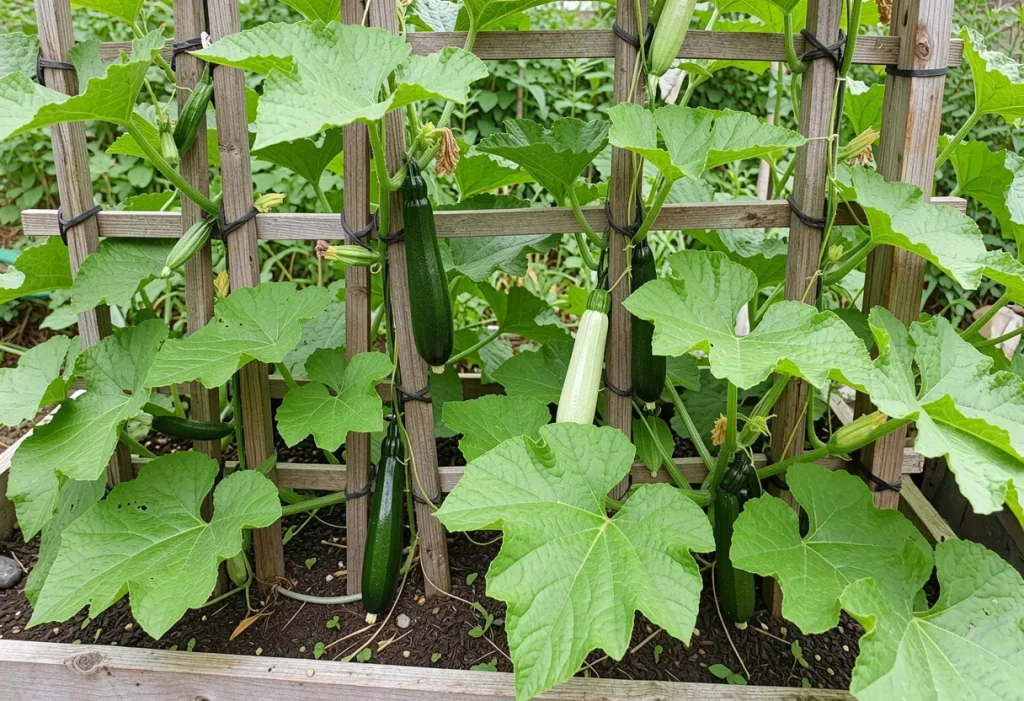
A trellis for zucchini should be about 4 to 6 feet tall. This height supports the plant well and keeps fruits off the ground.
Yes, zucchini grows well on vertical trellises. It saves space and improves air circulation around the plant.
A sturdy, strong trellis made of wood or metal works best. It must hold the weight of growing zucchini fruits.
Water zucchini deeply once or twice a week. Keep soil moist but not soggy for healthy growth.
Growing zucchini on a trellis helps fruits stay clean and firm. It reduces rot and pest problems, improving quality.
Growing zucchini squash on a trellis saves space and keeps plants healthy. Vines get good air flow and sunlight. Fruits stay clean and are easy to pick. This method helps avoid pests and diseases. Trellising also makes your garden look neat.
Try it to enjoy fresh, tasty zucchini all season. Small effort, big rewards. Give your plants room to climb and thrive. Watch your garden grow stronger every day.