Gardening Made Simple.
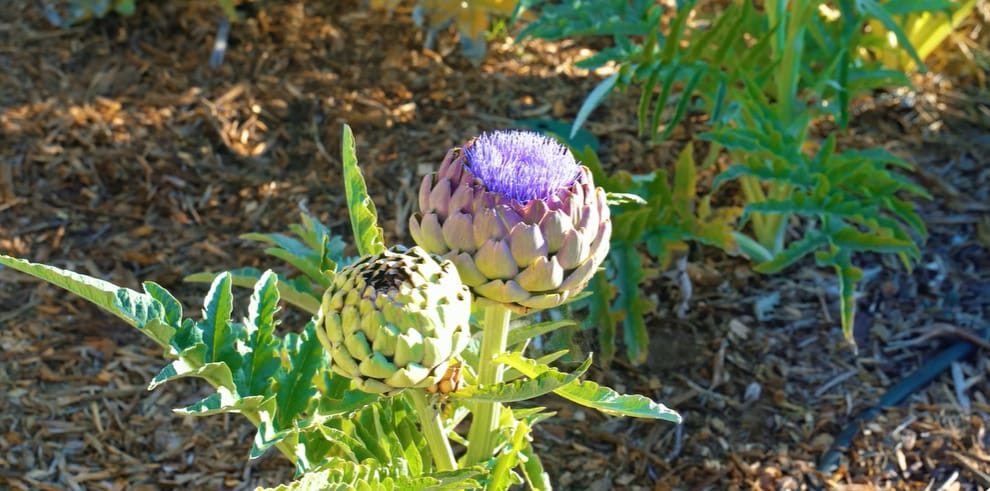
When are Artichokes in Season? Artichokes are typically in season from March to June and again from September to October, with peak harvest months falling in April and May. During these times, artichokes are at their freshest, most flavorful, and widely available, making it the best period to buy, cook, or harvest them.
Artichokes, known for their unique flavor and health benefits, thrive in temperate climates. These spiky vegetables are most abundant during spring and fall. California produces nearly all artichokes in the United States, thanks to its ideal growing conditions. Fresh artichokes are best enjoyed when in season, as they offer superior taste and texture.
Including them in your diet can provide essential nutrients like fiber, vitamin C, and antioxidants. When selecting artichokes, look for ones with tightly packed leaves and a vibrant green hue. Seasonal eating not only enhances flavor but also supports local agriculture and reduces environmental impact.
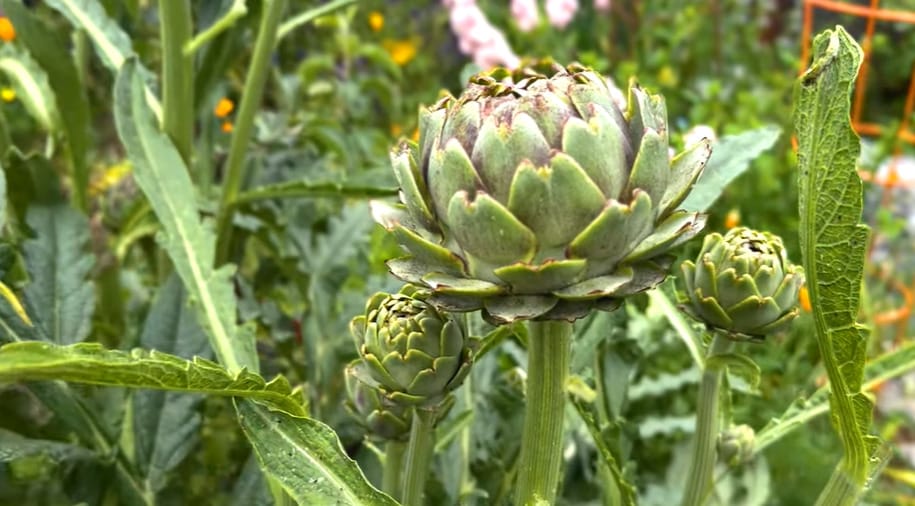
Artichokes are a unique and healthy vegetable. They have spiky leaves and a tender heart. Artichokes are often enjoyed steamed, grilled, or roasted. They are not only tasty but also packed with nutrients. Understanding their season can help you get the best flavor.
Artichokes are a type of thistle. They belong to the sunflower family. The part we eat is the flower bud. When the bud opens, it becomes inedible. Artichokes have a tough exterior. Inside, there is a soft, edible heart. The leaves also have a small, tender part. This makes them fun and interactive to eat.
Artichokes are full of nutrients. They are high in fiber. They also contain vitamins C and K. Artichokes provide a good amount of folate and magnesium. They are low in calories. This makes them a great choice for a healthy diet.
| Nutrient | Amount per 100g |
|---|---|
| Fiber | 5.4g |
| Vitamin C | 11.7mg |
| Vitamin K | 14.8µg |
| Folate | 68µg |
| Magnesium | 60mg |
Including artichokes in your diet can boost your health. They help in digestion due to their fiber content. They also support heart health. Artichokes are rich in antioxidants. This helps protect your cells from damage.
Understanding the peak seasons for artichokes can help you enjoy their best flavor. Artichokes have two main harvest seasons: spring and fall. Let's dive into each season to see when you can find the freshest artichokes.
The spring harvest is when artichokes are first available in abundance. This season typically begins in March and lasts until May. During this time, artichokes are at their most tender and flavorful.
| Month | Availability |
|---|---|
| March | High |
| April | High |
| May | Medium |
Spring artichokes are often larger and more vibrant. The mild weather conditions contribute to their quality. This makes spring an ideal time to enjoy fresh artichokes in salads, dips, and main dishes.
The fall harvest is the second season for artichokes. This season usually starts in September and goes through November. Fall artichokes are also delicious, with a slightly different flavor profile.
| Month | Availability |
|---|---|
| September | High |
| October | High |
| November | Medium |
During the fall, artichokes tend to be smaller but still very tasty. They are perfect for roasting or grilling, bringing out their unique flavors. The cooler weather during fall helps maintain their crisp texture.
Whether in spring or fall, knowing the peak seasons for artichokes ensures you get the freshest produce. Enjoy these delicious vegetables at their best by planning your meals around these harvest times.
Artichokes, those spiky, green gems, have specific growing seasons. These seasons vary by region due to climate and soil conditions. Understanding these regional growing seasons helps in choosing the freshest artichokes for your table.
California is the leading artichoke producer in the United States. The growing season in California runs from March to May and again from September to November. The cool, coastal climate of California provides perfect conditions for artichoke cultivation.
Key Growing Areas:
These counties have rich soil and mild temperatures. This combination ensures a steady supply of artichokes throughout the season.
| Month | Availability |
|---|---|
| March - May | High |
| September - November | Moderate |
The Mediterranean region, especially Italy, Spain, and France, is famous for artichokes. The growing season here begins in November and lasts until April. The warm, sunny climate and fertile soil make this region ideal for artichokes.
Key Growing Areas:
These areas are known for their traditional farming methods. This results in high-quality, flavorful artichokes.
| Month | Availability |
|---|---|
| November - April | High |
Choosing the best artichokes can be a fun task. Fresh artichokes have specific features that make them stand out. Knowing how to identify the best ones ensures a delicious meal.
Fresh artichokes have tight, compact leaves. These leaves should squeak when squeezed. Look for vibrant green color and avoid any brown spots.
Pick artichokes that feel heavy for their size. This means they have more moisture. A fresh artichoke has a firm stem. A soft stem indicates it is not fresh.
Overripe artichokes have loose, splayed leaves. They may also appear dry or shriveled. Avoid artichokes with black or dark brown spots.
Feel the stem of the artichoke. If it is soft or mushy, it is overripe. Overripe artichokes will have a dull color and lack the vibrant green.
| Feature | Fresh Artichoke | Overripe Artichoke |
|---|---|---|
| Leaves | Tight and compact | Loose and splayed |
| Color | Vibrant green | Dull with spots |
| Weight | Heavy for size | Light and dry |
| Stem | Firm | Soft or mushy |
By knowing these tips, you can easily choose the best artichokes. This ensures your dishes are tasty and fresh.
Artichokes are a versatile and nutritious vegetable, but they can spoil quickly if not stored properly. Knowing the best ways to store artichokes can help you enjoy their unique flavor and health benefits for longer periods.
For short-term storage, keep your artichokes in the refrigerator. They stay fresh for up to a week. Start by sprinkling the artichokes with a little water. Then, place them in a plastic bag with holes for ventilation. This helps maintain moisture and prevent wilting.
If you wish to store artichokes for a longer period, freezing is an excellent option. Begin by trimming the outer leaves and cutting off the top. Blanch the artichokes in boiling water for 3-4 minutes. Immediately place them in ice water to stop cooking. Once cooled, pat them dry and place them in airtight containers or freezer bags.
For optimal quality, consume frozen artichokes within six months. Properly storing artichokes ensures you can enjoy their delicious taste and benefits year-round.
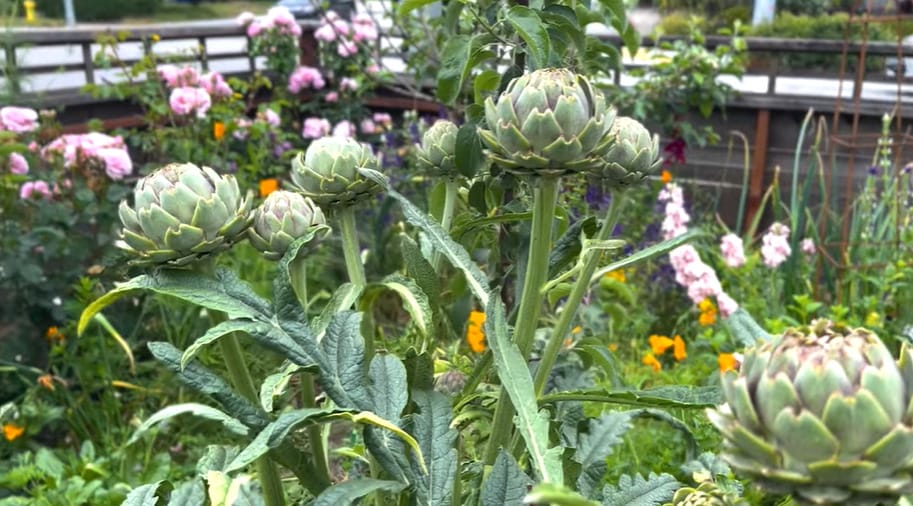
Artichokes are a nutritious and delicious vegetable. Preparing them can be easy and fun. This guide will walk you through trimming and cooking methods.
Trimming artichokes is the first step. Follow these simple steps:
Trimming makes the artichoke easier to eat. It also removes thorny parts.
There are several ways to cook artichokes. Choose one that suits you best:
Each method brings out different flavors and textures. Experiment to find your favorite.
| Cooking Method | Time Required | Best For |
|---|---|---|
| Boiling | 30-40 minutes | Soft, tender artichokes |
| Steaming | 25-35 minutes | Maintaining nutrients |
| Grilling | 10-15 minutes per side | Smoky flavor |
| Roasting | 40-45 minutes | Crispy texture |
Try these methods to enjoy your artichokes. They are healthy and tasty!
Artichokes are a versatile vegetable enjoyed in many dishes. When artichokes are in season, they are fresh and flavorful. Here are some popular recipes you can try. These recipes are easy and delicious.
Stuffed artichokes are a classic dish. The artichoke is filled with breadcrumbs, cheese, and herbs. This dish is savory and satisfying.
Instructions:
Artichoke dip is a popular appetizer. It's creamy and full of flavor. Serve it with crackers or bread.
Instructions:
Artichokes are not only delicious but also packed with numerous health benefits. They are rich in essential nutrients, making them a wonderful addition to any diet. Let's explore the health benefits of artichokes in more detail.
Artichokes are high in dietary fiber, which helps support digestive health. Fiber aids in regular bowel movements and prevents constipation. One medium artichoke contains about 7 grams of fiber, which is 28% of the daily recommended intake.
Artichokes are rich in antioxidants, which help protect the body from free radicals. Free radicals can cause cellular damage, leading to various diseases. The antioxidants in artichokes include vitamin C, quercetin, and anthocyanins.
| Antioxidant | Benefit |
|---|---|
| Vitamin C | Boosts the immune system |
| Quercetin | Reduces inflammation |
| Anthocyanins | Protects cells from damage |
Including artichokes in your diet can help you stay healthy and vibrant.
Artichokes are a delicious and nutritious vegetable. They are best enjoyed in season. Knowing when to buy and how to select them ensures you get the best quality. Below, find useful tips on buying artichokes and understanding their seasonal availability.
Understanding when artichokes are in season helps you enjoy their best flavor. Below is a table showing their peak seasons:
| Month | Availability |
|---|---|
| March | Peak Season |
| April | Peak Season |
| May | Peak Season |
| June | Late Season |
| July | Off Season |
| August | Off Season |
| September | Early Season |
| October | Early Season |
By knowing the peak months, you can enjoy the freshest artichokes. This ensures the best taste and nutritional benefits.
Artichokes are in season from March to June and again from September to November.
In certain climates, artichokes can be grown year-round, but they peak during their primary seasons.
Artichokes grow best in regions with mild winters and cool summers, such as coastal California.
Choose artichokes that are firm, heavy for their size, and have tightly packed leaves.
Artichokes are rich in antioxidants, fiber, and vitamins, promoting liver health and aiding digestion.
Artichokes are best enjoyed during their peak seasons in spring and fall. Knowing when they are in season helps you get the freshest produce. Enjoy the rich flavors and health benefits that artichokes offer by choosing them at the right time.
Savor this versatile vegetable in your favorite dishes all year round.