Gardening Made Simple.
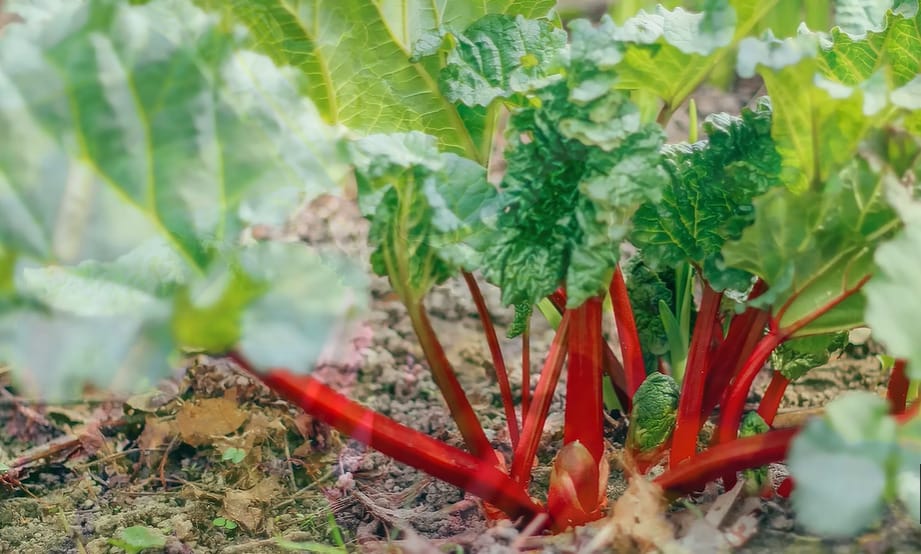
Rhubarb is in season from April to June, making spring and early summer the ideal time for harvest. Knowing When is Rhubarb in Season helps you pick the stalks at their peak flavor and ensures the best taste for pies, jams, and other delicious recipes.
Rhubarb, known for its tart flavor, peaks between April and June. This perennial plant thrives in cooler climates and is commonly used in desserts and sauces. Fresh rhubarb stalks have a crisp texture and a vibrant red color, making them a favorite for pies, crumbles, and jams.
Early spring harvest ensures the best quality and taste. Farmers and gardeners often look forward to this season to enjoy the unique flavor of rhubarb. Including rhubarb in your recipes adds a tangy twist, enhancing both sweet and savory dishes. For the freshest rhubarb, visit local farmers' markets during its peak season.
Rhubarb is a unique and vibrant plant, known for its tart flavor and bold color. This plant is often used in desserts and savory dishes, making it a versatile addition to your kitchen. In this blog post, we'll explore when rhubarb is in season and why it's worth adding to your diet.
Rhubarb is a perennial vegetable, though many treat it as a fruit. Its stalks are the edible part and are often red or green. The leaves are toxic and should not be eaten.
Rhubarb thrives in cooler climates and is commonly found in gardens and farms. It has a tart taste, often balanced with sugar in recipes. People use rhubarb in pies, jams, and even savory dishes.
Rhubarb is low in calories and packed with essential nutrients. Below is a table highlighting its key nutritional benefits:
| Nutrient | Amount per 100g |
|---|---|
| Calories | 21 kcal |
| Vitamin K | 26 mcg |
| Fiber | 1.8 g |
| Vitamin C | 8 mg |
| Calcium | 86 mg |
Rhubarb is also rich in antioxidants, which help fight free radicals. These antioxidants can improve overall health and reduce inflammation.
Including rhubarb in your diet can boost your overall wellness. Its unique flavor and health benefits make it a fantastic addition to any meal.
Understanding the growing conditions for rhubarb is crucial for a successful harvest. Rhubarb thrives in specific climates and requires particular soil conditions to flourish. Let's dive into the ideal climate and soil requirements for growing this unique plant.
Rhubarb grows best in cooler climates. It requires a cold winter to thrive. The plant needs temperatures below 40°F during winter to break dormancy.
During the growing season, rhubarb prefers temperatures between 60°F and 70°F. This ensures healthy stalk development. High temperatures can stress the plant and reduce yields.
| Climate Requirement | Optimal Range |
|---|---|
| Winter Temperature | Below 40°F |
| Growing Season Temperature | 60°F - 70°F |
Rhubarb prefers well-drained soil. The soil pH should be between 6.0 and 6.8. This range ensures nutrient availability.
Organic matter improves soil structure. Adding compost or manure helps retain moisture. Avoid waterlogged conditions. Rhubarb roots are prone to rot in wet soil.
Here is a quick checklist for soil requirements:
Ensure these conditions for a thriving rhubarb plant. Proper soil and climate are keys to a successful harvest.
Rhubarb is a beloved plant with bright red stalks and large green leaves. Knowing when to harvest rhubarb is key for enjoying its unique flavor. Let's explore the best times to pick rhubarb.
The prime time to harvest rhubarb is in the spring. From late April to early June, rhubarb stalks are tender and juicy. Harvesting in spring ensures the best taste and texture.
Here are some tips for a successful spring harvest:
Rhubarb can also be harvested in the fall. This secondary harvest usually occurs in September or October. Fall rhubarb is often less tender but still flavorful.
Keep these tips in mind for fall harvesting:
Refer to the table below for a quick comparison of spring and fall harvest times:
| Season | Harvest Time | Notes |
|---|---|---|
| Spring | Late April to Early June | Tender and juicy stalks |
| Fall | September to October | Stronger taste |
Whether in spring or fall, harvesting rhubarb at the right time ensures the best flavor and quality.
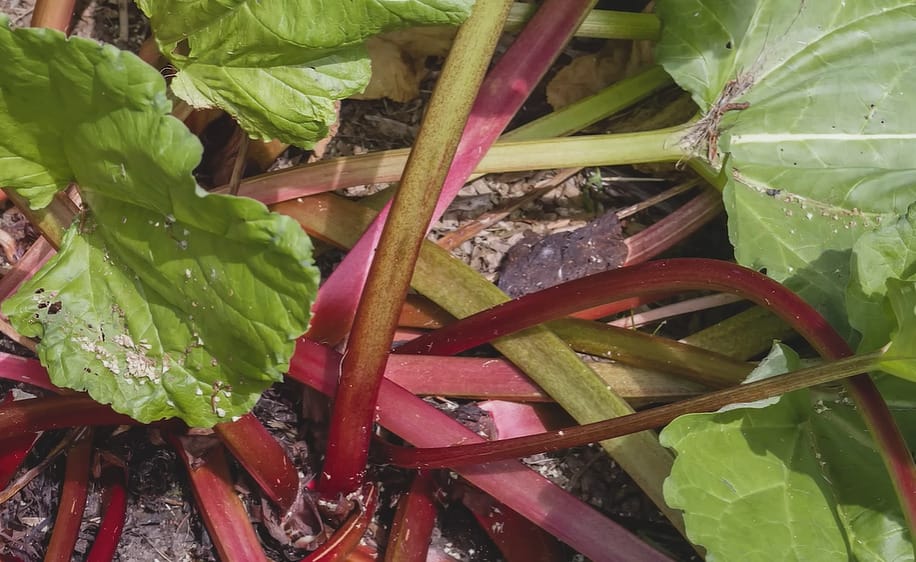
Identifying the right time to harvest rhubarb is crucial. Freshly harvested rhubarb tastes sweet and tangy. Knowing the signs ensures you get the best flavor and texture.
One major sign that rhubarb is ready is the size of the stalks. Rhubarb stalks should be at least 10 inches long. Longer stalks indicate maturity and readiness for harvest.
| Stalk Length | Harvest Readiness |
|---|---|
| Less than 10 inches | Not Ready |
| 10 inches or more | Ready |
Another important sign is the color of the stalks. Look for stalks that are vibrant red or pink. These colors indicate that the rhubarb is at its peak.
Check the base of the stalks too. A deep red color at the base suggests full ripeness.
Rhubarb is a unique and delicious plant. Harvesting it correctly ensures the best taste and longest life for the plant. This section covers the best techniques for harvesting rhubarb effectively.
Use a sharp knife or garden shears to cut the stalks. Cut the stalks at the base. Aim for a clean cut to avoid damaging the plant.
Harvest stalks that are at least 10-15 inches long. Do not harvest too many stalks from one plant. Aim to leave at least a third of the plant intact.
This ensures the plant stays healthy and can regrow quickly.
Do not pull the stalks from the plant. Pulling can damage the roots and crown of the rhubarb. Always use a sharp tool to cut the stalks.
Remove any leaves from the harvested stalks. The leaves are toxic and should not be eaten. Discard them safely away from pets and children.
Check the plant regularly for any signs of damage or disease. Healthy plants produce the best stalks for harvest.
| Technique | Instructions |
|---|---|
| Proper Cutting | Use a sharp knife or garden shears. Cut at the base. |
| Avoiding Damage | Do not pull stalks. Always use a sharp tool. |
| Removing Leaves | Leaves are toxic. Discard them safely. |
Proper post-harvest care is essential for preserving rhubarb's freshness. After harvesting, you must store and handle rhubarb correctly. This helps maintain its flavor and nutritional value.
To keep rhubarb fresh, follow these simple storage tips:
Rhubarb can stay fresh in the fridge for up to two weeks.
If you want to keep rhubarb longer, freezing is a great option:
Frozen rhubarb can last up to one year when stored properly.
Rhubarb is a versatile plant known for its tart flavor. There are many varieties that differ in color, taste, and growth patterns. Knowing the different types can help you choose the best one for your garden or kitchen.
| Variety | Flavor Profile |
|---|---|
| Victoria | Mildly tart, great for cooking |
| Canada Red | Sweeter, less tangy |
| Crimson Red | Very tart, ideal for desserts |
| German Wine | Mildly tart with a unique twist |
Each type of rhubarb brings its own unique flavor. Victoria is good for cooking, while Canada Red is sweeter. Crimson Red is very tart, making it perfect for desserts. German Wine offers a mild tartness with a unique taste.
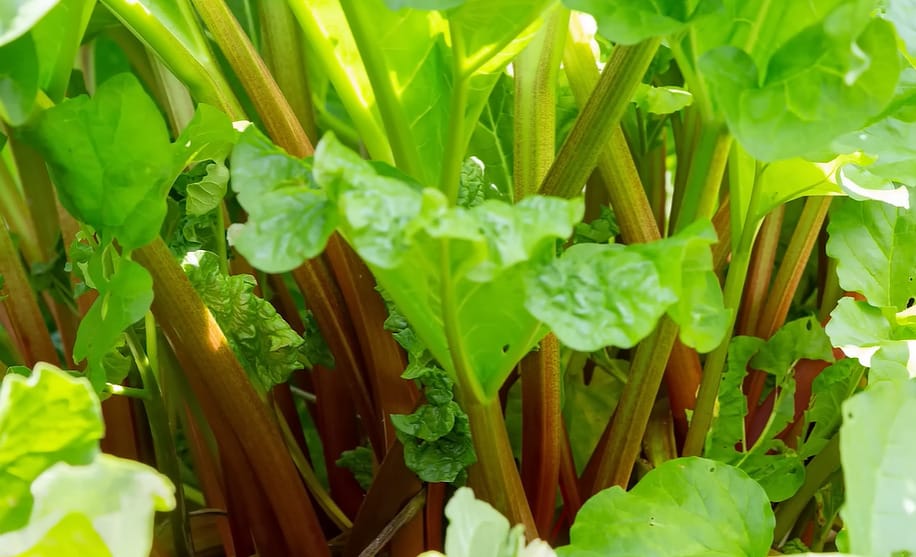
Rhubarb is a versatile ingredient, celebrated for its unique tartness. It can be used in a variety of dishes, both sweet and savory. Let's explore some of the most delightful ways to incorporate rhubarb into your culinary creations.
Rhubarb shines in desserts and sweets. Its tart flavor complements sugary ingredients perfectly.
These desserts bring out the best in rhubarb's natural tartness. They are easy to make and loved by kids and adults alike.
Rhubarb isn't just for sweets. Its unique flavor can enhance savory dishes as well.
These savory dishes show the versatility of rhubarb. They bring a unique flavor that can make meals more exciting.
Rhubarb is typically in season from April to June.
Yes, rhubarb can be harvested in early summer.
Rhubarb is ripe when stalks are firm and bright red.
No, rhubarb is a seasonal vegetable, available mainly in spring.
Rhubarb thrives in cool climates with full sun.
Rhubarb is typically in season from spring to early summer. Enjoy its tart flavor in various dishes. Remember to buy fresh rhubarb during its peak months. This ensures the best taste and nutritional value. Happy cooking and enjoy the unique taste of seasonal rhubarb!