Gardening Made Simple.
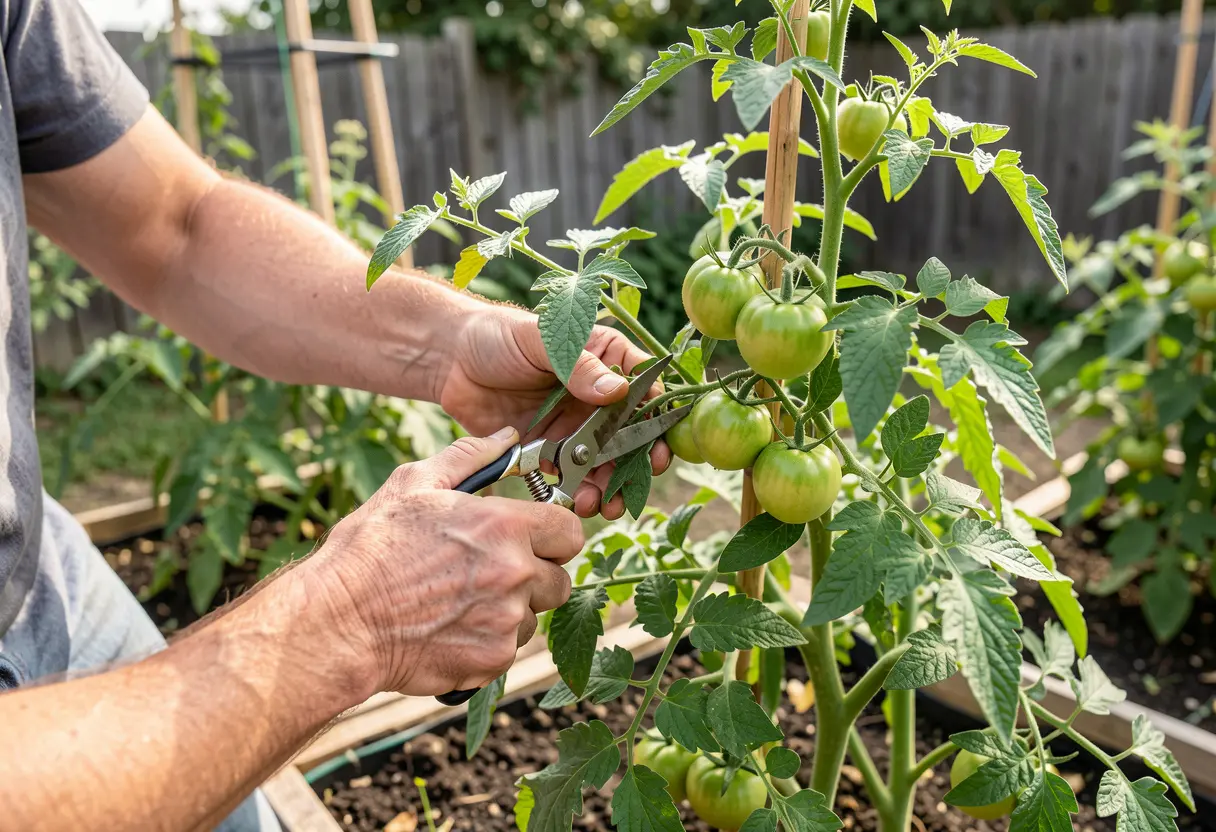
Are you ready to get the most out of your Roma tomato plants? How to Prune Roma Tomato Plants is the key to growing bigger, healthier tomatoes and ensuring your plants stay strong and productive all season.
When you know exactly how to prune your Roma tomato plants, you’ll see faster growth and tastier fruit. In this guide, you’ll discover simple, step-by-step tips that anyone can follow—no green thumb needed. Keep reading, and you’ll soon be picking juicy, homegrown Roma tomatoes right from your garden.
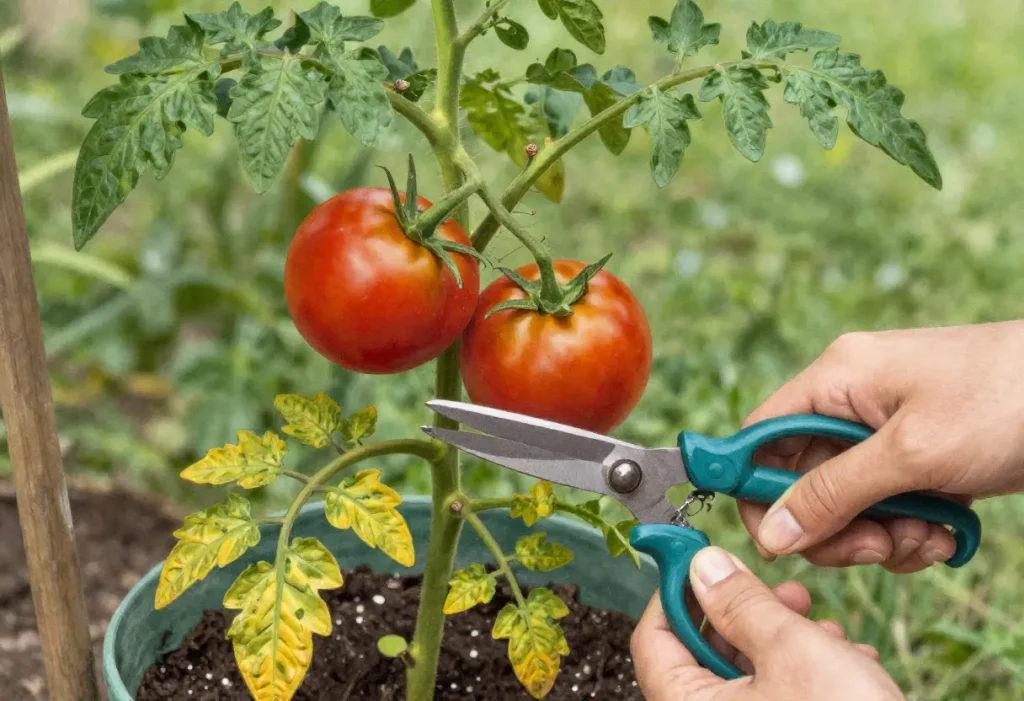
Pruning Roma tomato plants helps them grow healthier and produce better fruit. Removing extra leaves and stems allows the plant to focus energy on fruit development. It also improves air flow, which lowers the risk of disease. Pruned plants are easier to manage and harvest.
Pruning directs the plant’s energy to fewer fruits. This makes the tomatoes larger and tastier. The fruit ripens faster and evenly. Less crowded fruits reduce bruising and rot.
Removing old or weak stems prevents disease. Air circulates well around the plant. This cuts down mold and fungus growth. Healthy plants grow stronger and live longer.
Pruned plants get more sunlight on leaves and fruit. Sunlight is vital for photosynthesis and ripening. More light leads to better growth and sweeter tomatoes.
Pruned plants are less bushy. This makes watering and weeding simpler. Harvesting becomes quicker and less messy. It also helps spot pests early.
Prune Roma tomato plants early in the growing season to help shape them. Removing side shoots before flowers appear keeps plants healthy and productive. Pruning after fruit sets may reduce yield.
Pruning Roma tomato plants is best started early. Begin once the plant has 4 to 6 leaves. This helps shape the plant and improves air flow. Removing small suckers early stops overcrowding later. It also directs energy to main branches for better fruit growth.
Prune again before flowers appear. This step encourages stronger stems to support fruit. Remove weak or crowded branches carefully. It helps the plant focus on producing healthy tomatoes. Timing this right leads to bigger, better tomatoes.
Light pruning during fruit growth keeps plants healthy. Remove yellow or dead leaves gently. This reduces disease risk and allows sunlight to reach fruits. Avoid heavy pruning now to prevent stress. Gentle care here improves tomato quality and yield.
Pruning Roma tomato plants needs the right tools for best results. Using proper tools helps keep plants healthy and avoids damage. Clean, sharp tools make pruning easier and faster. These tools help remove unwanted leaves and stems carefully.
Pruning shears are the main tool for cutting stems. Choose shears with sharp blades for clean cuts. Dull blades can crush stems and harm the plant. Look for shears with comfortable handles for better grip.
Gloves protect your hands from dirt and scratches. Tomato plants have small hairs that can irritate skin. Use gloves made of breathable material for comfort. Gloves also keep your hands clean during pruning.
Disinfectant helps prevent disease spread between plants. Clean your pruning tools before and after use. Use rubbing alcohol or a mild bleach solution. This step keeps plants safe from infections.
A pruning knife helps with precise cuts on thick stems. It is useful for removing large or woody parts. Choose a knife with a sharp, sturdy blade. Always cut at an angle to protect the plant.
Pruning Roma tomato plants helps them grow strong and produce more fruit. A key step is to identify suckers and leaves that need removal. This helps the plant focus energy on healthy growth and fruit development.
Suckers are small shoots that grow between the main stem and branches. Removing these stops the plant from becoming crowded. Some leaves can also block sunlight or trap moisture. Taking off these leaves improves air flow and sun exposure.
Suckers grow in the joint between the main stem and a branch. They look like tiny stems with leaves. They often grow fast and take energy from fruit production. Removing them keeps the plant tidy and focused on fruit.
Leaves that are yellow, brown, or damaged should be removed. These leaves no longer help the plant. Large leaves that block sunlight from fruits or lower leaves near the ground also go. Removing these helps air flow and stops disease.
Use clean, sharp scissors or pruning shears. This makes clean cuts and avoids plant damage. Sterilize tools before use to prevent spreading disease. Always cut close to the stem without harming it.
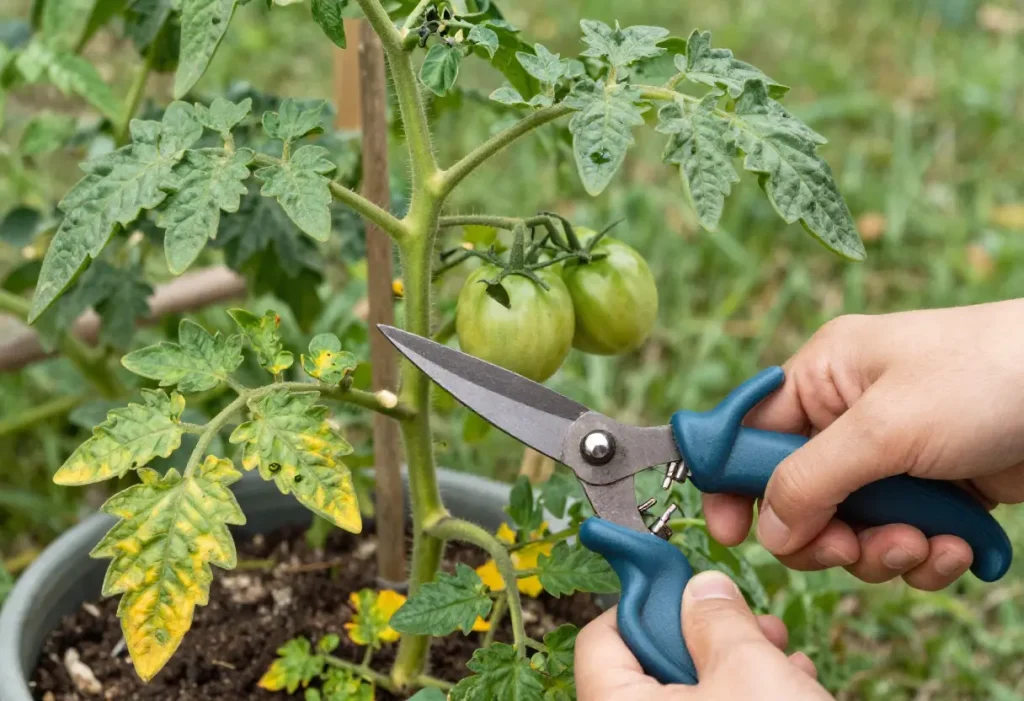
Pruning Roma tomato plants helps them grow healthy and produce more fruit. The process is simple if done step-by-step. Follow each step carefully for best results.
Start by watering the plant lightly. This makes the leaves soft and easier to prune. Use clean, sharp scissors or pruning shears. Avoid damaging the main stem. Work in a well-lit area for clear visibility.
Cut off leaves near the base of the plant. These leaves often touch the soil and can carry diseases. Remove leaves that look yellow or unhealthy. Leave healthy leaves higher up to keep the plant strong.
Suckers grow between the main stem and branches. These small shoots take energy from the plant. Pinch or cut them off when they are small. Removing suckers helps the plant focus on fruit growth.
Trim the plant to keep a balanced shape. Remove any crowded or crossing branches. Keep the plant open to air and sunlight. A well-shaped plant reduces disease and grows better fruit.
Pruning Roma tomato plants regularly keeps them healthy and productive. It helps air flow, reduces disease, and directs energy to fruit growth. Knowing how often to prune and maintaining the plants is key for a good harvest.
Prune your Roma tomatoes once a week during the growing season. This keeps the plant tidy and stops overgrowth. Check for new shoots and remove small suckers below the first flower cluster.
Look over your plants daily for dead or yellow leaves. Remove these to prevent disease. Keep the area around the plant clear of weeds and fallen leaves.
Prune when the plant looks crowded or leaves block sunlight. If stems cross or grow inward, cut them back. Remove any suckers that grow between the main stem and branches.
Use clean, sharp scissors or pruning shears. Clean tools after each use to avoid spreading disease. Wear gloves to protect your hands from scratches.
Pruning Roma tomato plants can boost fruit growth and keep plants healthy. Avoiding common mistakes helps your plants thrive. Mistakes can slow growth or cause diseases. Knowing what to avoid saves time and effort.
Removing too many leaves or stems can stress the plant. Plants need leaves to make food from sunlight. Cut only the suckers or small branches that block airflow. Leave enough leaves to keep the plant strong.
Pruning when plants are wet spreads diseases easily. Wet cuts invite fungi and bacteria. Always prune in dry weather or early morning. Use clean, sharp tools to make smooth cuts.
Suckers grow between the main stem and branches. They take energy away from fruit production. Removing suckers helps the plant focus on growing tomatoes. Check plants often to catch suckers early.
Late pruning can stop fruit from forming. Prune early in the growing season. This helps plants grow strong and produce more fruit. Stop pruning about a month before harvest.
Dirty tools spread diseases between plants. Clean tools with rubbing alcohol before pruning. This protects your plants from infections. Keep tools sharp to make clean cuts.
Pruning Roma tomato plants has a strong effect on both yield and fruit quality. Removing extra leaves and suckers helps the plant focus its energy. The plant sends more nutrients to fewer fruits. This improves the size and taste of tomatoes.
Pruning also improves air flow and sunlight exposure. Good air flow reduces disease risk. Sunlight helps fruits ripen evenly. Healthier plants produce better tomatoes.
Pruning cuts off unnecessary growth. The plant grows fewer but stronger branches. This causes more flowers to turn into fruit. The total number of tomatoes increases. Pruned plants often produce more fruit than unpruned ones.
With fewer fruits to feed, the plant grows larger tomatoes. These fruits taste sweeter and have better texture. Pruning helps tomatoes get enough sunlight. This enhances their color and flavor too.
Pruning opens up the plant’s canopy. Air moves freely around leaves and stems. This lowers humidity and stops mold or fungus growth. Healthier plants mean stronger fruits and less crop loss.
Pruned plants ripen fruit faster. Sunlight reaches fruits more evenly. This helps tomatoes mature at the same time. Harvest becomes easier and more efficient.
Healthy Roma tomato plants need more than just pruning. Several care steps help them grow strong and produce tasty fruit. Follow these simple tips to keep your plants vibrant and full of life. Strong plants resist pests and diseases better. They also yield more tomatoes for your kitchen.
Water Roma tomato plants deeply but less often. This encourages strong roots. Avoid wetting leaves to stop fungal diseases. Early morning is the best time to water. It lets leaves dry during the day.
Apply mulch around your plants. Mulch keeps soil moist and cool. It also stops weeds from growing. Use straw, shredded leaves, or grass clippings. Keep mulch a few inches away from the stem.
Feed Roma tomatoes with balanced fertilizer. Use one with equal nitrogen, phosphorus, and potassium. Apply fertilizer every 3-4 weeks during growing season. This supports healthy leaves and big fruits.
Check plants often for bugs or damage. Early spotting helps control pests faster. Pick off insects by hand if possible. Use natural sprays like neem oil for bigger problems. Healthy plants recover better from pest attacks.
Use stakes or cages to support Roma tomatoes. This keeps fruits off the ground. It prevents rotting and makes harvesting easier. Tie stems gently to supports with soft ties. Avoid tight knots that can damage plants.
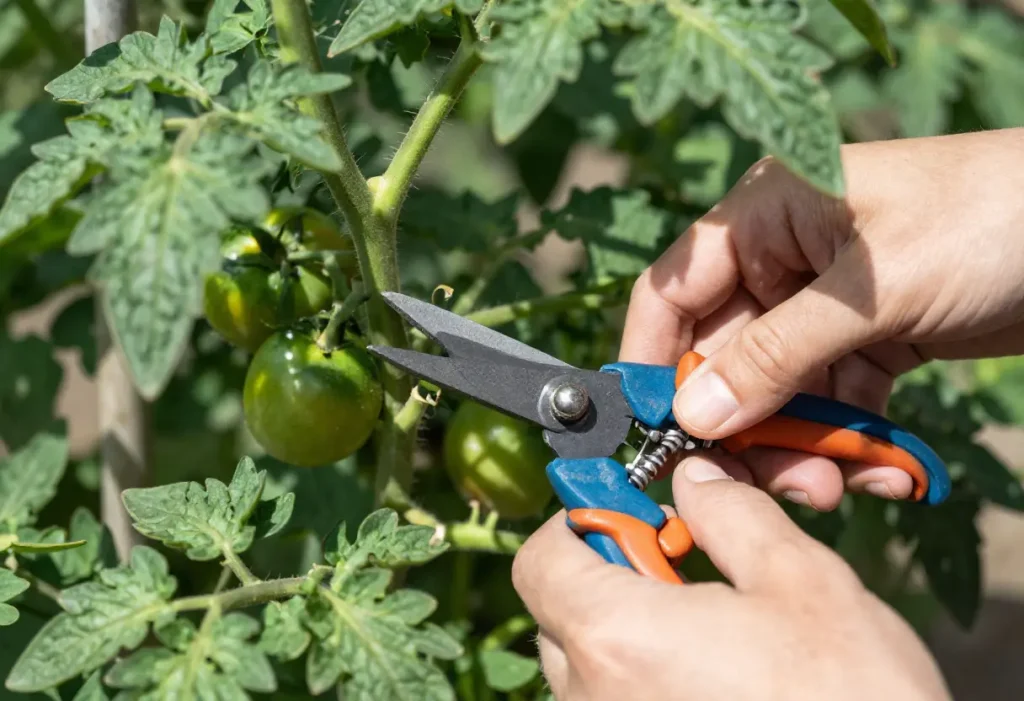
Prune Roma tomato plants every 1-2 weeks during the growing season. This helps remove dead or weak stems. It also improves air flow and fruit growth.
Use clean, sharp garden scissors or pruning shears. Clean tools reduce plant damage and disease risk. Avoid tearing stems to keep plants healthy.
Remove suckers growing between the main stem and branches. Also cut off yellow or dead leaves. This focuses energy on fruit production and plant health.
Prune early in the morning or late afternoon. Avoid pruning in strong sun to reduce plant stress. Regular pruning from early growth supports better harvests.
Yes, pruning directs the plant's energy to fewer fruits. This often results in larger, healthier tomatoes. It also helps plants produce better-quality fruit overall.
Pruning Roma tomato plants helps them grow strong and healthy. Cut small branches to let air and sunlight reach the main stems. This reduces disease and helps tomatoes ripen faster. Regular pruning keeps plants tidy and makes harvesting easier. Watch your plants often and remove weak or crowded growth.
Simple steps make a big difference in your tomato harvest. Keep it easy, and enjoy fresh, tasty Roma tomatoes from your garden.