Gardening Made Simple.

Fertilize your potatoes in the bag when they sprout and reach about 6 inches tall, and repeat every 4–6 weeks throughout the growing season. Knowing When to Fertilize Potatoes in the Bag ensures strong, healthy growth and a bountiful harvest of nutrient-rich potatoes.
Growing potatoes in bags is an excellent way to maximize space and yield. This method ensures better drainage and easier access to your plants. Fertilizing at the right time is crucial for healthy growth and a bountiful harvest. Start by applying a balanced fertilizer when the plants reach about 6 inches tall.
Continue fertilizing every 4-6 weeks to support continuous growth. This practice helps provide essential nutrients, promoting robust tubers and an abundant crop. Consistent care and proper fertilization lead to healthier plants and a more productive garden. Happy gardening!
Potatoes need the right fertilizer to grow strong and healthy. The correct choice can make a big difference. In this section, we'll discuss two main types of fertilizers and their nutrient composition.
Organic fertilizers come from natural sources. They include compost, manure, and bone meal. These options are eco-friendly and add organic matter to the soil. This helps improve soil structure and water retention.
Synthetic fertilizers are made from chemicals. They provide nutrients quickly. These fertilizers are easy to apply and often less expensive. But, they do not improve soil health in the long run.
Potatoes need three main nutrients: nitrogen (N), phosphorus (P), and potassium (K). These nutrients help the plant grow leaves, roots, and tubers.
Organic fertilizers often have a lower nutrient concentration. But they release nutrients slowly over time. This provides a steady supply of food for your potatoes.
Synthetic fertilizers usually have a higher concentration of nutrients. They provide a quick nutrient boost. But they can also lead to nutrient imbalances if overused.
| Type | Source | Pros | Cons |
|---|---|---|---|
| Organic | Natural | Eco-friendlyImproves soil health | Lower nutrient concentrationSlower nutrient release |
| Synthetic | Chemical | Quick nutrient boostEasy to apply | Does not improve soil healthCan lead to nutrient imbalances |
Choosing the right fertilizer for your potatoes in a bag is crucial. Consider the pros and cons of each type. Look at the nutrient composition to meet your plants' needs. This will ensure a bountiful and healthy potato harvest.
Preparing the soil is crucial for healthy potato growth in bags. Ensure the soil is rich and well-balanced. Follow these steps for the best results.
Before planting, test the soil pH. Potatoes thrive in soil with a pH between 5.0 and 6.0. Use a soil test kit to check the pH level.
Amending the soil ensures potatoes get the nutrients they need. Add organic matter to improve soil structure and fertility.
| Material | Purpose |
|---|---|
| Compost | Increases nutrient content |
| Peat Moss | Improves water retention |
| Sand | Enhances drainage |
Mix these materials into the soil. This creates an ideal environment for potato growth.
Ensure the soil is well-mixed and ready for planting. Well-prepared soil leads to healthier potato plants.
Planting potatoes in bags is an easy and space-saving method. It ensures a good yield even in small gardens. Follow these steps to get a healthy potato crop.
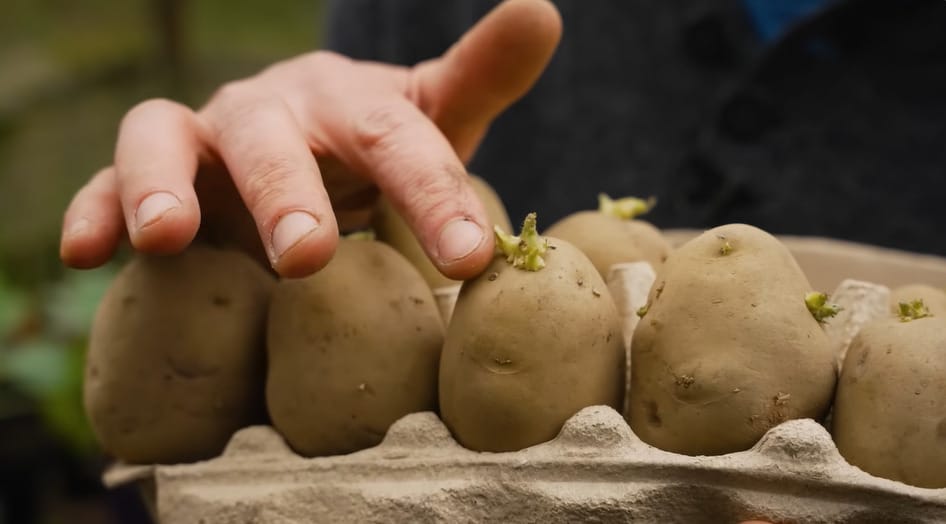
Choose seed potatoes from a reliable source. Pick disease-free and certified seed potatoes. Look for small potatoes with multiple eyes. These eyes will sprout and grow into new plants.
Cut large seed potatoes into smaller pieces. Ensure each piece has at least one or two eyes. Let these pieces dry for a day before planting.
Fill your bag with about 4 inches of soil. Place the seed potatoes on the soil. Ensure the eyes face upwards.
Cover the seed potatoes with 2-3 inches of soil. As the plants grow, add more soil. Keep adding soil until the bag is full. This encourages the growth of more tubers.
Maintain a spacing of at least 12 inches between each seed potato. This spacing ensures each plant gets enough room to grow.
Water the soil well after planting. Keep the soil moist but not soggy.
Fertilizing your potatoes in the bag is crucial for healthy growth. The initial fertilization sets the stage for a bountiful harvest. Proper timing and dosage ensure your potatoes get the nutrients they need.
The best time to apply the initial fertilizer is when planting the seed potatoes. This helps in kickstarting their growth. Ensure you mix the fertilizer well with the soil. This way, the nutrients reach the young roots quickly.
Use a balanced fertilizer, such as 10-10-10, for your potatoes. Apply about 1 tablespoon of fertilizer per gallon of soil. For example, if your bag holds 5 gallons of soil, use 5 tablespoons of fertilizer. Here’s a quick reference table:
| Soil Volume (gallons) | Fertilizer Amount (tablespoons) |
|---|---|
| 1 gallon | 1 tablespoon |
| 3 gallons | 3 tablespoons |
| 5 gallons | 5 tablespoons |
Important: Avoid over-fertilizing, as this can damage the roots and reduce yield.
Follow these steps for the best results:
By following these guidelines, your potatoes will grow strong and healthy.
Mid-growth fertilization is crucial for healthy potato growth. Potatoes need extra nutrients during this stage. Proper fertilization ensures they grow big and strong. This section covers signs of nutrient deficiency and best practices for mid-growth fertilization.
Recognizing nutrient deficiencies early can save your potato crop. Here are some common signs:
Watch for these signs to keep your potatoes healthy. Address any deficiencies quickly for the best results.
Follow these best practices to fertilize your potatoes during mid-growth:
Here is a simple fertilization schedule:
| Growth Stage | Fertilizer Type | Application Rate |
|---|---|---|
| Planting | Starter Fertilizer | 5-10-10 |
| Mid-Growth | Balanced Fertilizer | 10-10-10 |
| Flowering | High Potassium | 5-10-15 |
Stick to this schedule for optimal potato growth. Your potatoes will thrive with proper care.
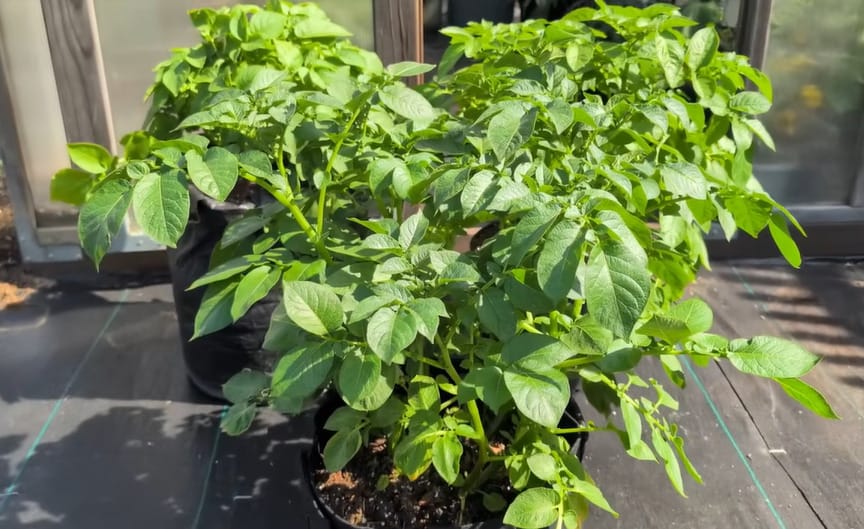
Foliar feeding is a method of fertilizing potatoes by spraying nutrients directly onto the leaves. This technique helps plants absorb nutrients quickly and efficiently. Foliar feeding can boost growth and yield when done correctly.
Foliar feeding offers many benefits for potato plants. Here are some key advantages:
Applying foliar feed to potato plants is straightforward. Follow these steps:
Foliar feeding can be a great way to keep your potato plants healthy and productive. Try it out and see the difference in your harvest!
Fertilizing potatoes during the flowering stage is crucial for their growth. This period is when the plants need extra nutrients to produce healthy tubers. Ensuring proper fertilization during flowering can lead to a bountiful harvest.
The flowering stage is a key growth phase for potatoes. During this time, the plants start to form tubers, which are the potatoes we eat. Proper fertilization ensures the tubers develop well and grow to their full potential. Without adequate nutrients, the tubers might be small or malformed.
Potatoes need essential nutrients like nitrogen, phosphorus, and potassium during flowering. These nutrients help in tuber development and overall plant health. Nitrogen supports leafy growth, phosphorus aids in root development, and potassium enhances tuber quality and size.
There are several methods to fertilize potatoes during flowering. Each method has its own benefits and can be chosen based on convenience and resource availability.
| Method | Description |
|---|---|
| Top Dressing | Apply fertilizer on the soil surface around the plants. |
| Foliar Feeding | Spray liquid fertilizer directly on the leaves. |
| Slow-Release Fertilizers | Use granules that release nutrients over time. |
Top Dressing: This method involves sprinkling fertilizer on the soil. It is easy and effective. Make sure the fertilizer does not touch the plant stems.
Foliar Feeding: Spray a liquid fertilizer on the leaves. This allows the plant to absorb nutrients directly through the foliage. It can provide a quick nutrient boost.
Slow-Release Fertilizers: These granules release nutrients gradually. They ensure a steady supply of nutrients during the flowering stage.
Choose the method that suits your needs and resources. Always follow the recommended dosage to avoid over-fertilization.
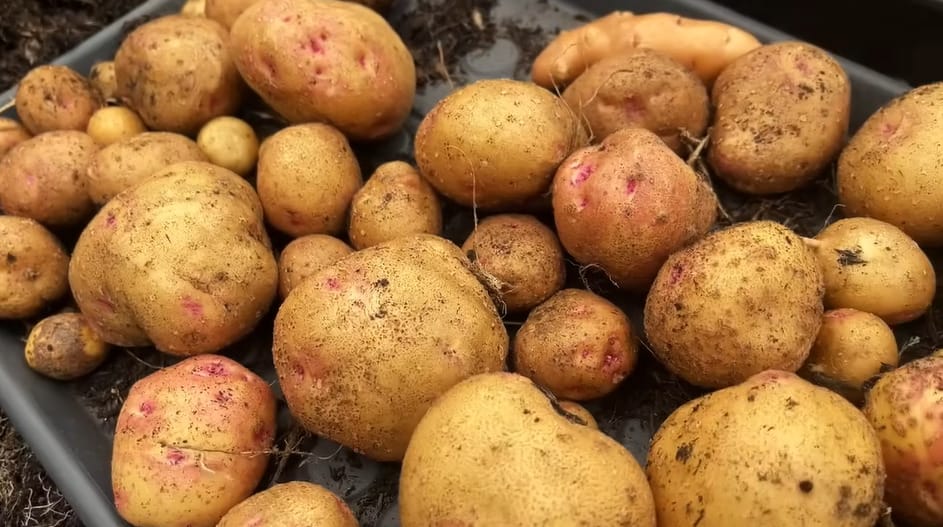
Fertilizing potatoes in bags can boost your harvest. Yet, some common mistakes can hinder growth. Let's explore these mistakes and learn how to avoid them.
One common mistake is over-fertilizing. Too much fertilizer can harm the potato plants. It can lead to excess foliage and fewer potatoes.
Too much nitrogen can cause lush leaves but small tubers. Always balance the nutrients.
Ignoring soil health is another mistake. Healthy soil is crucial for potato growth. Ensure the soil is well-drained and rich in organic matter.
| Soil Health Tips |
|---|
| Use compost to enrich the soil. |
| Check the pH level of the soil. |
| Rotate crops to prevent soil depletion. |
Poor soil health can lead to weak plants and low yield. Always maintain soil quality for a better harvest.
Fertilize when plants are 6 inches tall. Use a balanced fertilizer.
Fertilize every 4-6 weeks during the growing season for optimal growth.
Use a balanced, slow-release fertilizer with equal parts nitrogen, phosphorus, and potassium.
Yes, over-fertilizing can lead to poor growth and reduced yields. Follow recommended guidelines.
Yes, water thoroughly after fertilizing to help nutrients reach the roots.
Fertilizing potatoes in bags ensures healthy growth and a bountiful harvest. Apply fertilizer at planting and during growth stages. Consistent feeding helps produce robust, flavorful potatoes. Remember to monitor soil moisture and nutrient levels. Proper care and timing lead to successful potato cultivation in bags.
Happy gardening!