Gardening Made Simple.
Have you ever wondered how a tiny seed turns into the crunchy carrot you enjoy? Understanding the Stages of Carrot Growth can help you grow a healthier garden and better appreciate the full journey from seed to harvest.
Knowing what happens at each step lets you take better care of your carrots and get the best results. You’ll discover the key phases of carrot growth, what to expect, and how to support your plants along the way. Keep reading to unlock the secrets that turn small seeds into vibrant, tasty carrots!
Choosing the right seeds is the first step in growing healthy carrots. Seeds determine the type, size, and flavor of your carrots. Good seed selection saves time and effort later in the garden. Understanding what to look for helps ensure a strong start for your carrot plants.
Carrot varieties differ in color, size, and taste. Some grow fast, while others take longer. Select varieties suited to your climate and soil. Shorter varieties work well for shallow soil. Tall varieties need deep, loose soil to grow straight and long. Pick a variety that fits your cooking needs and space.
High-quality seeds have a better chance of sprouting. Check the seed packet for freshness and expiration date. Seeds should be firm and dry, not damaged or broken. Some seeds need pre-treatment like soaking or scarification to sprout faster. Treated seeds can resist disease and pests better. Always follow instructions on the seed packet for best results.
Preparing the soil is the first step to growing healthy carrots. Good soil helps carrots grow straight and tasty. It also makes sure they get enough air and water. Taking time to prepare the soil well will make a big difference in your carrot harvest.
Carrots grow best in loose, sandy soil. Heavy clay or rocky soil can make roots grow crooked. The soil should drain water well but also hold moisture. A soil pH between 6.0 and 6.8 is ideal. This range helps carrots absorb nutrients easily.
Carrots need balanced nutrients to grow strong. Too much nitrogen causes leafy tops but small roots. Add compost or well-rotted manure to supply nutrients. A soil test can show which nutrients are missing. Apply fertilizers based on the test for best results.
Loosen the soil by tilling to a depth of 12 inches. Remove stones and clumps to avoid root deformities. Form raised beds to improve drainage and warm the soil faster. Smooth the bed surface to create a fine seedbed for carrots.
Sowing carrot seeds is the first step to a healthy crop. This stage sets the foundation for strong roots and good growth. Proper sowing helps seeds sprout evenly and grow well.
Understanding the right time, depth, and care after planting is key. These details affect how quickly and well your carrots grow.
Plant carrot seeds in cool weather for best results. Early spring or late summer works well. Soil temperature should be around 50°F to 85°F. This range helps seeds sprout faster and reduces rotting.
Avoid very hot or cold days. Extreme temperatures slow down germination or damage seeds.
Plant seeds about ¼ inch deep in loose soil. This depth allows moisture to reach seeds easily. Space seeds 1 to 2 inches apart in rows.
Rows should be 12 to 18 inches apart. Proper spacing prevents crowding and allows roots to grow straight. Thin seedlings later to keep space for strong carrots.
Water the soil gently right after planting. Keep the soil moist but not soggy. Moisture helps seeds swell and start growing.
Water lightly every day until sprouts appear. After seedlings grow, reduce watering to avoid root rot. Consistent moisture is key during early growth.
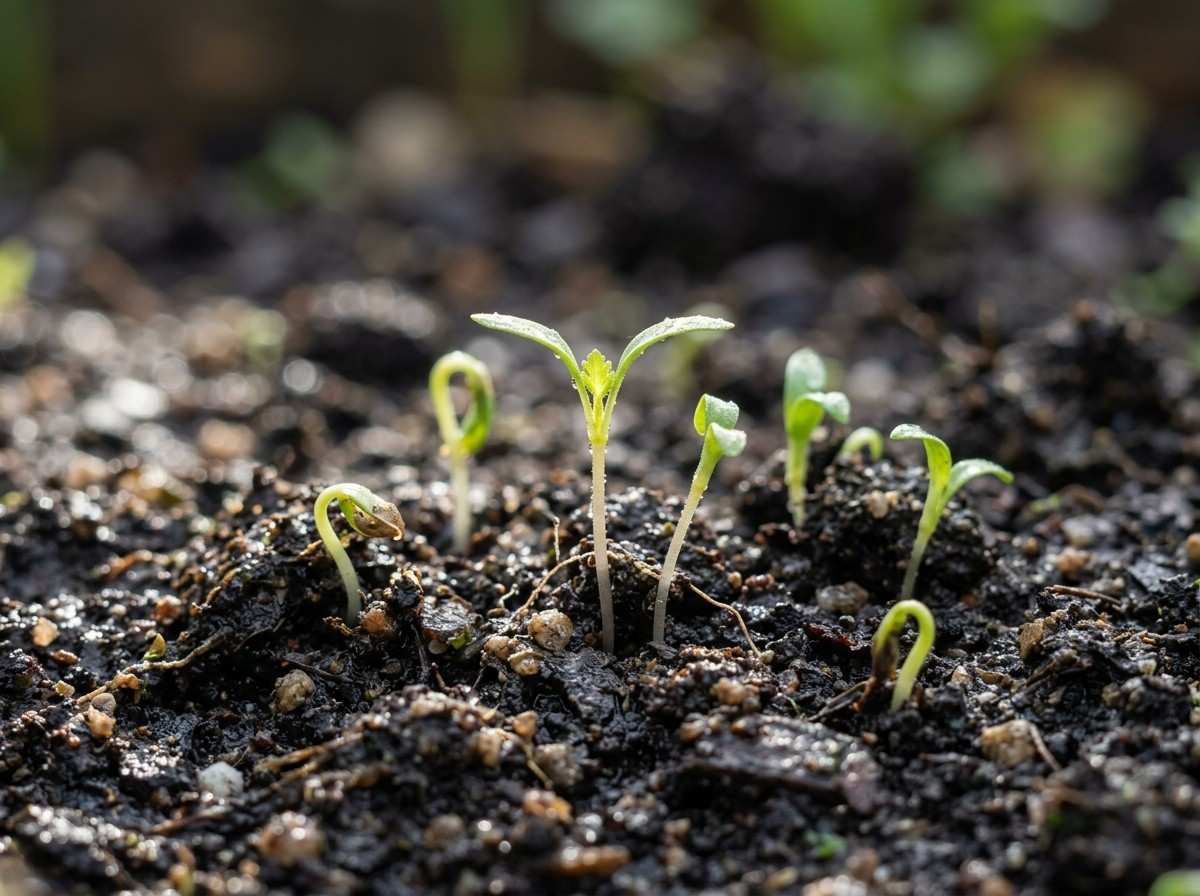
The germination phase is the first and most delicate stage of carrot growth. During this time, the seed absorbs water and begins to sprout. Proper care is crucial to ensure healthy seedlings. Success in this phase leads to strong plants later.
Carrot seeds need consistent moisture to start growing. Soil should stay damp but not soaked. Too much water can cause seeds to rot. Too little water stops germination. Check soil daily and water gently if dry.
Carrot seeds sprout best in cool soil. Ideal temperatures range from 50 to 85 degrees Fahrenheit. Soil too cold slows growth. Soil too hot may kill seeds. Keep soil temperature steady for good results.
Weeds compete with carrot seedlings for water and nutrients. Remove weeds carefully to avoid disturbing young roots. Use shallow cultivation or hand pulling. Clean soil helps seedlings grow faster and stronger.
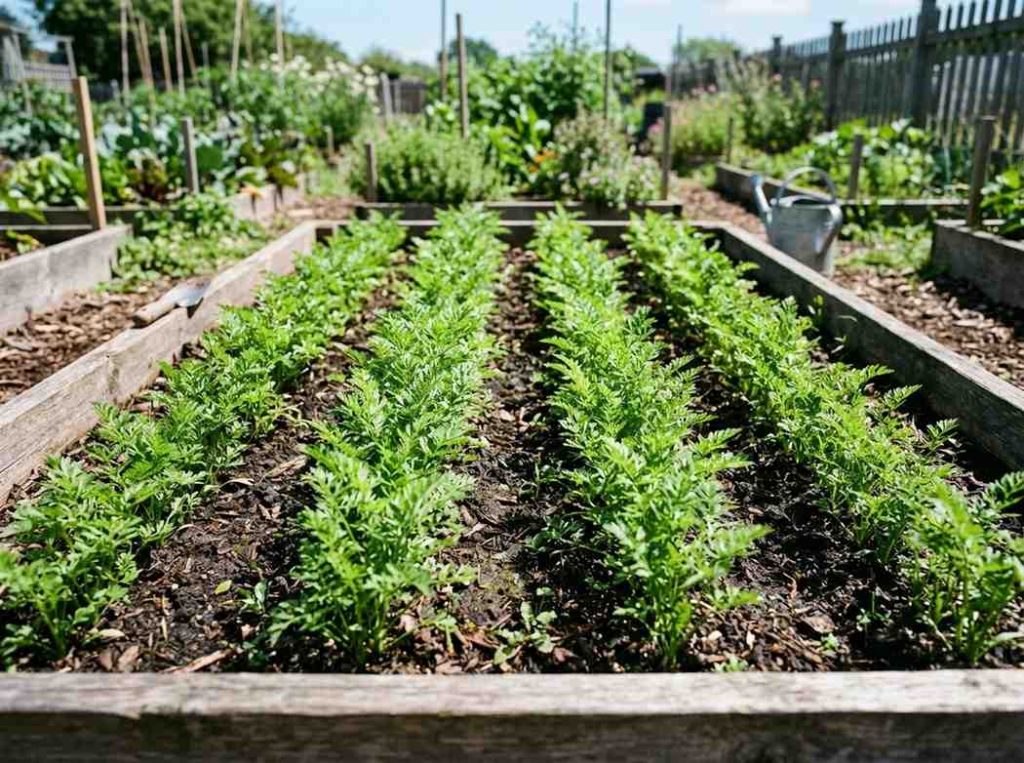
The seedling growth stage is crucial for healthy carrot development. During this phase, young plants emerge and start to establish roots. Proper care ensures strong seedlings that will grow into robust carrots. Early attention helps prevent problems later on.
Thinning is needed to avoid overcrowding. Remove weaker seedlings carefully to give space for others. Thin carrots to about 2 to 3 inches apart. This spacing lets roots grow wide and deep. Use scissors to cut seedlings at soil level. Avoid pulling to protect nearby roots.
Seedlings are vulnerable to pests like aphids and carrot flies. Inspect plants daily for signs of damage. Use natural sprays or neem oil to control pests safely. Remove any infected leaves immediately. Keep the garden clean and remove plant debris. Good airflow around seedlings reduces disease risk.
Young carrots need proper nutrients for strong growth. Apply a balanced fertilizer with nitrogen, phosphorus, and potassium. Use organic compost to enrich the soil naturally. Water seedlings regularly but avoid waterlogging. Healthy seedlings absorb nutrients better and resist stress.
Root development is a critical stage in the growth of carrots. This phase determines the size, shape, and health of the carrot root. Proper care during this stage helps produce strong, sweet carrots that are ready for harvest.
Carrots need loose, well-aerated soil. Compact soil blocks root growth and causes misshapen carrots. Aerated soil allows air to reach the roots. This supports healthy root expansion and nutrient absorption.
Roots require steady moisture to grow properly. Uneven watering leads to cracked or bitter carrots. Keep the soil moist but not soggy. Regular watering helps roots develop evenly and stay tender.
Be gentle when working around carrot roots. Avoid digging or disturbing soil too close to the roots. Damaged roots can stunt growth or cause rot. Protect roots to ensure healthy, smooth carrots.
The maturation stage is the final phase in the growth of carrots. During this time, the roots grow thicker and develop their full color and flavor. It is crucial to care for the carrots properly to ensure a healthy and tasty harvest. This stage usually lasts a few weeks before the carrots are ready to be pulled from the soil.
Carrots are ready to harvest when their roots reach a good size. The top of the carrot may show just above the soil. The color of the carrot will be bright and consistent. The leaves might start to yellow or dry slightly. These signs indicate the carrot has matured well.
During maturation, carrots need a steady supply of nutrients. Focus on potassium and phosphorus to strengthen the roots. Avoid too much nitrogen; it can cause leafy growth instead of root growth. Use a balanced fertilizer to keep the soil healthy and support full development.
Water the carrots evenly and deeply during the maturation stage. Avoid overwatering to prevent root rot and splitting. Consistent moisture helps carrots develop a smooth texture. Reduce watering slightly a week before harvest to improve sweetness and firmness.
Harvesting carrots marks the final step in their growth cycle. It requires timing and care to keep the carrots fresh and tasty. Proper harvesting helps maintain the carrot's quality and extends its shelf life.
Carrots are ready to harvest about 70 to 80 days after planting. The roots grow thick and firm at this stage. The leaves turn slightly yellow, signaling maturity. Harvest before the roots become woody or too large. Morning hours are best for picking carrots.
Loosen the soil around the carrot carefully with a garden fork. Pull the carrot gently by the tops. Avoid breaking the root while pulling it out. Use both hands if the soil is hard. Handle the carrots softly to prevent damage.
Remove the green tops quickly to stop moisture loss. Wash the carrots with cool water to remove dirt. Dry them well before storing. Keep carrots in a cool, dark place with high humidity. Store in perforated plastic bags or containers for freshness.
Growing carrots is rewarding but can be tough. Many challenges affect carrot growth. These challenges can reduce the size and quality of the carrots. Knowing these common problems helps gardeners prepare and protect their crops.
Pests often attack carrot plants. Carrot flies are a major threat. They lay eggs near the roots. The larvae eat the carrot roots, causing damage. Aphids may also feed on leaves. This weakens the plant and spreads disease. Regular checks help catch pests early. Natural predators or insecticidal soaps can control them.
Carrots face several diseases. Leaf blight causes brown spots on leaves. This can reduce photosynthesis and slow growth. Root rot affects the carrot’s core, making it soft. Fungal infections thrive in wet soil. Good drainage and crop rotation reduce disease risk. Removing infected plants stops the spread.
Carrots need steady conditions to grow well. Too much heat or cold harms them. Drought causes poor root development. Overwatering leads to root rot. Soil must be loose and rich in nutrients. Strong winds can break leaves and slow growth. Mulching keeps soil moist and temperature stable. Proper care helps carrots handle stress.
Growing carrots successfully requires care and smart methods. Small steps make a big difference in the health of your crop. Use these tips to help your carrots grow strong and healthy. Follow simple habits to avoid common problems and get better results.
Change the planting spot for carrots every year. This stops pests and diseases from building up in the soil. Plant carrots in a new area to keep the soil fresh. Avoid planting carrots where other root vegetables grew recently. This helps maintain soil health and gives carrots space to thrive.
Use natural compost to feed your carrot plants. Avoid chemical fertilizers that can harm the soil. Mulch around the plants to keep moisture in the ground. Organic methods support healthy soil and strong root growth. They also attract helpful insects that protect your crop.
Check your carrot plants often for signs of pests or disease. Early spotting helps stop problems before they spread. Look for damaged leaves or slow growth. Remove weeds that compete for nutrients and water. Keep a close eye to catch issues early and keep plants healthy.

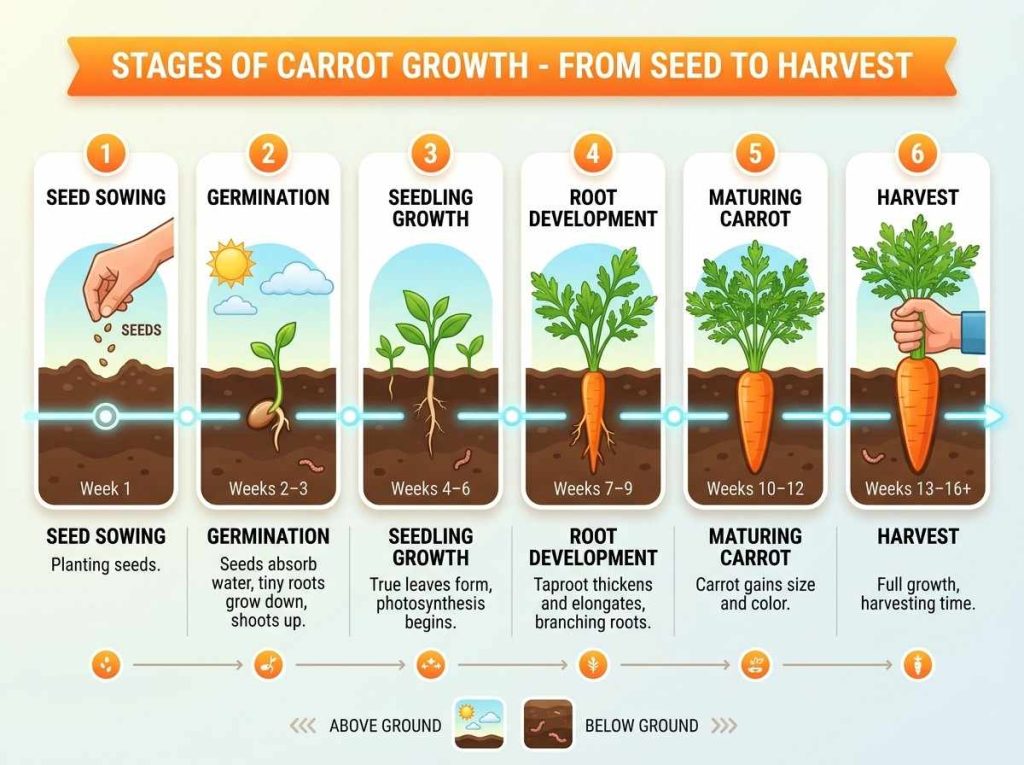
Carrot growth starts with seed germination, then seedling, root development, and finally maturity.
Germination takes 1-3 weeks, root growth 6-10 weeks, and full maturity around 70-80 days.
Loose soil, regular watering, and full sunlight help carrots develop strong, healthy roots.
Leaves usually appear within 2-3 weeks after seeds sprout from the soil surface.
Carrots are ready when their roots reach 1/2 to 1 inch in diameter and show vibrant color.
Understanding the stages of carrot growth helps gardeners grow healthy crops. From seed to harvest, each phase needs care and attention. Watching carrots sprout and develop is rewarding. Soil, water, and sunlight all play a role. Healthy roots mean tasty carrots on your plate.
Keep checking your garden regularly to spot any issues early. Growing carrots can be simple and fun. With patience, you will enjoy fresh, homegrown carrots soon.