Gardening Made Simple.
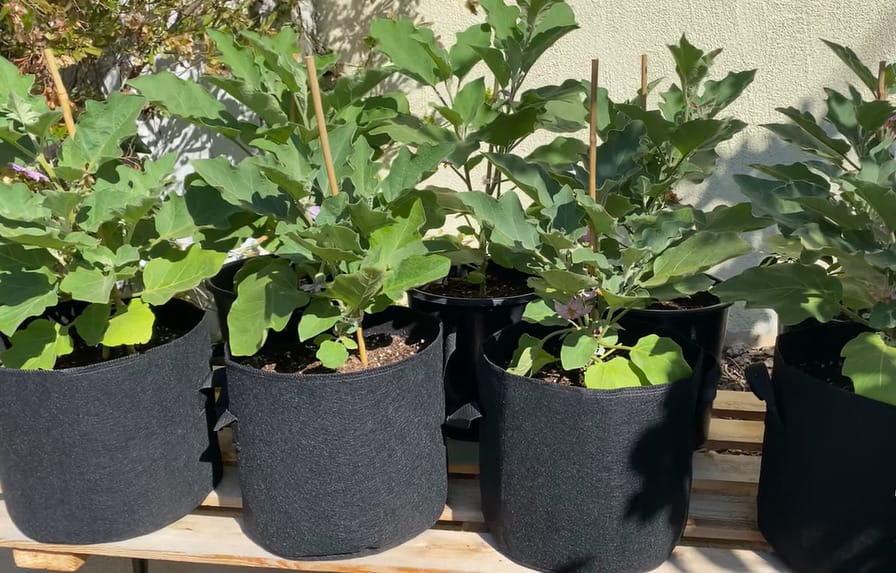
Are you ready to enjoy fresh, homegrown eggplants but short on garden space? Growing Eggplant in Pots could be the perfect solution for you. With the right container, soil, and care, growing eggplant in pots allows you to harvest healthy and delicious eggplants even in small spaces like patios or balconies.
Imagine picking ripe, juicy eggplants right from your balcony or patio, adding vibrant flavor to your meals. This simple method not only saves space but also gives you full control over your plant’s health. Keep reading to discover easy tips that will help you grow healthy, productive eggplants in containers—even if you’re a beginner!
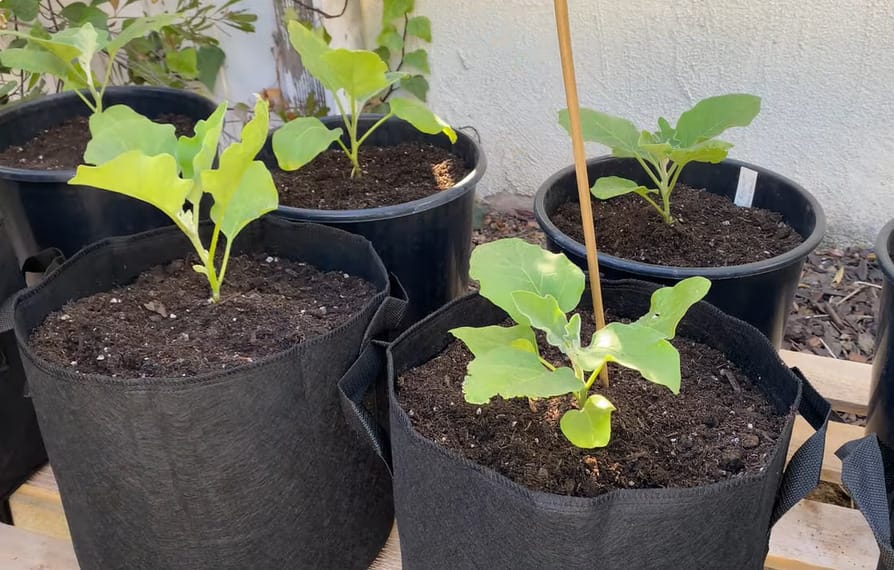
Choosing the right eggplant variety is key for growing in pots. Different types suit container life better. Some stay small and compact. Others grow large and need more space. Picking the right variety helps you get the best harvest. It also makes care easier and more fun.
Compact eggplants work best in pots. They grow shorter and bushier. This fits well in small spaces. Varieties like 'Little Fingers' and 'Fairy Tale' are perfect. These plants stay under two feet tall. They produce fruit without crowding your pot. Compact types need less support and less pruning.
Eggplants come in many sizes and colors. Some fruits are small and round. Others grow long and thick. Colors range from deep purple to white and even striped. Choose a fruit size that fits your pot and needs. Bright colors add beauty to your garden. Smaller fruits often cook faster and taste sweeter.
Choosing the right pot is key to growing healthy eggplants. The pot affects root growth, water retention, and plant stability. A good pot supports the plant’s needs and helps it thrive.
Eggplants need space for their roots to grow. Pick a pot at least 12 inches deep and 12 inches wide. Bigger pots hold more soil, which keeps moisture longer. Plastic pots are light and hold water well. Clay pots breathe better but dry out faster. Choose based on your watering habits and space.
Drainage holes are a must. They stop water from sitting at the bottom. Standing water causes root rot and kills plants. Check that your pot has holes or add some yourself. Place a layer of small stones at the bottom to help water flow. Good drainage keeps roots healthy and plants strong.
Eggplants need the right soil and fertilizer to grow well in pots. Good soil gives roots space and nutrients. Fertilizer feeds the plant for strong growth and more fruits. Knowing what soil and fertilizer to use helps your eggplants stay healthy and produce tasty fruits.
Eggplants grow best in soil that drains well but holds some moisture. Use a mix of potting soil, compost, and perlite or sand. This mix keeps air around the roots and stops water from sitting too long. Avoid heavy garden soil that can trap water and cause root rot.
Feed eggplants every two weeks with a balanced fertilizer. Look for one with equal parts nitrogen, phosphorus, and potassium. These nutrients help leaves, roots, and fruits grow strong. You can also use liquid fertilizer for quick feeding. Stop feeding when fruits start to ripen to keep taste fresh.
Growing eggplants in pots requires careful planting techniques for best results. Proper planting helps plants grow strong and produce tasty fruits. Understanding seed starting and correct spacing makes a big difference. Follow simple steps to set your eggplants up for success in containers.
Choose seeds or seedlings based on your growing time. Seeds need warmth and light to germinate well. Start seeds indoors 8-10 weeks before the last frost date. Use seed trays with good drainage and moist soil. Transplant seedlings to pots when they have 3-4 leaves. Seedlings save time and give a head start outdoors. Handle roots gently to avoid damage during transplanting.
Use pots that hold at least 5 gallons of soil. Plant one eggplant per pot for enough space. Sow seeds about 1/4 inch deep in soil. When planting seedlings, bury the stem up to the first leaves. This helps the plant develop strong roots. Keep pots at least 18 inches apart to allow air flow. Good spacing prevents disease and helps growth.
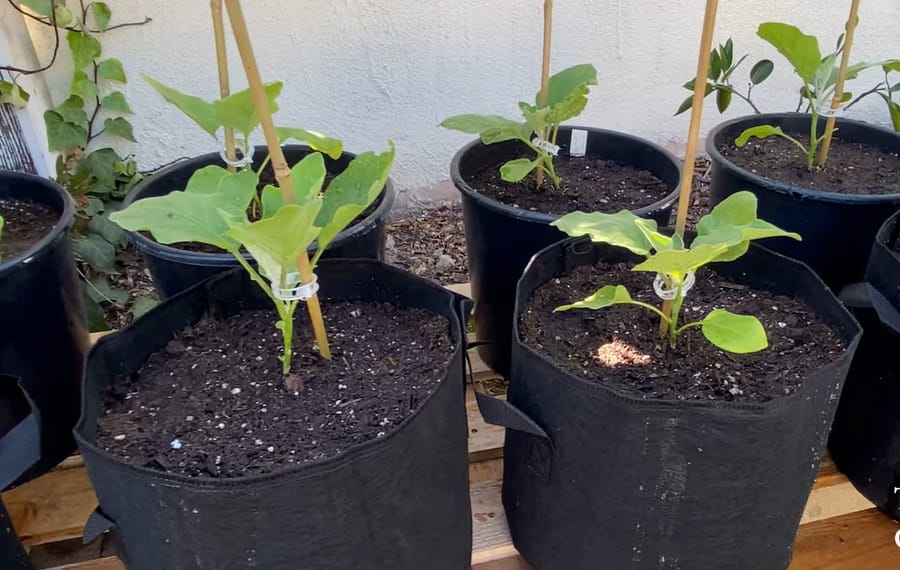
Growing eggplants in pots needs careful attention to water and sunlight. These two factors help plants grow strong and produce healthy fruit. Too much or too little water can harm the plant. The same goes for light. Eggplants need the right amount of sun to thrive. Understanding their needs helps you care for them better.
Eggplants need soil that is evenly moist. Dry soil can make the plant weak and stop fruit from growing. Water the plant when the top inch of soil feels dry. Avoid letting water sit in the pot, as this can cause root rot. Use pots with good drainage holes to help water flow out.
Watering at the base of the plant keeps leaves dry and reduces disease risk. Check moisture every day during hot weather. A consistent water supply leads to better growth and tastier eggplants.
Eggplants need plenty of sunlight to grow well. They do best with at least 6 hours of direct sun daily. Place pots in a sunny spot, like a south-facing balcony or patio. Too little light can make plants tall and weak. Too much harsh afternoon sun may scorch leaves, so some shade might help in very hot places.
Good light helps flowers form and turn into fruit. Watch your plant and adjust its position if needed. Bright, steady light is key for healthy eggplants in pots.
Growing eggplants in pots can be very rewarding. Keeping plants healthy means managing pests and diseases well. Pests and diseases can damage your plants quickly. Knowing how to spot and treat problems helps your eggplants grow strong.
Aphids often attack eggplants in pots. They suck sap and make leaves curl. Spider mites cause tiny yellow spots on leaves. Whiteflies also feed on the plant’s sap. Fungal diseases like powdery mildew may appear. These show as white, powdery patches on leaves. Root rot can happen if pots drain poorly. It makes roots soft and brown.
Use water sprays to remove soft-bodied pests. Handpick insects when you see them. Introduce ladybugs to eat aphids naturally. Neem oil works well against many pests. Apply it early in the morning or late evening. For fungal problems, use baking soda spray. Fungicides can help but use them carefully. Always follow the label instructions on chemicals. Good pot drainage reduces root rot risk. Healthy plants resist pests and diseases better.
Supporting growth and harvesting are key steps to growing healthy eggplants in pots. Proper care helps plants grow strong and produce more fruit. Small actions during the growing season make a big difference in your harvest.
Eggplants in pots need support to keep stems upright. Use a stake or a small cage near the plant. Tie the main stem gently with soft ties. This prevents bending or breaking under fruit weight.
Pruning helps focus the plant’s energy on fruit production. Remove small side shoots below the first flower. Trim yellow or damaged leaves. This improves air flow and reduces disease risk.
Pick eggplants when their skin looks shiny and smooth. The fruit should feel firm but not hard. Avoid waiting until the skin becomes dull or wrinkled.
Cut the fruit from the plant using scissors or a sharp knife. Leave a small stem attached to the fruit. Handle the eggplant gently to avoid bruising.
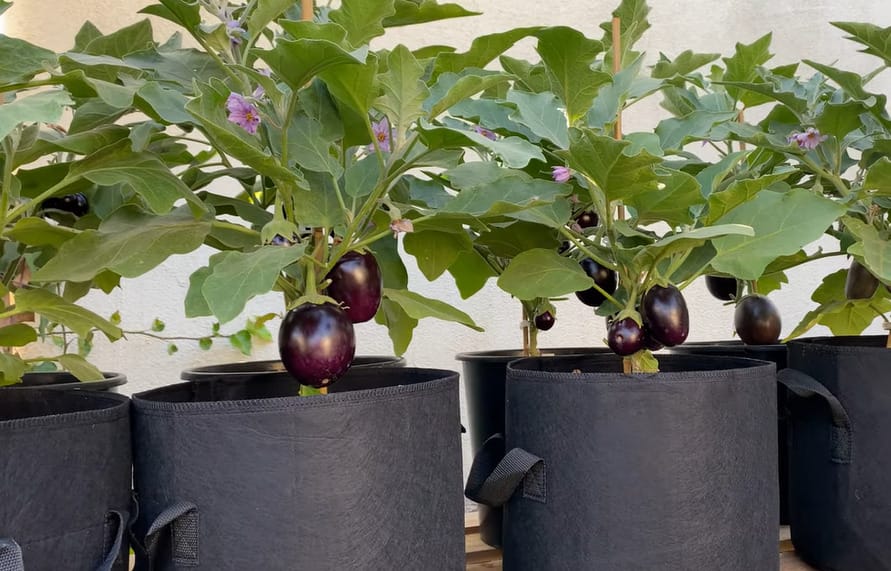
Growing eggplant in pots can be rewarding but also brings challenges. Plants may show signs of stress or poor growth. Identifying and fixing common problems early helps keep your plant healthy. Here are some issues you might face and how to address them.
Yellow leaves often signal watering problems. Overwatering causes roots to rot, leading to wilting and yellowing. Underwatering dries the plant, causing similar symptoms. Check soil moisture regularly. The soil should be moist but not soggy. Poor drainage in pots can trap water. Use pots with drainage holes and well-draining soil. Yellow leaves may also mean nutrient deficiency. Add a balanced fertilizer to support growth. Pests like spider mites or aphids can cause leaf damage. Inspect leaves and treat infestations early to protect your plant.
Eggplants need enough sunlight for fruit to grow well. Place pots where they get at least six hours of sun daily. Lack of pollination can reduce fruit size or quantity. Hand pollinate flowers by gently shaking them or use a small brush. Too much nitrogen fertilizer encourages leaves but limits fruit. Use a fertilizer higher in phosphorus for better fruit growth. Stress from heat or drought also affects fruit development. Keep soil evenly moist and shield plants from extreme heat. Healthy plants produce better and bigger eggplants.
A pot at least 12 inches deep and wide gives eggplants enough room to grow well.
Water eggplants when the top inch of soil feels dry to keep roots healthy.
Use well-draining, fertile soil rich in organic matter for strong eggplant growth.
Eggplants need at least 6 hours of direct sunlight each day to thrive.
Fertilize eggplants every 2-3 weeks with a balanced fertilizer for steady growth.
Growing eggplant in pots offers a fun way to garden at home. You can enjoy fresh vegetables right outside your door. Choose a sunny spot and water regularly. Use good soil and feed your plants often. Watch your eggplants grow big and healthy.
Patience and care bring tasty results. Start small and learn as you go. Gardening can be simple and rewarding. Give pot-grown eggplants a try this season.