Gardening Made Simple.
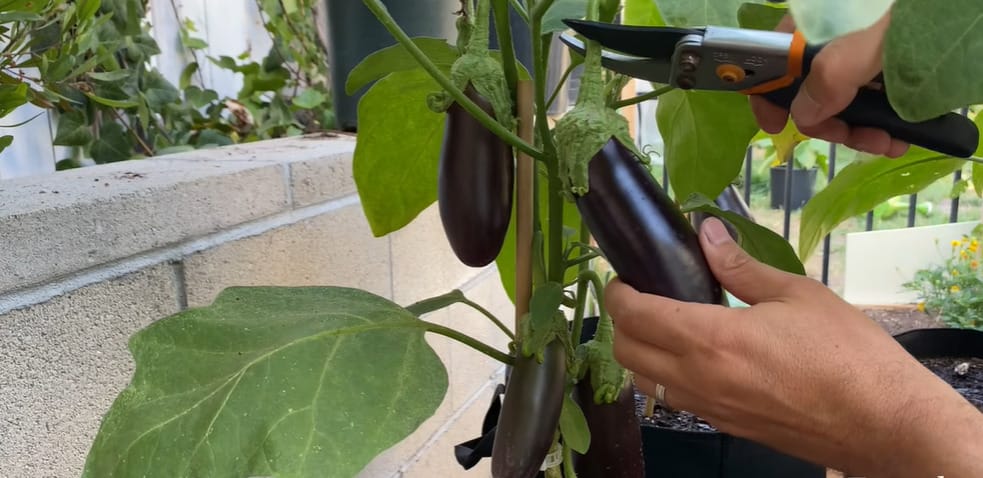
Pick your eggplant when its skin is glossy and firm, before it turns dull. Harvesting at the right size ensures the best flavor and texture. Knowing When to Pick Eggplant helps you enjoy tender, delicious fruits and prevents overripe, bitter eggplants.
Eggplant, also known as aubergine, is a versatile vegetable used in various cuisines worldwide. Knowing the right time to pick eggplant ensures optimal taste and texture. The ideal picking time is when the fruit has a glossy appearance and feels firm to the touch.
Waiting too long may result in a dull skin and an overripe, bitter taste. Regularly checking your plants can help you harvest at the perfect time. This ensures your eggplants are delicious and suitable for a wide range of dishes, from grilling to making stews. Proper timing in harvesting not only enhances flavor but also boosts the nutritional value of the eggplant.

Knowing when to pick eggplant starts with identifying its variety. Different types of eggplants have unique characteristics. Understanding these can help you determine the perfect harvest time.
There are several common types of eggplants. Each has distinct features:
Different eggplants have unique characteristics. These help identify the right harvest time:
| Type | Shape | Color | Texture |
|---|---|---|---|
| Globe | Pear-shaped | Dark Purple | Firm |
| Japanese | Slender | Deep Purple | Smooth |
| Italian | Oval | Dark Purple | Glossy |
Look at the eggplant's color and texture. These indicate readiness for harvest. For example, a glossy skin on an Italian eggplant signals it's ripe. A firm texture in a Globe eggplant means it's ready to pick.
Growing eggplants requires specific conditions to thrive. Understanding these conditions helps produce healthy, delicious fruits. Below, we discuss the soil requirements and ideal climate for eggplants.
Eggplants need well-draining soil with lots of nutrients. The soil pH should be between 5.5 and 7.5.
Below is a table summarizing the soil requirements for eggplants:
| Soil Property | Requirement |
|---|---|
| pH Level | 5.5 - 7.5 |
| Organic Matter | Rich |
| Drainage | Well-draining |
| Moisture | Consistent |
Eggplants prefer warm weather. The best temperature is between 70°F and 85°F.
Eggplants thrive in climates where nights are warm. If temperatures drop too low, use row covers to protect the plants.
Knowing when to pick eggplant is crucial for the best flavor. Understanding the signs of ripeness helps ensure you harvest at the perfect time. Below are key indicators to look for.
The color of an eggplant can tell a lot about its ripeness. A ripe eggplant usually has a glossy, vibrant color. For most varieties, this means a deep purple hue. If the color is dull, the eggplant may be overripe or underripe.
| Variety | Ripe Color |
|---|---|
| Black Beauty | Deep Purple |
| Graffiti | Purple with White Stripes |
| White Eggplant | Creamy White |
Texture and firmness are also key indicators. Gently press the eggplant with your thumb. If it springs back, it is ripe. If the skin leaves an indentation, it is too ripe. The eggplant should feel firm but not hard.
Avoid eggplants with wrinkled or dull skin. These are signs of aging and poor quality.
Knowing when to pick eggplants ensures you get the best taste. Harvesting techniques are crucial to keep the plants healthy and productive.
To harvest eggplants, you need the right tools. Using proper tools makes the job easier and protects the plant.
Proper cutting methods ensure the plant stays healthy. Follow these steps to harvest eggplants correctly:
Harvesting eggplants at the right time and with the right technique ensures a delicious and healthy crop.
Once you've picked your eggplants, proper handling is crucial. Good handling keeps your eggplants fresh and tasty. Follow these steps to ensure the best quality.
After harvesting, it's important to clean your eggplants. Use a soft cloth or sponge to wipe off dirt. Avoid using harsh chemicals as they can harm the produce.
Proper storage extends the shelf-life of eggplants. Here’s how to store them correctly:
| Storage Method | Duration |
|---|---|
| Room Temperature | 1-2 days |
| Refrigerator | 5-7 days |
| Freezer | Up to 6 months |
For best results, store eggplants in a cool, dry place. Avoid direct sunlight and high humidity.
Remember, proper post-harvest handling ensures your eggplants stay fresh and delicious!

Picking eggplants at the right time can be tricky. Many gardeners make common mistakes that affect the fruit's flavor and texture. Here are some pitfalls to watch out for.
One common mistake is letting eggplants become overripe. Overripe eggplants can be bitter and have tough seeds.
Signs of overripe eggplants include a dull color and hard skin. If you press the skin and it doesn’t spring back, it might be overripe.
| Signs | Description |
|---|---|
| Dull Color | The eggplant loses its shiny appearance. |
| Hard Skin | The skin becomes tough and unyielding. |
| Seeds | The seeds inside are larger and harder. |
Another mistake is picking underdeveloped fruit. These eggplants are small and lack flavor.
Look for eggplants with a glossy skin and a uniform shape. Avoid picking if the skin looks wrinkled or uneven.
Check the size of the eggplant as well. It should be firm but not too hard.
By avoiding these common mistakes, you can ensure a bountiful and tasty eggplant harvest.
Understanding seasonal considerations is crucial for harvesting eggplant at the right time. Different seasons affect the growth and flavor of eggplants. Knowing when to pick ensures the best taste and texture.
Summer is the peak season for eggplants. They thrive in warm temperatures, typically between 70°F and 85°F. During this time, the plants grow rapidly and produce abundant fruit.
In summer, eggplants often mature within 50 to 70 days after planting. Regularly inspect your plants to catch them at their prime.
Fall presents a different set of challenges and opportunities for eggplant growers. Cooler temperatures slow down the growth rate. Eggplants harvested in fall may have a slightly different flavor.
| Temperature Range | Harvest Time |
|---|---|
| 60°F to 70°F | 70 to 90 days |
During fall, ensure the plants get enough sunlight. The shorter days can affect fruit development. Use row covers to protect from early frosts.
Pay attention to the plant's health and fruit quality. Eggplants are best picked before the first frost.
Harvesting eggplants is a rewarding process. Now, you need to know how to use them effectively. Freshly picked eggplants can be a versatile addition to your kitchen. Let's explore some exciting ways to use your harvested bounty.
Eggplants can be used in various culinary dishes. Their versatility in flavor and texture makes them a favorite in many cuisines. Here are some popular ways:
These dishes are easy to prepare and delicious to eat. Experimenting with eggplants can lead to discovering new family favorites.
Preserving eggplants ensures you enjoy them beyond the harvest season. Here are some effective methods:
| Method | Steps |
|---|---|
| Freezing | Wash and slice the eggplants.Blanch in boiling water for 4 minutes.Cool in ice water and drain.Pack in freezer bags and remove air. |
| Drying | Slice eggplants thinly.Place on drying trays.Dry in the oven at 140°F until crisp.Store in airtight containers. |
| Pickling | Slice and salt the eggplants.Let sit for 1 hour.Rinse and pack in jars with vinegar and spices.Seal and store in a cool place. |
These methods help keep the eggplant fresh for months. Choose the one that fits your needs best.

Ripe eggplants are glossy and firm. Gently press; if it springs back, it's ready.
A ripe eggplant should have a deep, rich purple color. Avoid dull or brownish ones.
Yes, small eggplants are tender and flavorful. Ensure they are still glossy and firm.
Eggplants should be 6-8 inches long. Size varies by variety, but they should feel heavy for their size.
Overripe eggplants become spongy and bitter. Check regularly to avoid this.
Choosing the right time to pick eggplant ensures optimal flavor and texture. Harvest them when they are shiny and firm. Regularly check your plants to avoid overripe, bitter fruits. Enjoy your fresh eggplants in various dishes, knowing you picked them at their peak.
Happy gardening and cooking!