Gardening Made Simple.

Have you noticed a white, powdery layer spreading on your beloved pot plants? That’s powdery mildew, a common but stubborn fungus that can quickly take over your greenery. Learning how to manage Powdery Mildew on Pot Plants is essential to keep your plants healthy and thriving.
If you want to keep your plants healthy and thriving, understanding how to spot and fight this problem is crucial. You’ll discover simple, effective ways to protect your plants and stop powdery mildew before it ruins your indoor garden. Keep reading to save your plants and enjoy a lush, vibrant home.
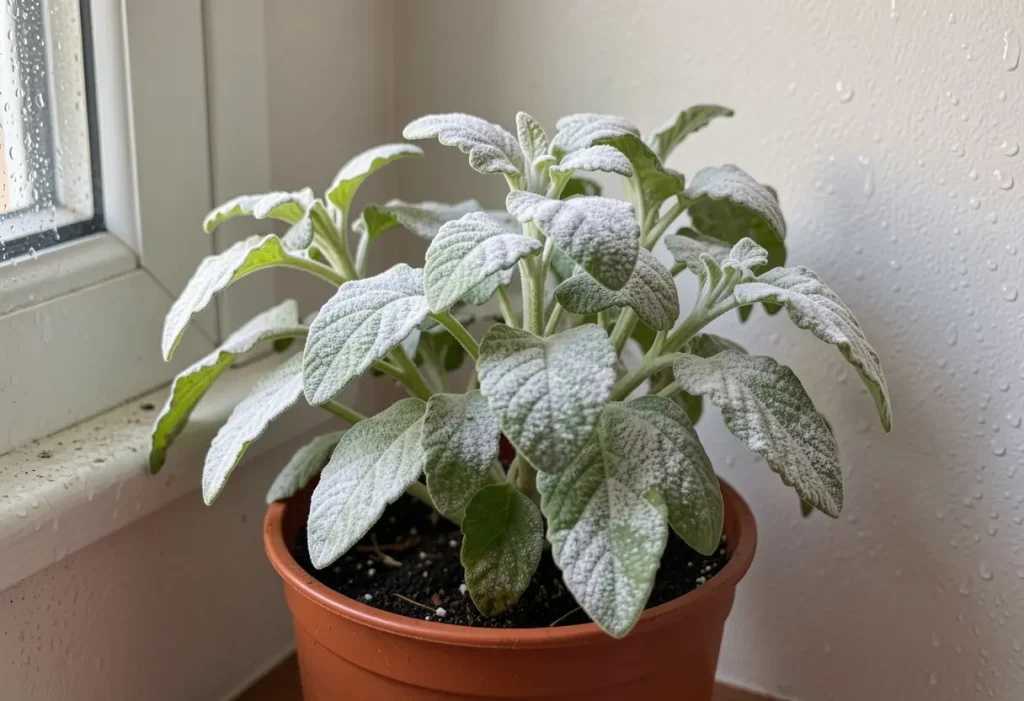
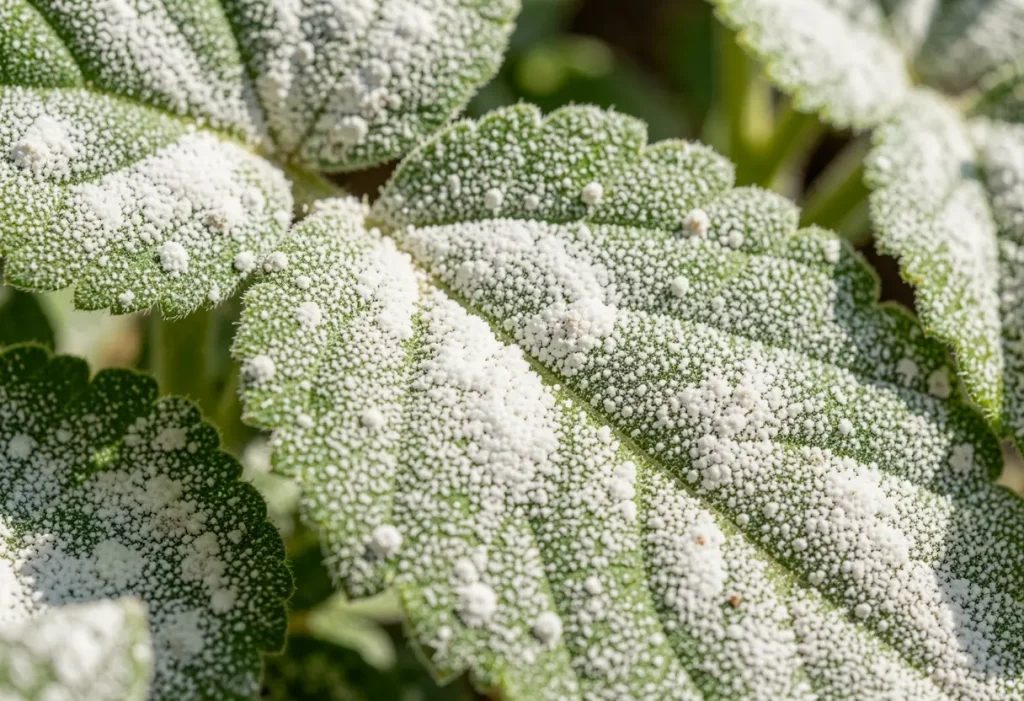
Powdery mildew is a common plant disease that affects pot plants. It looks like a white or gray powder on leaves and stems. This disease can harm the plant’s health and slow its growth. Understanding powdery mildew helps to protect your plants and keep them healthy.
Powdery mildew is caused by fungi. These fungi spread through spores in the air. Warm, dry conditions with poor air flow help the spores grow. Overcrowded plants are more likely to get infected.
The white powder blocks sunlight from reaching the leaves. This reduces photosynthesis and weakens the plant. Leaves may turn yellow, curl, or drop early. The plant may stop growing well or produce fewer flowers.
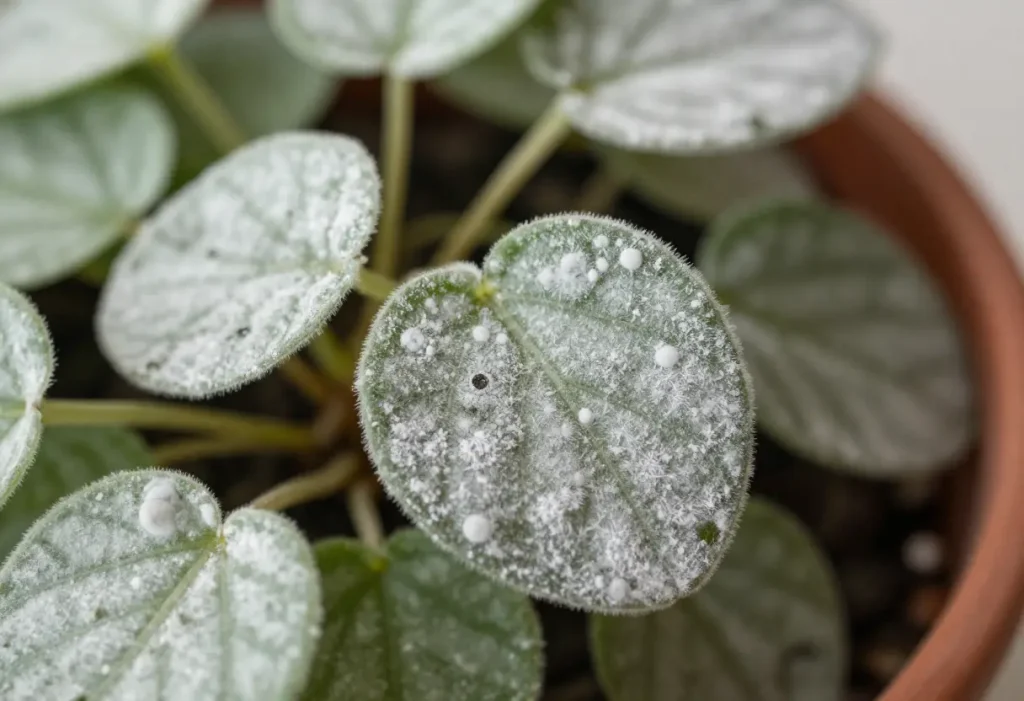
Look for white or gray powder on leaves and stems. It often starts on older leaves. The powder can spread to new growth quickly. Leaves may also look dusty or fuzzy.
Powdery mildew is a common problem for pot plants. It affects many types of plants and can spread quickly. Knowing the common signs helps catch it early. Early detection makes treatment easier and protects your plants.
Powdery mildew looks like a white or gray powder on the leaves. This powder can cover the plant parts and stop them from growing well. It often starts on the older leaves but can move to new growth fast.
White spots appear first on the top of leaves. These spots look like dust or flour sprinkled on the surface. The spots grow bigger and merge, covering large leaf areas. This is the most clear sign of powdery mildew.
Leaves with powdery mildew often curl or twist. They look smaller and weaker than healthy leaves. Distorted leaves struggle to make food for the plant. This weakens the entire plant over time.
Leaves may turn yellow or brown near the powdery patches. This color change means the leaf cells are dying. Affected leaves may drop off sooner than usual. This reduces the plant’s ability to grow well.
New shoots may grow slowly or stop growing. They can look pale or weak. Powdery mildew can block the plant’s nutrients. This stops healthy growth and makes the plant fragile.
Powdery mildew is a common problem on pot plants. It looks like white, powdery spots on leaves and stems. Understanding what causes it helps keep plants healthy. Certain conditions make powdery mildew spread fast.
Warm and dry air alone does not stop powdery mildew. It grows well in places with poor air flow and high humidity. These conditions create the perfect home for the fungus to thrive.
Fungal Spores and Their Spread
Powdery mildew starts from tiny fungal spores. These spores travel through the air or water. They land on plant surfaces and begin to grow. Spores spread quickly in crowded plant areas.
Humidity and Temperature
High humidity helps powdery mildew develop. It needs moisture but not wet leaves. Warm temperatures between 60-80°F (15-27°C) favor its growth. Cool nights and warm days also encourage the fungus.
Poor Air Circulation
Plants packed closely block air flow. Stagnant air keeps humidity high around leaves. This environment helps spores settle and grow. Good spacing of pot plants reduces powdery mildew risk.
Plant Stress and Weakness
Unhealthy plants get powdery mildew more often. Stress from poor watering or low nutrients weakens defenses. Strong, well-cared-for plants fight off fungal attacks better.
Powdery mildew is a common problem for pot plants. It looks like white powder on leaves. This fungus can harm plant health and slow growth. Many home remedies can help control powdery mildew. These methods are safe, cheap, and easy to use.
Using home remedies regularly can keep plants healthy. They reduce fungus without harsh chemicals. Here are some effective ways to fight powdery mildew at home.
Neem oil is a natural fungicide. Mix 2 teaspoons of neem oil with 1 quart of water. Spray the mixture on leaves, covering both sides. Repeat every week to stop mildew growth. Neem oil also protects plants from other pests.
Baking soda changes leaf surface pH, making it hard for fungus to grow. Mix 1 tablespoon of baking soda and a few drops of liquid soap in 1 gallon of water. Spray this on infected leaves once a week. Avoid spraying under strong sun to prevent leaf burn.
Milk can fight powdery mildew naturally. Use 1 part milk and 2 parts water. Spray the mixture on plants every 7 days. The proteins in milk help kill fungal spores. This method is safe and gentle on plants.
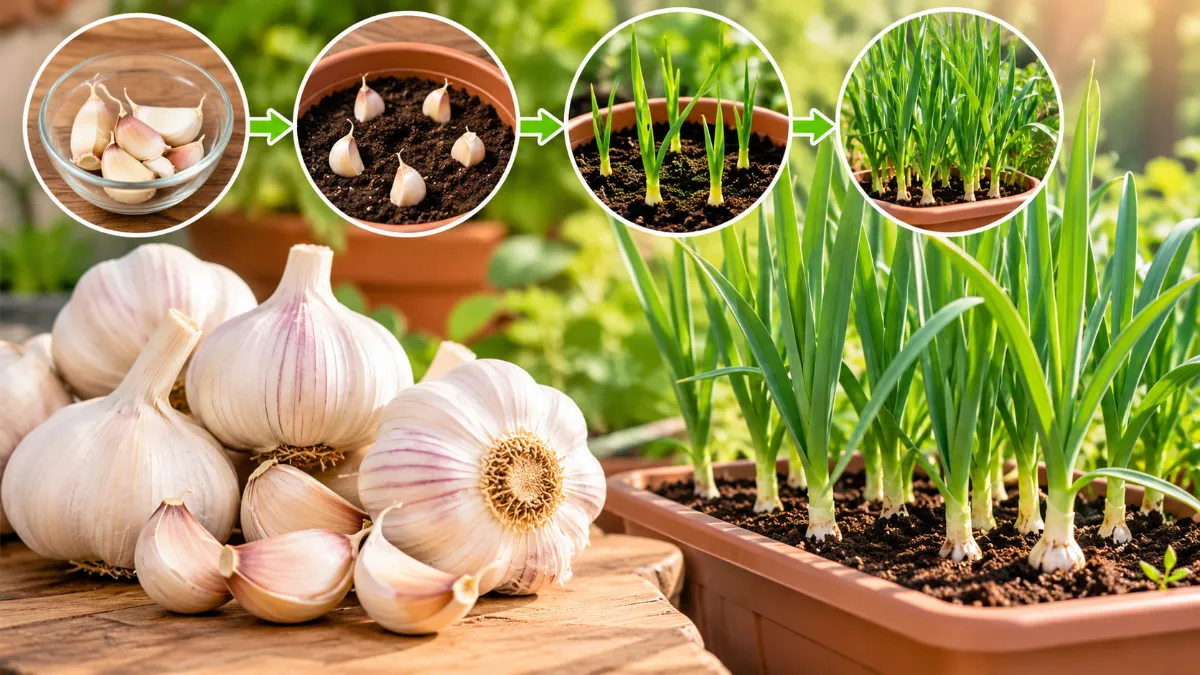
Garlic has antifungal properties. Crush several garlic cloves and soak in water overnight. Strain and spray the liquid on affected plants. Use this spray twice a week. Garlic helps reduce mildew and improves plant health.
Cut off leaves with heavy powdery mildew. Dispose of them away from other plants. This stops the fungus from spreading. Always clean your tools after cutting infected parts.
Chemical treatments can help control powdery mildew on pot plants. They work by killing the fungus or stopping its growth. Using these treatments correctly helps protect your plants and keeps them healthy.
Choose the right chemical based on your plant type and mildew severity. Follow instructions carefully to avoid damage. Use protective gear like gloves and masks for safety.
Fungicidal sprays target powdery mildew directly. They create a barrier on leaves to stop spores from spreading. Apply sprays evenly on all plant parts. Repeat treatments every 7 to 14 days for best results.
Sulfur is a common ingredient in mildew control. It prevents fungal growth and spores from developing. Sulfur works best in dry weather and mild temperatures. Avoid using it on very young or sensitive plants.
Systemic fungicides absorb into the plant’s tissues. They protect new growth from powdery mildew. Use these treatments early for better control. Do not overuse to prevent fungus resistance.
Improving air circulation is key to stopping powdery mildew on pot plants. Good airflow helps dry leaves quickly. It reduces the damp conditions mildew needs to grow. Plants that breathe well stay healthier and stronger.
Small changes can make a big difference. Moving pots apart or trimming leaves can open up space. Using fans or placing plants near windows helps air move around. These steps create a less friendly place for mildew.
Keep space between each pot. Crowded plants trap moisture and block air. Give each plant room to breathe. This simple step lowers mildew risk and helps plants grow better.
Cut back thick leaves and branches. Dense foliage stops air from reaching inner leaves. Pruning opens up the plant’s center. This lets air flow freely and dries wet leaves fast.
Place a small fan near your pot plants. Fans move air and stop moisture build-up. Keep the fan on low for gentle airflow. This reduces humidity and keeps mildew away.
Put plants where outside air can reach them. Open windows improve airflow and lower moisture. Fresh air helps leaves dry faster after watering. This simple move cuts mildew chances significantly.
Watering plays a big role in stopping powdery mildew on pot plants. Proper watering keeps plants healthy and less likely to get this fungal disease. Too much or too little water can make plants weak and easy targets. Follow smart watering steps to keep powdery mildew away.
Water plants early to let leaves dry quickly. Wet leaves overnight help powdery mildew grow. Morning watering reduces moisture time on leaves. Dry leaves mean fewer spores can spread and infect.
Direct water to soil, not leaves. Wet leaves create a perfect home for mildew spores. Use a watering can or drip system to wet only soil. This keeps leaves dry and safe from fungus.
Check soil before watering. Stick your finger about one inch deep. If soil feels dry, water the plant. If still moist, wait a day. Overwatering can cause root rot and mildew issues.
Choosing resistant plant varieties helps reduce powdery mildew on pot plants. These plants naturally fight off fungal infections. Growing resistant types means less chance of disease. This saves time and effort on treatments.
Resistant plants stay healthier and look better. They also grow stronger in different conditions. This choice supports a more vibrant garden with fewer problems.
Plant resistance means a plant can stop or slow disease. Some plants have traits that prevent powdery mildew spores from growing. These traits work like a natural shield. Choosing plants with these traits reduces mildew risks.
Many common pot plants resist powdery mildew well. Lavender and rosemary are good examples. Their thick leaves help block fungi. Some types of geraniums also resist mildew. Selecting these plants lowers the chance of infection.
Nurseries often label mildew-resistant plants. Check plant tags or ask staff for advice. Online seed catalogs sometimes list resistance info. Choose plants marked as “powdery mildew resistant” for better results.
Using resistant plants cuts down on sprays and chemicals. It saves money and protects the environment. Resistant plants need less care and stay healthy longer. This helps create a thriving, mildew-free pot garden.
Regular monitoring is key to keeping powdery mildew off pot plants. Spotting signs early helps stop the spread fast. Check plants often for any white, powdery spots or leaf damage. This habit protects your plants’ health and beauty.
Look at the top and bottom of leaves every few days. Powdery mildew often starts as small white patches. Check stems too, as the fungus can spread there. Use a magnifying glass if needed for better view.
New leaves and shoots are more vulnerable to powdery mildew. Watch them carefully for any powdery coating. Early detection on new growth helps stop the fungus before it spreads widely.
Good airflow reduces humidity, which powdery mildew loves. Check that plants have enough space between them. Avoid overcrowding pots to keep air moving freely around leaves.
Write down any signs of powdery mildew or changes in plant health. Note the date and affected areas on the plant. Tracking helps spot patterns and improves treatment timing.
Safe disposal of infected leaves is key to stopping powdery mildew on pot plants. Removing and discarding these leaves lowers the risk of spreading spores. Careful disposal protects healthy plants and keeps your garden clean.
Handling infected leaves with care prevents mildew from returning. Proper disposal methods reduce contamination around your plants. Follow these simple steps to keep your pot plants safe and healthy.
Always wear gloves before touching infected leaves. Use clean scissors or pruners to cut the leaves. This stops spores from spreading to other parts of the plant or garden.
Place the infected leaves in a plastic bag immediately. Seal the bag tightly to trap spores inside. This prevents mildew from spreading during disposal.
Throw the sealed bag into the trash, not the compost. Composting can spread the mildew spores to other plants. Safe disposal keeps your garden free from reinfection.
Disinfect your cutting tools with rubbing alcohol or bleach. Clean tools stop the spread of powdery mildew spores. Proper hygiene protects your plants from future infections.
Powdery mildew grows from tiny spores in the air. It thrives in warm, dry places with poor air flow.
Look for white, powdery spots on leaves and stems. It often starts on older leaves first.
Yes, it weakens plants by stopping photosynthesis and can cause leaf drop and poor growth.
Use a mix of water and baking soda or neem oil. Remove infected leaves to stop spread.
Keep plants spaced well, avoid wetting leaves, and ensure good air flow around pots.
Powdery mildew can harm your pot plants quickly. Catch it early to stop spread and damage. Clean leaves often and keep plants dry. Use safe sprays to fight the fungus. Healthy plants resist diseases better and grow strong. Watch your plants every day for signs.
Small actions keep your plants happy and green. Stay patient and care with love. Your plants will thank you with fresh growth. Keep learning and enjoy your gardening journey.