Gardening Made Simple.
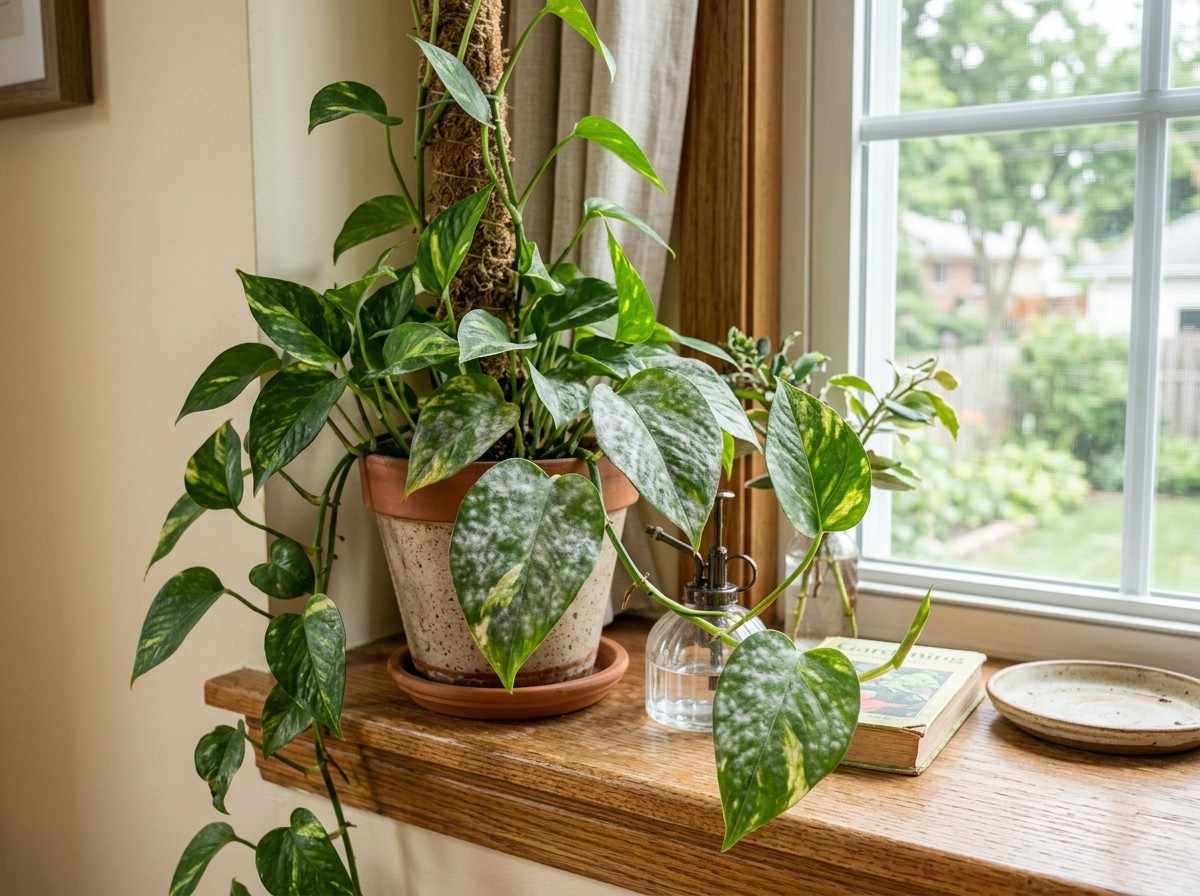
Have you noticed a white, dusty layer on your indoor plants lately? That’s powdery mildew, a common but tricky fungus that can quickly harm your green friends. Dealing with Powdery Mildew Indoor Plants early is important to stop it from spreading and protect your plants’ health.
If you want to keep your plants healthy and thriving, understanding how to spot and stop powdery mildew is key. You’ll discover simple ways to protect your plants and bring back their vibrant look. Let’s dive in and make sure your indoor garden stays beautiful and strong.
Powdery mildew is a common problem for indoor plants. It appears as a white, powdery coating on leaves and stems. Understanding what causes powdery mildew helps prevent it from spreading. Several factors play a role in its development.
Powdery mildew is caused by several types of fungi. These fungi produce spores that spread through the air. They settle on plant surfaces and start growing. The most common fungi belong to the Erysiphales order. Each type targets specific plants but shares similar traits.
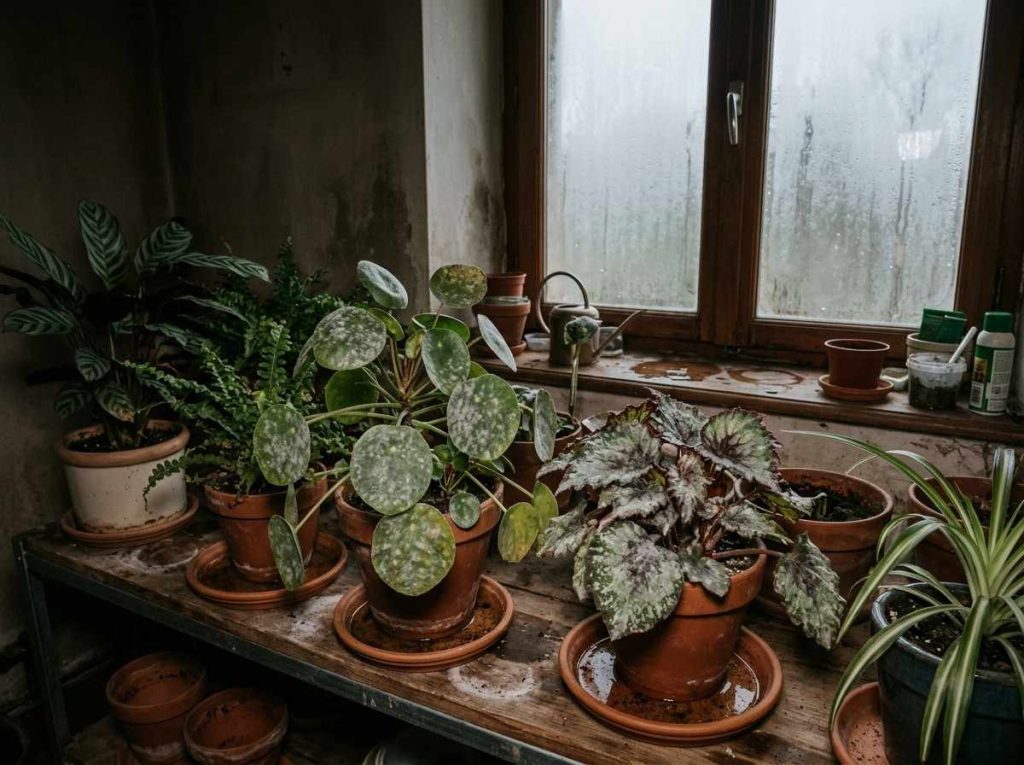
Powdery mildew thrives in certain environments. Low light and poor air circulation help the fungus grow. High humidity combined with dry leaf surfaces also encourages it. Overcrowded plants create the perfect conditions. Warm temperatures between 60 and 80 degrees Fahrenheit increase risk.
Some plants are more prone to powdery mildew. Young, tender leaves are especially vulnerable. Plants under stress, like poor nutrition or drought, get infected easily. Certain species naturally attract the fungi more than others. Knowing which plants are sensitive aids in better care.
Powdery mildew is a common problem for indoor plants. Spotting it early helps save your plants from serious damage. Knowing the signs makes it easier to act fast. Watch your plants closely for unusual changes. Early detection keeps your plants healthy and strong.
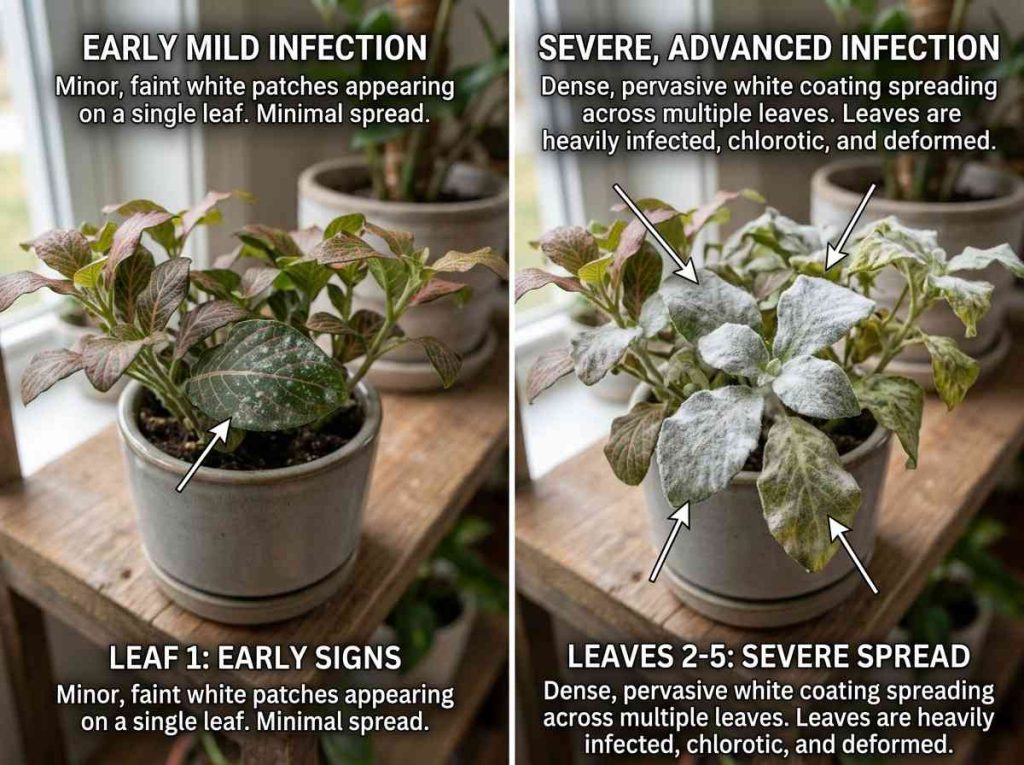
White powdery spots are the clearest sign of powdery mildew. They look like dust on leaves and stems. At first, spots are small and easy to miss. These spots grow and cover large areas quickly. Check both sides of the leaves carefully.
Leaves with powdery mildew often turn yellow or pale. The leaves may curl or twist oddly. This happens because the fungus blocks nutrients. Yellowing leaves lose their healthy green color fast. Twisted leaves can make the plant look weak.
Powdery mildew slows down plant growth. Infected plants stop growing or grow very slowly. New leaves may be smaller or misshaped. The plant uses energy to fight the fungus instead of growing. Watch for stunted plants to catch mildew early.
Preventing powdery mildew on indoor plants is key to keeping them healthy and vibrant. This fungal disease spreads quickly in the right conditions. Stopping it early helps plants grow strong and look their best. Simple steps can reduce the risk of powdery mildew in your home.
Good air flow helps keep leaves dry and stops mildew from growing. Place plants where air moves freely around them. Avoid crowding plants too close together. Use a small fan to improve circulation in rooms with many plants. Clean air reduces moisture that mildew needs.
Keep indoor humidity between 40% and 60%. High humidity creates a perfect environment for powdery mildew. Use a humidifier or dehumidifier to control moisture in the air. Avoid overwatering plants, as wet soil raises humidity. Balanced humidity keeps plants healthy and mildew-free.
Check plants often for white, powdery spots on leaves. Early detection stops mildew from spreading to other plants. Remove infected leaves immediately using clean scissors. Isolate affected plants to prevent contamination. Regular checks protect your indoor garden from disease.
Natural remedies offer safe ways to fight powdery mildew on indoor plants. These solutions use common ingredients. They help protect plants without harsh chemicals. Many gardeners trust these methods to keep plants healthy.
Natural treatments work by stopping mildew growth and improving plant health. They are easy to prepare and apply. Regular use can prevent mildew from spreading. These remedies are gentle and eco-friendly.
Neem oil is a natural pesticide. It kills powdery mildew spores and stops new ones forming. Mix 2 teaspoons of neem oil with 1 quart of water. Add a few drops of mild soap to help oil mix. Spray the solution on leaves, both sides. Repeat every 7 days until mildew disappears.
Baking soda changes leaf surface to stop mildew growth. Mix 1 tablespoon of baking soda with 1 gallon of water. Add 1 teaspoon of mild soap to help stick. Spray plants lightly, covering all leaves. Use this spray once a week. Avoid overusing to protect plant leaves.
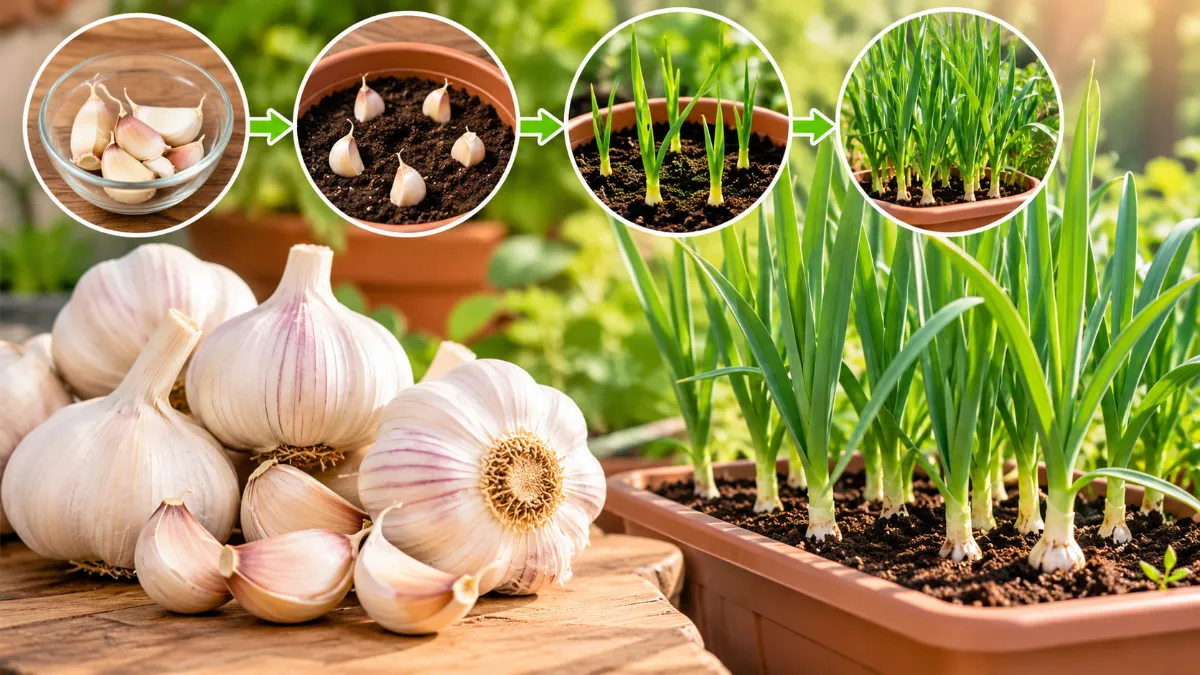
Garlic has natural antifungal properties. Milk helps fight mildew and nourishes plants. Crush 2 garlic cloves and soak in 1 cup of water for 24 hours. Strain and mix with 1 cup of milk. Spray the mixture on affected plants every 5 days. This spray reduces mildew and boosts plant health.
Powdery mildew is a common fungal problem for indoor plants. Chemical treatments can stop the fungus quickly. These treatments work by killing or stopping fungal growth on your plants. Using the right chemicals helps protect your plants and keeps them healthy.
Several fungicides work well against powdery mildew on indoor plants. Sulfur-based fungicides are popular and safe for many plants. Neem oil is a natural choice that fights fungus and pests. Potassium bicarbonate sprays kill mildew spores fast. Look for products labeled for indoor use and powdery mildew control.
Always read the label before using any fungicide. Wear gloves and protect your eyes during application. Avoid spraying on plants in direct sunlight to prevent burns. Keep children and pets away from treated plants until dry. Use only the recommended amount to avoid harming the plant.
Apply fungicides as soon as you spot powdery mildew. Early treatment stops the fungus from spreading. Repeat applications may be needed every 7 to 14 days. Treat during cooler parts of the day, like morning or evening. Regular checks help catch mildew before it grows too much.
After treating powdery mildew on indoor plants, proper care is essential. This care helps plants heal faster and stay healthy. Without it, the fungus may return, causing more damage.
Remove all leaves with visible mildew. Use clean scissors or pruners. Dispose of leaves far from your plants. Wipe remaining leaves gently with a damp cloth. This removes spores left on the surface. Clean leaves help the plant breathe and grow.
Keep plants in a well-ventilated area. Avoid overcrowding pots or plants. Water plants at the base, not on leaves. Use a fan to improve air flow if needed. Avoid excess humidity, which helps mildew grow. Check plants regularly for new signs of mildew.
Give your plant the right light, not too strong. Use a balanced fertilizer to boost growth. Keep soil moist but not wet. Avoid stress by keeping temperature steady. Healthy plants resist diseases better. Patience is key; recovery takes time.
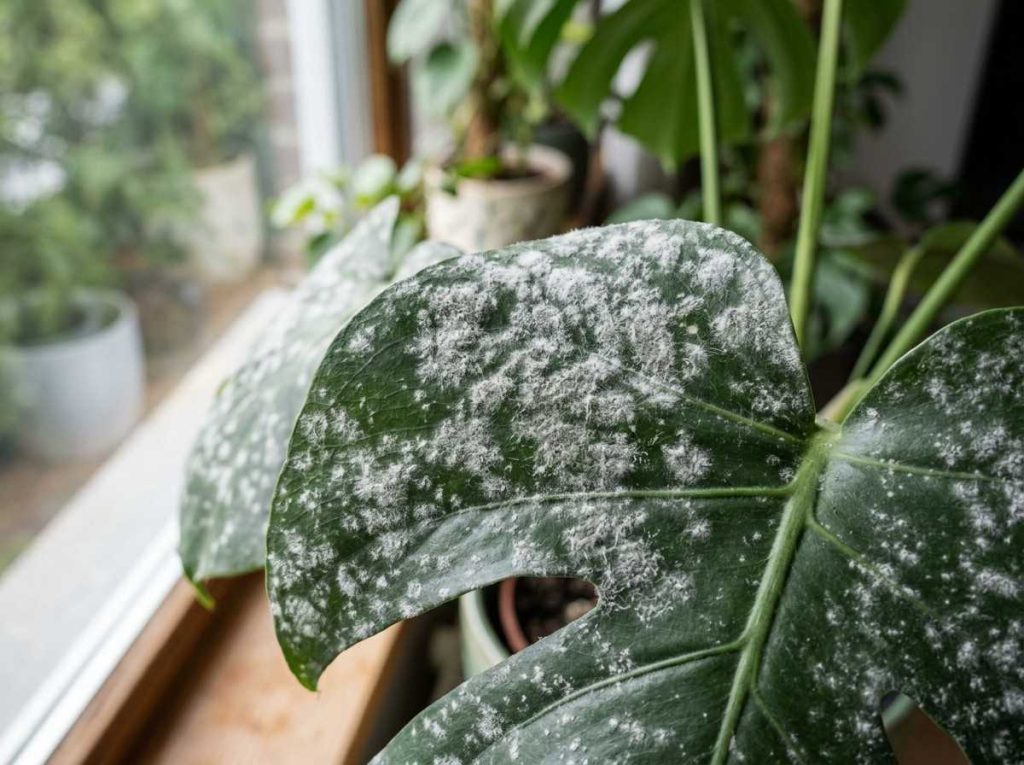
Powdery mildew is caused by fungi that thrive in warm, dry spaces with poor air flow.
Look for white, powdery spots on leaves, stems, and buds. It often spreads quickly.
Use fungicidal sprays, neem oil, or a baking soda solution to control and reduce mildew.
Yes, it weakens plants by blocking sunlight and can stunt growth if untreated.
Increase air circulation, avoid overwatering, and keep humidity low to prevent mildew growth.
Powdery mildew can harm your indoor plants quickly. Act fast to stop its spread. Keep plants dry and air moving around leaves. Use gentle cleaning methods and natural treatments. Healthy plants resist diseases better. Watch your plants often for early signs.
A little care goes a long way. Enjoy thriving, green plants inside your home.