Gardening Made Simple.
Are you struggling to keep your plants healthy but can’t figure out what's causing the damage? Spider mites and aphids might be the hidden enemies attacking your garden right now. Understanding Spider Mites Vs Aphids will help you quickly identify which pest is affecting your plants and choose the right treatment to protect your garden.
Knowing the difference between these two pests can save your plants and your time. You’ll discover how to spot each pest quickly, understand the damage they cause, and learn the best ways to protect your garden. Keep reading—you’ll soon feel confident in defending your plants like a pro.
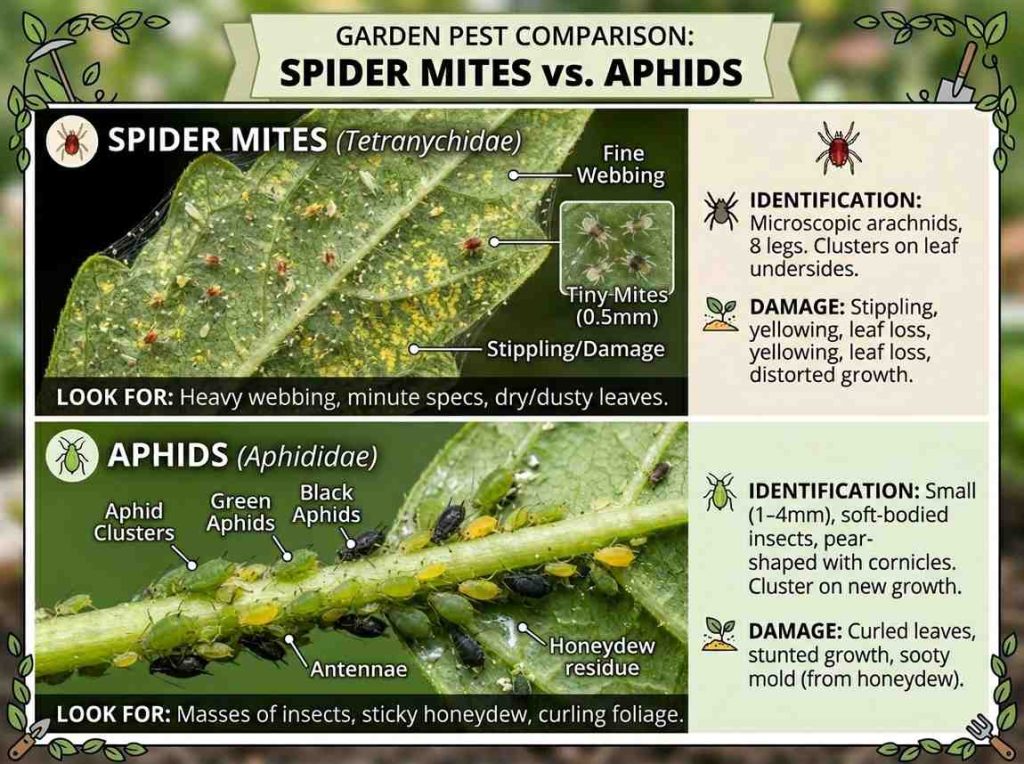
Spider mites are tiny pests that damage many plants. They are hard to see with the naked eye. Understanding their basics helps protect your garden or crops. Learn about their look, habits, and where they live.
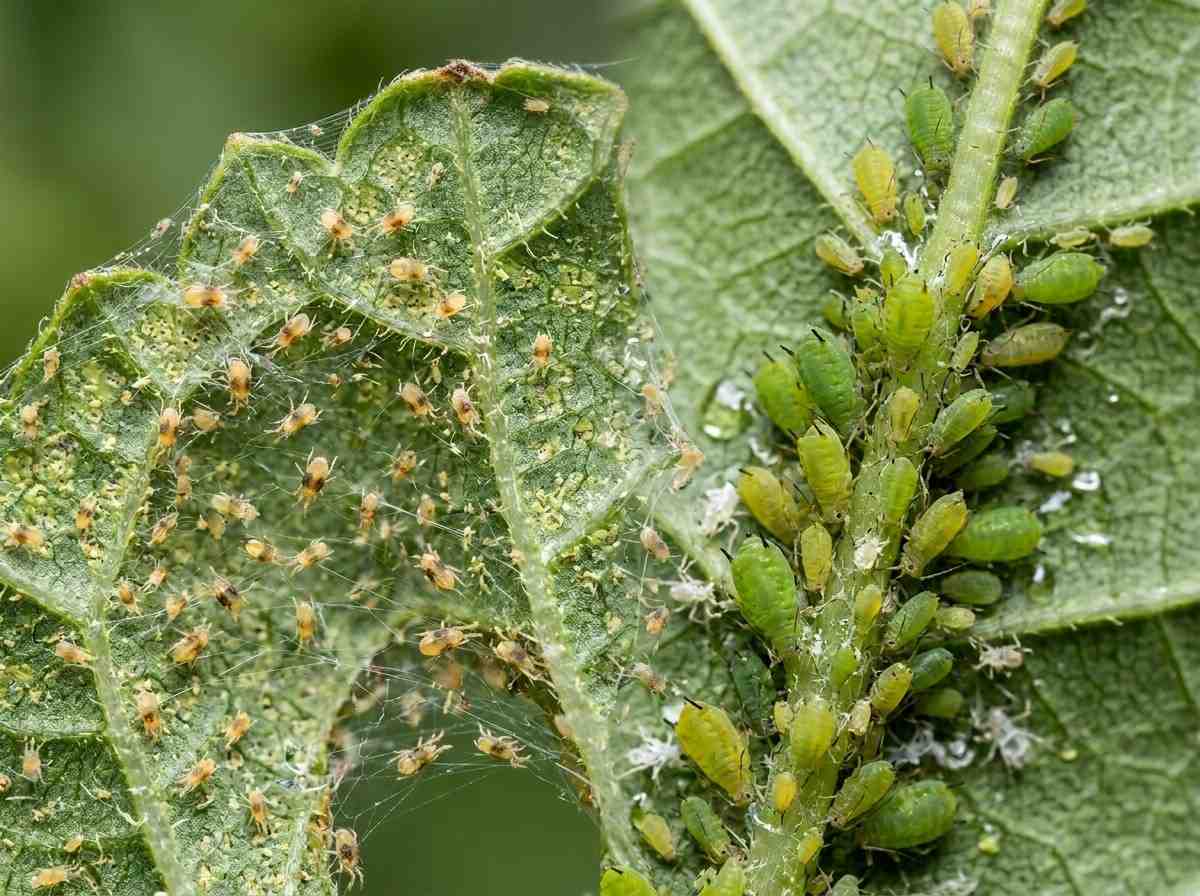
Spider mites are very small, about 1/50 inch long. They have eight legs and a round body. Colors vary from red, green, to yellow. They spin thin webs on leaves and stems. These webs protect them and their eggs. Spider mites feed by piercing plant cells. This causes leaves to become speckled or yellow.
Spider mites grow fast. They hatch from eggs in a few days. The young mites go through several stages before becoming adults. The whole cycle can finish in just one week. A single female can lay hundreds of eggs. This leads to quick population growth and more damage.
Spider mites live on many plants, indoors and outdoors. They prefer hot, dry conditions. You often find them on leaves’ undersides. They thrive in greenhouses, gardens, and farms. Plants under stress are more likely to get infested. Checking plants regularly helps catch spider mites early.
Aphids are small insects that affect many plants. They can cause damage quickly. Understanding aphids helps protect gardens and crops. Here are key facts about aphids you should know.
Aphids are tiny, usually less than 1/8 inch long. Their colors vary from green, yellow, black, to pink. They have soft bodies and pear shapes. Most have two tube-like structures called cornicles at their rear. These tubes release defensive fluids. Aphids use their needle-like mouthparts to suck plant sap.
Aphids reproduce very fast. Many give birth to live young without mating. This process is called parthenogenesis. One aphid can produce dozens of offspring in a week. Some species also lay eggs that survive winter. Rapid growth helps aphid populations explode in warm weather.
Aphids attack many plants, including vegetables, flowers, and trees. They like tender new growth and soft leaves. Common targets are roses, beans, tomatoes, and fruit trees. Aphids often gather on the undersides of leaves. They also prefer stems and buds for feeding.
Spider mites and aphids cause serious harm to plants. Both pests feed on plant sap, weakening the plant. This feeding disrupts the plant’s ability to grow and produce fruit or flowers. Damage from these pests can reduce crop yield and quality.
Understanding how each pest affects plants helps identify the problem early. Early detection is key to protecting your garden or farm.
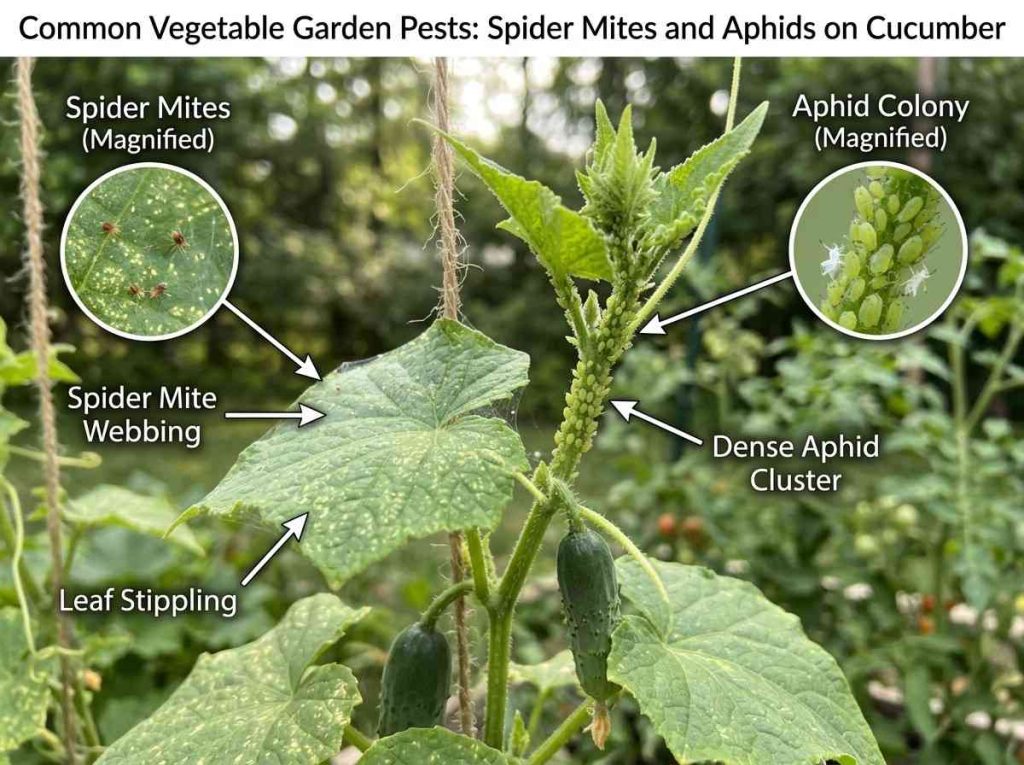
Spider mites create tiny, pale spots on leaves. These spots look like small dots or speckles. Leaves may also turn yellow or bronze. Fine webbing appears on the undersides of leaves. Heavy infestations cause leaves to dry out and fall off. Plants may look dusty or faded. You might see tiny moving dots under magnification.
Aphids cause leaves to curl or pucker. They cluster on new growth and stems. Sticky honeydew covers leaves and attracts ants. Black sooty mold often grows on the honeydew. Plants may become stunted and weak. Yellowing and wilting leaves are common. Flower buds may drop before opening.
Both pests reduce photosynthesis by damaging leaves. This lowers the plant’s energy and slows growth. Crops with heavy infestations produce fewer fruits. Quality suffers, with misshapen or discolored produce. Plants become more vulnerable to diseases. In severe cases, plants die before harvest. Managing these pests early protects long-term crop health.
Natural predators play a key role in controlling spider mites and aphids in gardens. These helpful insects eat pests and keep their numbers low. Using natural predators can reduce the need for chemicals. This helps protect plants and the environment.
Several insects feed on spider mites. Ladybugs are one of the most effective. They eat spider mites and their eggs quickly. Another is the predatory mite, which hunts spider mites on leaves. Lacewing larvae also consume many spider mites. These insects work well in gardens and greenhouses. They keep spider mites under control naturally.
Aphids have many natural enemies too. Ladybugs are famous for eating aphids in large amounts. Hoverfly larvae also attack aphids. They suck aphids’ body fluids, killing them fast. Parasitic wasps lay eggs inside aphids, which then die. These predators help reduce aphid populations without chemicals. They support healthy plant growth and balance.
Chemical control is a common way to manage spider mites and aphids. These pests cause damage by feeding on plants, reducing growth and yield. Choosing the right chemical treatment helps protect plants effectively. Different chemicals target specific pests, so correct use is important.
Spider mites are tiny and hard to see. Some insecticides work well against them. Miticides specifically target spider mites, stopping their growth and reproduction. Common miticides include abamectin and spiromesifen. Apply these chemicals carefully, following instructions. Overuse can cause resistance, making mites harder to kill later.
Aphids are soft-bodied insects that suck plant juices. Many insecticides target aphids directly. Products with imidacloprid or pyrethroids are effective against aphids. These treatments quickly reduce aphid populations. Use sprays or systemic insecticides for best results. Treat plants early to prevent aphid colonies from growing.
Chemical control can harm beneficial insects like bees and ladybugs. Avoid spraying during bloom to protect pollinators. Use chemicals only as needed and follow label directions. Wear protective gear to avoid exposure. Choose less toxic options when possible. Proper disposal prevents chemicals from polluting soil and water.
Organic pest control uses natural methods to protect plants from spider mites and aphids. It avoids harmful chemicals. This approach keeps your garden safe and healthy. It also supports beneficial insects that fight pests naturally.
Many gardeners prefer organic solutions. They want to grow plants without toxic sprays. These methods are gentle but effective. They help maintain a balanced garden ecosystem.
Simple ingredients from your kitchen can stop pests. Mix water with a little dish soap to spray on leaves. This solution smothers spider mites and aphids. Repeat every few days until pests disappear.
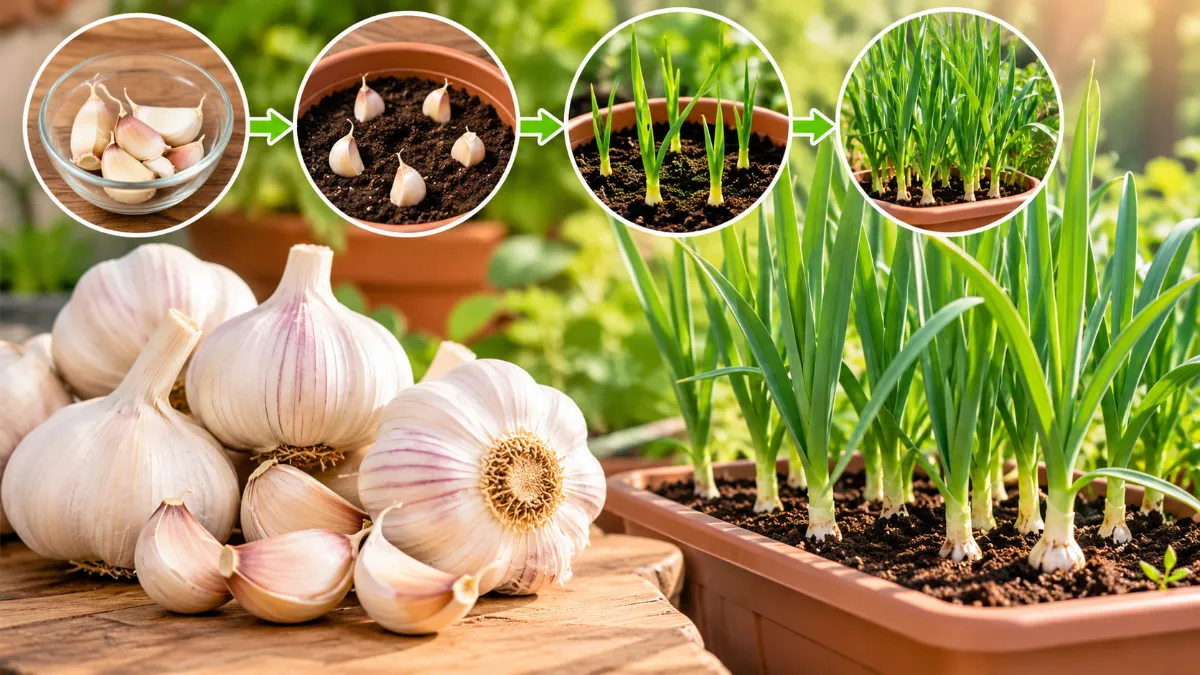
Garlic and chili pepper sprays also work well. They repel pests with their strong smell and taste. Use fresh ingredients for best results. These remedies are safe for kids and pets.
Neem oil is a natural insecticide from neem tree seeds. It disrupts pest growth and reduces their numbers. Spray neem oil diluted with water on affected plants. It controls both spider mites and aphids.
Insecticidal soaps are another option. They break down the pests’ outer layer, causing them to dry out. Use soaps made for plants only. Apply during cooler parts of the day to avoid leaf damage.
Planting certain flowers and herbs near your vegetables keeps pests away. Marigolds and nasturtiums repel aphids effectively. Lavender and rosemary discourage spider mites.
These companion plants attract beneficial insects like ladybugs and lacewings. These insects eat pests naturally. Companion planting creates a healthy, pest-resistant garden environment.
Preventing spider mites and aphids is easier than fixing an infestation. Early action protects plants and keeps them healthy. Simple daily habits reduce risks and save time.
Check plants often for tiny bugs or damage. Look under leaves and on new growth. Catch pests early before they spread. Use a magnifying glass for better view. Remove any insects or affected leaves quickly.
Healthy plants resist pests better. Water plants properly and avoid overwatering. Use good soil and add nutrients regularly. Trim dead or weak parts to improve air flow. Strong plants recover faster from any pest harm.
Keep the garden clean and free of debris. Avoid overcrowding plants to reduce humidity. Use natural predators like ladybugs to eat pests. Adjust temperature and humidity to discourage spider mites. Regularly spray water on leaves to keep mites away.
Choosing the right method to control spider mites and aphids is key to protecting your plants. Each pest behaves differently. Each needs a unique approach. Picking the best method helps stop damage fast. It saves your plants and time.
Start by checking how many pests are on your plants. A few spider mites or aphids need gentle care. Large groups mean quick action is needed. Look for damaged leaves or sticky residue. The more damage, the stronger the method should be. Small problems may only need natural sprays or hand removal.
Using more than one method often works best. For example, natural predators can eat pests. Use insecticidal soap to kill those left behind. This combination reduces pests without harming plants. Rotate treatments to stop pests from becoming resistant. Mixing methods keeps your garden healthy and pest-free.
Keep watching your plants after treatment. Check leaves and stems every few days. Early detection stops pests from returning. Reapply treatments if pests come back. Keep records of what works well. Regular monitoring saves plants and prevents future outbreaks.
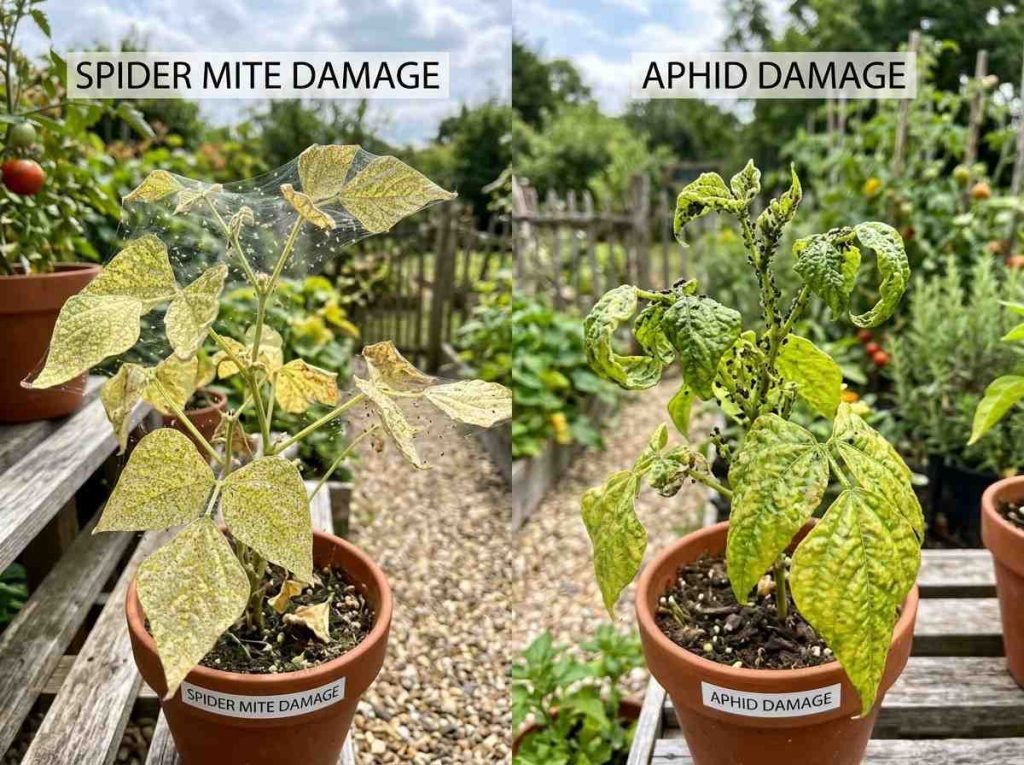
Spider mites are tiny, spider-like pests; aphids are soft, pear-shaped insects. Both harm plants differently.
Spider mites suck plant juices causing spots; aphids feed on sap, causing leaves to curl and yellow.
Spider mites prefer dry conditions on many houseplants; aphids attack vegetables, fruits, and flowering plants.
Look for tiny webs with spider mites; aphids cluster in groups without webs on stems and leaves.
Use insecticidal soap or neem oil; keep plants healthy and spray water to remove pests.
Spider mites and aphids both harm plants but in different ways. Spider mites create tiny webs and suck plant juices. Aphids gather in groups and also feed on plant sap. Knowing their differences helps protect your garden better. Watch for signs like webs or sticky leaves.
Acting quickly stops damage and keeps plants healthy. Choose the right method to control each pest. Healthy plants grow strong and look great. Stay alert and care for your garden every day.