Gardening Made Simple.
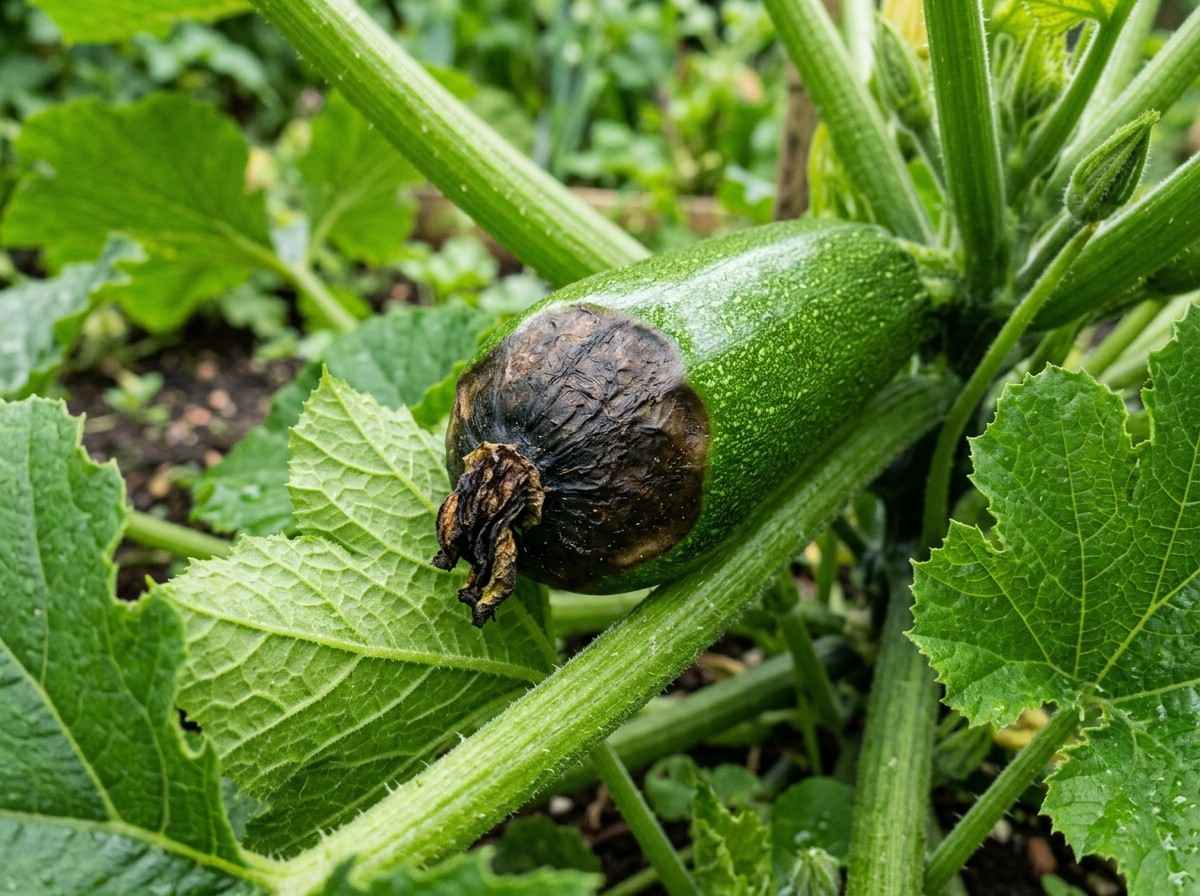
Are you frustrated to see your zucchini plants growing healthy leaves but developing ugly, sunken spots at the blossom end of the fruit? If you’ve noticed this problem, you’re likely dealing with Blossom End Rot in Zucchini.
This common issue can quickly ruin your harvest and leave you wondering what went wrong. But don’t worry—understanding why blossom end rot happens and how to prevent it can save your zucchini crop and boost your confidence as a gardener.
Keep reading to discover simple, effective tips that will help you protect your zucchinis and enjoy a bountiful harvest.
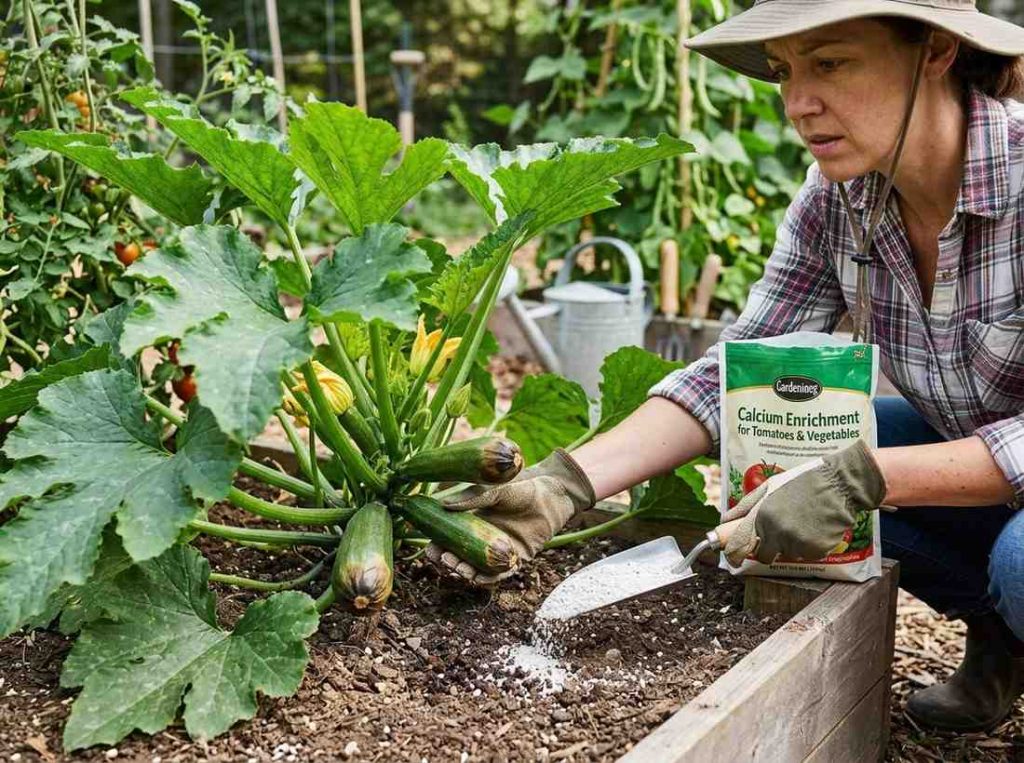
Blossom end rot is a common problem in zucchini plants. It shows up as dark, sunken spots at the bottom of the fruit. This issue can make your zucchinis look bad and spoil quickly.
The cause is usually a lack of calcium in the plant fruit. Calcium helps the fruit grow healthy and strong. Without enough calcium, the fruit tissue breaks down and rots.
Blossom end rot is not a disease or pest. It is a disorder caused by nutrient imbalance or water stress. Learning about it helps you prevent damage to your zucchini harvest.
Calcium shortage is the main cause of blossom end rot. This happens when the plant cannot move enough calcium to the fruit. Water stress, such as drought or overwatering, can block calcium flow.
Other factors include poor soil quality and uneven watering. These stop the plant from getting steady calcium supply. Fast growth can also increase calcium demand beyond supply.
Look for dark brown or black spots at the fruit’s bottom. The spots feel dry and sunken compared to the rest of the fruit. The affected area grows bigger as the fruit matures.
Early signs include small, water-soaked areas. These spots quickly turn dark and leathery. The fruit may stop growing normally and become misshapen.
This problem reduces the quality and yield of your zucchini. The affected fruit is not safe to eat. Blossom end rot can spread to other fruits on the plant.
It wastes your effort and garden space. The disorder lowers your overall harvest and plant health. Detecting it early can save many zucchinis from damage.
Zucchini often gets blossom end rot due to lack of calcium in the fruit. Uneven watering makes it worse, causing spots and damage. This problem stops healthy growth and lowers the harvest.
Zucchini plants often suffer from blossom end rot. This problem appears as dark, sunken spots at the fruit’s bottom. The cause is not a disease but a nutrient imbalance. Zucchini needs calcium to develop healthy fruit. Without enough calcium, the fruit tissue breaks down.
Calcium moves through the plant with water. If water supply is uneven, calcium cannot reach the fruit properly. Zucchini grows quickly, which can make calcium demand high. Stress from heat or drought also limits calcium uptake. This makes zucchini more likely to develop blossom end rot.
Calcium is crucial for cell walls and fruit strength. Zucchini plants with low calcium show signs of blossom end rot. Soil lacking calcium or poor absorption causes this deficiency. Even with enough calcium in soil, plants may not get it if conditions are wrong.
Water stress affects calcium movement in zucchini plants. Both too little and too much water cause problems. Dry soil stops calcium from moving to the fruit. Overwatering drowns roots and blocks calcium absorption. Consistent watering helps prevent blossom end rot.
Zucchini grows fast during fruiting. Rapid growth can outpace calcium supply. The plant focuses calcium on leaves first. Fruits get less calcium, leading to blossom end rot. Managing plant growth can reduce this risk.
Soil pH affects calcium availability. Acidic or very alkaline soils hold calcium poorly. Nutrient imbalances in soil also block calcium uptake. Testing soil helps identify problems before planting zucchini.
Blossom end rot in zucchini is a common problem many gardeners face. It causes the fruit to develop dark, sunken spots at the bottom. Understanding what causes this issue helps prevent it. Several factors often work together to trigger this disorder.
Calcium is vital for healthy zucchini growth. Without enough calcium, the fruit cells weaken. This leads to the dark, rotting spots known as blossom end rot. Even if the soil has calcium, plants may not absorb it well. Rapid growth or uneven watering can block calcium uptake.
Inconsistent watering often causes blossom end rot. Too little water stresses the plant and reduces calcium flow. Too much water can wash nutrients away from the roots. Both extremes disturb the plant’s balance. Keeping soil evenly moist is key to healthy zucchini.
Soil must have the right nutrients and pH level for zucchini. If soil is too acidic or alkaline, calcium becomes less available. High levels of potassium or magnesium also interfere with calcium absorption. Testing soil regularly helps maintain proper nutrient balance.
Heat, drought, or sudden weather changes add stress to zucchini plants. Stress slows calcium movement inside the plant. This makes the fruit more prone to blossom end rot. Protecting plants from harsh conditions reduces this risk. Shade and mulch can help keep soil cool and moist.
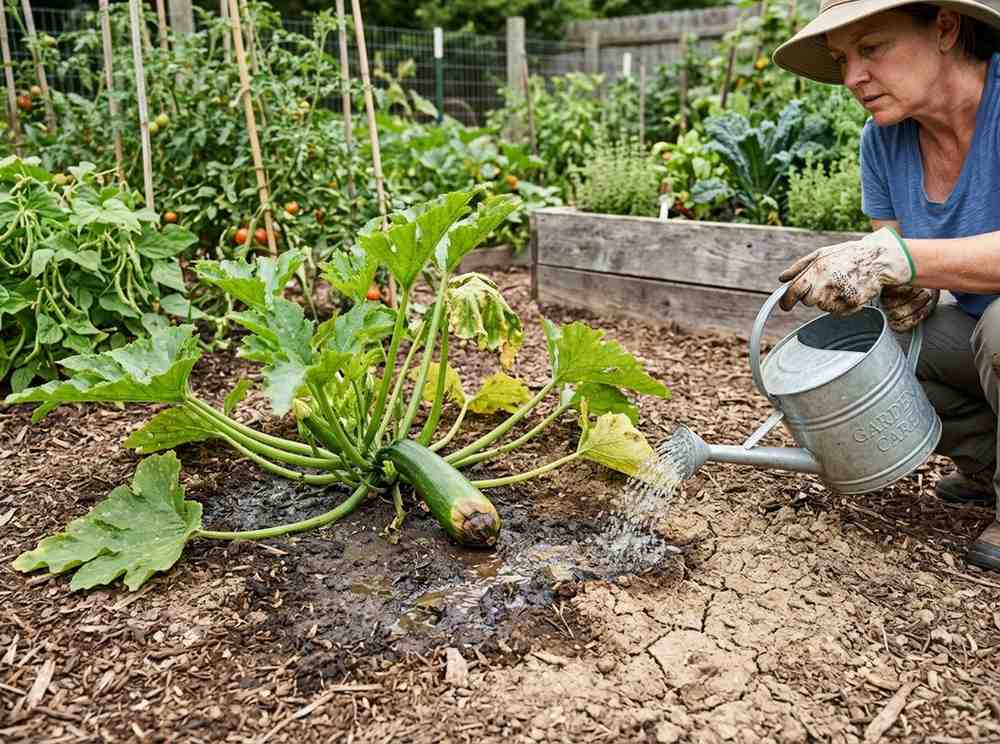
Spotting the symptoms of blossom end rot in zucchini is key to saving your plants early. This problem affects the fruit's bottom, causing damage. Quick identification helps protect your harvest and keep plants healthy.
Blossom end rot starts as a small, water-soaked spot on the fruit’s bottom. This spot quickly grows larger and darkens. The affected area becomes dry, sunken, and leathery. It looks like a black or brown patch at the zucchini’s end.
The fruit stops growing normally. The damaged area may crack or rot further. The rot can spread inside, ruining the entire fruit. Affected zucchinis often fall off the plant early.
Look for small, soft spots near the blossom end. The spots may feel mushy at first. Leaves may remain green, so check the fruit carefully. Spotting symptoms early can help reduce damage.
Preventing blossom end rot is key to growing healthy zucchini. This common problem causes dark, sunken spots on the fruit’s bottom. It happens because the plant lacks calcium or water. Fixing this early keeps your zucchini plants strong and productive.
Start with good soil before planting. Test soil pH to keep it between 6.0 and 6.8. Add lime or gypsum to improve calcium if needed. Mix organic matter like compost to help soil hold moisture. Well-prepared soil supports steady calcium supply to plants.
Water zucchini plants evenly. Avoid dry spells and overwatering. Use drip irrigation or soaker hoses for steady moisture. Water at the base to protect leaves and roots. Consistent watering helps plants absorb calcium better.
Add calcium supplements if soil lacks this nutrient. Use calcium nitrate or calcium sprays on leaves. Follow package instructions for best results. Supplements boost calcium quickly, reducing blossom end rot risks.
Apply mulch around zucchini plants. Mulch keeps soil moist and cool. It stops rapid drying and moisture swings. Organic mulches also add nutrients over time. Mulching supports steady water and calcium levels in soil.
Blossom end rot can damage zucchini plants quickly. Acting fast helps save your harvest. Some simple steps can stop the problem from getting worse. These quick fixes boost plant health and reduce fruit loss.
Water your zucchini plants evenly and deeply. Avoid letting the soil dry out completely. Sudden changes in moisture cause calcium to move poorly. Use mulch to keep soil moist longer. Water early in the day to reduce evaporation.
Spray calcium directly on affected leaves and fruits. Use a calcium chloride or calcium nitrate solution. Follow the label for correct mixing and frequency. This helps plants absorb calcium faster. It reduces the chance of more blossom end rot.
Cut off fruits with dark, sunken spots at the blossom end. Removing these fruits stops stress on the plant. It lets the plant focus on healthy fruit growth. Use clean tools to prevent disease spread.
Long-term care is key to prevent blossom end rot in zucchini plants. Healthy soil and steady plant care reduce this common problem. Follow these tips to keep your zucchini strong and productive over time.
Move zucchini plants to a different spot each year. This prevents soil nutrient loss and reduces disease risk. Avoid planting zucchini near other squash or cucurbits. Rotate with beans, peas, or leafy greens for best results.
Use balanced fertilizer to provide essential nutrients. Calcium is crucial to stop blossom end rot. Apply fertilizer based on soil test results. Avoid too much nitrogen; it can harm fruit quality. Regular feeding supports steady growth and fruit development.
Check plants often for signs of stress or disease. Look for yellowing leaves or spots on fruit. Water plants evenly to avoid drought or overwatering. Remove damaged fruit to prevent spread of problems. Early action keeps zucchini healthy and productive.
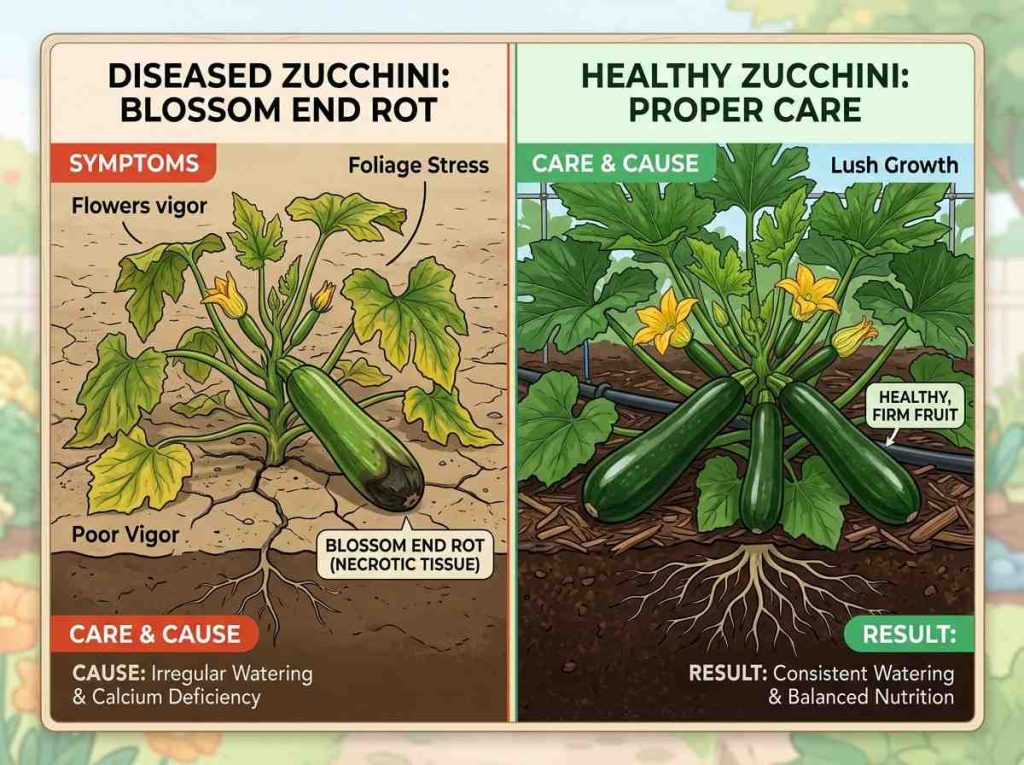
Blossom end rot is caused by calcium deficiency in the fruit during growth.
Keep soil evenly moist and add calcium-rich fertilizer to prevent this disorder.
Yes, the affected end of the zucchini becomes dark, sunken, and rotten.
Too much water can wash away calcium, making blossom end rot more likely.
It’s best to cut off the rotten part before eating the rest.
Blossom end rot in zucchini can be managed with simple steps. Keep soil moisture steady and avoid dry spells. Add calcium to the soil to help plants stay healthy. Watch your plants often for early signs of trouble. Acting quickly prevents damaged fruit and wasted effort.
Growing zucchini is rewarding when you care for them well. Healthy plants produce better, tastier zucchinis for your table. Stay patient and consistent, and your garden will thrive.