Gardening Made Simple.
Are you ready to grow your own fresh onions but unsure When to Plant Onion Bulbs? Timing is everything when it comes to getting the best harvest.
Plant too early or too late, and your onions might not grow as big or flavorful as you want. You’ll discover the perfect planting window to ensure your onions thrive. Keep reading, and you’ll learn the simple steps that can make your onion-growing experience a success from start to finish.
Your garden—and your taste buds—will thank you!
Choosing the right onion bulbs is key to a good harvest. Healthy bulbs grow strong plants that produce tasty onions. Picking the right type and quality ensures your garden thrives. This section helps you find the best onion bulbs for planting.
Onion bulbs come in different types. Common types include short-day, long-day, and day-neutral onions. Short-day onions grow best in mild winter areas. Long-day onions need longer daylight and suit cooler climates. Day-neutral onions adapt to many places. Choose bulbs that match your local daylight and climate.
Pick bulbs that look firm and feel heavy. Avoid bulbs with soft spots or mold. Healthy bulbs have dry skins and no sprouting. Check for damage or cuts on the bulb surface. Good bulbs start strong growth and resist disease. Quality bulbs make planting easier and more successful.
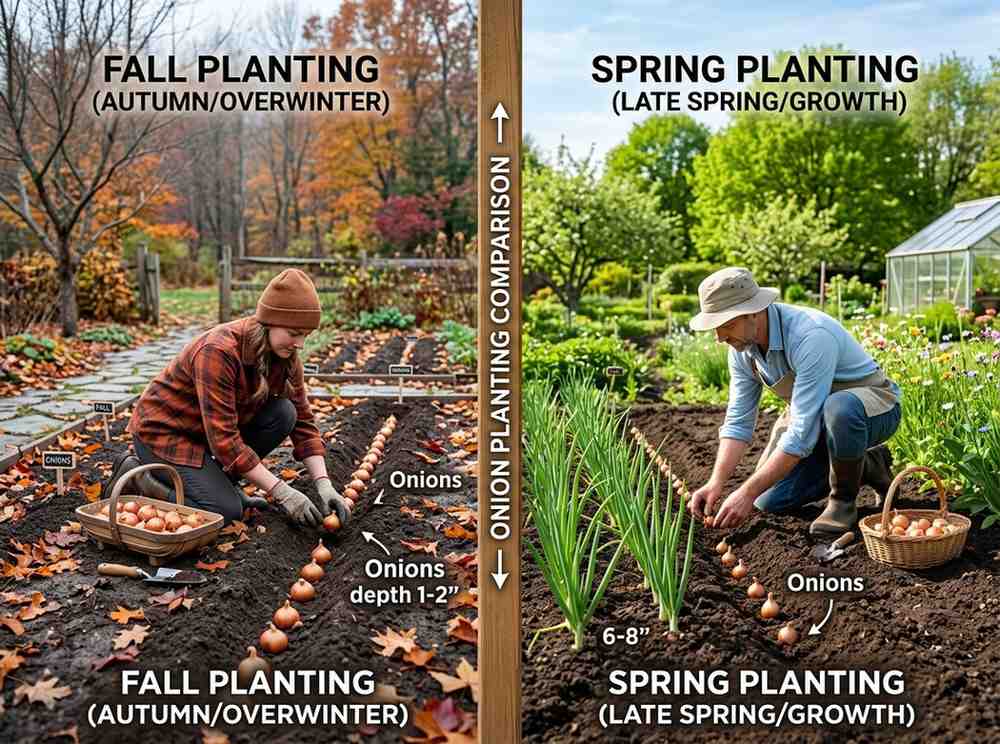
Knowing the best time to plant onion bulbs helps you grow healthy onions. Planting at the right time gives onions enough time to develop strong roots and large bulbs. The ideal planting time depends on the season and your location. Understanding these factors leads to a better harvest and fewer problems.
Onion bulbs grow best in cool weather. Plant them in early spring or late fall. Early spring planting lets onions grow before hot weather arrives. Late fall planting works in mild climates where winter is not too cold. Avoid planting in the middle of summer. Heat slows onion growth and can cause poor bulbs.
Planting time changes based on your region. In northern areas, plant onion bulbs after the last frost date. This usually means early spring. Southern regions have milder winters. Plant onion bulbs in late fall or winter for best results. Coastal areas can plant onions almost year-round due to mild weather. Check local frost dates and soil temperature for best timing.
Preparing soil for onion planting is key to growing healthy onions. Good soil helps bulbs grow strong and large. Taking time to prepare the soil leads to better results in your garden.
Onions need loose, well-drained soil to grow well. Compact or wet soil can cause bulbs to rot. Proper soil preparation creates the right environment for onion roots to spread easily.
Onions prefer soil with a pH between 6.0 and 7.0. Slightly acidic to neutral soil works best. The soil should be rich in organic matter and nutrients.
Drainage is very important. Water must not stay on the surface or inside the soil for long. Heavy clay soil can harm onion growth.
Light, sandy loam or loamy soil types suit onions best. These soils hold moisture but still drain well.
To improve soil, start by loosening it deeply. Use a shovel or tiller to break up hard clumps. This improves air flow and root growth.
Add organic matter like compost or aged manure. This boosts nutrients and helps the soil hold moisture. Spread 2 to 3 inches of compost on the soil surface.
Mix it well into the top 6 to 8 inches of soil. This step improves texture and fertility for onions.
Test soil for nutrient levels if possible. Add balanced fertilizer to provide nitrogen, phosphorus, and potassium. These nutrients support bulb development.
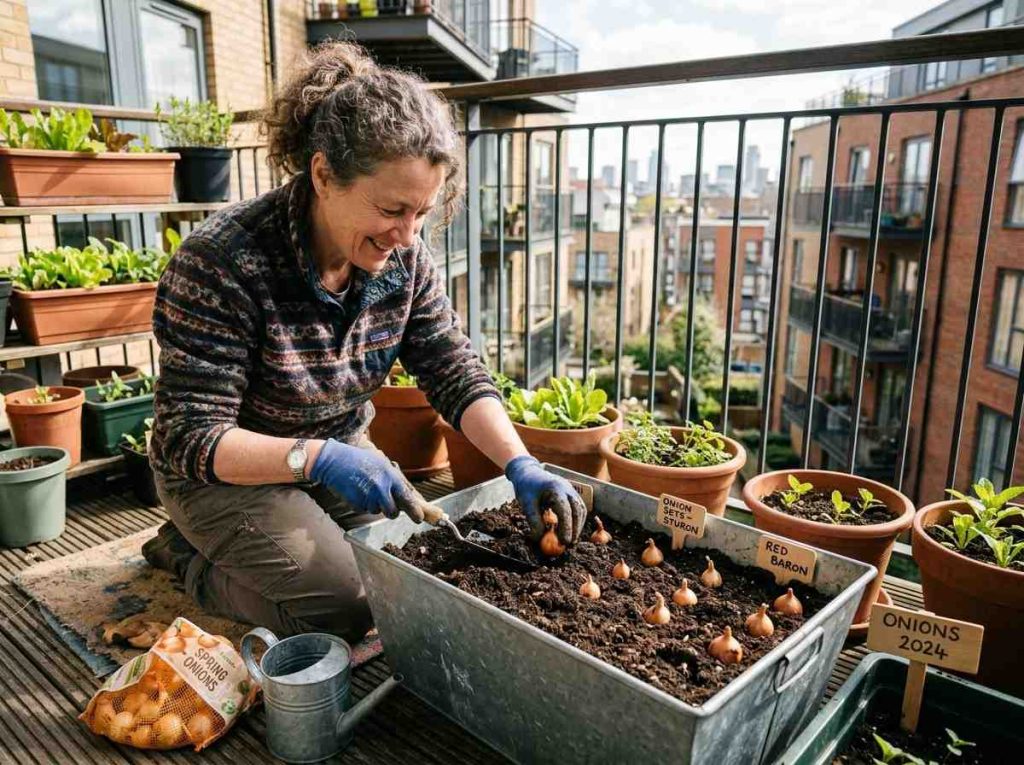
Planting onion bulbs correctly helps them grow strong and healthy. Good planting methods improve bulb size and reduce disease risk. Pay attention to soil, spacing, and water to get the best results.
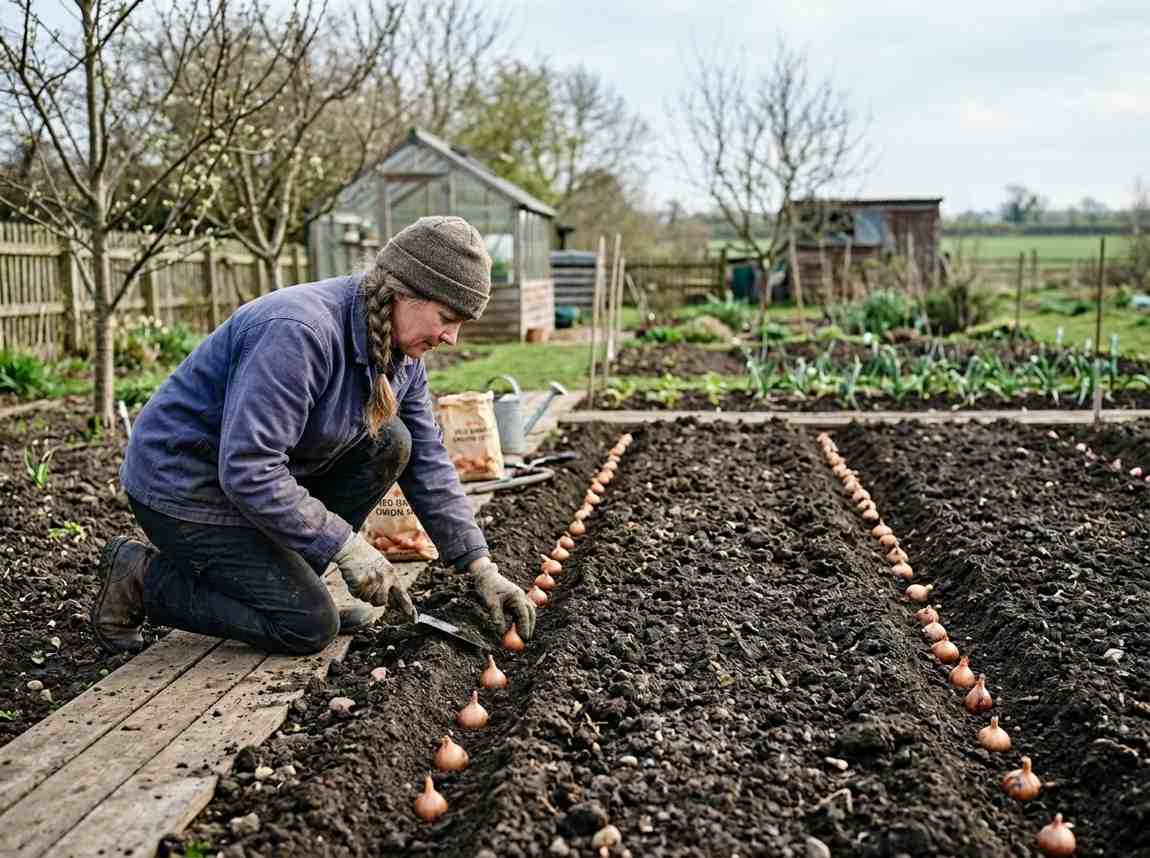
Plant onion bulbs 1 inch deep in loose soil. Keep 4 to 6 inches between each bulb. Rows should be 12 to 18 inches apart. Proper spacing lets air move around bulbs. This helps stop rot and pest problems.
Water onion bulbs right after planting. Keep soil moist but not soggy. Water deeply once or twice a week. Avoid wetting leaves to prevent disease. Reduce watering as bulbs mature to avoid soft bulbs.
Caring for onion bulbs after planting is key to a good harvest. Onions need the right care to grow strong and healthy. Proper care helps bulbs develop fully and prevents common problems. Focus on feeding the soil and protecting the plants from weeds and pests. These steps keep your onion patch thriving.
Feed onion bulbs regularly to support growth. Use a balanced fertilizer with nitrogen, phosphorus, and potassium. Apply fertilizer every two to three weeks. Avoid too much nitrogen, which can cause weak bulbs. Water after fertilizing to help nutrients reach the roots. Healthy soil means bigger, better onions.
Keep the area around onions free from weeds. Weeds compete for water and nutrients. Pull weeds by hand or use a hoe carefully. Check onion plants for pests like onion maggots and thrips. Use natural pest control methods such as neem oil. Healthy plants resist pests better and grow well.
Healthy onion growth shows clear signs from early stages. These signs help gardeners know the plants are doing well. Watching these signs guides better care and timing for harvest. Understanding onion growth makes gardening more successful and satisfying.
Leaves grow tall and firm in healthy onions. They show a bright green color without spots. Leaves stand upright, not drooping or yellowing. New leaves form regularly, signaling active growth. Strong leaves help onions gather sunlight for energy. Healthy leaf growth means roots are working well underground.
Bulbs start to swell at the base of leaves. The swelling is firm and round, not soft or shriveled. A good onion bulb grows evenly without cracks. The soil around the bulb stays loose and moist. Bulb size increases over weeks as the onion matures. Healthy bulb formation means the plant stores energy well.
Planting onion bulbs requires care and attention. Avoiding common mistakes helps your onions grow healthy and strong. Small errors can cause poor growth or crop failure. Here are key mistakes to watch out for.
Planting onions too early exposes bulbs to frost damage. Cold soil slows growth and can kill young plants. Planting too late means bulbs may not mature before winter. Timing is important. Check your local climate and soil temperature before planting.
Onions need consistent moisture but not soggy soil. Overwatering causes bulb rot and weak roots. Underwatering leads to dry soil and stunted growth. Water onions deeply but allow soil to dry slightly between watering. Proper water balance promotes healthy bulbs.
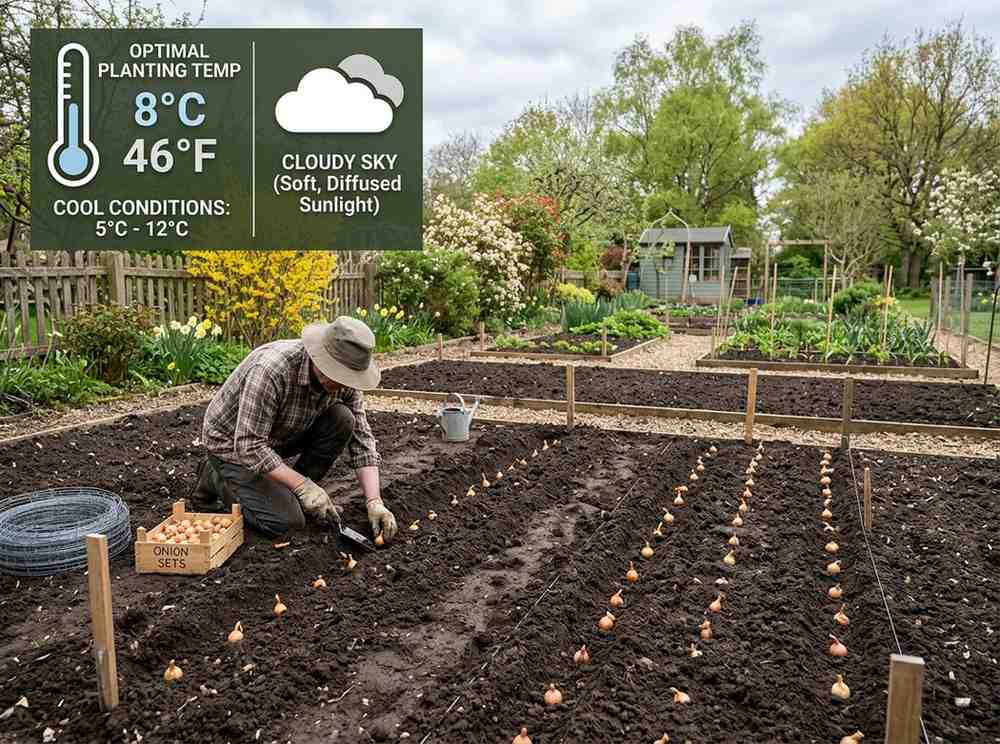
Plant onion bulbs in early spring, about 4-6 weeks before the last frost date.
Onions grow best in cool weather but need soil to warm slightly before planting.
Planting onion bulbs in fall is possible in mild climates for early spring harvest.
Plant onion bulbs about 1 inch deep, with the pointed end facing up.
Space onion bulbs 4-6 inches apart to allow enough room for growth and airflow.
Planting onion bulbs at the right time helps them grow well. Choose a cool season for best results. Soil should be loose and well-drained. Plant bulbs a few weeks before the last frost. This gives onions a strong start. Watch for green shoots to appear soon.
Water regularly but avoid soaking the soil. With good care, onions will grow big and healthy. Timing matters for a tasty onion harvest. Start now, and enjoy fresh onions from your garden.