Gardening Made Simple.
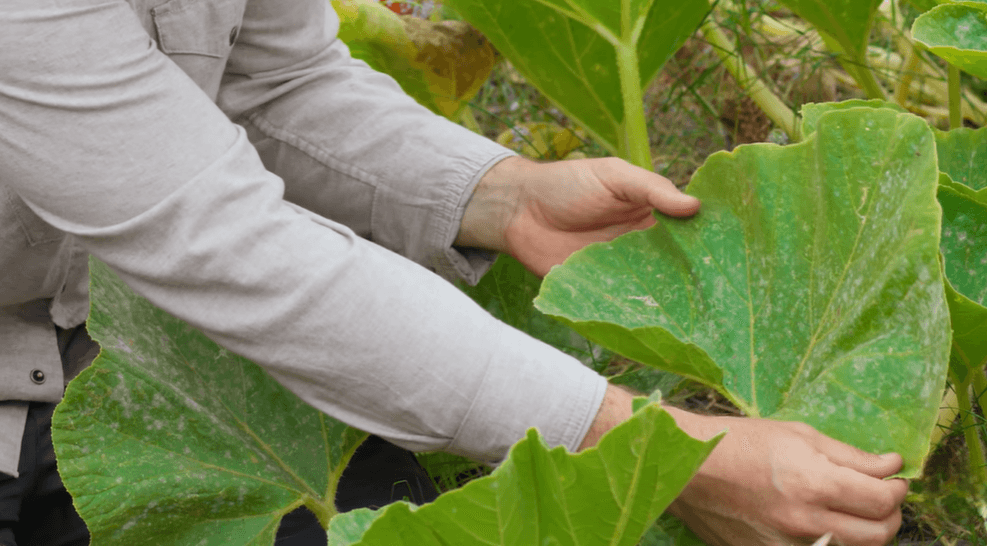
Have you noticed a white, powdery coating on your plants and wondered what’s causing it? That stubborn dust isn’t just dirt—it’s powdery mildew, a common but frustrating plant disease. Understanding What Causes Powdery Mildew on Plants can help you identify the problem early and take the right steps to protect your garden.
If you want to protect your garden and keep your plants healthy, understanding what triggers this problem is key. You’ll discover the main causes of powdery mildew and learn how to spot it early before it takes over your favorite plants.
Keep reading to take control and save your garden from this sneaky invader.
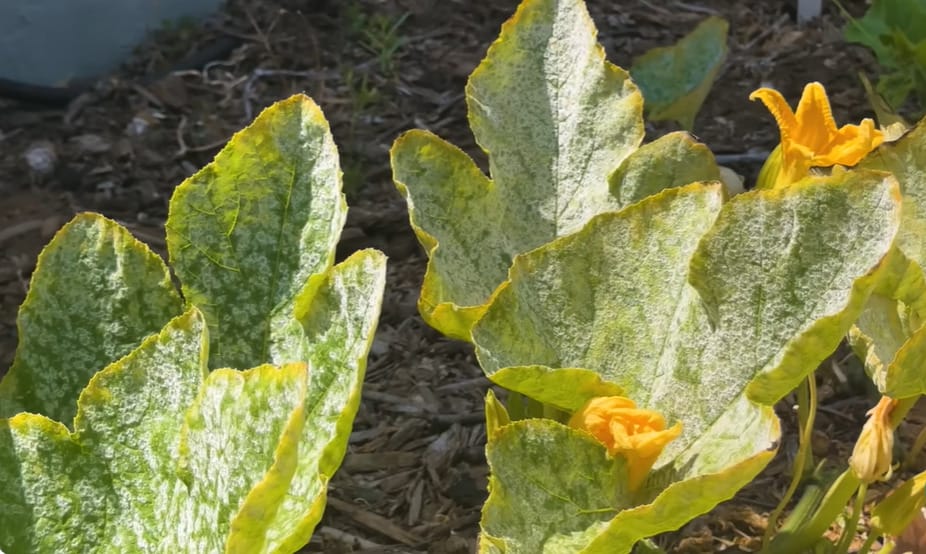
Powdery mildew is a common plant disease caused by fungi. It affects many types of plants worldwide. The fungi spread quickly in dry, warm places with poor air flow. Powdery mildew can weaken plants and reduce their growth. Early detection helps control the spread and protect plants.
This disease appears on leaves, stems, and buds. It looks like a white or gray powdery coating. Powdery mildew reduces photosynthesis, which weakens the plant. Understanding its signs and affected plants helps gardeners act fast. This knowledge is key to keeping plants healthy.
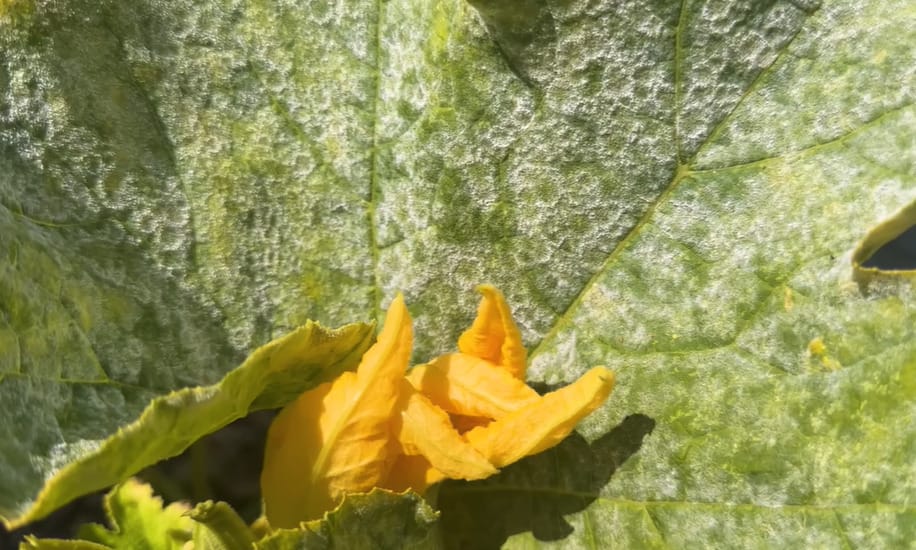
Powdery mildew looks like white or gray dust on leaves. It may cover the entire leaf surface or form small patches. The powdery spots can spread to stems and buds. Leaves may curl, turn yellow, or die if infection worsens. The white coating feels soft and powdery to touch.
Many garden and houseplants can get powdery mildew. Roses, cucumbers, and squash are often affected. Grapevines and oak trees can also show signs. Indoor plants like ivy and begonias may get infected too. Knowing which plants are common targets helps gardeners check carefully.
Powdery mildew appears because of tiny fungal pathogens. These fungi live on plant surfaces. They steal nutrients and weaken plants. Understanding these fungi helps control the disease better.
Different fungi cause powdery mildew on various plants. The main group belongs to the Erysiphales order. Common species include Podosphaera, Oidium, and Erysiphe. Each targets specific plants. For example, Oidium often affects grapes. Podosphaera attacks roses and vegetables. Knowing the type helps choose the right treatment.
Fungal spores spread easily through air and water. Wind carries spores to healthy leaves and stems. Spores can also travel on tools, clothes, and insects. Warm, dry weather helps spores grow fast. Crowded plants increase the chance of spread. Early detection stops fungi from spreading widely.
Powdery mildew thrives under certain environmental conditions. These conditions create the perfect setting for the fungus to grow and spread quickly. Understanding these factors helps protect plants from this common problem.
Powdery mildew prefers dry leaves but high humidity in the air. Moist air helps the fungal spores germinate and infect plants. Wet leaves are less favorable, yet high moisture in the environment supports mildew growth.
Moderate temperatures between 60°F and 80°F encourage powdery mildew. Too hot or too cold slows the fungus down. Warm nights with cool days often increase mildew outbreaks on plants.
Poor air circulation creates stagnant zones where mildew thrives. Crowded plants trap moisture and humidity. Good airflow helps dry leaves and reduce mildew risk effectively.
Powdery mildew affects many plants, but some are more likely to get it. Certain factors make plants easier targets for this fungal disease. Understanding these factors helps gardeners protect their plants better.
Some plants naturally attract powdery mildew more than others. Certain species have thinner leaves or less natural defense. Within one species, some varieties resist the fungus better. Choosing resistant varieties reduces mildew problems.
Plants under stress become weak and vulnerable. Lack of water or poor soil hurts their health. Nutrient shortages also lower their ability to fight diseases. Healthy plants with proper care resist powdery mildew more easily.
Crowded plants trap moisture and reduce airflow. This creates a perfect environment for powdery mildew to grow. Proper spacing allows air movement and dries leaves faster. Giving plants enough room helps keep mildew away.
Human activities play a big role in causing powdery mildew on plants. Many gardening habits create the perfect environment for this fungal disease. Understanding these activities helps in preventing the problem early.
Too much water keeps leaves wet for long periods. This moisture invites powdery mildew spores to grow and spread. Watering in the evening or using overhead irrigation raises humidity around plants. This creates a cozy place for the fungus.
Cutting plants wrongly can harm their natural defense. Dense branches and leaves trap moisture and reduce airflow. This damp and crowded space favors powdery mildew growth. Pruning at the wrong time also stresses plants, making them weak against infections.
Excessive use of nitrogen fertilizers encourages soft, lush growth. This new growth is more vulnerable to powdery mildew. Some chemicals can upset the plant’s balance and harm helpful microbes. This disruption makes plants less able to fight off the fungus naturally.
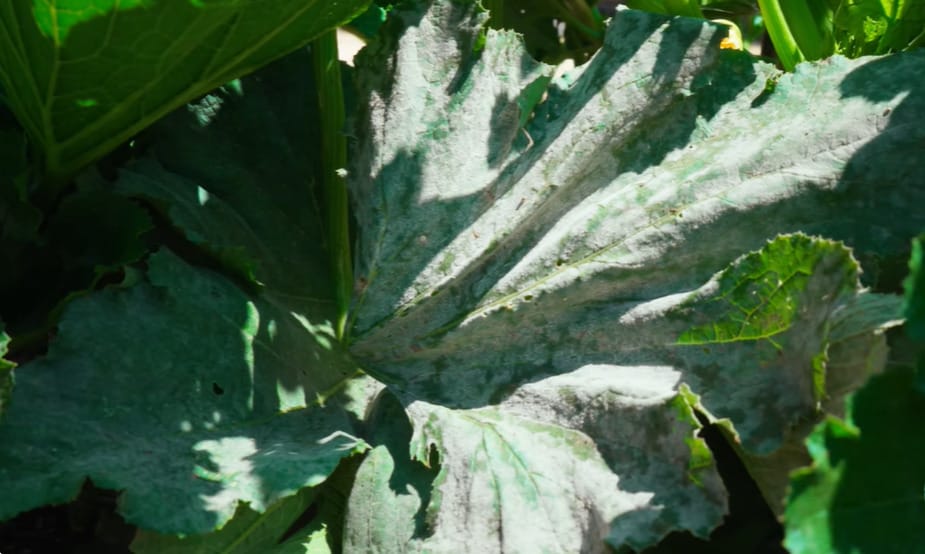
Preventing powdery mildew is easier than treating it later. Taking steps early can protect your plants and keep them healthy. Simple habits reduce the chance of this disease spreading. Focus on three main areas to stop powdery mildew before it starts.
Select plants that resist powdery mildew naturally. Some varieties handle the fungus better than others. Check plant labels or ask at nurseries for resistant types. This choice lowers your chance of infection from the start.
Powdery mildew thrives in crowded, humid spaces. Space plants well to improve air flow around leaves. Avoid watering leaves directly; water the soil instead. Keep plants in sunny spots to reduce moisture and fungus growth.
Check plants often for early signs of powdery mildew. Look for white, powdery spots on leaves and stems. Remove infected leaves right away to stop spread. Clean garden tools regularly to avoid transferring spores.
Powdery mildew is a fungal disease that looks like white powder on leaves and stems.
It grows in warm, dry places with poor air flow and high humidity.
Many plants like roses, cucumbers, and squash often get powdery mildew.
It spreads through spores carried by wind, water, and insects.
It usually weakens plants but rarely kills them unless left untreated.
Powdery mildew grows best in warm, dry places with poor air flow. It spreads quickly on many plants, causing white patches on leaves. Understanding what causes it helps protect your garden. Keep plants healthy by watering at the base and spacing them well.
Remove infected leaves to stop the spread. Regular checks catch problems early. Healthy plants fight diseases better. Watch for signs often. Control powdery mildew to keep your plants strong and green. Simple care makes a big difference in preventing this common disease.