Gardening Made Simple.
How Do You Grow Turnips is a common question for gardeners looking for an easy and rewarding crop. If you're wondering how do you grow turnips, success starts with planting seeds in well-drained soil, providing consistent moisture, and growing them during the cool season. This guide walks you through every step—from sowing seeds to harvesting tender, flavorful turnips—so you can enjoy a healthy and productive harvest.
You’ll learn about soil preparation, planting, watering, pest control, and harvesting techniques. Plus, you’ll discover practical tips that most first-time growers miss. Let’s dig in and make your turnip patch a success.
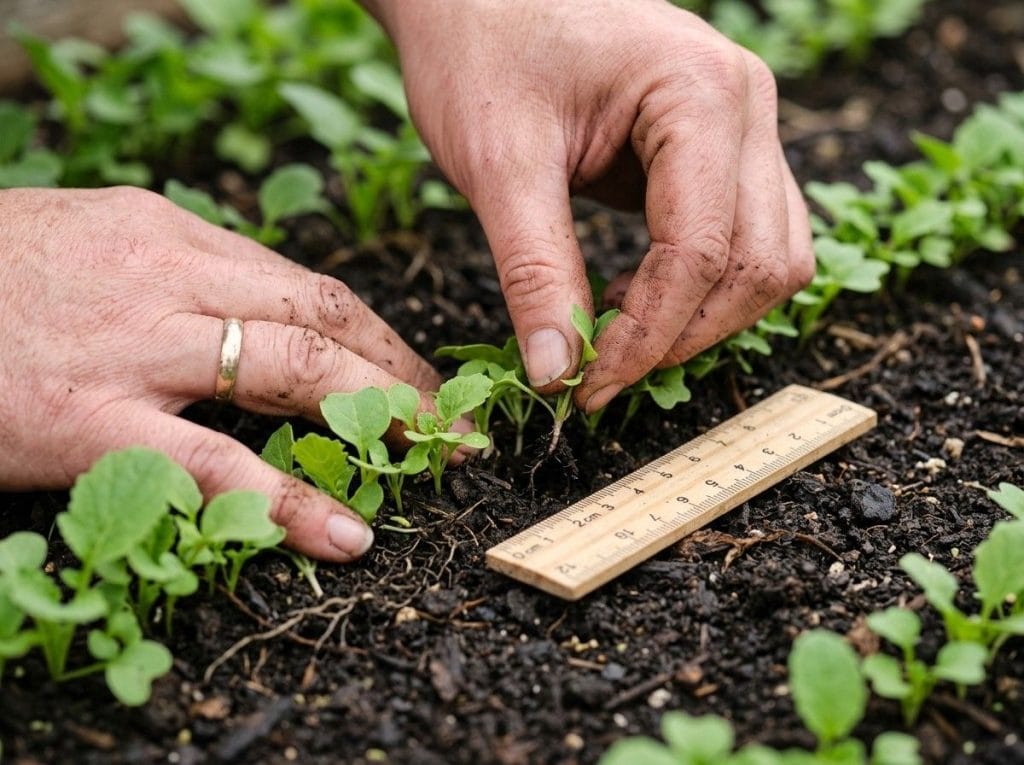
Turnips are not just old-fashioned vegetables. They have a fresh, peppery flavor and offer both edible roots and leafy greens. Turnips are packed with vitamin C, fiber, and antioxidants. The greens are rich in calcium and vitamins A and K. Turnips are also one of the fastest root crops — many varieties mature in only 40–60 days. If you plant at the right time, you can enjoy two harvests per year.
Turnips adapt well to different soils and climates. You can grow them in raised beds, containers, or directly in garden soil. Their compact size makes them perfect for small gardens. Unlike many vegetables, turnips tolerate cool weather, so you can plant them in early spring or late summer.
Turnips come in several types, each with their own flavor, color, and size. Here are some popular choices:
If you want both roots and greens, pick Purple Top White Globe or Tokyo Cross. For just greens, try Seven Top.
| Variety | Root Color | Days to Maturity | Best For |
|---|---|---|---|
| Purple Top White Globe | Purple/White | 55 | Roots & Greens |
| Tokyo Cross | White | 35 | Baby Roots |
| Golden Ball | Yellow | 60 | Sweet Roots |
| Snowball | White | 50 | Tender Roots |
| Seven Top | Green | 45 | Greens Only |
Turnips grow best in cool temperatures. For spring crops, plant seeds 2–4 weeks before your last frost date. For fall crops, sow seeds in late summer, about 8–10 weeks before the first frost. Turnips do not grow well in hot weather — heat causes the roots to become woody and bitter.
Choose a spot that gets at least 6 hours of sunlight per day. Turnips also grow in partial shade, but roots will be smaller.
Turnips need loose, well-drained soil with a neutral pH (6. 0–7. 0). Heavy clay or rocky soils produce misshapen roots. Sandy loam is ideal. Before planting, remove stones, clumps, and weeds.
Work in compost or aged manure to improve soil fertility. Avoid using fresh manure — it can cause forked roots and introduce weeds. For best results, test your soil and add lime if pH is below 6. 0.
| Soil Type | Root Quality | Recommendation |
|---|---|---|
| Sandy Loam | Smooth, round roots | Ideal |
| Clay | Misshapen, tough roots | Add compost, sand |
| Rocky | Forked roots | Remove stones |
| Peaty | Soft roots | Drain excess water |
Start by loosening the soil to at least 12 inches deep. Use a garden fork or tiller. Mix in 2–4 inches of compost. Rake the soil so it is level and fine. If you have hard-packed soil, double-dig the bed to improve drainage.
Rows should be spaced 12–18 inches apart. This gives room for turnip leaves to grow and lets you weed easily. Make shallow furrows about ½ inch deep for planting seeds.
Turnip seeds are tiny — handle them carefully. Plant seeds directly in the garden, not indoors. Turnips dislike transplanting.
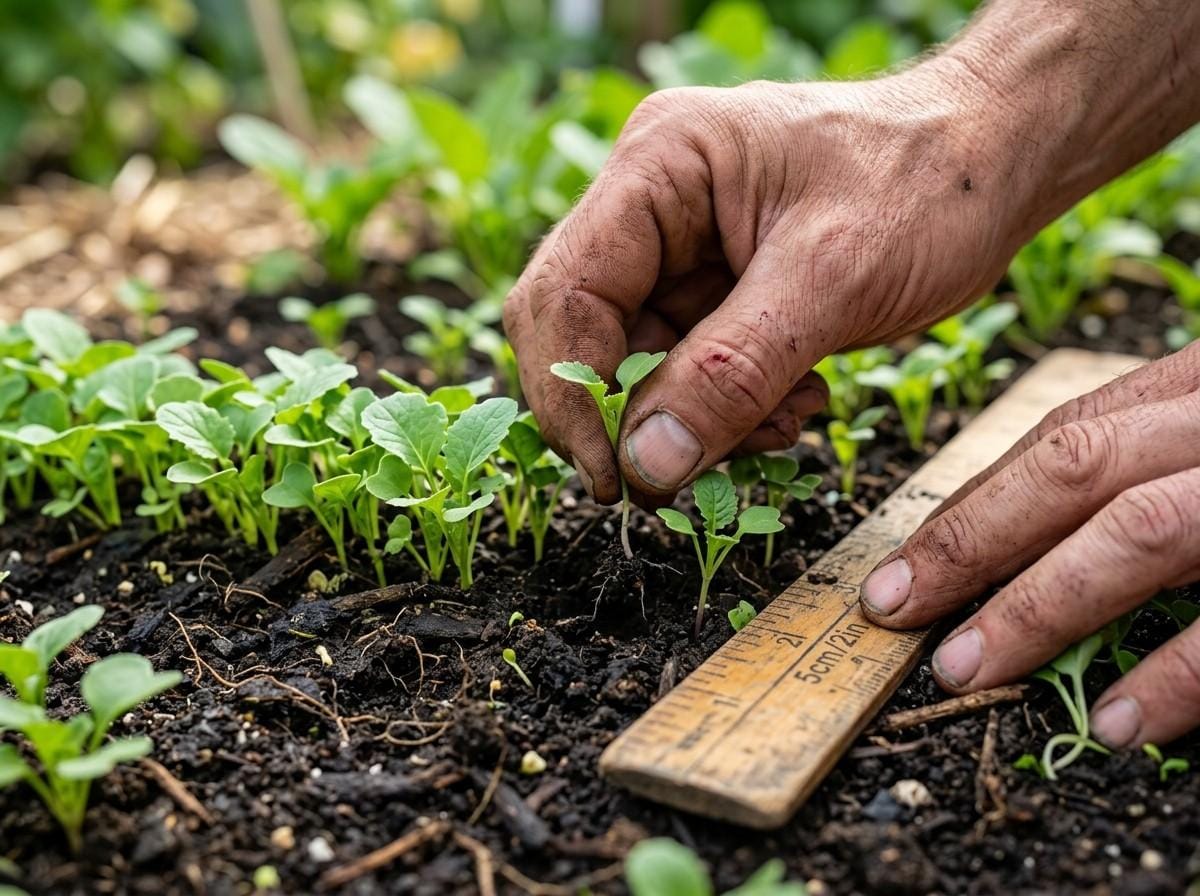
Within 4–7 days, seedlings should appear. When they reach 2 inches tall, thin them to 3–4 inches apart for small roots, or 6 inches apart for larger turnips. Thinning is essential — crowded plants grow poorly.
Turnips grow well in containers that are at least 12 inches deep. Use loose, rich potting mix. Space seeds as you would in garden beds. Keep containers in a sunny spot.
Turnips need consistent moisture. Water deeply once or twice a week, so the soil is moist 6 inches down. Dry soil causes tough, bitter roots. Overwatering leads to rot.
Mulch with straw or leaves to keep soil cool and retain moisture. Mulch also prevents weeds.
Fertilize turnips only if your soil is poor. Use a balanced fertilizer (10-10-10) at planting time. Too much nitrogen makes leafy greens but small roots. If leaves look pale, add fish emulsion or liquid seaweed.
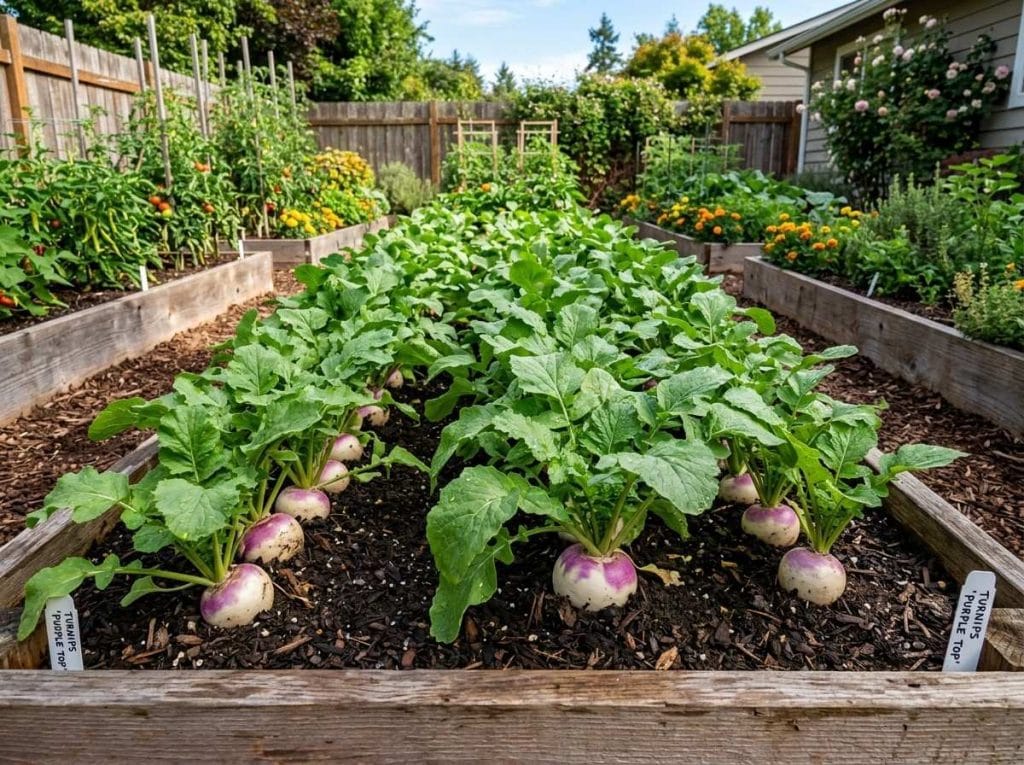
Turnips are easy, but a few problems can cause trouble. Here’s what to watch for:
Non-obvious tip: Most beginners forget crop rotation. If you grow turnips in the same spot each year, pests and diseases build up fast.
Keep beds weed-free. Weeds steal water and nutrients. Hand-weed near seedlings, or use a hoe for larger plants. Mulching with straw, leaves, or grass clippings helps suppress weeds and keeps soil cool.
Turnips grow quickly. You can harvest baby turnips just 30 days after planting. Most varieties are ready in 40–60 days. Check roots by gently pulling one from the soil.
Harvest roots when they are 2–3 inches across for best flavor. If you wait too long, roots turn woody and bitter. Use a garden fork to lift them.
Cut off the greens right away to keep roots fresh. Store roots in the refrigerator for up to 2 weeks. Greens can be eaten fresh or cooked.
You can pick young leaves when they are 6–8 inches tall. Cut leaves above the crown so roots keep growing. Don’t harvest all the leaves from one plant — it weakens the root.
| Harvest Stage | Root Size | Flavor | Storage |
|---|---|---|---|
| Baby Turnip | 1–2 inches | Sweet, mild | Short (5–7 days) |
| Mature Root | 2–4 inches | Peppery, rich | Up to 2 weeks |
| Greens | N/A | Fresh, earthy | 1–3 days |
Store roots in a cool, humid place. In the fridge, keep them in a plastic bag with holes. In a root cellar, turnips last up to 3 months.
Turnip roots can be roasted, mashed, added to soups, or sliced raw in salads. Greens are tasty sautéed or steamed. Try mixing turnip greens with spinach for a milder flavor.
Non-obvious tip: Turnips taste best when cooked lightly. Overcooking makes them mushy and bitter.
If you want organic turnips, avoid chemical fertilizers and pesticides. Use compost for soil fertility. Control pests with row covers, hand-picking, and natural sprays like neem oil.
Rotate your crops each year. Plant turnips after beans or peas to enrich the soil. Avoid planting after cabbage, broccoli, or other cruciferous vegetables.
You don’t need a huge garden. Turnips grow in containers, raised beds, or even window boxes. Choose dwarf or baby varieties. Space seeds carefully and thin seedlings as they grow.
If you have only a balcony or patio, use deep pots. Water regularly, and feed with organic fish emulsion every 2–3 weeks.
Certain plants help turnips grow better. Plant turnips near peas, beans, or onions. These companions deter pests and improve growth.
Avoid planting turnips near potatoes — they compete for nutrients. Don’t grow turnips next to cabbage family crops (like broccoli, cauliflower) to reduce disease risk.
If you want to save seeds, let some turnips overwinter. In spring, they send up tall flower stalks. Wait until pods dry, then collect seeds. Store in a cool, dry place.
Turnip seeds stay viable for up to 4 years. Saving seeds lets you choose the best plants for your climate.
Turnips grow in many climates. They prefer temperatures between 40°F and 75°F (4°C–24°C). In hot regions, plant in fall or early spring.
If you live in a cold area, start seeds indoors and transplant when soil warms. In mild regions, plant turnips almost year-round.
Many new growers make these mistakes:
Pay attention to planting time, soil, and spacing for best results.
Turnips are often confused with rutabagas and radishes. Here’s how they compare:
| Vegetable | Days to Harvest | Flavor | Root Size |
|---|---|---|---|
| Turnip | 40–60 | Peppery, mild | 2–4 inches |
| Rutabaga | 80–100 | Sweet, earthy | 4–6 inches |
| Radish | 25–35 | Spicy, crisp | 1–2 inches |
Turnips grow faster than rutabagas and are less spicy than radishes. If you need a quick crop, turnips are the best choice.
Turnips are low-calorie and nutritious. One cup (130g) of cooked turnip contains:
Turnip greens are even richer in vitamins and minerals.
Many gardeners forget that turnips need consistent moisture. Dry spells cause stress and poor flavor. Also, don’t skip thinning — it’s the easiest way to grow big, tasty roots.
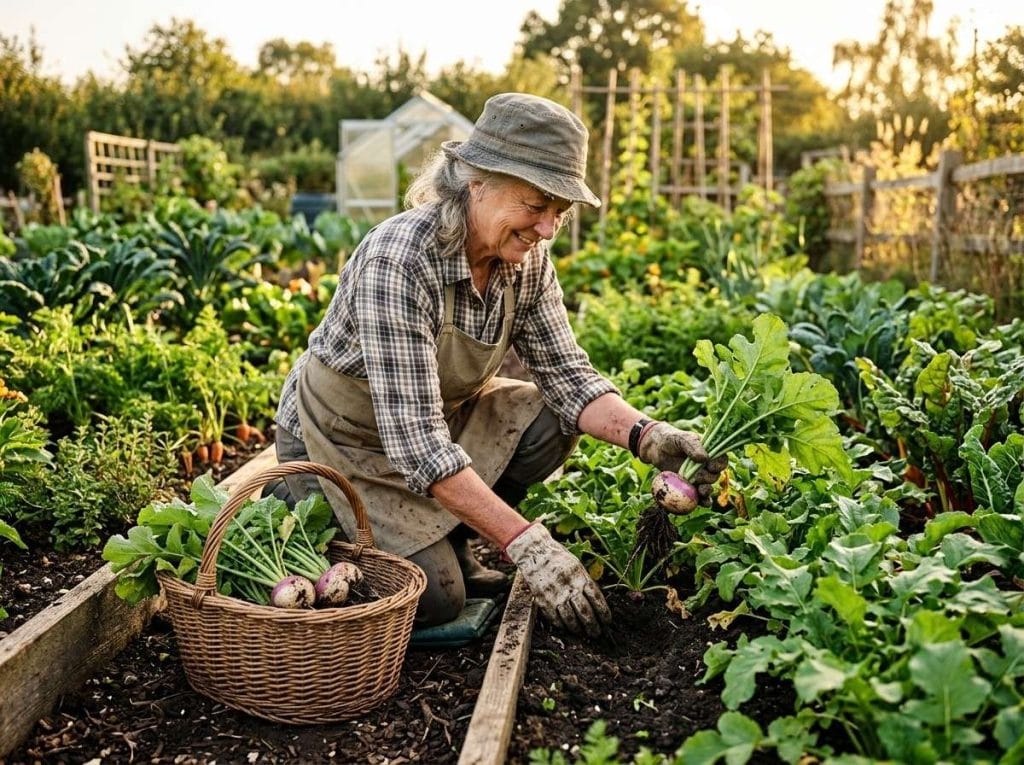
Most turnip varieties mature in 40–60 days from seed to harvest. Baby turnips can be ready in as little as 30 days. Growing time depends on variety and climate.
Yes, turnips do well in containers. Use pots at least 12 inches deep with loose, rich soil. Keep the soil moist and thin seedlings for best results.
Woody, bitter turnips are usually caused by hot weather or overgrown roots. Harvest turnips when they are 2–3 inches wide for best flavor.
Use row covers to keep away flea beetles and root maggots. Hand-pick larger pests or use neem oil spray for aphids. Crop rotation also reduces pest problems.
Absolutely. Turnip greens are full of vitamins and minerals. Pick leaves when they are young and tender. Cook greens lightly for best taste.
Growing turnips is both simple and rewarding. With the right soil, timing, and care, you’ll enjoy fresh roots and greens in just a few weeks. Turnips fit well in gardens large or small, and their fast growth makes them perfect for beginners and experts alike. Try different varieties, experiment with recipes, and enjoy the health benefits of this classic vegetable. For more detailed information about turnip cultivation and nutrition, visit Wikipedia.