Gardening Made Simple.
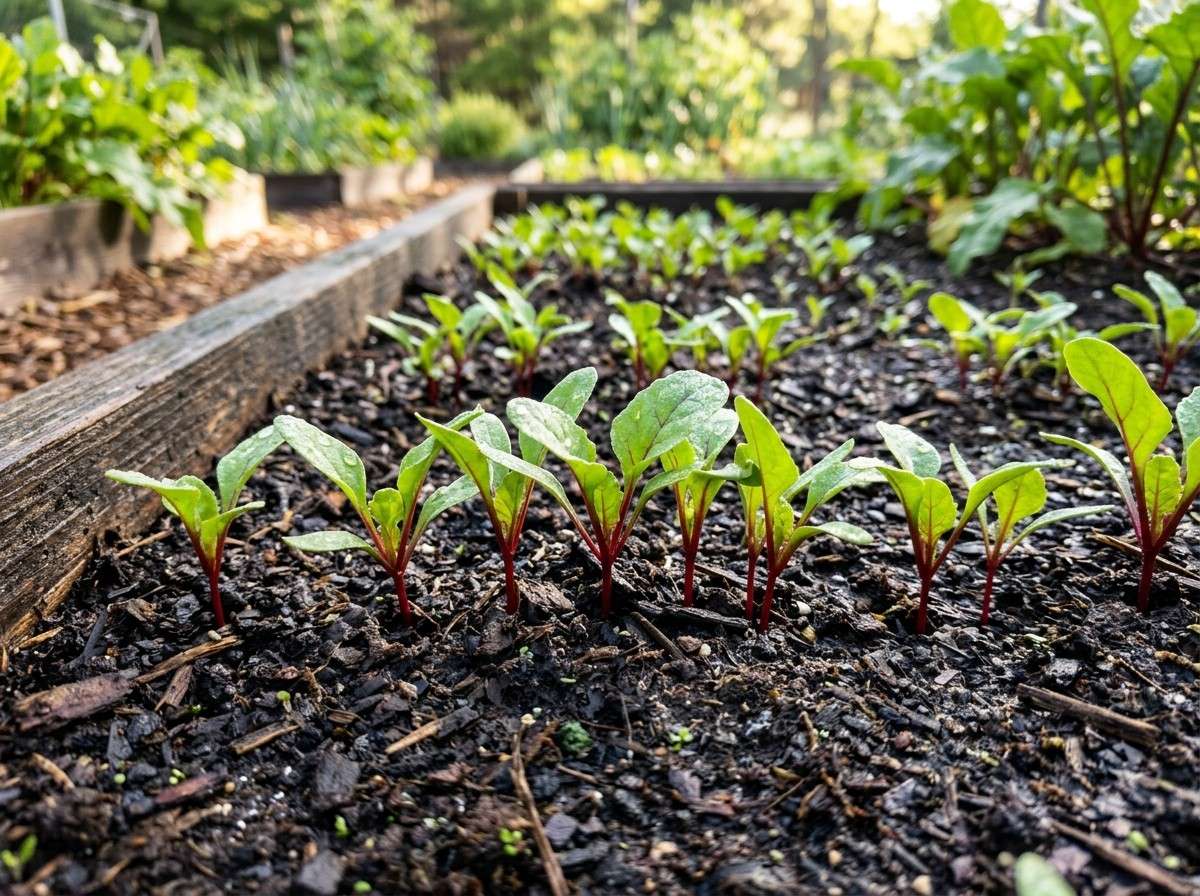
Beets are one of those garden crops that offer a lot for little effort. They grow quickly, thrive in small spaces, and give you not only tasty roots but also nutritious greens. Many gardeners want to grow beets from seed but aren’t sure about the right steps, common mistakes, or how to get the best yield. With the right guidance, anyone can grow healthy beets—even if you’re just starting out.
This guide will walk you through everything you need to know, from choosing the best seeds to harvesting and using your beets. Along the way, you’ll find practical tips, non-obvious insights, and easy-to-follow advice for every part of the process.
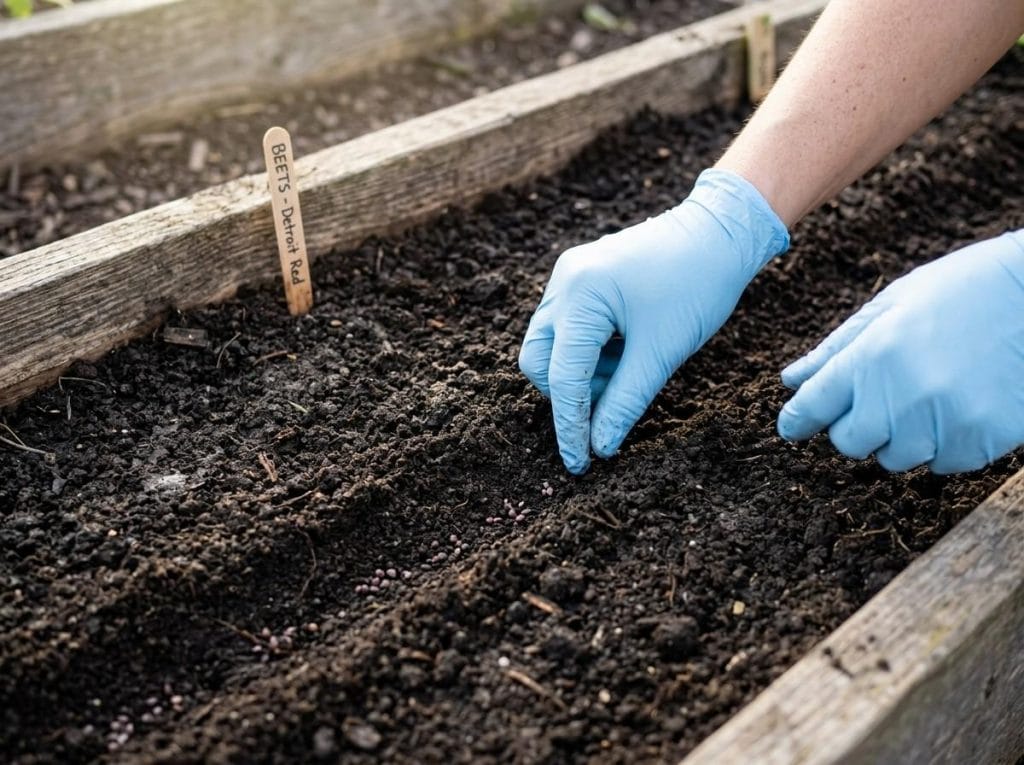
Most gardeners start beets from seed rather than transplanting seedlings. There are several reasons for this:
Growing beets from seed also gives you a wider range of varieties to choose from, compared to store-bought seedlings. This means you can try different colors, shapes, and flavors.
Beet seeds are unique. What you buy as a “seed” is actually a dried fruit that contains 1–4 true seeds inside. This is why you often see several seedlings sprouting from a single spot.
Beet seeds germinate best in soil that’s 50–85°F (10–29°C). Cooler soil slows sprouting, while too much heat can dry out the surface. Most beet seeds sprout in 5–10 days under good conditions.
Beet seeds remain viable for 3–5 years if stored in a cool, dry place. However, fresher seed gives better germination rates.
There are many beet varieties, each with its own color, flavor, and best uses. Here’s a comparison of some common types:
| Variety | Color | Days to Maturity | Flavor Notes | Special Traits |
|---|---|---|---|---|
| Detroit Dark Red | Deep red | 60 | Classic, earthy | Reliable, popular |
| Chioggia | Red/white rings | 55 | Sweet, mild | Striking appearance |
| Golden Beet | Yellow-orange | 55 | Less earthy, sweeter | Doesn’t stain |
| Bull’s Blood | Dark red | 58 | Strong flavor | Ornamental leaves |
| Early Wonder | Red | 50 | Mild, tender | Great for greens |
If you’re new to growing beets from seed, start with Detroit Dark Red or Early Wonder—they’re reliable and forgiving. For salads or visual impact, try Chioggia or Golden Beet.
Beets need loose, well-draining soil for healthy root growth. Heavy clay or compacted soil can cause misshapen roots.
Non-obvious tip: Beets don’t like fresh manure or high-nitrogen fertilizer. Too much nitrogen grows big leaves but small roots.
Timing is key for a good beet harvest. Beets are cool-season crops, so they grow best in spring and fall.
Beets mature in 50–70 days, so count backwards from your first hard frost date to find the latest safe planting time.
Sowing beet seeds is simple, but a few small details make a big difference.
Non-obvious insight: Because each “seed” has multiple embryos, you’ll almost always need to thin seedlings later.
| Planting Step | Recommended Distance | Why It Matters |
|---|---|---|
| Seed depth | ½ inch | Deeper = slower sprouting |
| Seed spacing | 1–2 inches | Allows for thinning |
| Row spacing | 12–18 inches | Good airflow, easier harvest |
| Final plant spacing | 2–4 inches | Best root size |
Once your seeds are in the ground, they need a little attention to get off to a strong start.
When seedlings reach 2 inches tall, thin them to 2–4 inches apart. This reduces competition and allows each root to grow to full size. You can eat the pulled seedlings as baby greens.
Add a thin layer of straw or grass clippings to keep soil moist and reduce weeds. Don’t pile mulch against seedlings.
Keep beet beds weed-free, especially when plants are young. Weeds compete for water and nutrients.
Practical tip: Hand-pull weeds close to seedlings to avoid damaging shallow roots.
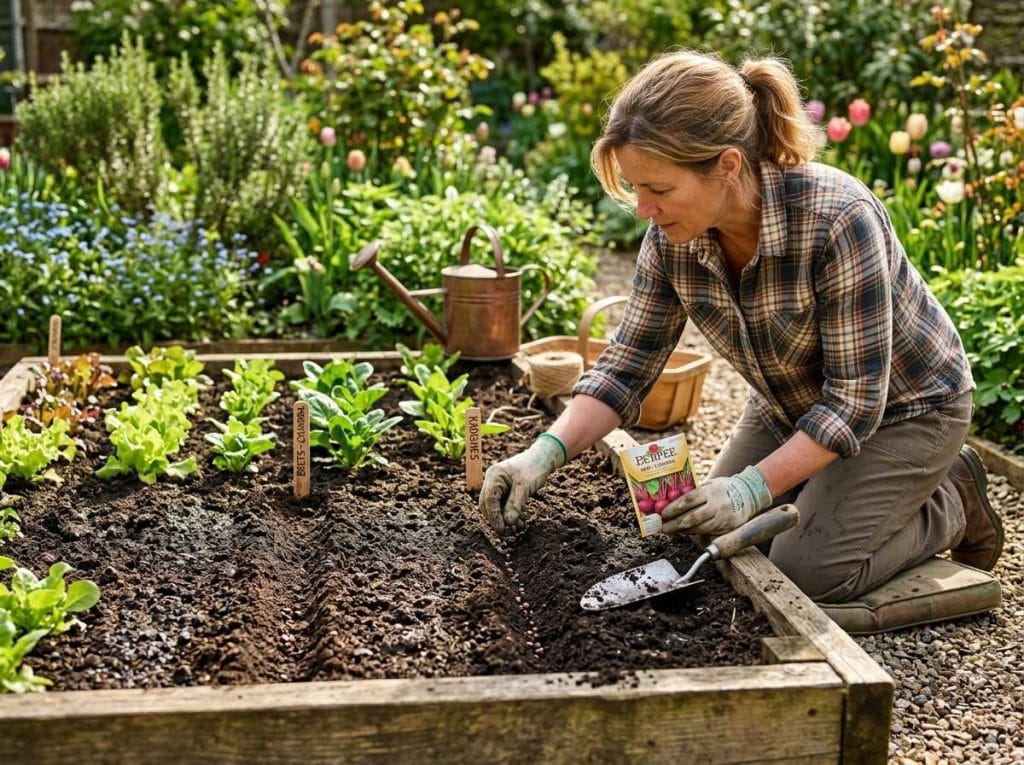
Beets aren’t heavy feeders, but they do benefit from balanced nutrition.
Avoid high-nitrogen fertilizers after seedlings emerge, as this leads to leafy tops and small roots.
Growing beets from seed is usually straightforward, but a few problems can occur. Here’s how to spot and solve them.
These insects tunnel inside beet leaves, causing white streaks. Remove affected leaves promptly. Use row covers to keep adults off young plants.
Overwatering or heavy, wet soil can cause roots to rot. Make sure your soil drains well and don’t plant in low spots.
Usually caused by rocky or compacted soil. Always loosen the bed and remove stones before planting.
Beets sometimes flower and go to seed early (bolting), especially in hot weather. Plant in cool seasons and choose bolt-resistant varieties for summer.
Harvest timing depends on your goal—small, tender baby beets or full-size roots. Most varieties are ready in 50–70 days.
Gently dig up one beet to check size. Don’t wait too long—old beets get tough and woody.
Non-obvious tip: Harvest some beet greens while roots are still growing, but always leave at least half the leaves for healthy root development.
Fresh beets store well if handled correctly.
Beet greens are packed with vitamins and can be used like spinach or chard. Sauté, steam, or add them to salads.
Beets can be:
Small, young beets are sweetest and most tender.
You don’t have to plant all your beets at once. For a steady supply, plant a new row every 2–3 weeks until midsummer. This way, you’ll have fresh roots and greens for months.
Beets grow surprisingly well in pots and containers, making them perfect for patios or small spaces.
Non-obvious insight: Choose compact or fast-maturing varieties for containers, like ‘Babybeat’ or ‘Early Wonder.’
If you prefer to grow beets organically, follow these extra steps:
Organic beets often have richer flavor and higher nutrition but may need more care to prevent pest problems.
Beets grow well with certain plants and poorly with others. Here’s a quick guide:
| Good Companions | Bad Companions | Why |
|---|---|---|
| Onions, bush beans, lettuce | Field mustard, pole beans | Onions deter pests; bush beans add nitrogen |
| Cabbage family (broccoli, kale) | Swiss chard | Cabbage family benefits from beet nutrients |
Experience-based tip: Never plant beets and Swiss chard together. They’re close relatives and attract the same pests.
If you want to save seeds for next year, keep in mind:
Home-saved seeds may have lower germination rates, but it’s a fun way to preserve heirloom types.
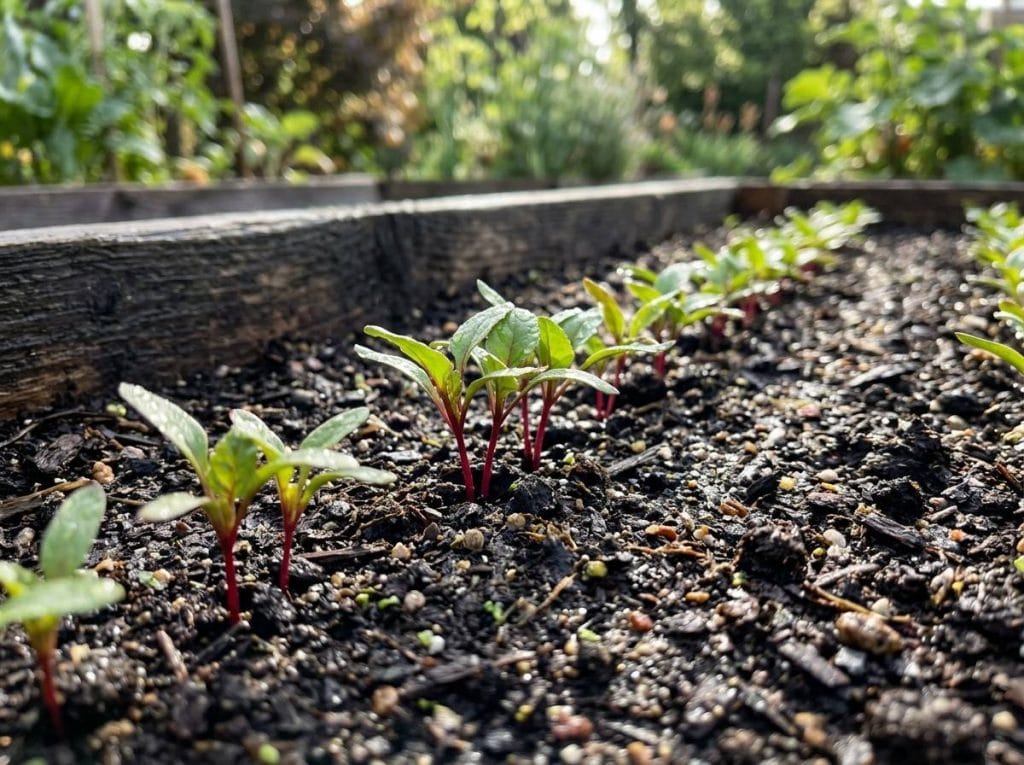
Soak seeds in warm water for 6–12 hours before planting. Make sure the soil is consistently moist and at least 50°F (10°C). Covering the row with a light cloth can help hold in moisture and warmth.
Beets struggle in high heat. Plant in early spring or late fall. In very warm regions, look for heat-tolerant varieties and use shade cloth during the hottest part of the day.
This is often due to crowded seedlings, poor soil, or too much nitrogen. Thin plants early, improve soil with compost, and avoid over-fertilizing with nitrogen-rich products.
Yes, beet greens are highly nutritious and can be used like spinach or Swiss chard. Harvest the outer leaves and leave inner leaves for continued root growth.
One reliable resource is the Wikipedia Beetroot page, which covers history, varieties, and more growing advice.
Beets are one of the most rewarding crops for home gardeners. With careful planting and a few simple tricks, you can enjoy sweet, earthy roots and flavorful greens for months. Whether you’re working with a backyard plot or a few containers, growing beets from seed is both easy and satisfying.
Give them a try—your garden and your kitchen will thank you.