Gardening Made Simple.
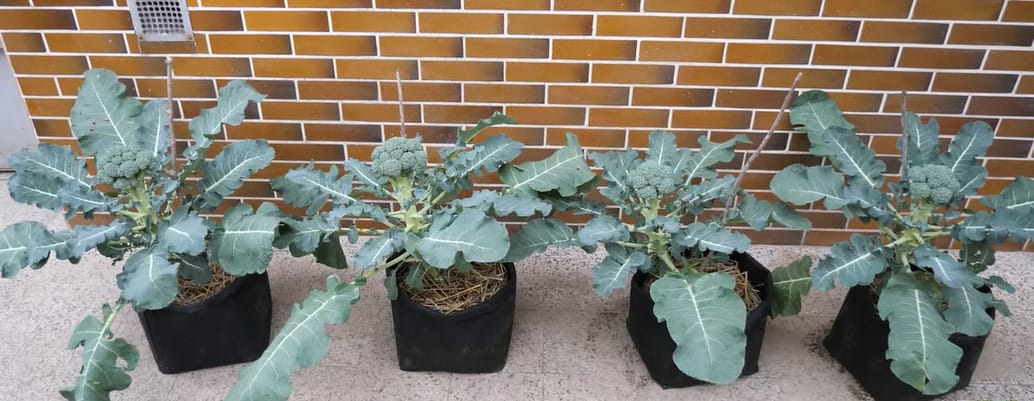
Are you dreaming of fresh, crunchy broccoli but don’t have a big garden? Growing Broccoli in Containers is the perfect solution, allowing you to grow healthy broccoli even in small spaces like balconies or patios.
Imagine harvesting your own healthy, delicious broccoli right on your balcony, patio, or windowsill. It’s easier than you think, and you don’t need a lot of space or experience. Keep reading, and you’ll discover simple steps to grow vibrant broccoli that will impress your family and friends.
Your journey to homegrown goodness starts here!
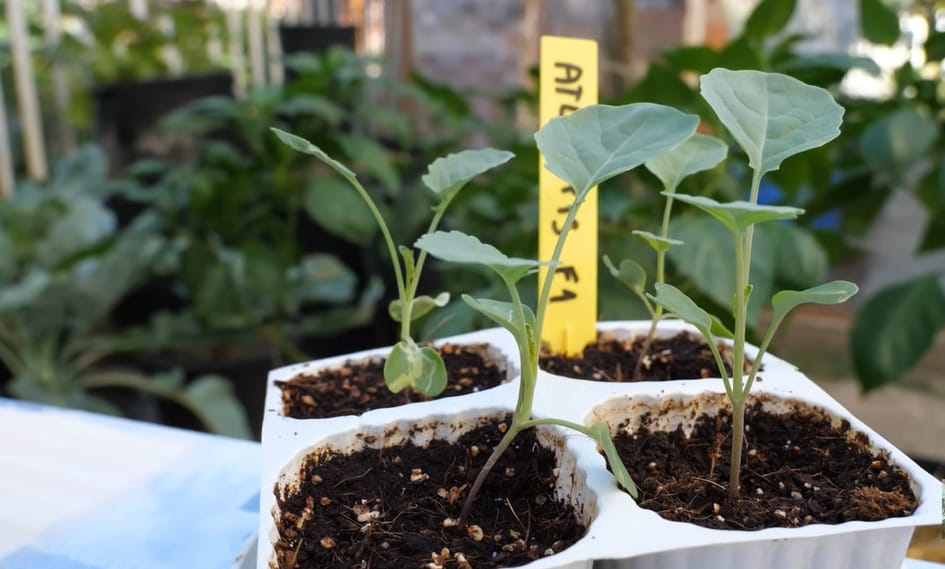
Choosing the right container is key for growing healthy broccoli in small spaces. The container holds soil, moisture, and roots. It gives broccoli plants room to grow strong and produce tasty heads. Picking a good container helps your broccoli get enough air, water, and nutrients.
Broccoli needs space below the soil to spread roots. Pick containers at least 12 inches deep. Wider containers give roots room to grow. A container about 12 to 16 inches wide works well. Small pots limit growth and reduce broccoli size. Bigger containers keep soil moist longer.
Containers come in plastic, clay, and fabric. Plastic pots hold water well and are light to move. Clay pots breathe air but dry out faster. Fabric pots allow air and water to pass through. They help stop root rot. Choose material based on your climate and watering habits.
Good drainage stops water from pooling at roots. Check containers for holes at the bottom. Add extra holes if needed. Use a layer of small stones or broken pots under soil. This helps water flow away. Proper drainage keeps broccoli roots healthy and strong.
Selecting the best broccoli varieties makes container gardening easier and more productive. Some broccoli types fit small spaces better and grow well in pots. Choosing the right variety helps you get fresh broccoli even with limited room. Focus on varieties that stay small and mature fast. These traits suit container growing and give good harvests.
Compact broccoli types grow well in small pots. They do not need much space. Varieties like 'Calabrese' and 'Sprouting Broccoli' stay small and sturdy. These types fit well in containers on balconies or patios. Their small size means less soil and water are needed. Compact broccoli also grows strong heads without sprawling.
Fast-growing broccoli varieties produce harvests quickly. They mature in about 50 to 60 days. Varieties such as 'Green Magic' and 'Packman' grow fast and handle container life well. Quick growth means you get fresh broccoli sooner. These types reduce wait time and keep your kitchen supplied.
Growing broccoli in containers needs good soil and proper fertilizer. Healthy soil helps broccoli grow strong and produce tasty heads. Choosing the right soil mix and nutrients is key. This section explains how to prepare soil and choose fertilizers for container broccoli.
Broccoli grows best in loose, well-draining soil. Use a mix of potting soil, compost, and perlite or sand. This mix holds moisture but does not stay soggy. Good drainage prevents root rot and other problems. Add organic matter to improve soil texture and nutrients.
Broccoli needs nitrogen, phosphorus, and potassium to grow well. Nitrogen helps leaves grow green and strong. Phosphorus supports root and flower development. Potassium improves overall plant health and disease resistance. Balanced nutrients help broccoli form big, healthy heads.
Organic fertilizers come from natural sources like compost or manure. They release nutrients slowly and improve soil health over time. Synthetic fertilizers work faster and provide nutrients immediately. Choose organic for long-term soil care. Use synthetic for quick nutrient boosts during growth.
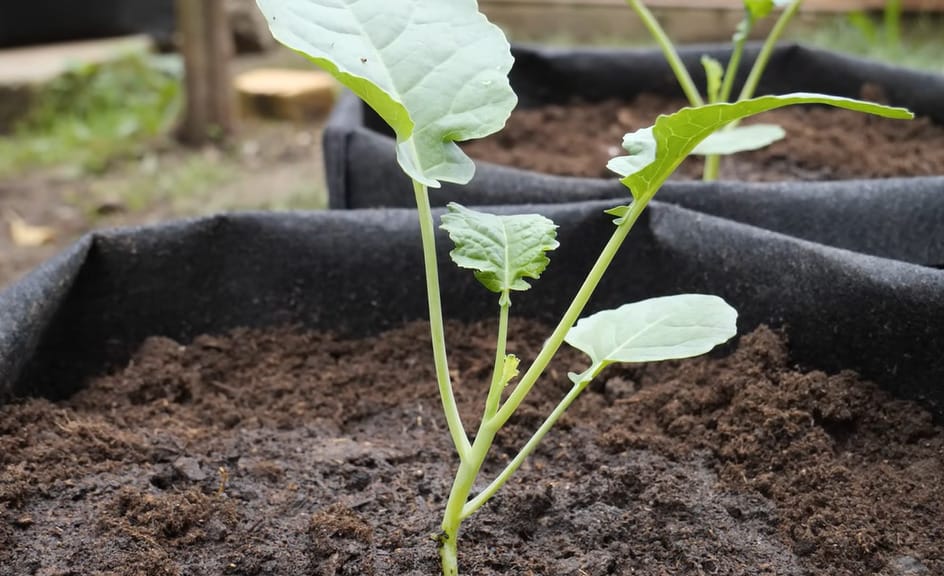
Growing broccoli in containers needs careful planting and spacing. Proper guidelines help plants grow healthy and strong. Space affects air flow and sunlight. Good space prevents diseases and boosts growth. Container size also matters for root room. Follow these steps for best results.
Start broccoli seeds indoors 6 to 8 weeks before transplanting. Use seed trays with light, well-draining soil. Plant seeds 1/4 inch deep. Keep soil moist but not wet. Place trays in a warm spot with indirect light. Seedlings appear in 5 to 10 days. Thin weaker seedlings to allow space for growth.
Harden off seedlings before moving them outside. Gradually expose them to outdoor conditions for 7 days. Transplant seedlings when they have 4 to 6 true leaves. Use containers at least 12 inches deep. Fill with rich, well-draining soil. Plant seedlings at the same soil depth as in trays. Water thoroughly after planting to settle soil.
Space broccoli plants 12 to 18 inches apart. This space lets leaves grow and air circulate. For small containers, plant one seedling per pot. Larger containers can hold two or three plants. Avoid crowding to reduce disease risks. Keep containers in a sunny spot for 6 hours daily. Proper spacing improves broccoli size and quality.
Growing broccoli in containers requires careful attention to watering and sunlight. Both play a key role in healthy plant growth and good harvests. Too little water or light can stress the plants. Too much can cause problems too. Understanding these needs helps your broccoli thrive.
Broccoli needs steady moisture to grow well. Soil should stay damp but not soaked. Check the container daily, especially during hot weather. Water deeply so roots can absorb enough water. Avoid letting the soil dry out completely. Dry soil can slow growth and cause bitter taste.
Use containers with drainage holes to prevent water buildup. Excess water can cause root rot and harm plants. Mulching on top of soil helps keep moisture steady. This reduces watering frequency and protects roots from heat.
Broccoli grows best with full sun. It needs at least six hours of direct sunlight each day. Place containers in a sunny spot outdoors or near a bright window. Too little light makes plants weak and spindly. Leaves may turn yellow and growth will slow.
Morning sun is ideal as it warms the plants gently. Avoid areas with harsh afternoon sun that can stress plants. Balanced sunlight helps broccoli develop strong stems and tight heads. Rotate containers occasionally for even light on all sides.
Pest and disease control is important when growing broccoli in containers. Pests can damage leaves and stunt plant growth. Diseases can spread quickly in small spaces. Proper care helps keep your broccoli healthy and productive.
Broccoli plants in containers often attract aphids and cabbage worms. Aphids are small insects that suck plant juices. Cabbage worms chew holes in the leaves. Whiteflies and flea beetles also cause damage. These pests reduce plant strength and yield.
Use insecticidal soap to gently remove aphids. Handpick cabbage worms off leaves daily. Spray neem oil to control many soft-bodied insects. Introduce ladybugs to eat aphids naturally. Keep plants clean and remove dead leaves.
Use fresh, sterile soil for each planting. Avoid overwatering to prevent root rot. Water plants at the base, not on leaves. Provide good air circulation around containers. Remove any diseased leaves right away to stop spread.
Harvesting broccoli at the right time is key to great taste. Picking too early or too late can affect flavor and texture. Knowing when and how to harvest helps you enjoy fresh, crisp broccoli from your container garden.
Look for tight, firm heads with small, green buds. Avoid yellow flowers; they show the broccoli is past peak. The head should be about 4 to 7 inches wide. The stalk should be thick and strong. Check regularly to catch the perfect moment.
Use a sharp knife or garden shears for clean cuts. Cut the main head with a few inches of stem attached. Leave some leaves to help the plant grow more side shoots. Harvest in the morning for best flavor and firmness. Handle broccoli gently to avoid bruising.
Rinse broccoli with cool water to remove dirt. Dry it well to prevent mold. Store broccoli in the fridge, wrapped in a damp cloth or paper towel. Use it within a week for the best taste. You can also freeze broccoli after blanching to keep it fresh longer.
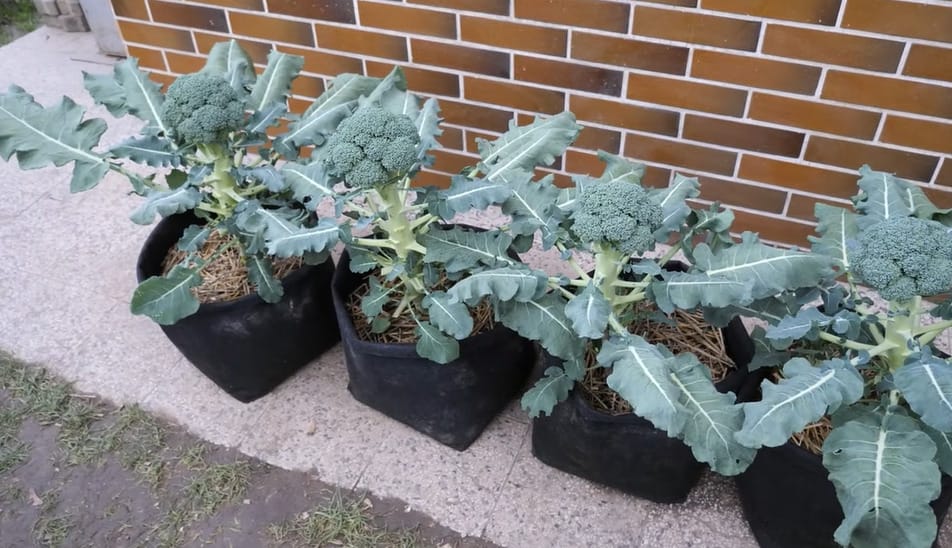
Choose containers at least 12 inches deep and wide for healthy broccoli roots.
Broccoli needs 6 to 8 hours of direct sunlight daily to grow well.
Water broccoli consistently to keep soil moist but not soggy, usually every 2-3 days.
Use well-draining, rich soil with compost to provide nutrients for broccoli plants.
Broccoli grows best in cool weather, so avoid hot summer months for planting.
Growing broccoli in containers is simple and rewarding. Choose the right pot and soil for best results. Keep the plants watered and give them enough sunlight. Watch your broccoli grow healthy and strong. Harvest when heads are firm and tight.
Container gardening fits small spaces and busy lives. Enjoy fresh broccoli right from your own home. Start small, learn as you go, and have fun. Gardening this way brings joy and fresh food too.