Gardening Made Simple.

Are you looking to grow bigger, healthier broccoli in your garden? Companion Planting With Broccoli can be a simple and natural way to boost your plants’ growth while keeping pests away. Using the right companion plants ensures stronger broccoli, higher yields, and a healthier, more productive garden.
By choosing the right neighbors for your broccoli, you create a garden that works smarter, not harder. You’ll discover which plants make the best companions for broccoli and how they can help you get a better harvest. Keep reading to learn easy tips that will transform your broccoli patch and make your gardening more rewarding.
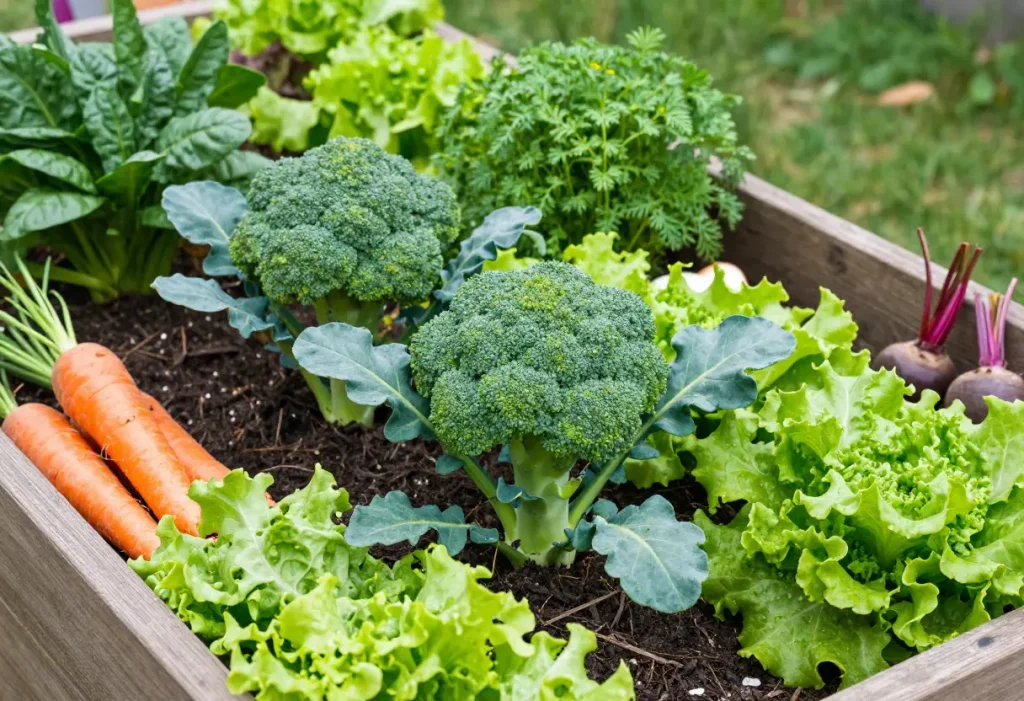
Companion planting with broccoli offers many benefits. It helps plants grow better and stay healthy. This method uses natural ways to improve your garden. You can increase your harvest and protect your crops without chemicals. Understanding these benefits will help you grow broccoli more successfully.
Some plants grow better when planted near broccoli. They help each other get more sunlight and nutrients. This teamwork makes broccoli stronger and bigger. The result is a higher yield from the same garden space. Healthy plants use resources well and produce more food.
Certain companion plants keep pests away from broccoli. They confuse insects or attract helpful bugs that eat pests. This reduces the need for pesticides. Your broccoli stays safer from harmful bugs. Using natural pest control protects the environment and your health.
Companion plants improve the soil around broccoli roots. Some add nutrients back into the ground. Others help keep the soil loose and full of air. Healthy soil supports strong root growth and plant health. Better soil means better broccoli plants year after year.
Choosing the best plants to pair with broccoli helps your garden thrive. Companion planting supports growth, improves flavor, and reduces pests. Some plants create a natural defense for broccoli. Others attract helpful insects or add nutrients to the soil. Below are the top plants that work well with broccoli.
Basil improves broccoli’s flavor and repels harmful bugs. Dill attracts beneficial insects like ladybugs and parasitic wasps. Mint keeps away cabbage moths and other pests. Rosemary deters insects and helps broccoli grow strong. These herbs create a healthy environment around your broccoli.
Beets grow well next to broccoli without taking too many nutrients. Onions and garlic repel pests that harm broccoli heads. Potatoes improve the soil for broccoli roots. Spinach and lettuce use space well and do not compete with broccoli. These vegetables support broccoli and make efficient use of space.
Marigolds attract ladybugs and hoverflies that eat broccoli pests. Nasturtiums lure aphids away from broccoli plants. Calendula draws pollinators and parasitic wasps. These flowers protect broccoli naturally and add color to your garden.
Broccoli grows best with certain plants nearby, but some plants harm its growth. Avoid planting broccoli close to these incompatible plants. This helps broccoli stay healthy and produce more.
Tomatoes and broccoli do not grow well together. Tomatoes can spread diseases to broccoli. Strawberries also compete for nutrients and space. Pole beans and potatoes are bad neighbors too. They attract pests that harm broccoli plants. Planting these near broccoli reduces its growth and yield.
Planting broccoli next to wrong plants causes weak growth. Broccoli may get fewer nutrients and water. Pests and diseases spread more easily. Leaves can yellow and plants may wilt. Poor pairings lower broccoli’s harvest and quality. Careful plant choice protects broccoli health and boosts harvest size.
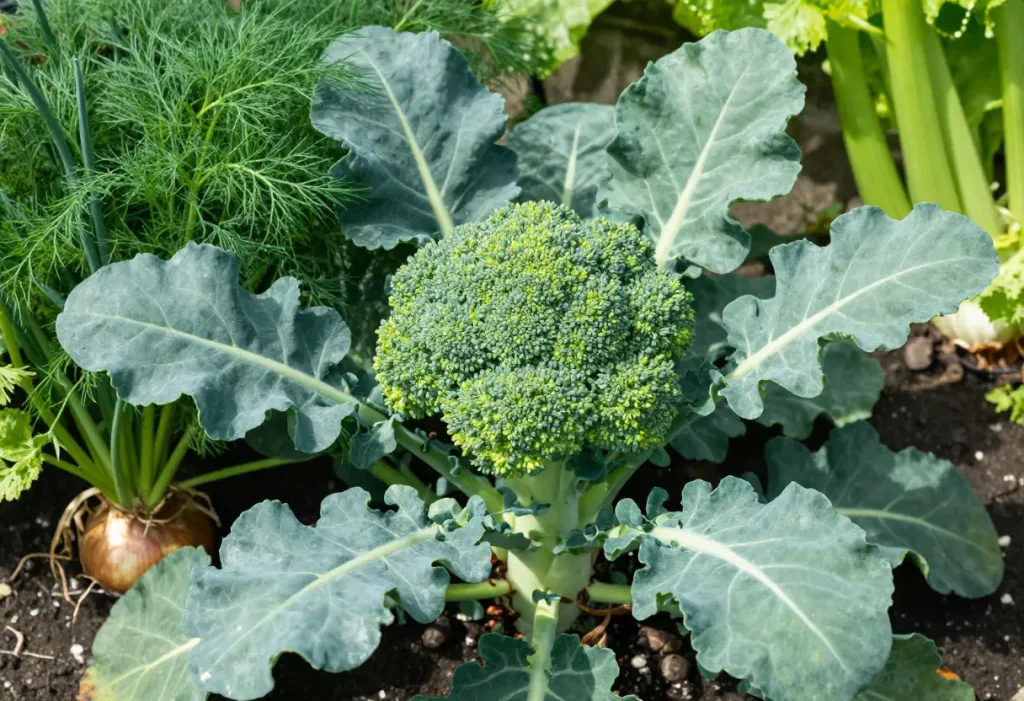
Planning your garden layout is key for healthy broccoli and strong companion plants. A well-organized garden helps plants grow better by giving them enough space and the right neighbors. Thoughtful planning also reduces pests and boosts soil health. Follow clear steps to arrange your broccoli and its companions wisely.
Broccoli needs space to grow large and strong. Keep 18 to 24 inches between each broccoli plant. Plant taller companions like dill or celery on the north side to avoid shading broccoli. Low-growing plants such as onions or garlic fit well near broccoli edges. Avoid crowding; air flow helps stop diseases.
Group broccoli with plants that protect it from pests. Marigolds and nasturtiums work well to repel bugs. Use a checkerboard pattern to mix broccoli and companions evenly. This spreads pest protection across the garden. Planting in blocks or rows also makes care easier.
Move broccoli to a new spot each year to keep soil healthy. Avoid planting broccoli where other brassicas grew last year. Rotate with legumes like beans or peas to add nitrogen to the soil. Crop rotation reduces pests and diseases that target broccoli plants.
Controlling pests naturally helps keep broccoli plants healthy. Companion planting uses certain plants to protect broccoli from bugs. These plants stop pests without harmful chemicals. They create a balanced garden ecosystem. Healthy plants grow better and produce more.
Some plants push away pests that like broccoli. Marigolds send off smells bugs dislike. Nasturtiums confuse aphids and whiteflies. Planting these near broccoli lowers pest attacks. Garlic and onions also keep pests at bay. Their strong scents make pests avoid the area.
Some insects eat the bugs that harm broccoli. Ladybugs and lacewings like nectar and pollen. Flowers like dill, fennel, and yarrow attract these helpful insects. They hunt pests such as aphids and caterpillars. Having these plants close helps protect broccoli naturally.
Aromatic plants create a smell barrier around broccoli. Herbs like rosemary, thyme, and basil work well. Their scents confuse pests and hide broccoli’s smell. This makes it harder for pests to find the plants. Planting these herbs around broccoli forms a natural shield.
Healthy soil is key for growing strong broccoli plants. Good soil holds nutrients and water well. It also supports helpful microbes that keep plants healthy. Managing soil nutrients properly helps broccoli grow bigger and taste better. Companion planting plays a big role in improving soil quality and nutrient levels naturally.
Certain plants add nitrogen to the soil. These are called nitrogen-fixing plants. They have bacteria in their roots that turn air nitrogen into a form plants can use. Peas, beans, and clover are common nitrogen-fixing plants. Planting these near broccoli boosts nitrogen in the soil. This reduces the need for chemical fertilizers.
Adding organic matter improves soil fertility. Compost, mulch, and green manure feed soil microbes. These microbes break down organic matter into nutrients for plants. Cover crops like rye or vetch protect soil and add nutrients when turned under. Crop rotation with different plants keeps soil healthy and balanced. Healthy soil grows healthy broccoli with less effort.
Seasonal changes play a big role in companion planting with broccoli. Choosing the right plants and timing their growth helps both plants thrive. Understanding seasonal needs protects broccoli from pests and boosts its growth. Each season needs a different approach for best results.
Plant broccoli early in spring or late summer for cool weather. Broccoli grows best in temperatures between 60 and 70 degrees Fahrenheit. Start companion plants either at the same time or slightly before broccoli. Fast-growing herbs like dill or cilantro can be planted early. This timing helps protect broccoli from pests and improves soil health. Avoid planting heat-loving plants near broccoli in cool seasons.
Spring and fall are ideal for broccoli and its companions. In spring, plant onions, lettuce, and spinach near broccoli. These plants grow well together and use space efficiently. In fall, add garlic and kale as companions. Warm-season plants like tomatoes and peppers do not suit broccoli’s cooler needs. Changing companions by season reduces pest problems and supports healthy growth. Rotate plants each season to keep soil fertile.
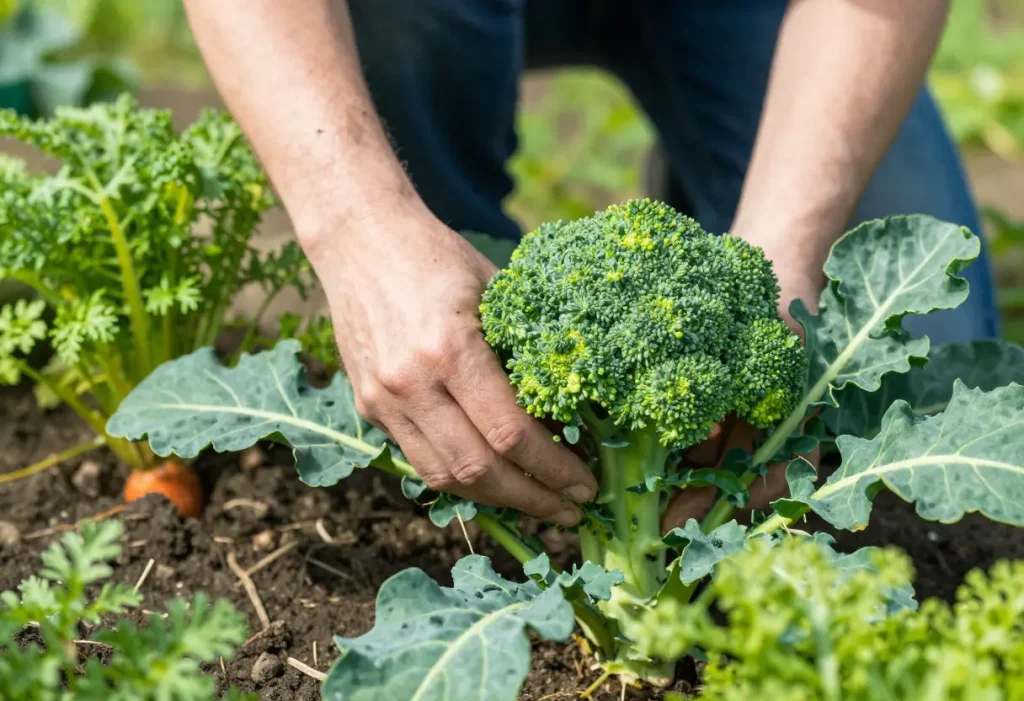
Plants like onions, garlic, and herbs grow well with broccoli. They help keep pests away.
Yes, broccoli can protect plants like spinach and lettuce by attracting pests away from them.
Strawberries and tomatoes do not grow well near broccoli. They compete for nutrients and space.
Companion planting improves broccoli health by reducing pests and boosting soil nutrients naturally.
Herbs like dill, rosemary, and thyme grow well near broccoli and help repel harmful insects.
Companion planting with broccoli helps your garden grow stronger. It keeps pests away and improves soil health. Planting the right neighbors saves space and boosts broccoli’s flavor. Simple pairs like onions, herbs, or beans work well. Try different combinations to find what suits your garden best.
Healthy plants mean better harvests and less work. Start small and watch your broccoli thrive with good friends nearby. Gardening becomes easier and more fun this way. Give companion planting a chance and enjoy fresh, tasty broccoli all season.