Gardening Made Simple.
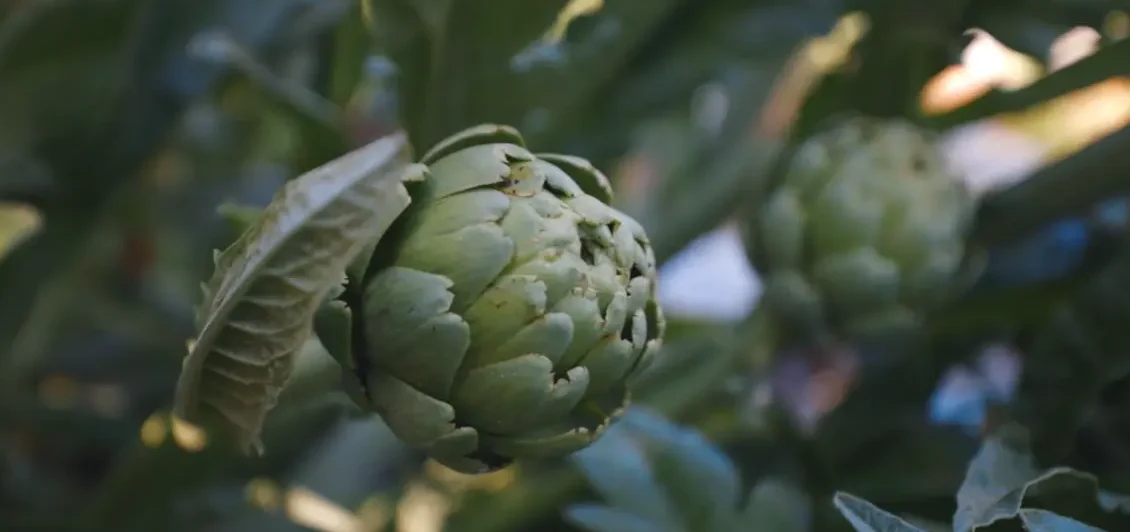
Have you ever wanted to grow your own fresh, delicious artichokes right in your garden? Growing Artichokes from Seed might sound tricky, but with the right guidance, you can enjoy homegrown, tender buds that taste far better than store-bought ones.
Imagine the satisfaction of watching your tiny seeds turn into impressive plants, ready to harvest. You’ll discover easy steps and expert tips that make growing artichokes from seed simple and rewarding. Keep reading to unlock the secrets to a thriving artichoke patch you’ll be proud of!
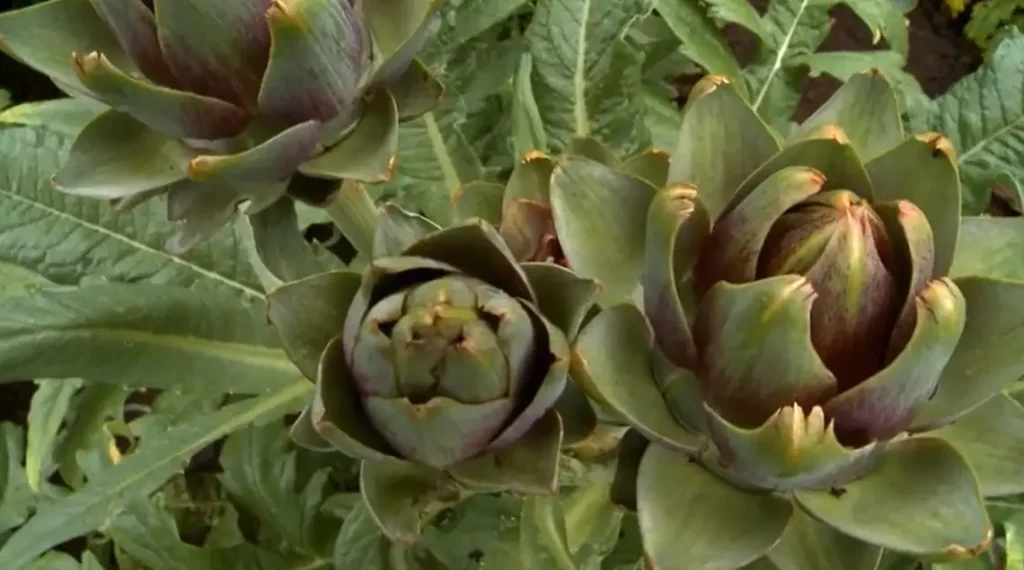
Choosing the right seeds is the first step in growing healthy artichokes. The seeds you select affect how well your plants grow and produce. Quality seeds lead to strong plants that resist disease and thrive in your garden.
Consider your climate and space when picking seeds. Some varieties do better in cooler areas, while others prefer warmth. Knowing this helps you pick seeds that fit your garden’s conditions.
Several artichoke varieties suit home gardens well. The 'Green Globe' is popular for its large, tasty buds. 'Imperial Star' grows fast and produces early. 'Violetto' offers a unique purple color and good flavor. These varieties adapt well to many climates and are easier for beginners.
Buy seeds from trusted garden centers or seed catalogs. Quality suppliers offer fresh seeds with good germination rates. Check for seed packets that list planting dates and care tips. Avoid old or damaged seeds to ensure better growth. Specialty seed stores often carry rare artichoke types too.
Preparing to plant artichokes from seed sets the stage for healthy growth. It helps to understand the soil and climate needs. This ensures your plants develop strong roots and thrive.
Artichokes grow best in rich, well-drained soil. The soil should have plenty of organic matter. This keeps the ground loose and full of nutrients. A slightly acidic to neutral pH, around 6.5 to 7.5, is ideal. Avoid heavy clay or waterlogged soil. Good drainage prevents root rot and other problems.
Artichokes prefer mild, frost-free weather. They grow well in areas with cool, moist summers. Temperatures between 50°F and 75°F suit them best. Too much heat can stress the plants. Light frost may not harm young plants, but hard freezes can. Choose a planting time that avoids extreme cold or heat.
Starting artichokes from seed requires care and patience. Good seed starting techniques boost germination and healthy growth. Understanding simple steps helps young plants thrive before transplanting outdoors. Use the right methods to give your artichokes the best start.
Soaking artichoke seeds softens their hard outer shell. Place seeds in warm water for 24 hours. This helps water enter the seed and starts growth.
Scarification means gently scratching the seed coat. Use fine sandpaper or a nail file. This lets the seed absorb moisture faster. Do this carefully to avoid damage.
Keep seeds in a warm spot around 70°F (21°C). Use a heat mat if needed for steady warmth. Cover seeds lightly with soil, about half an inch deep.
Maintain moist soil but avoid waterlogging. Mist the soil surface to keep it damp. Check seeds daily for signs of sprouting.
Choose seed trays or small containers with drainage holes. Use seed-starting mix, which is light and drains well. Fill trays and press soil gently, no compacting.
Label trays with the date and seed type. This helps track growth and care needs. Place trays in bright, indirect light once seeds sprout.

Transplanting artichoke seedlings is a crucial step for healthy plant growth. This process moves young plants from indoors to your garden. Doing it right helps seedlings adjust and thrive in outdoor conditions. Proper care during transplanting sets the stage for strong, productive artichoke plants.
Move seedlings outdoors after the last frost date in your area. The soil should be warm, at least 50°F (10°C). Seedlings need to have at least 4 to 6 true leaves. This means they are strong enough to handle outdoor weather. Avoid moving them too early to prevent cold damage.
Hardening off means slowly exposing seedlings to outdoor conditions. Start by placing them outside for a few hours in a shady spot. Increase the time outside daily. After a week, seedlings should stay outdoors all day. This process toughens their leaves and stems. It reduces shock when planted in the garden.
Plant seedlings about 3 feet apart to allow room for growth. Artichokes grow wide and need space for air circulation. Set seedlings at the same soil depth as in their pots. Planting too deep can cause stem rot. Water well after transplanting to settle the soil around roots.
Caring for artichokes grown from seed requires attention to water, nutrients, and pests. Proper care helps plants grow strong and produce large, tasty buds. Follow these simple steps to keep your artichokes healthy and productive throughout the growing season.
Artichokes need regular watering to keep the soil moist. Water deeply once or twice a week. Avoid letting the soil dry out completely. Mulch around the plants to keep moisture longer. Water early in the morning to reduce evaporation.
Feed artichokes with balanced fertilizer every 4 to 6 weeks. Use a fertilizer high in nitrogen for healthy leaves. Apply compost or well-rotted manure before planting. Stop fertilizing when buds start to form. Too much fertilizer can reduce bud quality.
Watch for common pests like aphids and snails. Handpick pests or use gentle insecticidal soap. Keep plants spaced for good air flow. Remove dead or damaged leaves to prevent disease. Check plants regularly to catch problems early.
Harvesting artichokes is an exciting part of growing these unique vegetables. Knowing when and how to pick them helps ensure the best taste and texture. Careful harvesting also encourages the plant to produce more buds.
Artichokes are ready to harvest when the buds reach full size. The bud should feel firm and tight. Look for a deep green color with some purple hints. Avoid picking if the buds start to open or turn brown. Harvesting early gives a tender, flavorful artichoke.
Use a sharp knife or garden shears to cut the artichoke. Cut the stem about 1 to 3 inches below the bud. Hold the bud gently to avoid damage. Avoid pulling or twisting the artichoke from the plant. Wear gloves to protect your hands from sharp leaves.
Growing artichokes from seed can be rewarding but also challenging. Many gardeners face common problems that slow growth or stop plants from thriving. Knowing how to spot and fix these issues helps your artichokes grow strong and healthy.
Seeds may not sprout if the soil is too cold or dry. Artichoke seeds need warmth and moisture to start growing. Use a seed tray with a heat mat to keep soil around 70°F. Keep the soil damp but not soaked. Old seeds also have low germination rates. Use fresh seeds for best results.
Slow growth happens if plants lack sunlight or nutrients. Artichokes need at least six hours of sun daily. Poor soil quality can stunt growth. Add compost or balanced fertilizer to enrich the soil. Overwatering leads to root rot and weak plants. Water only when the top inch of soil feels dry.
Common pests include aphids and snails. Aphids cause curled leaves and sticky residue. Spray plants with water or insecticidal soap to remove aphids. Snails chew holes in leaves, damaging plants. Use barriers or handpick snails at night. Diseases like powdery mildew appear as white spots on leaves. Remove affected leaves and improve air circulation around plants.
Extending the growing season for artichokes helps you enjoy fresh harvests longer. Artichokes need warm soil and air to grow well. Early frost or cold weather can stop their growth. You can use simple methods to protect plants and keep them growing. These methods help you start growing artichokes earlier and harvest later.
Mulch keeps the soil warm and moist around artichoke plants. Straw, leaves, or wood chips work well as mulch. Spread a thick layer around the base of your plants. Mulch also stops weeds from growing and stealing nutrients.
Row covers protect artichokes from frost and cold winds. Use lightweight fabric covers that let light and water through. Secure covers tightly to keep cold air out. Remove covers during warm days to avoid overheating. These covers create a small greenhouse effect for your plants.
Starting artichoke seeds indoors gives plants a head start. Use seed trays or pots with well-draining soil. Keep them in a warm, sunny place or under grow lights. Water plants gently to keep soil moist but not wet.
Move seedlings outside only after the last frost date. This way, young plants avoid cold damage. Indoor growing also helps you control temperature and light better. It is a good way to extend the growing season for artichokes.

Artichokes usually take 85 to 100 days to grow from seed to harvest.
Artichokes grow best in well-drained, fertile soil with plenty of organic matter.
Artichokes need at least 6 hours of direct sunlight each day for good growth.
Growing artichokes indoors is possible but challenging due to their size and light needs.
Keep the soil moist but not soggy; water artichoke seeds gently every day.
Growing artichokes from seed takes patience and care. Start early indoors to give seeds a warm place. Transplant seedlings outside when the weather is warm. Water regularly and give them plenty of sunlight. Watch for pests and remove any dead leaves.
Soon, you will enjoy fresh artichokes from your own garden. A rewarding process that brings tasty results. Keep trying and learn as you grow. Gardening is about enjoying the journey, not just the harvest.