
Gardening Made Simple.
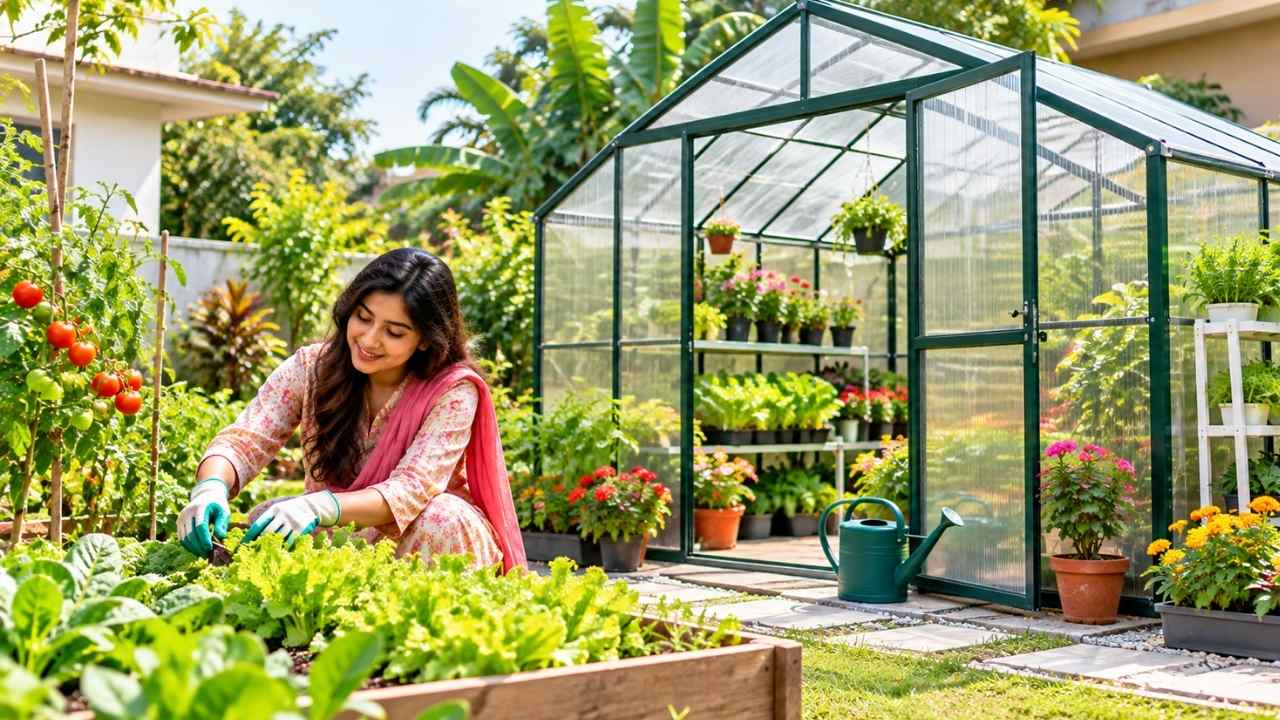
Best Greenhouse for Backyard Gardening is not always the largest or most expensive model. Instead, a sunny yard, a short growing season, or a limited budget can change the right choice completely. In 2026, the strongest options range from a $90 entry-level walk-in model to a $6,800 heavy-duty greenhouse.
To begin, ask three practical questions: How much space is available? What weather must the structure handle? Will it be used for seasonal seedlings or year-round growing? By answering those questions first, you can prevent an expensive mismatch.
Key Summary:
Read More: Best Vegetable Garden Soil
The best greenhouse for backyard gardening depends on your budget, climate, yard size, and growing plans. For most homeowners, the Backyard Discovery Willow All Cedar Modern Greenhouse offers the best overall balance because it combines cedar construction, polycarbonate walls, a sloped roof, and an integrated exhaust fan.
However, that recommendation changes in demanding conditions. For example, a gardener facing heavy snow may need the stronger Planta Sungrow Series, while a beginner growing seedlings for one season may be better served by a $90 to $150 portable structure.
The Backyard Discovery Willow All Cedar Modern Greenhouse is the best overall option for gardeners who want a permanent backyard structure with a polished appearance. At around $1,999, it uses a modern cedar wood frame with four-wall polycarbonate panels.
In addition, the contemporary sloped roof gives the greenhouse a clean profile. More importantly, the integrated exhaust fan supports airflow and helps retain usable heat when conditions change. As a result, the combination suits gardeners who want more than a temporary seasonal shelter.
The main trade-off is price. At around $1,999, it sits well above portable models. Therefore, it makes the most sense when appearance, durability, and regular use matter more than the lowest purchase cost.
For cold climates, the best greenhouse for backyard gardening must combine strong framing with thick panels and dependable weather resistance. In this group, the Planta Sungrow Series is the most suitable option because its heavy-duty kits use galvanized steel frames and thick polycarbonate panels.
Planta Sungrow models range from $2,250 to $6,800. Furthermore, they are designed to handle intense weather and heavy snow loads of up to 75 psf. That stated load capacity is a major decision point for properties where winter snow is a serious structural concern.
At a lower price, the Palram Canopia Harmony 6x10 costs around $494. It uses a twin-wall roof and built-in rain gutters, making it a reliable mid-range option for cooler-weather protection.
| Greenhouse | Approximate price | Best use | Notable features |
|---|---|---|---|
| Planta Sungrow Series | $2,250–$6,800 | Cold climates and demanding weather | Galvanized steel frame, thick polycarbonate panels, snow loads up to 75 psf |
| Palram Canopia Harmony 6x10 | About $494 | Mid-range cooler-weather protection | Twin-wall roof and built-in rain gutters |
These two models serve different buyers. Planta Sungrow prioritizes heavy-duty performance, while the Harmony 6x10 offers a more accessible price for gardeners who still want better protection than a basic plastic-covered shelter. Therefore, the better choice depends on whether maximum strength or a moderate budget comes first.
Beginners usually need a structure that is simple to assemble, affordable to replace, and large enough for a realistic first project. For this category, the Eagle Peak Portable Walk-In and SPECILITE Walk-in Greenhouse are the most practical low-cost choices.
The Eagle Peak costs around $150. Its pop-up steel frame makes setup fast, and the design works well for seasonal seed starting. Consequently, it is a sensible choice when the greenhouse will be used during selected growing periods rather than maintained as a permanent garden building.
SPECILITE costs around $90. It uses a lightweight steel frame and a polyethylene cover, placing it firmly in the entry-level category. For a first experiment with backyard gardening, the lower purchase price reduces the financial risk.
A useful starting point is a small seedling project. For example, a gardener can use a portable greenhouse to start plants before outdoor conditions become favorable, then pack it away after the main season.
Material selection affects insulation, maintenance, lifespan, and weather performance. In general, polycarbonate panels outlast single-layer plastic film and insulate much better than glass. Frame material matters too, with cedar and powder-coated aluminum offering resistance to rot and rust.
Polycarbonate panels provide a more substantial enclosure than single-layer plastic film. They also offer better insulation than glass, according to the supplied product guidance. For that reason, polycarbonate is especially relevant when temperature stability matters.
Plastic film remains useful for inexpensive, temporary structures. However, a lightweight cover is better suited to seasonal use than to a permanent backyard installation.
Cedar gives a greenhouse a warmer, furniture-like appearance. It also resists rot when properly maintained. By contrast, powder-coated aluminum offers a different advantage because its finish helps resist rust while keeping the frame relatively low-maintenance.
The right frame depends on the yard and the owner’s priorities. For instance, a visible structure beside a home may favor cedar, while a gardener focused on simple upkeep may prefer coated metal.
A greenhouse needs a way to release excess heat and move air. Therefore, roof vents, windows, and automatic exhaust fans are useful features because indoor temperatures can rise sharply on sunny days, even when outdoor air feels mild.
The Willow greenhouse includes an integrated exhaust fan. Meanwhile, Palram Canopia Harmony includes a different practical feature: built-in rain gutters. Before buying, check whether the chosen model has roof vents, windows, an exhaust fan, or another clear airflow solution.
Ventilation is easy to overlook because it is less visible than walls or roofing. Yet a greenhouse with excellent panels can still become uncomfortable for plants if warm air has nowhere to escape.
Choose one size tier larger than your first estimate if you plan to store tools, add a potting bench, or grow tall plants. Otherwise, interior working space can disappear quickly once shelves, containers, and walking paths are added.
For example, a greenhouse that appears large enough for seedlings may feel crowded after adding a bench and hand tools. In addition, tall plants require vertical clearance, not only floor area.
Before comparing models, measure the available yard. Also, leave room for access around the structure, placement near a practical water source, and safe movement when carrying trays or soil.
Size is therefore a planning issue rather than a simple measurement. A slightly larger greenhouse can be more useful than a cheaper structure that becomes cramped within one growing season.
Every option involves a compromise. Ultimately, the best greenhouse for backyard gardening is the one whose limitations match your actual use rather than the one with the longest feature list.
| Option | Advantages | Limitations |
|---|---|---|
| Backyard Discovery Willow | Cedar frame, four-wall polycarbonate, sloped roof, integrated exhaust fan | Higher price than portable models |
| Planta Sungrow Series | Heavy-duty construction and snow-load capacity up to 75 psf | Price can reach $6,800 |
| Palram Canopia Harmony 6x10 | Mid-range price, twin-wall roof, built-in rain gutters | Less heavy-duty than the Planta range |
| Eagle Peak Portable Walk-In | Fast setup and suitable for seasonal seed starting | Temporary, budget-oriented construction |
| SPECILITE Walk-in | Lowest listed price and lightweight frame | Polyethylene cover and entry-level durability |
Gardeners who want a permanent visual upgrade may prefer the Willow. On the other hand, those facing intense winter conditions should examine Planta Sungrow first. Meanwhile, a beginner with limited funds may gain more value from Eagle Peak or SPECILITE.
The most common mistake is choosing by price alone. Although a $90 greenhouse can be useful, it should not be judged by the same standard as a galvanized steel structure designed for heavy snow.
Before choosing a model, review reliable home-growing guidance from the University of Minnesota Extension’s home vegetable gardening resource. In particular, it can help connect greenhouse planning with broader growing conditions.
Start with the growing task you can manage consistently. For example, a beginner may need only a portable walk-in greenhouse for seed starting, while a gardener expanding into tall plants may need extra height and floor space from the beginning.
Gradual scaling also protects the budget. Someone starting with SPECILITE can learn how much space is used, which plants perform well, and whether regular greenhouse care fits their routine before upgrading to a permanent structure.
For a more demanding setup, focus on the features that are difficult to add later. Strong framing, thick panels, adequate ventilation, and sufficient height deserve priority over decorative details.
The Backyard Discovery Willow All Cedar Modern Greenhouse is the best overall pick in the supplied options. At around $1,999, it combines cedar, four-wall polycarbonate panels, a sloped roof, and an integrated exhaust fan.
The Planta Sungrow Series is the strongest choice listed for heavy snow. Its kits use galvanized steel and thick polycarbonate panels, with stated snow-load capacity up to 75 psf.
The SPECILITE Walk-in Greenhouse is the lowest-priced option at around $90. It has a lightweight steel frame and polyethylene cover for basic entry-level gardening.
Eagle Peak suits beginners who want fast setup and seasonal seed starting. Its portable pop-up steel frame costs around $150, so the initial investment remains relatively low.
Polycarbonate panels generally last longer and insulate better than single-layer plastic film. However, film remains useful when low cost and temporary seasonal use are the main priorities.
Ventilation releases excess heat and keeps air moving on sunny days. Therefore, roof vents, windows, and automatic exhaust fans are practical features to look for before buying.
Usually, one size larger is sensible if you will add tools, a potting bench, shelves, or tall plants. Otherwise, interior space can disappear quickly after setup.
The best greenhouse for backyard gardening depends on the balance between cost, weather, space, and intended use. The Willow is the strongest all-around choice, Planta Sungrow prioritizes cold-weather durability, and the lower-priced Eagle Peak and SPECILITE models make beginner projects easier to start.
Before ordering, confirm the available yard space, compare ventilation features, and decide whether the greenhouse is seasonal or permanent. Then select the model that supports your real gardening routine rather than an idealized one.
Subscribe to the blog and newsletter to get new updates in simple, clear words straight to your inbox.
Recent Articles
Related Articles

Keengarden is your simple, friendly guide to growing healthy plants, fixing garden problems, and choosing the right tools.
© 2025 keengarden. All rights reserved. Designed by Affpilot