
Gardening Made Simple.
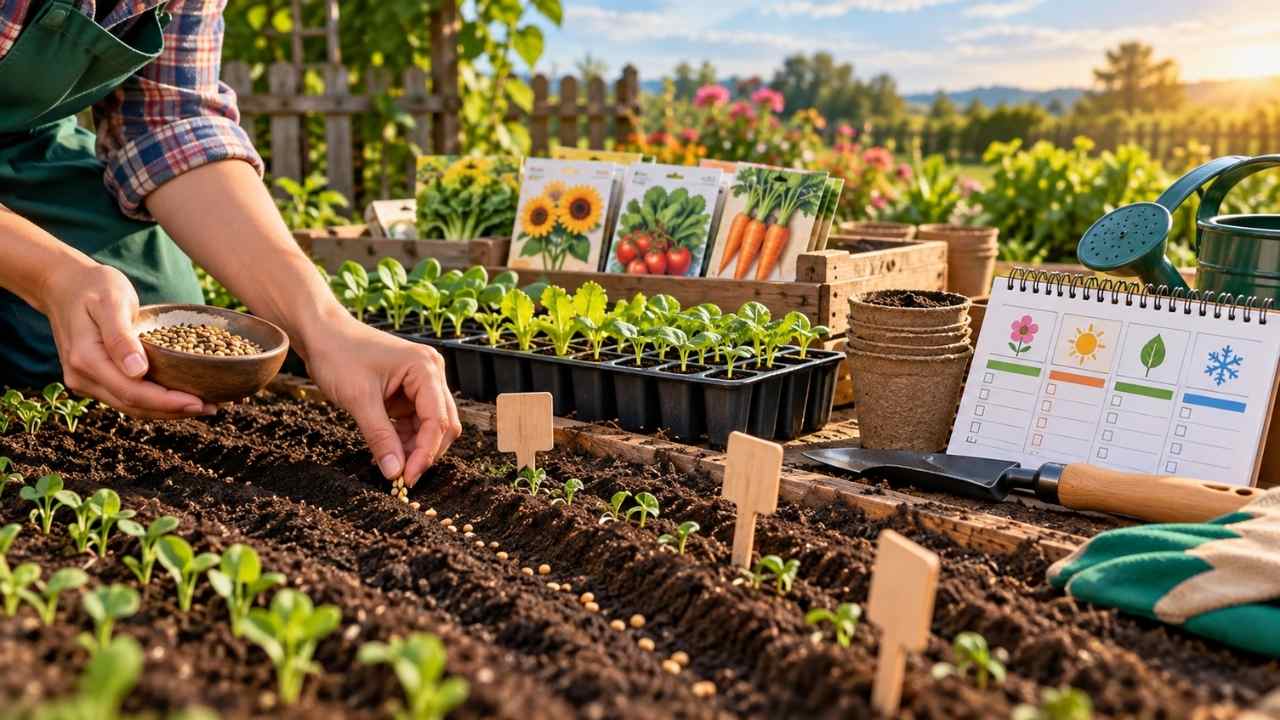
Can i plant seeds outside now depends on your local frost dates, soil temperature and the crop you want to grow. For example, cool-season seeds such as radishes, carrots, spinach, lettuce, peas and kale can often go directly into moist soil at about 40°F to 50°F. However, warm-season crops need warmer soil and frost-free weather.
For a budget-conscious start, plant a small test row before using an entire bed. First, check the soil with a thermometer, then compare your local frost dates and read the seed packet’s days-to-maturity guidance. As a result, that simple sequence reduces wasted seed, compost and watering time.
Outdoor sowing works especially well for crops with sensitive roots, cold-tolerant plants and species that dislike transplanting. In addition, native plants can benefit because outdoor conditions provide the seasonal cues they need.
Key update:
Yes, you can plant suitable seeds outside now if the soil is workable, consistently moist and warm enough for the crop. For example, radishes, carrots, spinach, lettuce, arugula, kale, peas, beets and Swiss chard suit cooler conditions. By contrast, tomatoes, peppers, cucumbers, squash, corn, beans and melons usually need warmer soil and no expected frost.
Local conditions matter more than the calendar. For instance, a sunny raised bed may warm earlier than a shaded ground-level plot, while wet clay soil can remain cold even after daytime temperatures rise. Therefore, test a small area first when conditions are uncertain.
| Crop group | Examples | Useful soil temperature | Frost guidance |
|---|---|---|---|
| Cool-season crops | Radishes, carrots, spinach, peas and kale | About 40°F to 50°F | Many tolerate cool weather and light frost |
| Warm-season crops | Tomatoes, peppers, squash and melons | Usually 60°F to 70°F or warmer | Wait until frost risk has passed |
For example, a gardener with 45°F soil could sow radishes and spinach in a prepared bed. However, planting cucumber seeds in the same bed would be premature if nights remain cold. Consequently, the seeds may rot, remain dormant or emerge unevenly.
Cool-season seeds are the safest choice when spring or autumn conditions remain chilly. For example, radishes, carrots, spinach, lettuce, arugula, kale, peas, beets and Swiss chard can germinate in soil near 40°F to 50°F, although emergence may take longer at the lower end of that range.
Broccoli, cauliflower and true spinach also prefer cool weather with steady moisture. In contrast, these crops can struggle, bolt or produce lower-quality growth in hot conditions. Therefore, a cool-season planting window can be more useful than waiting for warm weather.
A useful low-cost approach is to sow a short row of several cool-season crops rather than filling the whole garden. Then, you can compare emergence, moisture and sunlight before expanding the planting.
Warm-season seeds should wait when your region is experiencing cool weather, frozen ground or a realistic frost risk. Generally, tomatoes, peppers, squash, cucumbers, corn, beans and melons perform best when soil reaches about 60°F to 70°F or warmer.
These crops are not simply slow in cold soil. Instead, their seeds may fail to germinate, decay in wet conditions or produce weak seedlings. Even a brief frost can damage young warm-season plants, so soil warmth and the local frost forecast should be considered together.
Warm-season crops also need enough time to mature before the next autumn frost. Therefore, check the seed packet for days to maturity, then work backward from your expected first frost. Peppers and watermelons may need many months, while beans usually mature sooner.
One practical exception is a protected structure. For example, a cold frame, greenhouse or suitable row cover can allow sowing one to three weeks earlier than an exposed garden bed. Nevertheless, protection does not remove every risk, so ventilation and moisture still require attention.
Frost dates provide a practical starting point for outdoor sowing. In spring, use your region’s average last frost date, while autumn planning should use the average first frost date. However, these dates are estimates, not guarantees, so local weather and the crop’s tolerance still matter.
For a regional estimate, consult the frost date calculator from The Old Farmer’s Almanac or check the National Gardening Association frost-date tool. In either case, enter your location rather than relying on a broad climate label.
USDA hardiness zones offer useful background, but they do not replace frost dates or soil readings. For example, a coastal garden, sheltered urban plot and exposed rural bed can have different sowing conditions within the same zone.
Direct-sown seeds need moist, loose soil rather than soggy, compacted or frozen ground. Ideally, the texture feels like a wrung-out sponge. If water stands on the surface after irrigation, improve drainage before sowing or choose a better-drained location.
Begin by removing weeds, spent annuals and plant debris. Next, add compost, leaf mold or a suitable organic amendment where soil is poor. A layer about one to three inches thick can be incorporated evenly, but avoid burying tiny seeds beneath a heavy layer.
Containers and raised beds require extra care. Over time, old potting mix can compact, restricting roots and drainage. Therefore, adding fresh organic matter and suitable materials such as perlite or vermiculite can improve structure, although the exact mix should match the container and crop.
Do not let the surface dry during germination. Small roots are especially vulnerable. During frequent rain, a row cover can reduce excessive saturation; during dry weather, a drip system or timed sprinkler can provide steadier moisture than occasional heavy watering.
Outdoor seed sowing is straightforward when the site, seed and watering plan are ready. First, gather the materials, prepare the soil, treat special seeds, sow at the correct depth and protect the bed from drying. As a result, the process uses fewer supplies than indoor seed starting.
Choose bare soil in a raised bed, in-ground bed, container or border. Then, rake the surface level and remove weeds or debris. A hand trowel helps with furrows, while a hose nozzle or watering can deliver gentle moisture after sowing.
Some large seeds have hard coats. For example, peas, beans and nasturtiums may benefit from scarification, which means gently filing or nicking part of the outer coating. However, avoid damaging the inner seed.
Native plants and some cold-loving species may need cold stratification. Outdoor sowing in autumn can provide this naturally. Alternatively, seeds can be placed in a slightly moist medium inside a bag and chilled for the period stated on the packet.
Follow the seed packet whenever possible. Generally, small seeds belong near the surface, while larger seeds can be planted deeper. Some tiny seeds, including carrots, chamomile and lettuce, respond well to surface sowing over finely raked soil.
Keep the seedbed evenly moist without washing seeds away. A fine spray is safer than a strong hose stream. If rainfall is reliable, check the soil before watering rather than adding moisture automatically.
Thinning gives the strongest seedlings enough space, light and nutrients. Beet “seeds” can contain several seeds in one cluster, so multiple seedlings may emerge from a single planting spot. Consequently, remove weaker seedlings carefully once they are easy to distinguish.
Gradual scaling is often more efficient than planting every seed at once. Start with one or two short rows, observe germination and repeat successful sowings. This approach limits wasted seed and lets you adjust watering before the entire bed depends on the same method.
Radishes, spinach, cilantro and bok choy are useful for succession sowing. Many gardeners sow quick crops about every two weeks, adjusting the interval for local growth speed. For example, a short row planted now can be followed by another row when the first begins to emerge.
| Situation | Practical choice | Why it helps |
|---|---|---|
| Cold soil near 40°F | Radish, spinach or peas | These crops tolerate cooler conditions |
| Warm soil near 65°F with no frost risk | Beans or cucumbers | Warm-season seeds can germinate more reliably |
| Limited garden space | Short rows and succession sowing | Harvests are spread over time |
| Uncertain weather | Outdoor test row plus indoor backup | Reduces the risk of losing the full planting |
Use recycled containers only when they have drainage and have not held unsuitable substances. Likewise, reuse clean supports where practical, but choose sturdy material for heavy vines. Squash, cucumbers, melons and climbing beans need strong wood, metal, PVC or cattle-panel-style support.
The most common mistake is planting by calendar date alone. Weather can shift, and soil temperature often differs from the air temperature. In addition, another mistake is sowing too deeply, especially with small seeds that have limited energy for emergence.
Another overlooked issue is succession planning. A single sowing of radishes may provide a short harvest window. Therefore, repeating small plantings can provide a steadier supply without requiring a larger garden.
Keep seedlings evenly moist until their root systems become stronger. As plants grow, thin overcrowded areas and provide support before vines become tangled. For example, peas and beans can climb light stakes, while cucumbers, squash and melons need stronger structures because their fruit adds weight.
Tomatoes, peppers and eggplants benefit from cages that keep stems upright and make harvesting easier. Meanwhile, thin twining plants such as flowering peas, bush beans and trailing nasturtiums usually need only a stake or nearby structure for attachment.
Some thinned seedlings are edible when appropriate for the crop and grown under clean conditions. For instance, beet and lettuce seedlings can be used as tender greens, while young sunflower seedlings are often grown as microgreens. However, do not eat seedlings that cannot be positively identified.
Outdoor sowing can be combined with indoor growing. Therefore, keeping a small backup group indoors is sensible when frost, pests or heavy rain threaten a valuable planting.
Yes. Radishes, peas, spinach, lettuce, kale, carrots and beets can often handle cool weather when the soil is workable and evenly moist.
Radishes generally germinate well in soil around 40°F to 50°F. They are also useful for a small test row because they mature relatively quickly.
Tomatoes usually need warmer soil, commonly around 60°F to 70°F or more, plus protection from frost. Therefore, wait if nights remain cold.
Seeds need moisture, but saturated soil can limit oxygen and encourage decay. Instead, aim for soil that feels like a wrung-out sponge.
Use the seed packet’s depth first. As a general guide, small seeds stay near the surface, while larger seeds can be covered more deeply.
No. Scarification is mainly useful for some hard-coated seeds, including nasturtiums, peas and beans. As a result, gentle filing can help water reach the seed.
Succession sowing means planting small quantities at intervals, often about two weeks for quick crops. It can extend harvests without needing a larger bed.
Many native plants respond well to outdoor sowing because seasonal cold and moisture provide natural germination cues. However, check the packet for stratification guidance.
When deciding whether you can plant seeds outside now, match the crop to the soil rather than forcing every seed into the same schedule. Begin with cool-season crops when conditions are marginal, and reserve warm-season crops for reliably warm soil after frost risk falls.
Before planting, check local frost dates, read the seed packet, prepare a loose seedbed and create a realistic watering plan. In practice, a small test row followed by succession sowing offers a practical balance between experimentation and careful use of money, seed and garden space.
Information check and update: Frost dates, weather conditions, seed availability and local growing recommendations can change. Therefore, verify location-specific guidance with a trusted local extension service or seed supplier before sowing.
Subscribe to the blog and newsletter to get new updates in simple, clear words straight to your inbox.
Recent Articles
Related Articles

Keengarden is your simple, friendly guide to growing healthy plants, fixing garden problems, and choosing the right tools.
© 2025 keengarden. All rights reserved. Designed by Affpilot