Gardening Made Simple.
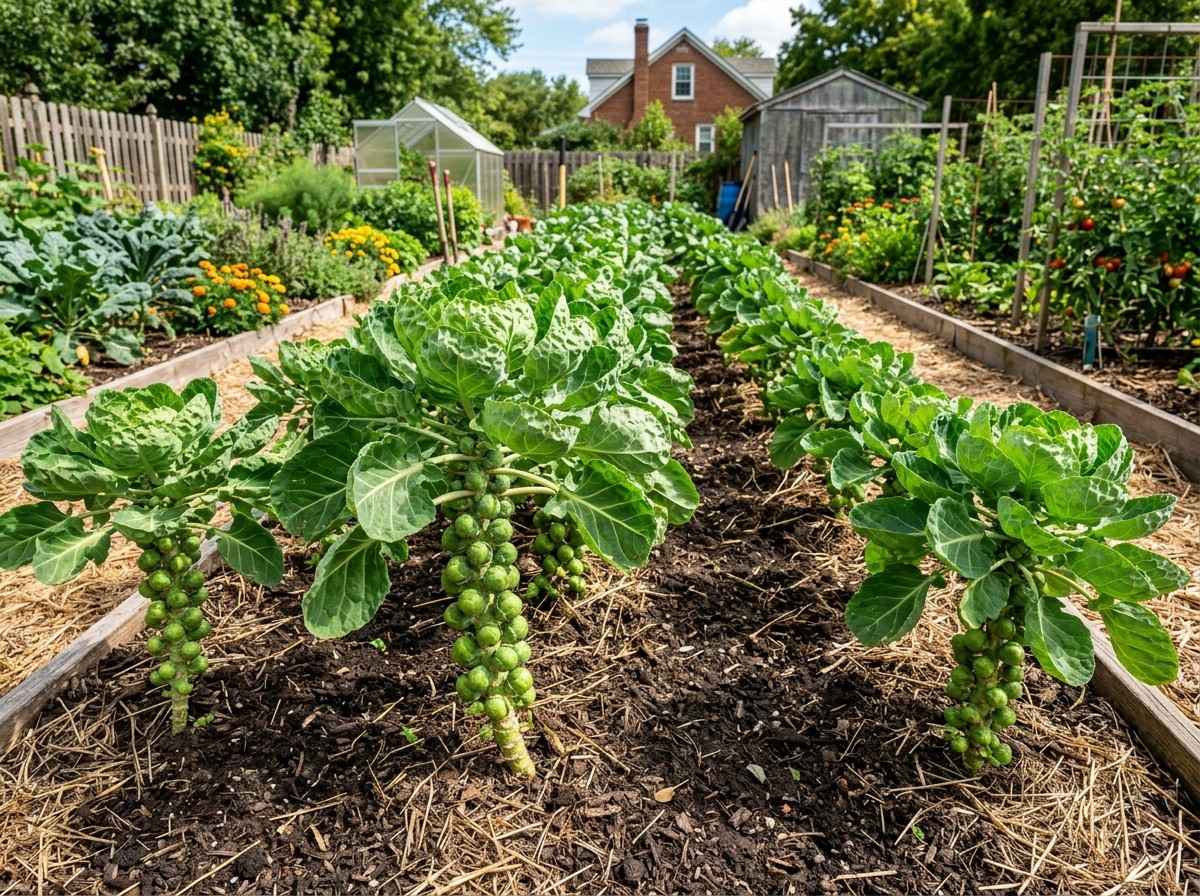
Brussel Sprout Plant Spacing is one of the most important factors for growing healthy, productive plants. If you're wondering about the ideal Brussel Sprout Plant Spacing, getting the distance right allows each plant to receive enough sunlight, airflow, water, and nutrients.
Proper spacing reduces the risk of disease, encourages larger sprouts, and helps you achieve a more abundant harvest. This guide explains the recommended spacing and planting tips for the best growing results.
You’ll discover simple tips to space your Brussels sprouts perfectly, helping your garden thrive and giving you bigger, tastier sprouts. Keep reading, and you’ll learn exactly what to do to maximize your harvest with minimal effort.
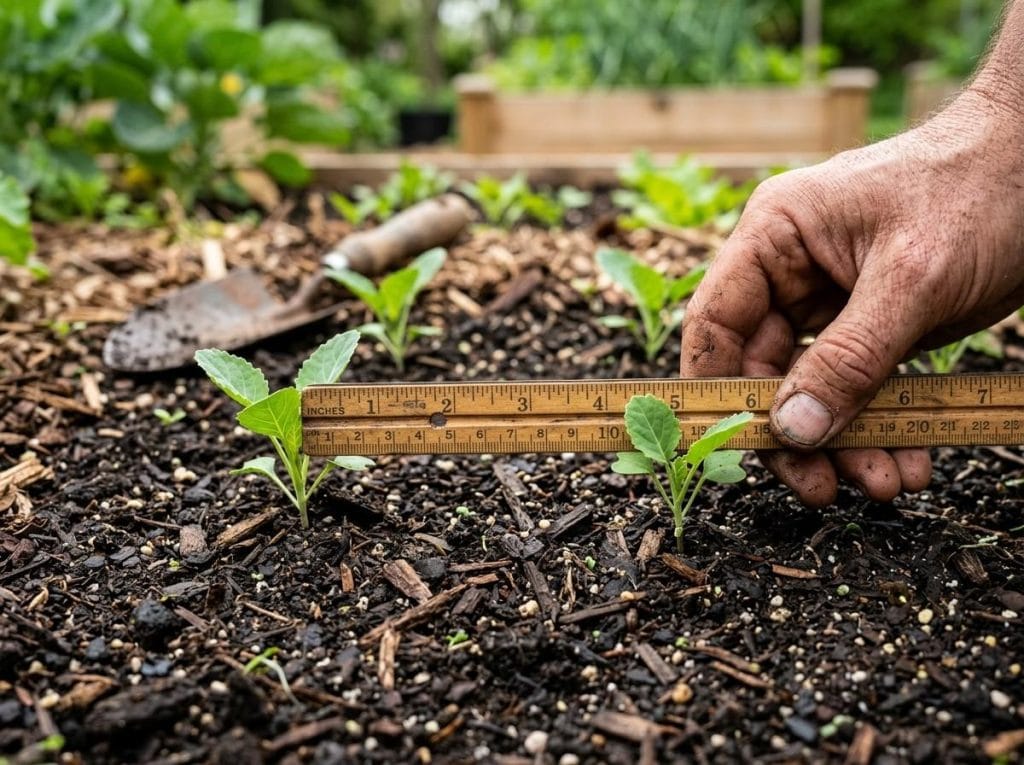
Plant spacing plays a big role in growing healthy Brussels sprouts. Proper spacing helps plants get enough sunlight and air. It also reduces disease risk and makes harvesting easier. Knowing the ideal space for each plant and row improves growth and yield.
Space Brussels sprout plants 18 to 24 inches apart. This distance gives each plant room to grow large and strong. Tight spacing can cause crowding and smaller sprouts. Wider spacing wastes garden space and lowers total harvest. Stick to this range for the best results.
Keep rows 30 to 36 inches apart. This gap allows easy movement for care and picking. It also lets sunlight reach every plant evenly. Narrow rows block light and increase moisture, which can cause disease. The right row spacing balances plant health and garden space well.
Proper spacing between Brussels sprout plants is essential for healthy growth and high yields. Several key factors affect the best distance to plant them. These factors help ensure plants get enough nutrients, light, and room to grow without crowding.
Good soil supports strong plant growth. Rich, fertile soil can support plants spaced closer together. Poor soil needs wider spacing so plants do not compete for nutrients. Test soil before planting to understand its quality. Adding compost or fertilizer improves soil fertility and supports denser planting.
Brussels sprouts need plenty of sunlight. Proper spacing lets sunlight reach all parts of the plant. Good air flow reduces the risk of disease. Crowded plants trap moisture and encourage mold. Space plants to allow air to move freely between them.
Different varieties of Brussels sprouts grow at different sizes. Tall, large types need more space. Smaller varieties can grow closer together. Knowing your plant’s growth habit helps decide the best spacing. Check seed packets or plant tags for size info before planting.
Preparing the planting area is a key step for healthy Brussels sprouts. Good soil and space help plants grow strong. Proper preparation makes a big difference in your harvest. Take time to get the ground ready before planting.
Clear the area of weeds and old plants. Check the soil condition. Make sure the soil drains well and gets enough sunlight. These basics set the stage for healthy Brussels sprouts.
Start by loosening the soil deeply, about 12 inches. This helps roots grow easily. Remove stones and debris that block growth. Add organic compost to enrich the soil with nutrients. Mix the compost well into the soil. Test the soil pH; Brussels sprouts prefer 6.0 to 7.0. Adjust pH by adding lime for acidity or sulfur for alkalinity. Water the soil lightly before planting to keep it moist but not wet.
Raised beds warm up faster in spring. They improve drainage and prevent waterlogging. Raised beds also reduce soil compaction. Ground planting works well in large gardens with good soil. It can retain moisture longer than raised beds. Choose raised beds for poor or clay soil. Select ground planting if soil is loose and fertile. Both methods need proper spacing to avoid crowding and disease.
Brussel sprouts need careful planting for healthy growth and good yields. Choosing the right planting method helps plants grow strong and spread evenly. Two common ways to plant Brussel sprouts are direct seeding and transplanting seedlings. Each method affects spacing and plant care differently.
Direct seeding means planting seeds straight into the garden soil. It is simple and saves time. Plant seeds about 1/2 inch deep. Space seeds 3 to 4 inches apart in rows. Thin seedlings to 18 to 24 inches apart once they grow. This gives enough room for sprouts to develop. Direct seeding works best in areas with a long growing season. Soil should be warm and moist for good germination.
Transplanting starts seeds indoors before moving young plants outside. Start seeds 6 to 8 weeks before the last frost date. Use small pots or seed trays. Keep seedlings in bright light and water regularly. Harden off seedlings for a week before transplanting. Space seedlings 18 to 24 inches apart in the garden. This method helps plants grow faster and stronger. It is ideal for shorter growing seasons and cooler climates.
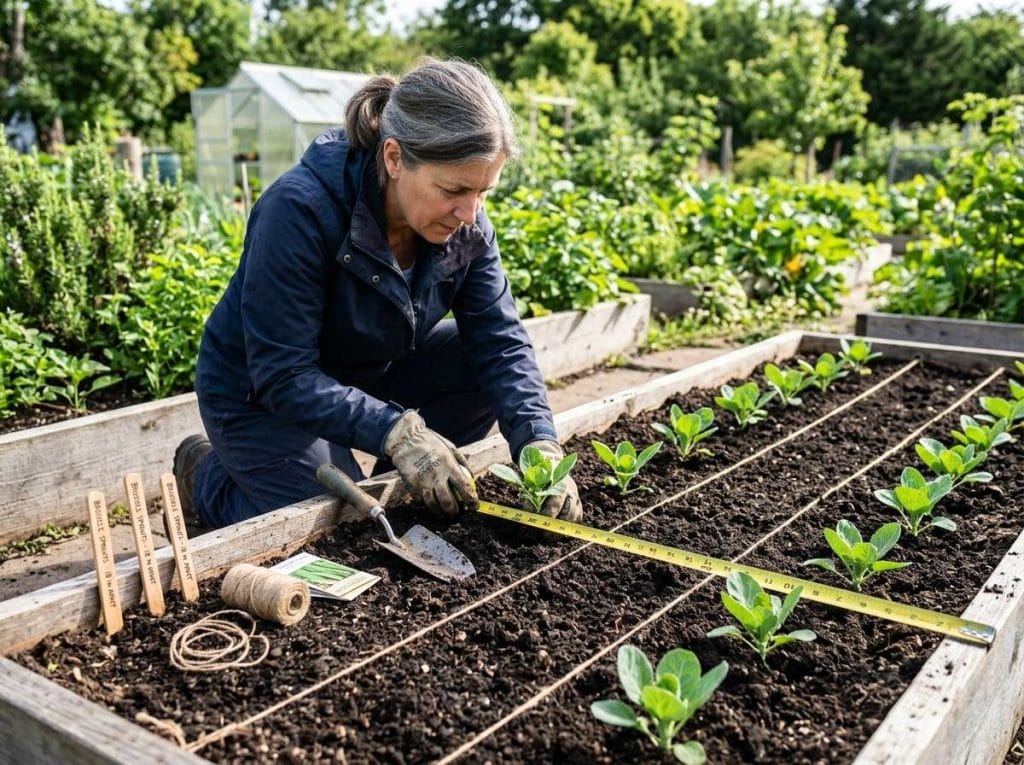
Growing Brussels sprouts in containers requires proper spacing. Proper space helps plants grow healthy and strong. It also makes sure they get enough air and light. Without enough space, plants may become weak and produce fewer sprouts. Follow these tips to give your Brussels sprouts the right room in containers.
Select a container that is at least 12 inches deep. Width should be around 18 inches or more. Bigger containers hold more soil and water. They give roots space to grow well. Avoid small pots. Small containers dry out fast and limit root growth.
Each Brussels sprout plant needs enough root room. Leave about 12 inches between plants in the container. This space stops roots from getting crowded. Crowded roots reduce nutrient and water uptake. Use loose, well-draining soil to help roots spread. Check roots regularly and repot if needed to keep plants healthy.
Spacing Brussel sprout plants correctly is very important. Many gardeners make simple spacing mistakes. These mistakes can hurt plant growth and reduce harvest. Understanding common errors can help improve your garden’s success.
Planting Brussel sprouts too close causes overcrowding. Plants fight for sunlight, water, and nutrients. This weakens the plants and slows their growth. Crowded plants have poor air flow. This increases the risk of diseases and pests. Brussel sprouts need space to grow big and healthy. Overcrowding also makes harvesting difficult and messy.
Spacing plants too far apart wastes garden space. It lowers the number of plants you can grow. Wide spacing can cause soil to dry out faster. Plants may not support each other from wind damage. Also, weeds can grow more easily between plants. Proper spacing balances plant health and garden efficiency.
Adjusting the spacing of Brussels sprout plants depends on the climate. Proper spacing helps the plants grow strong and healthy. It also affects air circulation and sunlight reaching the leaves. Different climates need different spacing to avoid problems like disease or poor growth.
In cool climates, plants grow slower but can become crowded easily. Space Brussels sprouts about 24 to 30 inches apart. This gives each plant enough room to grow large sprouts. Cooler weather means less evaporation, so plants stay moist longer. Good spacing helps prevent mold and mildew by improving airflow.
Warm climates cause plants to grow faster and use more water. Space Brussels sprouts about 18 to 24 inches apart here. Closer spacing helps shade the soil and keep moisture in. It also protects roots from heat damage. Proper spacing in warm weather reduces stress and keeps plants healthy.
Spacing between Brussels sprout plants affects both the amount and quality of your harvest. Proper spacing lets each plant grow fully without fighting for nutrients and sunlight. It also helps keep sprouts large and healthy. Crowded plants often produce smaller sprouts and lower yields. Good spacing creates room for air to flow, reducing problems with pests and disease. Understanding how spacing impacts your crop helps you plan for a better garden.
Plants spaced well have more room to develop strong stalks. This extra space allows sprouts to grow bigger and firmer. Tight spacing limits growth and often leads to smaller, underdeveloped sprouts. Giving plants enough distance encourages better nutrient uptake. Larger sprouts mean a more satisfying harvest for your family or market.
Proper spacing improves air circulation around each plant. Good airflow dries leaves and stems quickly after rain or watering. This drying effect helps stop fungal diseases from spreading. Crowded plants trap moisture and create a breeding ground for pests. Keeping sprouts apart reduces disease risk and lowers the need for chemical treatments.
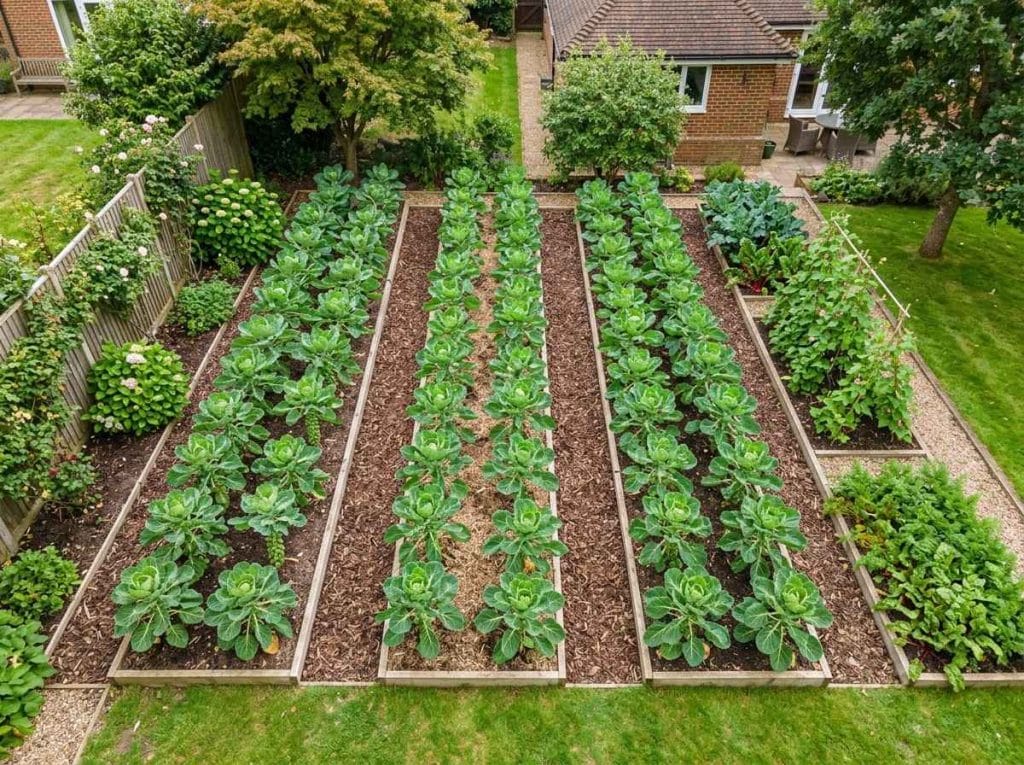
Brussel sprout plants should be spaced about 18 to 24 inches apart for healthy growth.
Rows of brussel sprouts need to be spaced 30 to 36 inches apart for good air flow.
Proper spacing prevents crowding, reduces disease risk, and helps plants grow larger sprouts.
Growing brussel sprouts too close can cause smaller sprouts and increase disease chances.
Wider spacing allows sprouts to grow bigger and makes harvesting easier and more efficient.
Proper spacing helps your Brussels sprouts grow big and healthy. Plants need enough room for air and sunlight. Crowded plants can get sick or produce less. Give each sprout space to spread its leaves. This way, you will enjoy a better harvest.
Remember, good spacing saves time and effort later. Happy gardening starts with smart plant placement!