Gardening Made Simple.

Calcium for Tomato Plants is essential for strong growth and healthy, juicy fruit. If you want your tomato plants to thrive, this nutrient is one you can’t afford to overlook. Without enough calcium, your tomatoes might develop ugly spots, misshapen fruit, or even stop growing altogether.
But how do you know if your plants need calcium? And what’s the best way to give it to them? Keep reading, because understanding calcium’s role in tomato growth could be the key to transforming your garden this season.
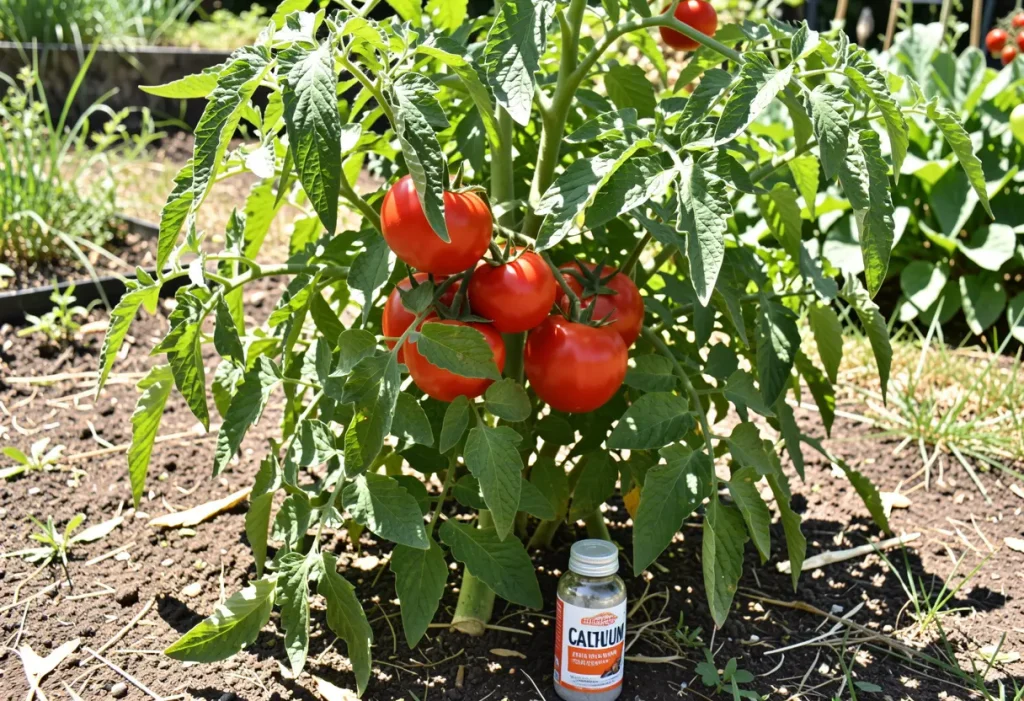
Calcium plays a key role in the growth of tomato plants. It supports many vital functions that keep the plant healthy. Without enough calcium, tomato plants may show poor growth and weak fruits. Understanding calcium’s role helps gardeners grow better tomatoes.
Calcium is not just a nutrient; it is part of the plant's structure and processes. It helps build strong cells, improves nutrient absorption, and supports fruit development. Each of these roles is crucial for a good tomato harvest.
Calcium strengthens tomato cells by forming strong walls. These cell walls hold the plant upright and protect it. Strong cells prevent damage and keep the plant healthy. Without calcium, cells become weak and may break easily.
This strength is important as tomatoes grow and face heat, wind, or pests. Calcium keeps the cells firm, helping the plant resist stress. Healthy cells lead to a sturdy plant that grows well.
Calcium helps tomato roots absorb other nutrients from the soil. It improves the root’s ability to take in water and minerals. Better nutrient uptake leads to healthier leaves and stems.
When roots absorb enough nutrients, the plant uses them to grow faster. Calcium also helps move nutrients inside the plant. This movement supports overall growth and plant strength.
Calcium is essential for forming good tomato fruits. It helps fruits develop a firm texture and reduces problems like blossom end rot. This disorder happens when fruits lack calcium during growth.
With enough calcium, tomatoes grow evenly and ripen well. The fruits stay strong and last longer after harvest. Calcium ensures the fruit’s quality and size improve.
Calcium is very important for tomato plants. It helps build strong cell walls and keeps plants healthy. Without enough calcium, tomato plants show clear signs of stress. These signs help gardeners spot problems early. Recognizing these symptoms can save your crop.
Leaves may curl or look distorted. New leaves often appear twisted or have dark spots. Stems can become weak and brittle. These changes happen because calcium is needed for cell growth. Lack of calcium stops cells from forming properly.
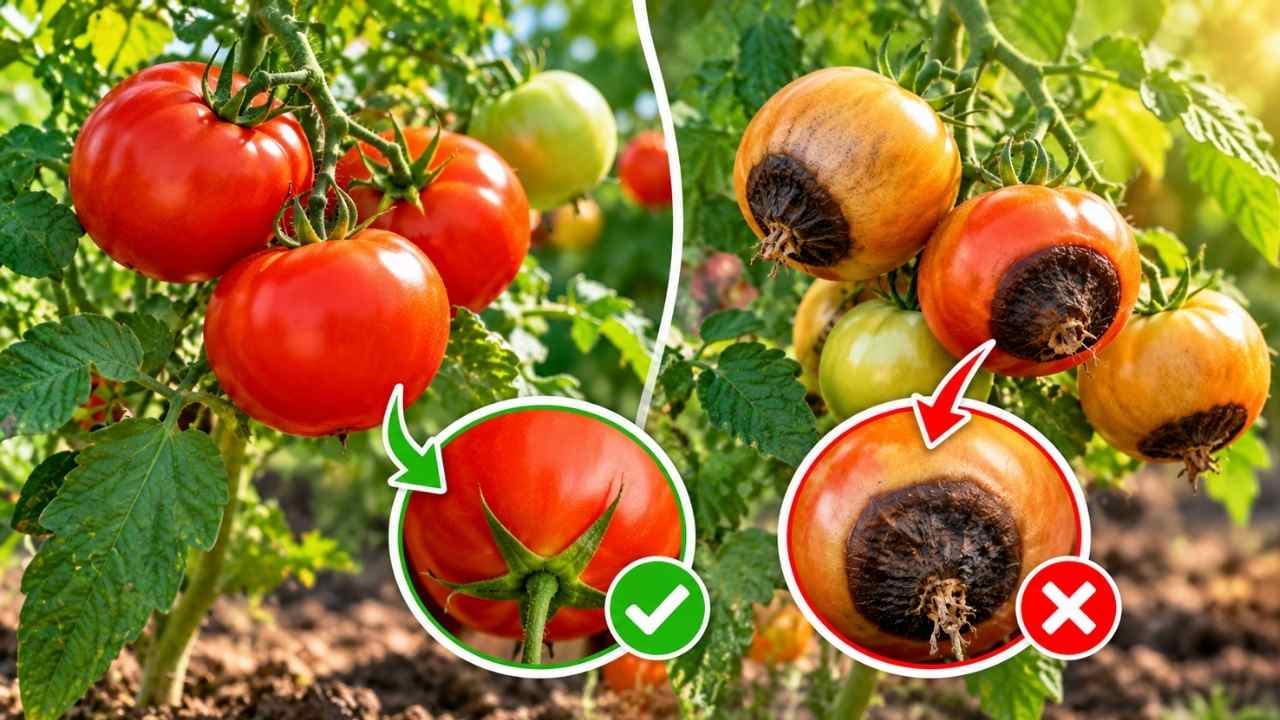
Blossom end rot looks like a dark, sunken spot on the fruit’s bottom. It starts small and grows over time. The spot feels dry and leathery. This issue happens because calcium does not reach the fruit fast enough. It is a common sign of calcium deficiency in tomatoes.
Young shoots may die back suddenly. Roots might grow poorly or stop growing. The plant’s overall growth slows down. Fruits can be small and misshapen. Calcium deficiency affects many parts of the tomato plant. Watching for these signs helps protect your harvest.
Blossom end rot is a common problem for tomato plants. It causes dark, sunken spots on the bottom of the fruit. This damage happens because the plant lacks enough calcium. Preventing blossom end rot means giving your tomato plants the calcium they need. Healthy fruits depend on steady calcium supply and good care.
Start by testing your soil for calcium content. Use garden lime or gypsum to raise calcium if needed. Mix these into the soil before planting. Avoid overuse, as too much can harm the plants. Regular soil checks keep calcium at safe levels. This helps tomatoes grow strong and healthy.
Water tomato plants evenly and deeply. Inconsistent watering stops calcium moving to the fruit. Use drip irrigation or a soaker hose for steady moisture. Avoid wetting leaves to reduce disease risk. Mulch helps keep soil moist and cool. Proper watering supports calcium uptake and prevents blossom end rot.
Tomatoes prefer soil pH between 6.2 and 6.8. This range helps plants absorb calcium well. Test soil pH regularly with a simple kit. Use lime to raise pH or sulfur to lower it. Balanced pH improves nutrient uptake and plant health. Healthy soil means fewer problems like blossom end rot.

Calcium is a vital nutrient for tomato plants. It helps build strong cell walls and prevents common problems like blossom end rot. Supplying calcium properly supports healthy growth and better fruit quality.
Tomatoes get calcium from different sources. Knowing these sources helps maintain steady calcium levels in the soil and plant tissues. Here are some effective calcium sources for tomatoes.
Fertilizers with calcium provide a direct nutrient boost to tomato plants. Products like calcium nitrate supply calcium and nitrogen at the same time. These fertilizers dissolve quickly, making calcium available fast for roots. Use them carefully to avoid over-fertilizing and harming the plant.
Organic materials improve soil health and slowly release calcium. Crushed eggshells, bone meal, and gypsum are good examples. They enrich the soil with calcium while enhancing texture and moisture retention. Organic amendments work well for long-term calcium supply and healthier soil life.
Foliar sprays deliver calcium directly to tomato leaves and fruits. This method helps fix calcium deficiency quickly during critical growth stages. Sprays should be applied in early morning or late afternoon to reduce leaf burn. Regular use of foliar calcium keeps plants strong and fruits firm.
Applying calcium correctly helps tomato plants grow strong and healthy. Calcium supports cell walls and prevents common problems like blossom end rot. Following best practices ensures plants get the right amount at the right time.
Proper calcium use improves fruit quality and plant durability. It balances nutrients and avoids harm from too much calcium. Careful application supports steady tomato growth and better harvests.
Apply calcium early in the plant’s life. Start at planting or soon after. Repeat every two to three weeks during growth. Adjust frequency based on soil tests and plant needs. Regular calcium feeding keeps plants healthy and stress-free.
Mix calcium with magnesium or potassium for better absorption. Avoid mixing with high phosphorus fertilizers. Use balanced nutrient blends for best results. Proper combinations help plants absorb calcium faster and grow stronger.
Too much calcium can block other nutrients. Over-application causes leaf burn and poor fruit development. Follow label instructions carefully. Test soil regularly to monitor calcium levels. Avoid excess calcium to keep plants safe and productive.
Calcium plays a key role in tomato plant health. It helps build strong cell walls and prevents common problems like blossom end rot. Monitoring calcium levels in soil ensures plants get enough nutrients. Adjusting these levels based on tests and plant condition supports healthy growth and better fruit quality.
Testing soil for calcium is simple. Use a soil test kit from a garden store or send a sample to a lab. Collect soil from different parts of the garden for an accurate result. Follow the kit instructions carefully for best results. Testing helps know exact calcium levels in the soil.
Test results show calcium amount in the soil. Ideal calcium levels range between 1500 and 2000 ppm for tomatoes. Levels below this can cause nutrient problems. High calcium may block other nutrients like magnesium. Use test results to decide if calcium needs adding or balancing.
Watch tomato plants closely after adjusting calcium. Look for healthy leaves and firm fruits. Blossom end rot signals calcium deficiency. Add lime or gypsum to raise calcium if needed. Avoid excess calcium to prevent nutrient imbalance. Adjust slowly and re-test soil to track progress.
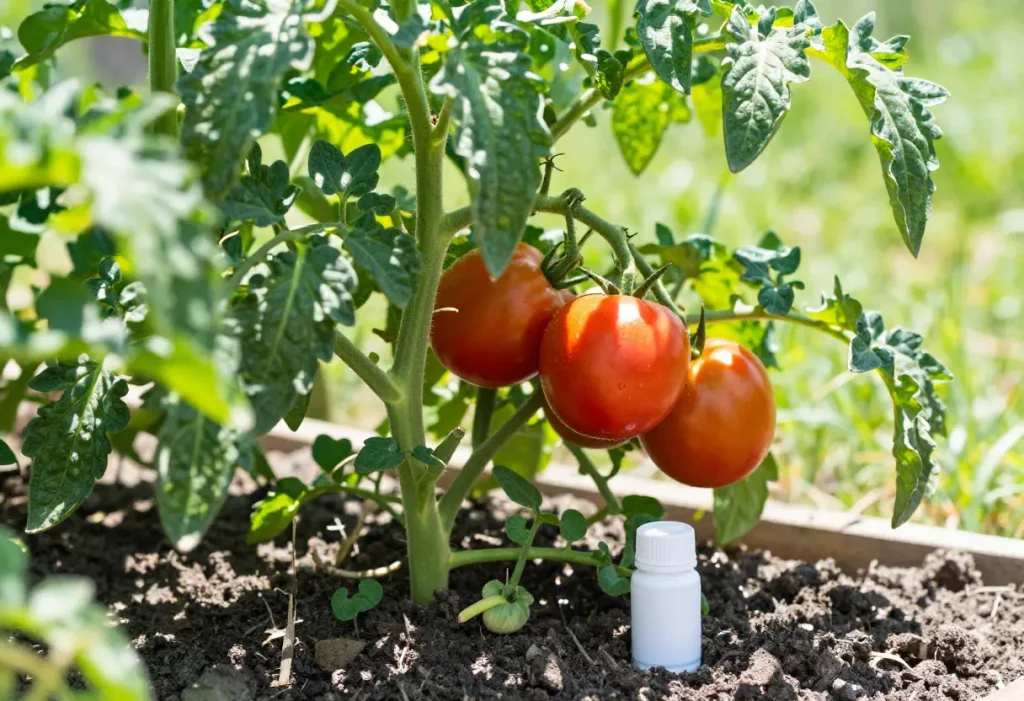
Calcium strengthens cell walls and helps tomato plants grow healthy and strong.
Lack of calcium causes blossom end rot and weak, damaged fruit in tomatoes.
Lime, gypsum, and calcium nitrate are common sources to supply calcium to tomatoes.
Use soil amendments before planting or foliar sprays during growth for best results.
Yes, calcium improves firmness, reduces rot, and extends the shelf life of tomatoes.
Calcium helps tomato plants grow strong and healthy. It stops problems like blossom end rot. Adding calcium to soil keeps fruits firm and tasty. Use natural sources or supplements for best results. Check your soil to know how much calcium it needs.
Healthy tomato plants give you better, larger harvests. Remember, simple care with calcium makes a big difference. Keep your garden thriving with this easy step. Your tomatoes will thank you with great flavor and size.