Gardening Made Simple.
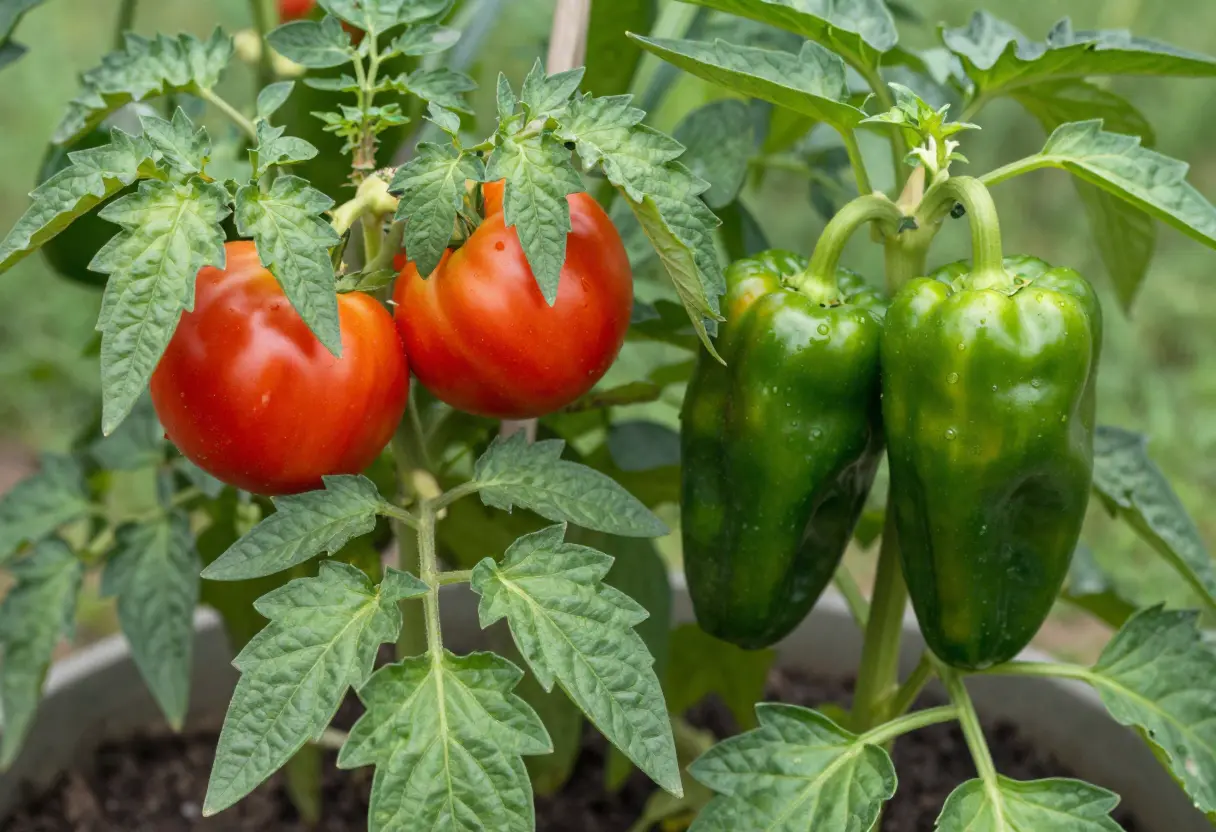
Are you wondering can you plant tomatoes and peppers together in your garden? You’re not alone—many gardeners ask this question when planning their vegetable beds and looking for the best companion planting options.
Many gardeners ask this because both plants are favorites for fresh, homegrown flavors. But before you plant, it’s important to know how they interact. Planting them together might seem like a good idea, but could it affect their growth or harvest?
Keep reading to discover the surprising truth and learn how to make your garden thrive with these popular veggies.
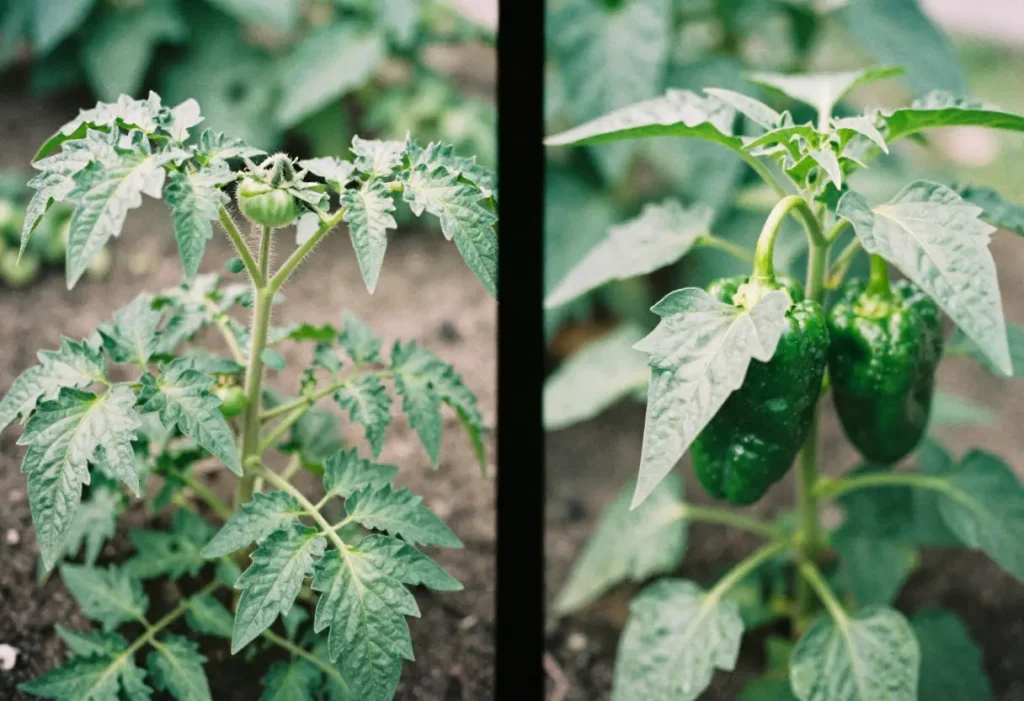
Tomatoes and peppers are popular garden plants. Many gardeners wonder if these two can grow well together. Understanding their compatibility helps you plan your garden better. Both plants belong to the nightshade family. This means they share some similar needs but also have differences. Knowing these details helps you decide if planting them side by side is a good idea.
Tomatoes often grow tall and need support like stakes or cages. They have a bushy structure with many branches. Peppers are usually shorter and more compact. They do not need heavy staking. Both plants spread out but tomatoes take more space vertically. Peppers grow more outward. This difference means they can fit well in the same garden bed. Just give tomatoes room to climb and peppers space to spread.
Tomatoes and peppers both need rich, well-drained soil. They require nutrients like nitrogen, phosphorus, and potassium. Tomatoes need slightly more nitrogen for leaf growth. Peppers need balanced nutrients for fruit development. Both benefit from compost or organic fertilizer. Avoid overfeeding to prevent leafy plants with few fruits. Regular feeding supports healthy growth and good yields for both.
Both tomatoes and peppers need full sun for at least 6 hours daily. They thrive in warm conditions and steady watering. Keep soil moist but not waterlogged. Water at the base to avoid wetting the leaves. This reduces disease risk. Consistent watering helps peppers and tomatoes produce juicy fruits. They respond well to drip irrigation or soaker hoses. Proper sunlight and water make both plants healthy and productive.
Planting tomatoes and peppers together offers several key benefits. This method helps gardeners use space well and supports plant health. It also encourages better pollination, which can improve fruit growth. These advantages make planting these two vegetables side by side a smart choice for small gardens and large plots.
Tomatoes and peppers grow well in similar conditions. Planting them close saves garden space. This is great for small yards or container gardens. Both plants have different growth habits that fit well together. This means you can grow more food in less area.
Some pests avoid peppers, while others dislike tomatoes. Planting them together can confuse harmful insects. This reduces damage to both plants. It also lowers the need for chemical pesticides. Natural pest control helps keep your garden healthy.
Tomatoes and peppers attract many pollinators. Bees and other insects visit both plants often. Close planting increases the chance of pollination. Better pollination leads to more fruit and bigger harvests. This helps your garden produce more food.
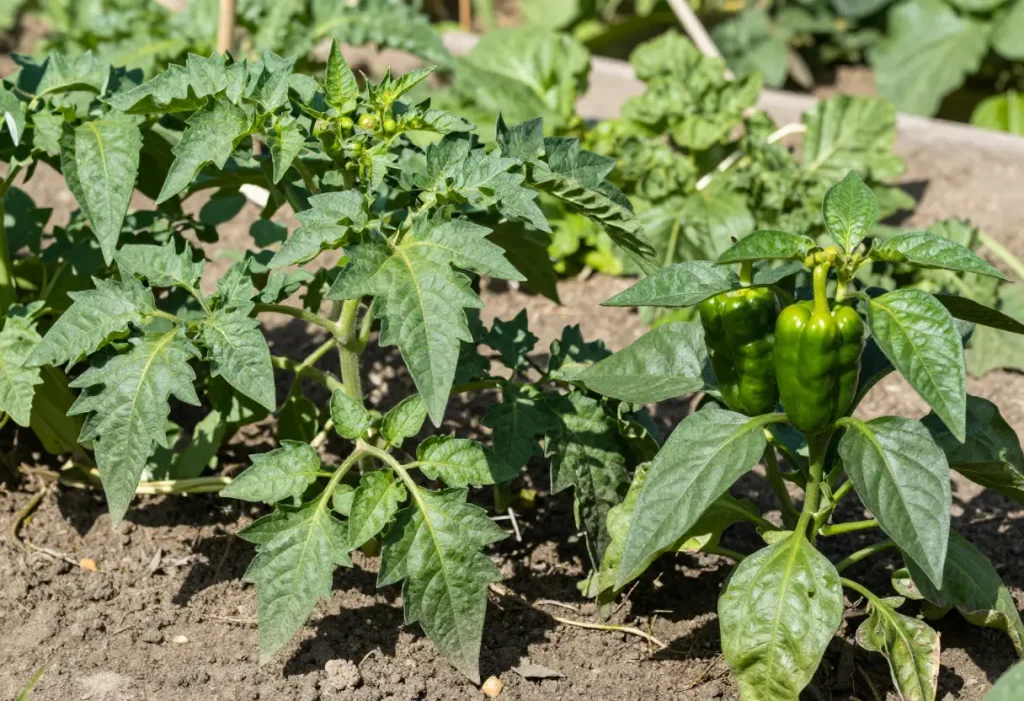
Planting tomatoes and peppers together seems like a good idea. Both are warm-weather crops and share some care needs. Yet, this pairing has potential challenges. These can affect plant health and yield. Knowing these issues helps gardeners plan better.
Tomatoes and peppers can catch similar diseases. They share vulnerabilities to blight and wilt. Disease spreads faster when plants grow close. Infected plants can pass fungi and bacteria easily. This risk means more attention is needed to prevent illness.
Both plants need sunlight, water, and nutrients. Growing them side by side means they compete for these. This competition can stunt growth and reduce fruit size. Poor soil or uneven watering worsens this problem. Gardeners must ensure enough resources for both plants.
Tomato plants tend to grow tall and bushy. Pepper plants usually stay shorter and less dense. Tall tomato vines can shade peppers below. This shading limits pepper plant photosynthesis. Crowded growth may also reduce air circulation. Such conditions increase stress and lower yields.
Companion planting tomatoes and peppers can boost growth and reduce pests. Following best practices helps both plants thrive together. Proper care ensures a healthy garden and better harvest.
Pay attention to spacing, soil, and watering. These factors support strong roots and healthy plants.
Space tomato and pepper plants at least 18 to 24 inches apart. This distance allows air to flow between plants. Good airflow reduces disease and keeps leaves dry. Crowded plants compete for nutrients and water. Proper spacing helps roots grow deep and wide.
Use rich, well-draining soil for tomatoes and peppers. Mix compost or aged manure to improve soil fertility. Ensure soil pH is between 6.0 and 6.8 for best growth. Avoid heavy clay soil that holds too much water. Loosen soil before planting to help roots spread easily.
Water plants deeply but less often. This encourages strong root growth. Keep soil consistently moist, not soggy. Water at the base to avoid wetting leaves. Wet leaves can cause fungal diseases. Early morning watering helps plants dry during the day.
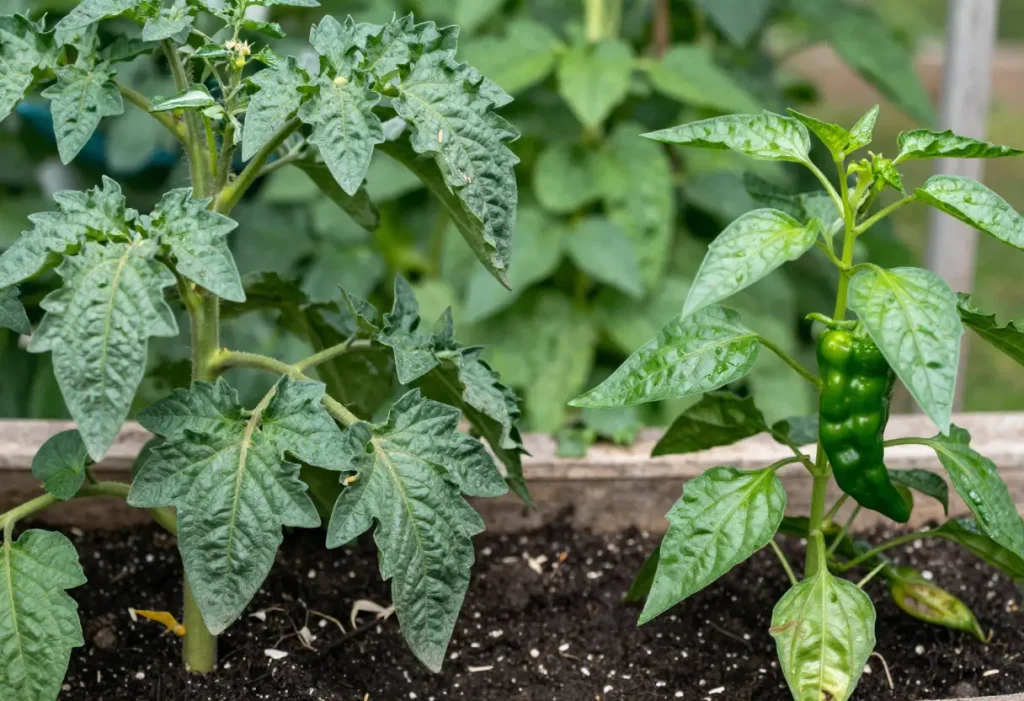
Growing tomatoes and peppers together can save space and boost garden yield. Success depends on good care and attention. Follow these expert tips to keep both plants healthy and productive. Simple steps make a big difference.
Trim tomato plants regularly to improve air flow. Remove lower leaves that touch the soil. Pinch off suckers to focus energy on fruits. For peppers, cut dead or yellow leaves. Support tall tomato plants with stakes or cages. Keep the area clean to reduce pests and diseases.
Use balanced fertilizer for both plants. Tomatoes prefer fertilizer higher in phosphorus. Peppers need steady nitrogen but not too much. Apply fertilizer every 3-4 weeks during growing season. Avoid over-fertilizing to prevent weak plants. Water plants well after fertilizing to help nutrient absorption.
Check plants daily for pests like aphids and whiteflies. Use insecticidal soap or neem oil to control them. Remove any diseased leaves immediately. Rotate planting locations each year to reduce soil diseases. Keep plants spaced to improve air flow. Healthy plants resist pests and diseases better.
Choosing the right companion plants can improve the health and growth of tomatoes and peppers. Some plants help by attracting beneficial insects or repelling pests. Others provide nutrients or shade. Understanding alternative companion plants can boost your garden's success.
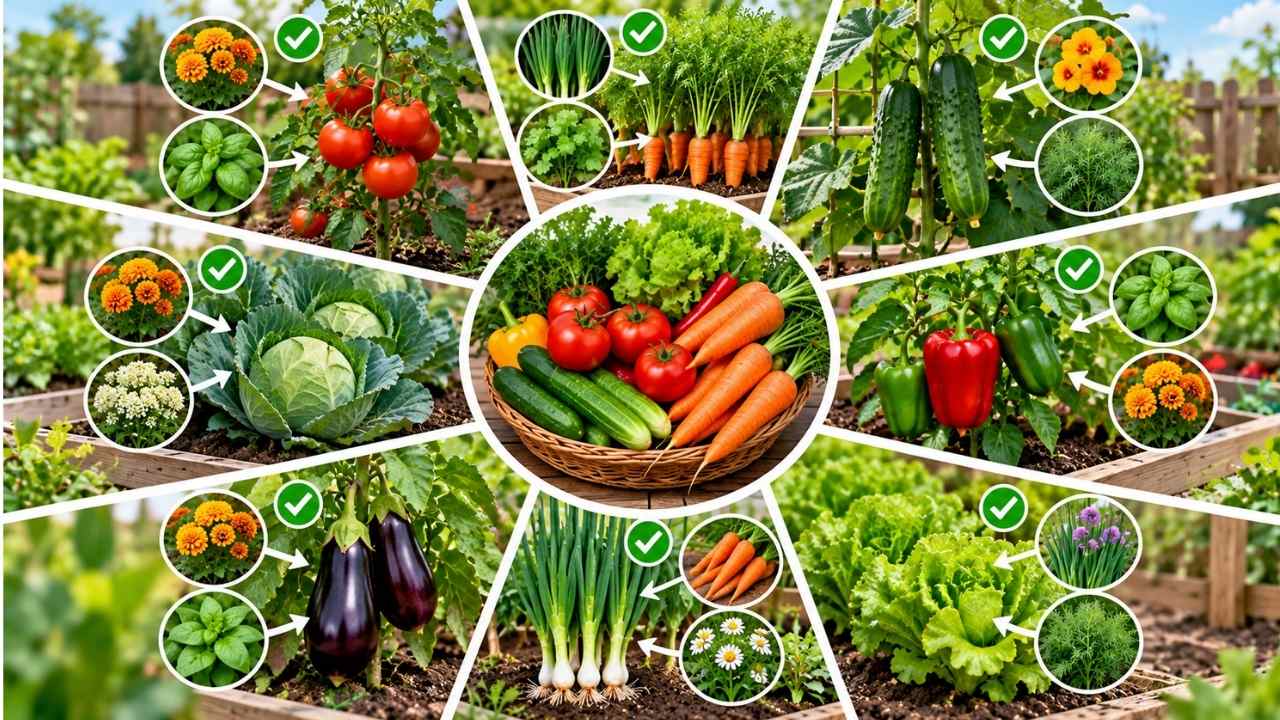
Basil grows well near tomatoes. It helps improve flavor and repels insects. Marigolds also protect tomatoes by deterring harmful nematodes. Carrots and onions can be planted nearby to save space and keep the soil healthy. These plants support tomatoes without competing for nutrients.
Peppers thrive when planted with herbs like oregano and thyme. These herbs repel pests and attract pollinators. Spinach and lettuce grow well in the shade of pepper plants. Beans add nitrogen to the soil, which helps peppers grow strong. These companions create a balanced garden environment.
Avoid planting fennel near tomatoes or peppers. It can stunt their growth. Potatoes and peppers should not be near each other to prevent shared diseases. Corn attracts pests that damage peppers. Careful planning helps prevent problems and keeps plants healthy.
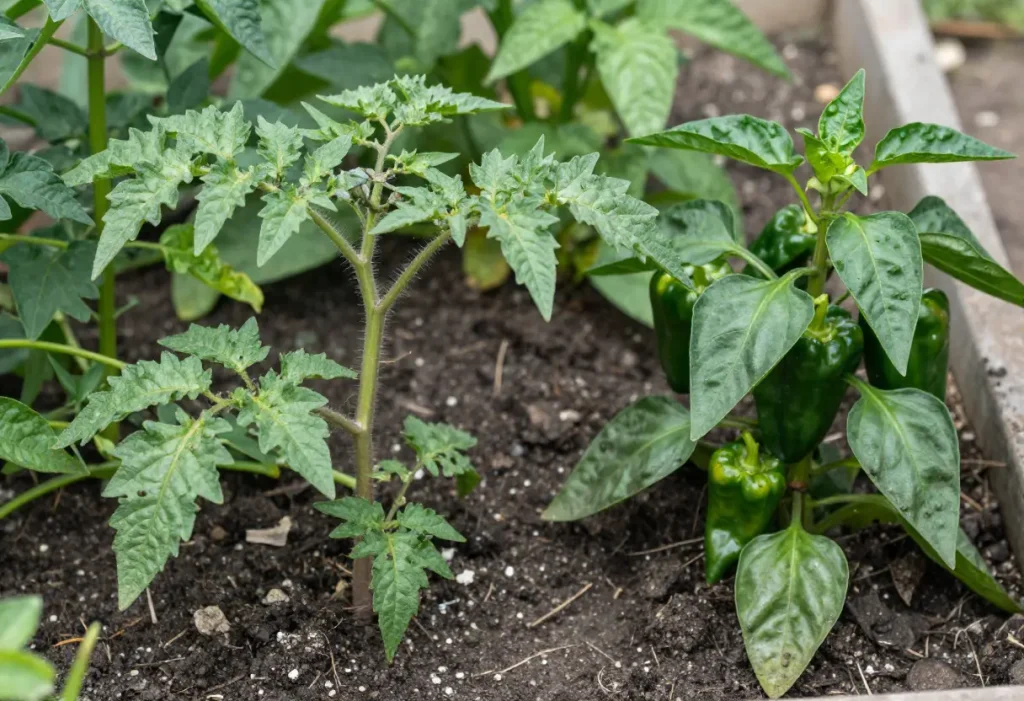
Tomatoes and peppers share similar soil and sunlight needs, so they grow well together in one bed.
Both plants need nutrients, but they usually don’t compete much if the soil is healthy and fertile.
They can attract some of the same pests, so watch for bugs and use natural pest control.
Plant them about 18 to 24 inches apart to allow good air flow and healthy growth.
No, planting tomatoes near peppers does not change the taste of either fruit.
Tomatoes and peppers grow well side by side in many gardens. They share similar needs like sunlight and water. Planting them together saves space and makes care easier. Watch for pests and diseases that may affect both plants. Keep soil healthy and water consistently for best results.
Growing these plants together can bring a good harvest. Try it in your garden and see what happens. It’s a simple way to enjoy fresh vegetables at home.