Gardening Made Simple.

Are you ready to grow your own fresh, crunchy carrots right in your garden? Choosing the right carrot seeds for planting is the first step to a successful harvest.
Whether you’re a beginner or have some gardening experience, the secrets to healthy, tasty carrots start with quality seeds. You’ll discover everything you need to know to pick the best carrot seeds, plant them with confidence, and enjoy a vibrant crop that will make your meals healthier and more delicious.
Keep reading, and let’s get your garden growing!
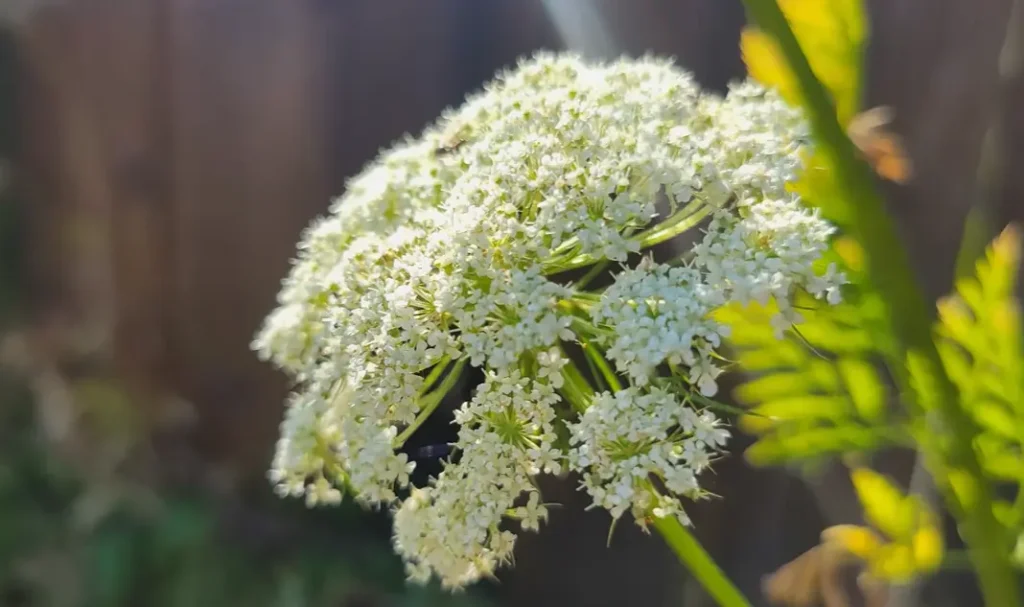
Choosing the right carrot seeds is key to a healthy garden. Different seeds suit different soils and climates. Picking the best type helps you grow sweet, crunchy carrots. Understanding seed types and quality saves time and effort.
Carrot varieties vary in color, size, and taste. Common types include Nantes, Danvers, and Imperator. Nantes carrots are sweet and tender, good for fresh eating. Danvers are strong and grow well in tough soil. Imperator carrots are long and ideal for juicing. Choose a variety that fits your garden space and taste.
Heirloom seeds come from old, traditional plants. They keep their traits year after year. Heirlooms often have rich flavors and unique shapes. Hybrid seeds are bred for better yield and disease resistance. They grow uniform carrots but may not save true seeds. Decide if you want traditional taste or high production.
Fresh seeds have higher chances of sprouting well. Old seeds may grow weak plants or not grow at all. Buy seeds from trusted sellers to ensure quality. Store seeds in a cool, dry place to keep them fresh. Check seed packets for the harvest year and expiration date.
Preparing your garden bed is the first step to growing healthy carrots. A well-prepared bed gives carrot seeds the best chance to sprout and grow strong. The soil needs to be loose, rich, and free of stones. Carrots grow deep roots, so the soil must be soft and easy to work.
Carrots grow best in soil that is loose and sandy. Heavy clay soils make it hard for roots to grow straight. Remove all rocks and sticks from the soil. These obstacles can cause carrots to grow misshapen. Add organic matter like compost to improve soil texture and nutrients.
Good drainage stops water from sitting around the roots. Waterlogged soil can cause roots to rot. To improve drainage, mix sand or fine gravel into the soil. Raised beds also help water drain away quickly. Avoid planting carrots in low areas where water collects.
Carrots prefer soil with a pH between 6.0 and 6.8. This range helps them absorb nutrients well. Test your soil with a simple kit to check pH. If the soil is too acidic, add lime to raise the pH. If it is too alkaline, add sulfur or organic matter to lower it.
Planting carrot seeds requires care and attention to detail for a good harvest. Carrots grow best in loose, well-drained soil. Proper planting helps seeds sprout evenly and produce healthy roots. Follow simple steps to plant seeds with the right timing, spacing, and technique.
Sow carrot seeds in early spring or late summer. The soil should be cool, between 45°F and 85°F. Avoid planting in very hot weather. Carrots need cooler soil to germinate well. Planting too late may cause roots to grow poorly.
Plant seeds about ¼ inch deep in the soil. Space seeds 1 to 2 inches apart in rows 12 to 18 inches wide. Too close seeds cause crowded roots. Thin seedlings after sprouting to avoid competition. Proper spacing gives each carrot enough room to grow.
Keep soil moist but not soggy during germination. Cover seeds lightly with soil to keep them warm. Use a fine spray to water seeds gently. Cover rows with a light fabric if needed to protect from birds. Thin seedlings early to prevent overcrowding and improve growth.
Caring for carrot seedlings is important for a healthy crop. These young plants need special attention to grow strong and produce sweet carrots. Proper care helps seedlings survive and thrive in your garden.
Small steps early on make a big difference. Water, space, and protection all play key roles in the growth of carrot seedlings.
Keep the soil moist but not soggy. Water gently to avoid washing away seeds or damaging roots. Morning watering is best to reduce leaf diseases. Check soil daily, especially in hot weather. Dry soil can stress seedlings and slow growth.
Carrot seedlings grow close together at first. Thin them out when they reach two inches tall. Remove weaker plants to give space to the strongest ones. Space seedlings about two to three inches apart. Proper spacing helps roots grow straight and large.
Carrot seedlings attract pests like carrot flies and aphids. Use row covers to keep insects away. Check plants regularly for signs of damage. Remove pests by hand or use natural insect sprays. Healthy plants resist pests better and grow faster.
Healthy carrots need good soil and the right nutrients. Fertilizing helps soil stay rich and supports strong root growth. Proper soil nutrition boosts carrot size and taste. Knowing how to feed your carrot seeds improves your harvest.
Carrots need three main nutrients: nitrogen, phosphorus, and potassium. Nitrogen helps leaves grow, but too much makes carrots forked. Phosphorus supports root development and strong plants. Potassium improves disease resistance and flavor. Carrots also need small amounts of calcium and magnesium.
Organic fertilizers come from natural materials like compost and manure. They improve soil health slowly and release nutrients over time. Synthetic fertilizers provide nutrients quickly and in exact amounts. They can cause nutrient burn if used too much. Organic options improve long-term soil structure better than synthetic ones.
Fertilize carrots before planting by mixing fertilizer into the soil. Use a balanced fertilizer with equal parts nitrogen, phosphorus, and potassium. After carrots sprout, side-dress with fertilizer once or twice during growth. Water the soil after fertilizing to help nutrients absorb. Avoid over-fertilizing to prevent poor root shape.
Growing carrots from seeds can be very rewarding. Still, pests and diseases may harm your plants. Managing these problems early helps keep your carrot crop healthy. Knowing common pests and how to stop diseases makes a big difference.
Carrot flies cause serious damage. They lay eggs near carrot roots. Larvae tunnel through roots, leaving holes. Aphids suck plant juices, weakening carrots. Wireworms eat young roots, causing stunted growth. Watch for these pests to protect your plants.
Healthy soil helps stop many diseases. Rotate crops yearly to avoid soil buildup of germs. Avoid overwatering; wet soil invites root rot. Remove dead leaves and debris from your garden. Clean tools reduce spreading disease between plants.
Use companion plants like onions or garlic to repel pests. Introduce ladybugs; they eat aphids and other insects. Sprinkle neem oil or insecticidal soap for soft-bodied pests. Cover carrots with fine mesh to block carrot flies. These methods keep carrots safe without chemicals.
Harvesting and storing carrots correctly helps keep them fresh and tasty. Knowing the right signs of maturity and using proper harvest methods protect the crop. Good storage keeps carrots crisp and ready to eat for weeks.
Carrots are ready to harvest when their tops reach about 1/2 to 3/4 inch in diameter. The color of the carrot top is bright and strong. The leaves look healthy but start to yellow slightly. Pull one carrot gently to check size and firmness. The carrot should feel firm and solid without cracks.
Loosen the soil around carrots before pulling them out. Use a garden fork to lift soil gently if ground is hard. Hold the carrot tops firmly and pull straight up. Avoid twisting or bending carrots to prevent damage. Remove excess soil by brushing it off carefully.
Store carrots in a cool, dark, and humid place. A refrigerator vegetable drawer works well. Keep carrots in a plastic bag or container with holes for air. Avoid storing carrots near apples or pears, as these fruits release gases that spoil carrots faster. Wash carrots only before use, not before storing.
Growing carrots from seeds is rewarding but comes with challenges. Many gardeners face common problems that affect carrot growth. Understanding these issues helps you fix them fast. This section covers common carrot seed problems and simple solutions to keep your crop healthy.
Carrot roots can grow twisted or forked. Crowded seeds cause roots to tangle. Hard or rocky soil blocks straight growth. Pests like nematodes also damage roots. Use loose, deep soil for smooth carrots. Thin seedlings early to avoid crowding. Check soil for pests and treat if needed.
Carrot seeds may not sprout well. Cold soil slows germination. Plant seeds when soil is warm above 50°F (10°C). Dry soil stops seeds from growing. Keep soil moist but not wet. Old seeds lose power to sprout. Use fresh seeds and plant shallowly for best results.
Yellow or droopy leaves signal problems. Too much water can drown roots. Lack of nutrients makes leaves pale. Pests like aphids suck sap and weaken plants. Water carrots evenly and avoid waterlogging. Add balanced fertilizer to soil. Inspect plants regularly and remove pests by hand.
Plant carrot seeds in early spring or late summer for the best growth.
Sow carrot seeds about 1/4 inch deep for optimal germination and growth.
Carrot seeds usually sprout within 10 to 21 days under good conditions.
Yes, carrot seeds grow best when planted directly into well-prepared garden soil.
Keep the soil moist by watering carrot seeds lightly every day until sprouting.
Carrot seeds are simple to plant and care for. They grow best in loose, well-drained soil. Plant seeds at the right depth for strong roots. Water regularly but avoid overwatering. Thin seedlings to give space for growth. Watch for pests and keep the area clean.
Growing carrots from seeds brings fresh, tasty vegetables. Enjoy the reward of your hard work. Start planting today and see the results soon. Gardening with carrot seeds is both fun and satisfying.