Gardening Made Simple.
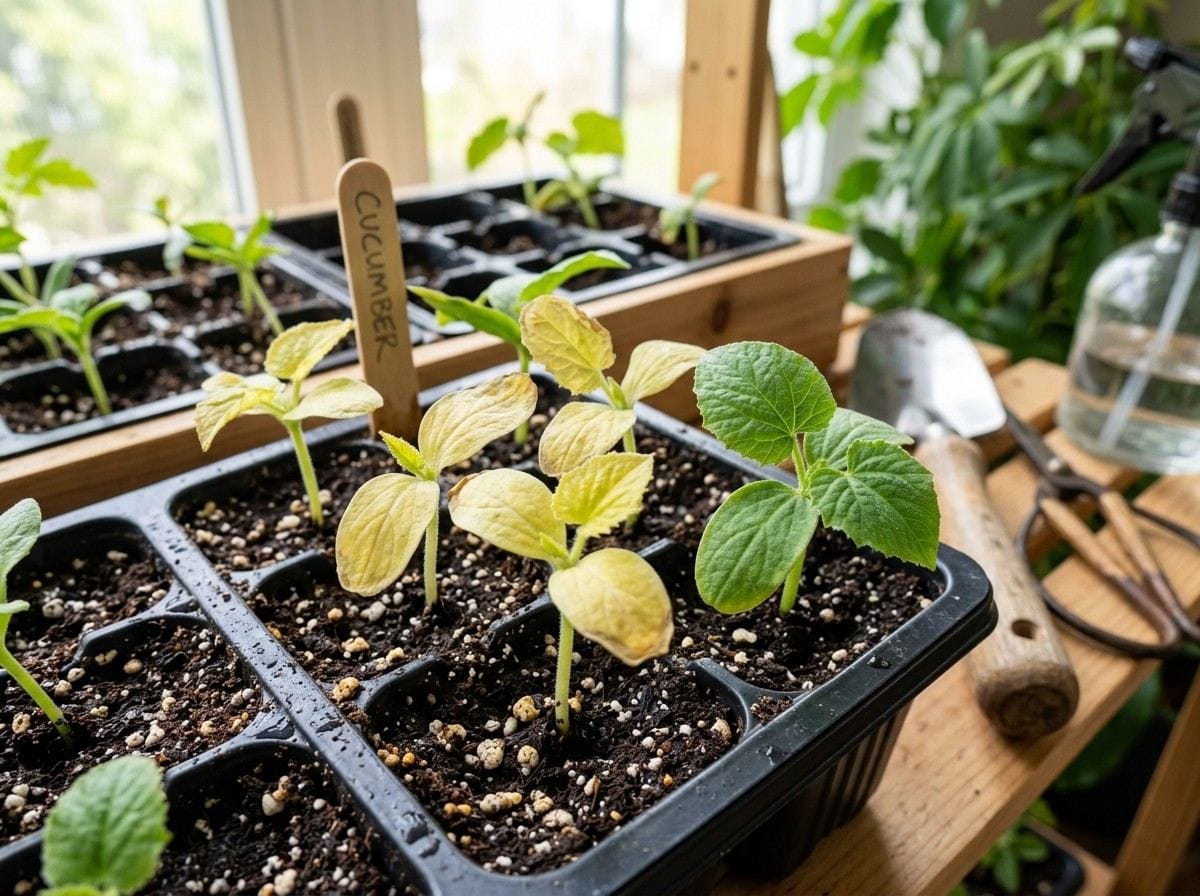
Are you noticing your cucumber seedlings’ leaves turning yellow and wondering what’s going wrong? It can be frustrating to see your young plants struggle when you’ve put in time and effort to grow them.
Yellow leaves are often a sign that something needs your attention—whether it’s watering, nutrients, pests, or disease. Understanding why this happens and how to fix it will help you save your seedlings and grow healthy cucumbers. Keep reading to discover simple, effective solutions that will bring your cucumber plants back to life.
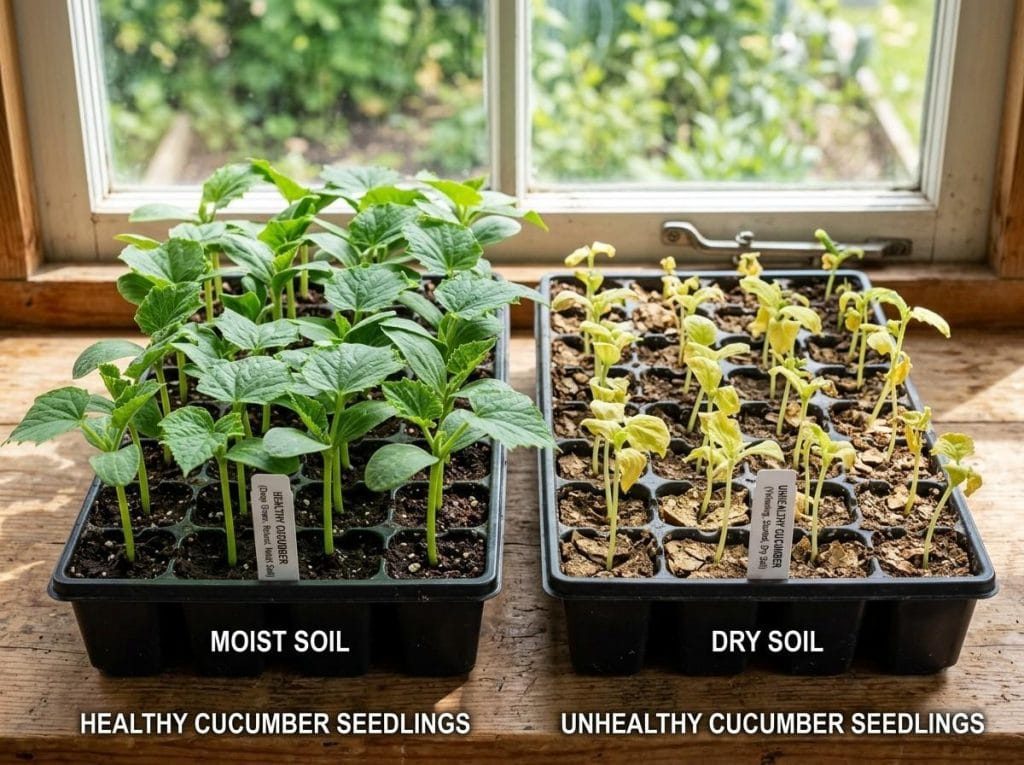
Yellowing leaves on cucumber seedlings signal a problem. Understanding the causes helps save the plant early. Different factors can cause the leaves to turn yellow. Knowing these will guide proper care and treatment.
Plants need nutrients to grow healthy leaves. Lack of nitrogen often causes yellow leaves. Iron deficiency can also make leaves pale and yellow. Poor soil quality limits nutrient availability. Using balanced fertilizer helps prevent these issues.
Too much water reduces oxygen in the soil. Roots start to rot and cannot absorb nutrients. This leads to yellow, wilting leaves. Overwatered soil feels soggy and heavy. Let soil dry between watering sessions.
Pests like aphids and spider mites feed on cucumber leaves. They suck sap, causing yellow spots and damage. Check undersides of leaves for tiny insects. Treat plants with natural insecticides or water spray.
Sudden temperature changes stress cucumber seedlings. Too much sun or cold slows growth. Wind can dry out leaves and soil. Stress causes leaves to yellow and drop. Provide shade and shelter to protect plants.
Yellowing leaves on cucumber seedlings often signal nutrient problems. Identifying these problems early helps save your plants. Nutrient deficiencies affect leaf color and plant growth. Knowing which nutrient is missing guides proper treatment. Below are common nutrient issues to watch for.
Nitrogen is vital for leaf growth and green color. Yellow leaves starting from the bottom show nitrogen lack. Older leaves turn pale yellow while new leaves stay green. Plants may grow slowly and look weak. This deficiency lowers overall plant health and yield.
Magnesium helps leaves stay green by supporting chlorophyll. Yellow spots or patches appear between leaf veins if magnesium is low. Iron deficiency causes young leaves to turn yellow first. Leaf veins stay green, creating a striped look. Both minerals are crucial for healthy leaves and photosynthesis.
Test soil to find which nutrients are low. Use balanced fertilizers or specific supplements for missing elements. Apply nitrogen fertilizer for pale, yellowing older leaves. Add magnesium sulfate or iron chelate for their deficiencies. Maintain proper watering to help nutrient absorption. Healthy soil supports strong cucumber seedlings.
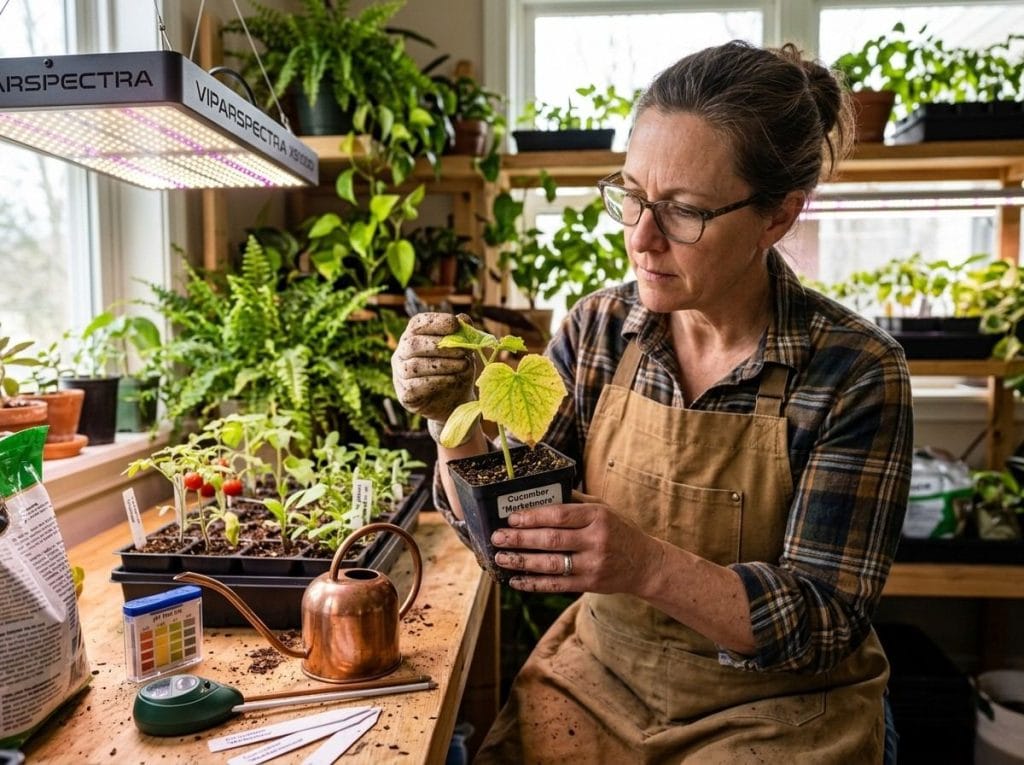
Water plays a key role in keeping cucumber seedlings healthy. Managing water well helps stop leaves from turning yellow. Too much or too little water can harm young plants. Follow these tips to keep your seedlings growing strong.
Water cucumber seedlings regularly but not too much. Seedlings need moist soil, not soaked or dry. Water once or twice a day in hot weather. In cooler weather, water less often. Check soil with your finger. If it feels dry, it’s time to water. Avoid letting soil dry out completely.
Too much water causes waterlogged soil. Roots may not get air and start to rot. Yellow leaves often signal overwatering. Stop watering if soil stays wet for days. Use a watering can with small holes. This helps control water flow and prevents flooding. Always let excess water drain out.
Good drainage keeps soil from holding too much water. Use pots with holes at the bottom for seedlings in containers. Mix sand or perlite into garden soil to improve drainage. Raised beds help water drain away faster. These steps prevent root damage and yellow leaves. Well-drained soil means healthier cucumber seedlings.
Dealing with pests is key to keeping cucumber seedlings healthy. Pests can cause yellow leaves and slow plant growth. Early action protects your plants and helps them thrive.
Aphids often attack cucumber seedlings. These small insects suck plant juices, causing leaves to yellow and curl. Spider mites are tiny and hard to see. They cause speckled yellow spots on leaves. Whiteflies also harm seedlings by feeding on the undersides of leaves. All these pests reduce plant vigor and stunt growth.
Introduce ladybugs to your garden. They eat aphids and other harmful insects. Spray plants with a mix of water and mild soap. This removes pests without chemicals. Use neem oil as a natural pesticide. It disrupts pest growth and reproduction. Keep your garden clean by removing fallen leaves and weeds. This limits places where pests can hide.
Choose pesticides labeled safe for young plants. Follow instructions carefully to avoid damage. Apply pesticides during cooler parts of the day. Avoid spraying when bees and beneficial insects are active. Always wear gloves and protective clothing. This protects your skin from chemicals. Using safe pesticides helps control pests without harming your seedlings.
Minimizing environmental stress is key to healthy cucumber seedlings. Stress from weather and surroundings causes leaves to turn yellow. Careful control of the environment helps seedlings grow strong. It also prevents damage that slows growth.
Cucumber seedlings need steady temperatures between 70°F and 85°F. Sudden temperature changes can shock the plants. Keep humidity around 60-70% to avoid dry air. Too much humidity invites mold and disease. Use a thermometer and humidifier to keep levels stable. Warm, moist air helps seedlings stay healthy and green.
Young cucumber leaves burn easily under strong sun. Direct sunlight causes yellow spots and wilting. Provide shade during the hottest hours of the day. Use shade cloth or place seedlings near taller plants. Soft, filtered light supports good growth. Avoid full sun until plants are stronger.
Strong winds stress cucumber seedlings. Leaves and stems can break or dry out. Plant seedlings in a sheltered spot or use windbreaks. Barriers like fences or hedges reduce wind speed. Gentle airflow helps plants breathe without harm. Protecting seedlings from wind keeps leaves green and firm.
Yellow leaves on cucumber seedlings signal a problem. Fixing this issue early helps your plants grow strong and healthy. Follow these simple steps to bring your seedlings back to life.
Start by checking the leaves closely. Look for spots, holes, or wilting. Check the stem for softness or discoloration. Healthy roots are white and firm. Brown or mushy roots mean root rot. Note any pests on the leaves or soil. This helps identify the cause of yellowing.
Water seedlings only when soil feels dry. Overwatering causes root problems and yellow leaves. Use well-draining soil to prevent water buildup. Place seedlings where they get at least six hours of sunlight. Avoid harsh direct sun that burns leaves. Feed plants with a gentle fertilizer every two weeks. Choose one balanced for young vegetables.
Watch seedlings daily after changes. Note any new yellow leaves or spots. Healthy seedlings grow new green leaves quickly. Remove dead or yellow leaves to save energy. Keep pests away by cleaning leaves and soil. Adjust care if yellowing continues. Patience is key; plants need time to recover.
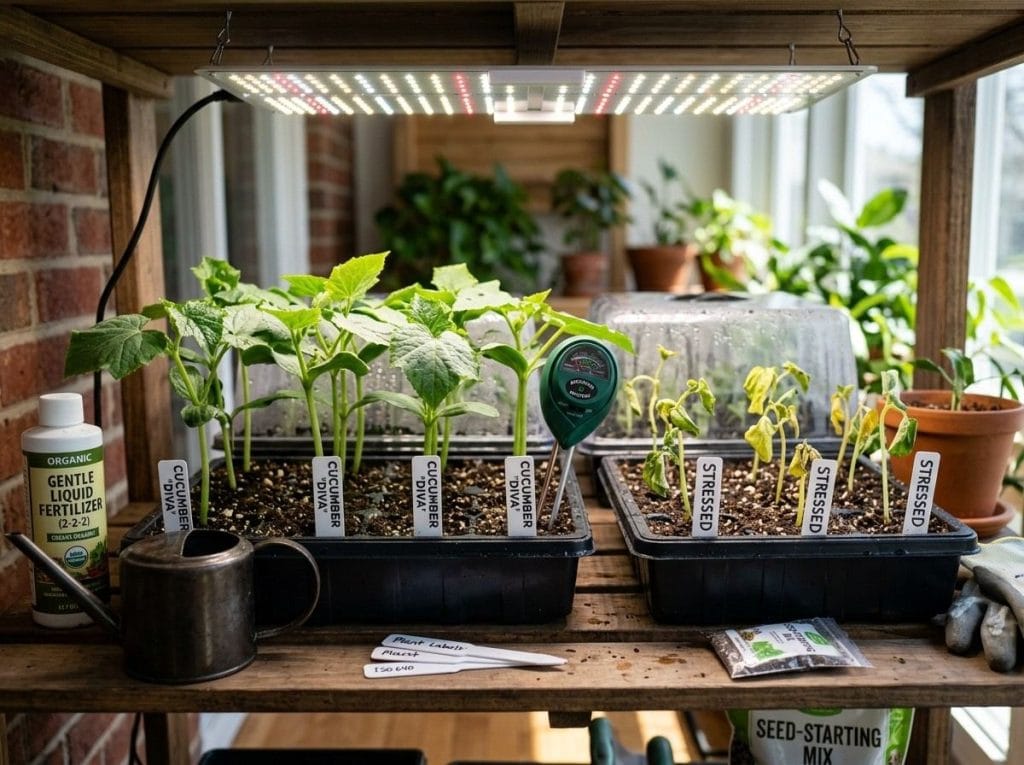
Yellow leaves on cucumber seedlings often signal overwatering or poor drainage. Lack of nutrients or too much sun can also cause yellowing.
Water seedlings only when soil is dry and ensure good drainage. Use balanced fertilizer and provide partial shade if sun is too strong.
Yes, yellow leaves reduce photosynthesis, slowing seedling growth and weakening plants. Healthy green leaves are essential for strong cucumber plants.
Certain pests like aphids and spider mites suck sap, leading to yellow leaves. Regularly check plants and treat infestations early.
If yellowing spreads quickly or leaves wilt and fall off, it's a sign of serious stress. Act fast to adjust care or treat diseases.
Yellow leaves on cucumber seedlings need quick care. Check water levels and soil quality first. Too much or too little water can cause yellowing. Look for pests or diseases on the leaves. Use natural remedies to protect young plants. Healthy leaves mean strong cucumbers later.
Keep watching your seedlings every day. Small steps now prevent big problems later. Growing cucumbers takes patience and care. Your efforts will soon show in green, healthy plants.