Gardening Made Simple.

Are you ready to discover the amazing variety of eggplant plants you can grow in your garden? Whether you’re a seasoned gardener or just starting out, knowing the different types of eggplant Plants can help you choose the perfect ones for your taste and space.
From classic purple globes to striking white and even striped varieties, each type offers unique flavors and cooking possibilities. Keep reading, and you’ll find out which eggplant plants suit your garden and kitchen best—making your next meal truly unforgettable.
Eggplants come in many shapes, colors, and sizes. Each variety offers unique flavors and uses. Gardeners and cooks enjoy exploring different eggplant types to find the best fit for their needs. Understanding these varieties helps in choosing the right plant for your garden or kitchen.
The most common eggplant is the large, dark purple variety. It has a shiny skin and mild taste. This type works well in many dishes. Another popular kind is the Italian eggplant. It is slightly smaller and has a tender texture. These types are easy to grow and widely available.
Exotic eggplants come in unusual colors and shapes. Some are white, green, or striped. These varieties add color to meals and gardens. They often have unique flavors, from sweet to slightly bitter. Exotic types include the Thai eggplant and the Indian round eggplant. They bring variety to traditional recipes.
Heirloom eggplants are old varieties passed down through generations. They often have rich, deep flavors. These plants may have unusual shapes and colors. Heirloom types connect us to history and tradition. They can be more delicate but offer great taste for special dishes.
Eggplants come in many shapes and sizes. These differences affect how you cook and use them. Knowing the shapes helps you pick the right type for your dish. Some eggplants are round, others long and slim, and some are small or miniature.
Round eggplants are easy to spot. They look like small balls or large spheres. Their size varies from small to medium. These eggplants have firm flesh and fewer seeds. They cook evenly and hold their shape well. Perfect for stuffing or baking recipes.
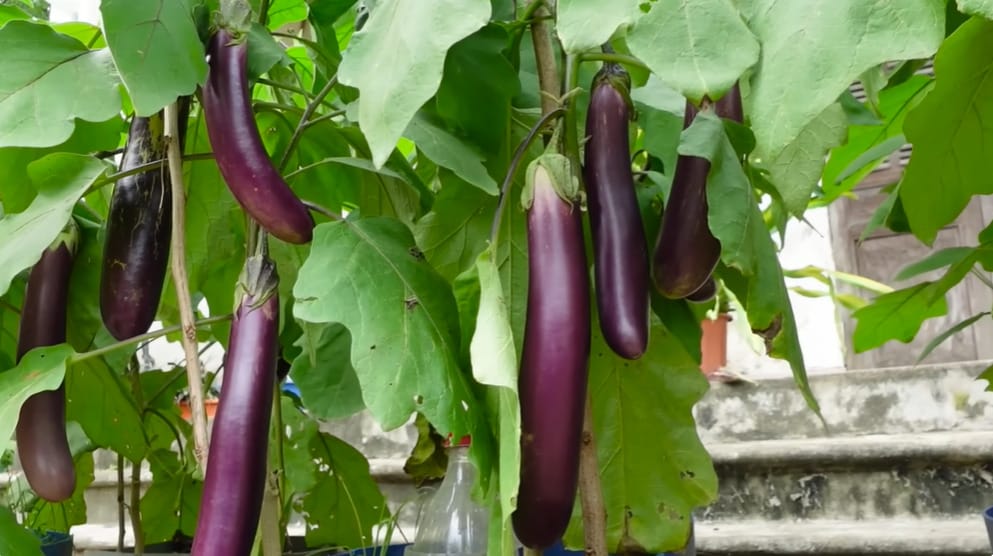
Long and slim eggplants are popular in many cuisines. They have a smooth, shiny skin and stretch like a cucumber. Their flesh is tender and cooks quickly. These types work great for grilling or stir-frying. They add a nice texture to dishes.
Small and miniature eggplants are cute and unique. They often come in round or oval shapes. These eggplants have thin skin and soft flesh. Their size makes them ideal for pickling or roasting whole. They also add color and charm to salads.

Eggplants come in many colors. These colors make each plant unique. Color variations also affect cooking and gardening choices. Knowing these colors helps you pick the right eggplant for your needs.
The classic purple eggplant is the most common type. It has a deep, rich purple skin that shines when fresh. This eggplant is versatile in many recipes. It grows well in most gardens and climates. Its smooth texture and mild flavor please many cooks.
White eggplants look very different from purple ones. Their skin is smooth and pure white. Some varieties are small and round, others are larger. White eggplants have a gentle, slightly sweet taste. They cook well in dishes where color matters.
Striped and multi-colored eggplants show fascinating patterns. These can be purple and white, green and purple, or other mixes. Their shape varies from round to long and thin. These eggplants add color to the garden and the plate. Their flavors range from mild to slightly bitter.
Different types of eggplants need different care to grow well. Knowing their needs helps you get healthy plants and good fruits. Each variety prefers specific soil, water, and temperature conditions. These details guide you to create the best environment for each type.
Eggplants grow best in rich, well-drained soil. The soil should be loose and full of organic matter. Most types need full sunlight, at least six hours a day. Some smaller varieties can tolerate light shade. Always check the soil pH; 5.5 to 7.0 is ideal for eggplants.
Eggplants need steady watering to stay healthy. The soil must be moist but not soaked. Deep watering once or twice a week works best. Avoid water on leaves to prevent diseases. Different types may need slight changes in watering based on their size.
Warm temperatures help eggplants grow strong. They prefer daytime temperatures between 70°F and 85°F. Nighttime temperatures should not fall below 55°F. Cooler types can handle slightly lower temperatures. Avoid planting too early to protect seedlings from cold.
Eggplant plants face many risks from diseases and pests. These problems can reduce growth and fruit quality. Choosing plants with strong resistance helps gardeners avoid these issues. Understanding common challenges and how to prevent them keeps plants healthy. Some varieties naturally resist pests and diseases. This makes them easier to grow and maintain. Learning about disease and pest resistance is key for a good harvest.
Eggplants often suffer from fungal infections. Verticillium wilt and Fusarium wilt cause leaves to yellow and drop. Insects like aphids and flea beetles damage leaves and stems. These pests spread viruses and weaken plants. Whiteflies and spider mites also attack eggplants. Lack of resistance leads to poor fruit development. Understanding these threats helps gardeners act fast.
Some eggplant varieties show natural resistance to diseases. Hybrid types often resist wilt and leaf spot diseases. Asian eggplants tend to have fewer pest problems. Varieties like 'Black Beauty' and 'Dusky' have strong disease resistance. Choosing these reduces the need for chemicals. Resistant plants grow stronger and yield more fruit. They are ideal for beginners and organic gardens.
Good garden hygiene stops many problems early. Removing old plant debris lowers disease risk. Crop rotation prevents soil-borne diseases from building up. Using insect netting protects plants from pests. Watering at the base keeps leaves dry and healthy. Applying organic insecticides controls harmful bugs. Regular checks catch issues before they spread. These steps support plant health and boost harvests.

Eggplants add beauty and flavor to any garden. They grow well in many garden setups. Choosing the right planting method helps eggplants thrive. It also makes harvesting easier. Here are some of the best ways to grow eggplants in your garden.
Eggplants grow well in containers. Use pots at least 12 inches wide. Containers warm up faster, helping plants grow. They also keep soil moist and healthy. Containers work well on patios or balconies. Move pots to catch sunlight or avoid harsh weather.
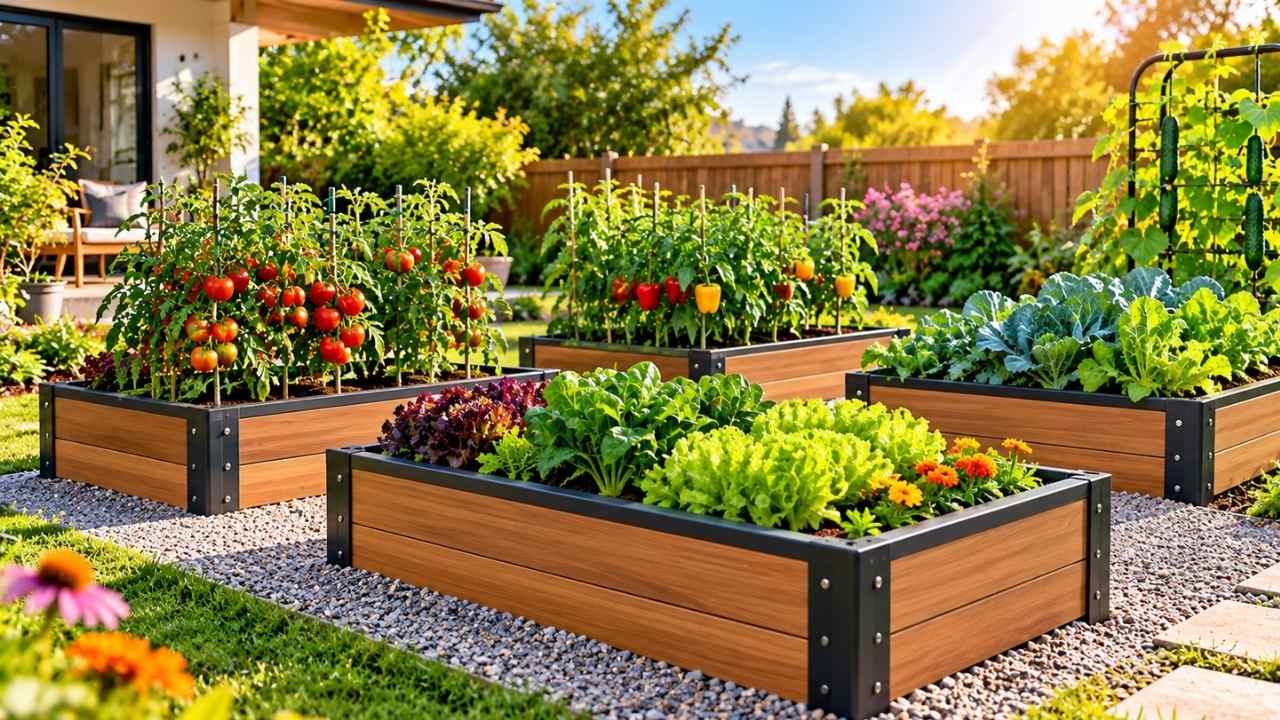
Raised beds give eggplants loose, well-drained soil. They warm up faster in spring than ground soil. This helps plants start early and grow strong. Raised beds also reduce weeds and pests. They make watering and harvesting easier. Add compost to keep soil rich and fertile.
Eggplants grow better near certain plants. Basil and beans improve growth and taste. Marigolds help keep pests away. Avoid planting eggplants near fennel or corn. Good companions share nutrients and protect each other. Companion planting creates a healthy garden ecosystem.
Harvesting and storing eggplants properly keeps them fresh and tasty. Knowing the right time to pick and how to handle them makes a big difference. Storing eggplants correctly helps keep their flavor and texture for longer.
Pick eggplants when their skin looks shiny and smooth. The color should be deep and rich, depending on the type. Avoid overripe eggplants; their skin turns dull and wrinkled. Test by pressing gently—firm but not hard is best. Small to medium size usually means better taste.
Use scissors or a sharp knife to cut the eggplant from the plant. Leave a short stem attached to avoid damage. Handle eggplants gently to prevent bruises. Do not squeeze or drop them. Avoid washing before storage; moisture can cause rot.
Store eggplants in a cool, dry place away from direct sunlight. The ideal temperature is around 50°F (10°C). Do not keep them in very cold refrigerators; they may get damaged. Use eggplants within a week for best taste. Wrap them in a paper towel and place in a perforated plastic bag for longer storage.
Eggplants come in many types, including globe, Italian, Japanese, and Thai varieties.
Taste varies from mild and sweet to slightly bitter, depending on the eggplant type.
Globe and Italian eggplants are great for grilling and baking due to their size.
Yes, baby and Asian eggplants grow well in small spaces or containers.
Color can indicate texture and flavor, with purple being common and white or green more mild.
Eggplant plants come in many shapes and colors. Each type offers unique flavors and uses. Growing different kinds can make your garden fun. Choose plants that fit your climate and space. Remember to care for them with water and sun.
Watching eggplants grow brings joy and fresh food. Try various types to find your favorite. Enjoy the process and tasty results!