Gardening Made Simple.
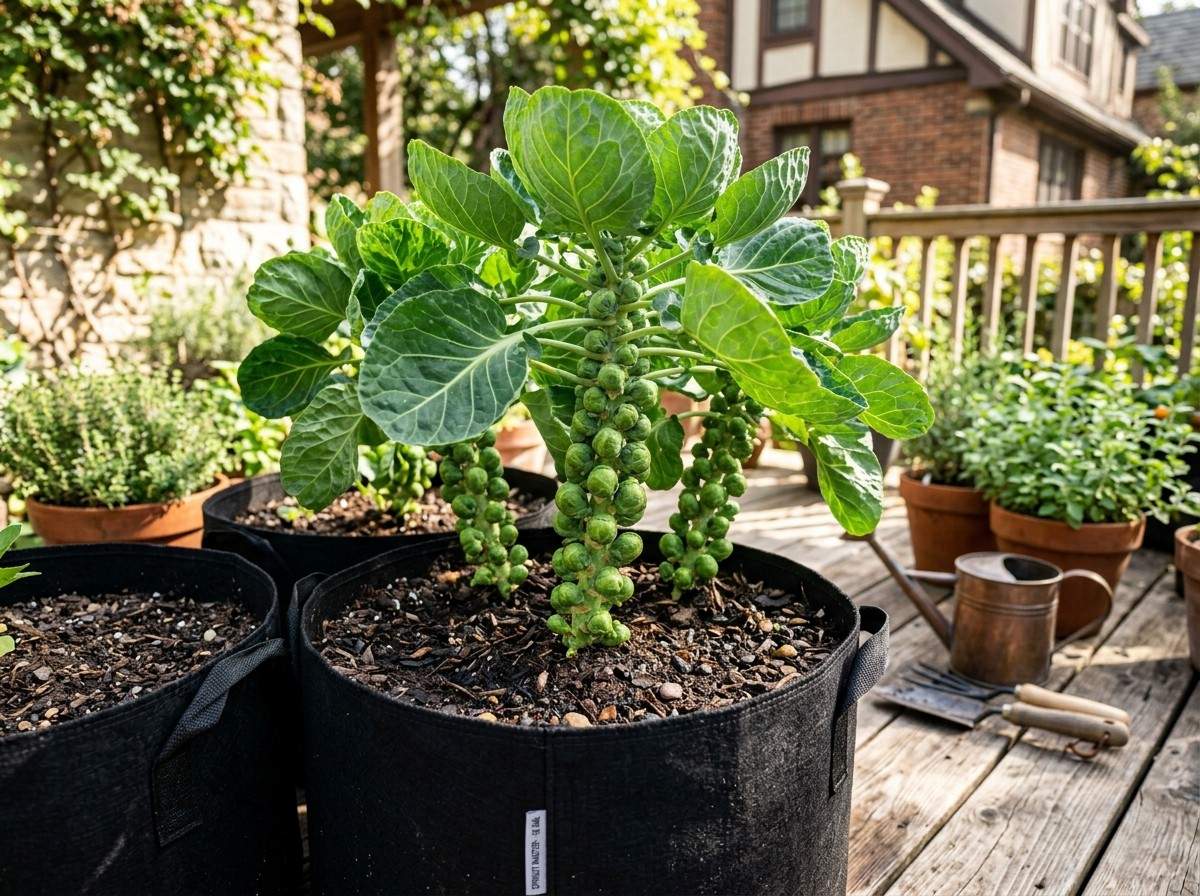
Growing Brussel Sprouts in Containers is a great option for gardeners who want fresh, homegrown vegetables without needing a large garden. If you're interested in growing Brussel sprouts in containers, you can enjoy a productive harvest even on a patio, balcony, or small outdoor space.
With the right container, quality soil, and proper care, Brussels sprouts can thrive and produce delicious, nutritious sprouts throughout the growing season. This guide covers everything you need to grow them successfully in containers.
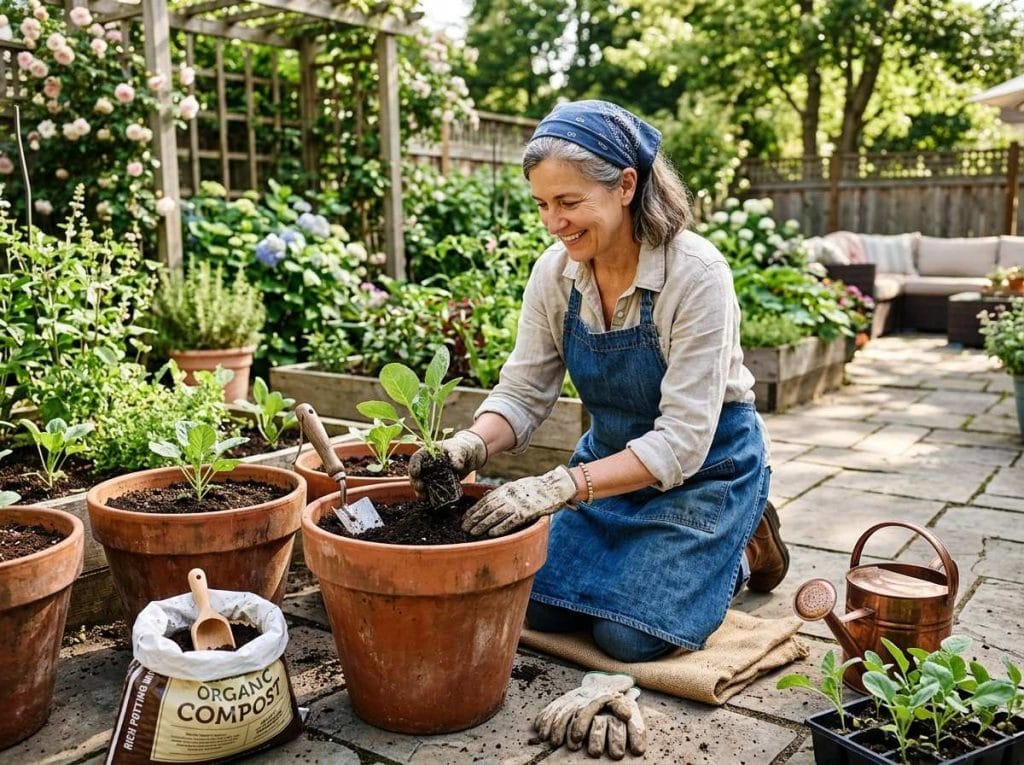
Imagine harvesting crisp, flavorful sprouts right from your patio or balcony—even if you don’t have a big garden. With the right tips and tricks, you can enjoy this nutritious vegetable all season long. Keep reading, and you’ll discover how simple it is to start your own container-grown Brussels sprouts and enjoy the delicious results.
Choosing the right container is key to growing healthy Brussels sprouts in small spaces. The container affects root growth, water drainage, and the plant’s overall health. Picking the right size, material, and drainage can make your container garden thrive.
Brussels sprouts need a large container with enough room for roots. Choose a container at least 12 inches deep. The width should be about 12-16 inches to support one plant. Bigger containers hold more soil and water, keeping plants happy longer. Avoid small pots that dry out quickly.
Containers come in plastic, clay, wood, and fabric. Plastic pots are light and hold moisture well. Clay pots look nice but dry out faster. Wood containers offer good insulation but can rot over time. Fabric pots improve airflow to roots and reduce root rot. Choose material based on your climate and watering habits.
Proper drainage prevents water buildup and root rot. Make sure your container has holes at the bottom. If not, drill some yourself. Add a layer of gravel or small stones at the bottom to help water flow. Check drainage regularly to keep plants healthy and roots strong.
Choosing the right soil is key to growing healthy Brussels sprouts in containers. Good soil helps roots grow strong and keeps the plants well-fed. It also allows water to drain well, preventing root problems.
Healthy soil creates the best start for your Brussels sprouts. Let's explore what makes soil perfect for container growing.
Use loose, well-draining soil for your Brussels sprouts. A mix of garden soil, compost, and peat moss works well. This mix holds moisture but lets extra water drain away. Avoid heavy clay soils that trap water and cause root rot.
Brussels sprouts need soil rich in nutrients. Compost or well-rotted manure adds organic matter and nutrients. Choose soil with balanced nitrogen, phosphorus, and potassium for strong plant growth. Feeding the soil helps leaves stay green and sprouts develop fully.
Keep soil pH between 6.0 and 7.5 for best results. This slightly acidic to neutral range helps plants absorb nutrients easily. Test your soil pH with a simple kit. Adjust pH by adding lime to raise it or sulfur to lower it.
Growing Brussels sprouts in containers needs careful planting techniques. Good planting helps plants grow strong and healthy. It also makes sure you get a good harvest. Understanding seed starting, spacing, and planting depth is key for success.
Starting Brussels sprouts from seeds lets you control the growing process. Seeds need warmth and moisture to sprout well. It takes about 4 to 6 weeks before seedlings are ready for containers.
Using transplants saves time. Transplants are young plants bought from nurseries. They are stronger and start growing faster. Transplants give a better chance of survival in containers.
Brussels sprouts need space to grow big and healthy. Plant each seed or transplant about 18 inches apart. This space allows air to flow and prevents disease. Crowded plants grow weak and produce less.
In small containers, limit the number of plants to avoid crowding. One plant per container is best for proper growth.
Plant seeds about ½ inch deep in soil. This depth protects seeds and helps them sprout easily. For transplants, plant at the same soil level as in the nursery pot.
Do not plant too deep or too shallow. Too deep may slow growth. Too shallow can dry out roots quickly.
Watering is key for healthy Brussels sprouts in containers. These plants need steady moisture but not too much. Good watering helps sprouts grow firm and tasty. Let’s explore how to water right.
Water Brussels sprouts regularly. Check the soil daily. Water when the top inch feels dry. Give enough water to soak the soil well. Avoid letting the soil dry out fully. Consistent moisture helps roots grow deep and strong.
Too much water can harm Brussels sprouts. Wet soil can cause root rot and disease. Use containers with drainage holes. Empty trays under pots if water collects. Watch for yellow leaves or wilting as signs of overwatering.
Mulch helps keep soil moist longer. Add a layer of straw or wood chips on top of soil. Mulch also stops weeds from growing. It keeps soil temperature steady. This helps Brussels sprouts grow better in containers.
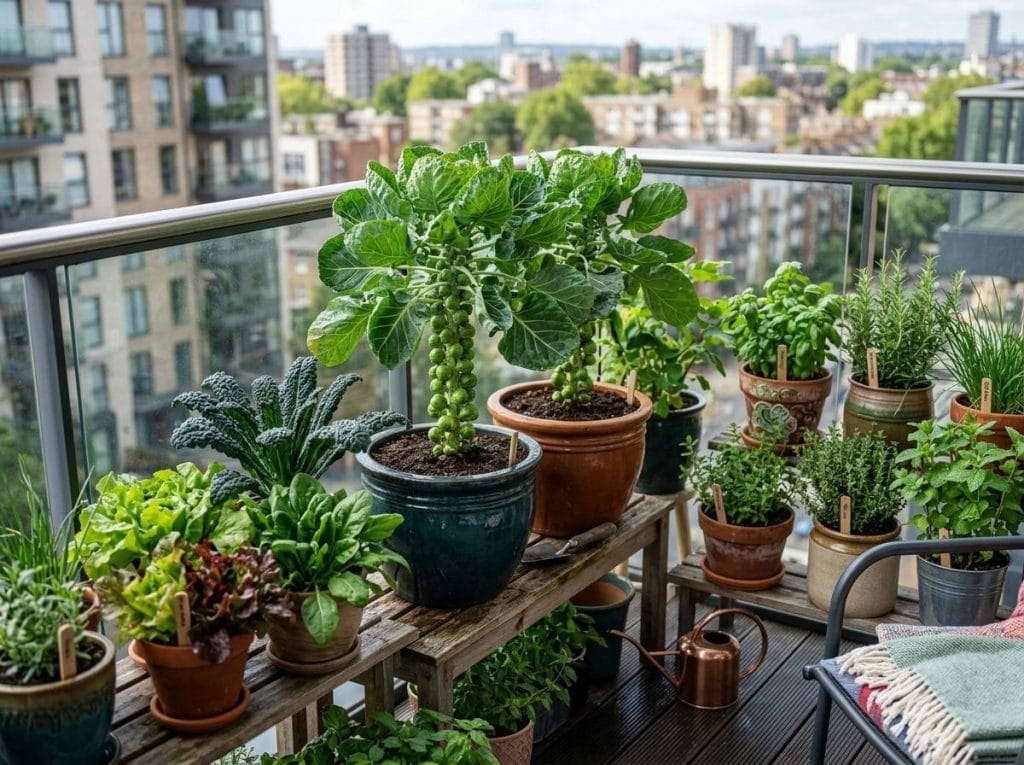
Growing Brussels sprouts in containers requires attention to light and temperature. These factors greatly affect plant health and sprout development. Proper care ensures strong growth and tasty results. Understanding their needs helps you create the best environment for your container garden.
Brussels sprouts need full sun to grow well. They thrive with at least six hours of direct sunlight daily. Too little light causes weak stems and poor sprout formation. Place containers in a bright spot, like a south-facing balcony or patio. Morning sun is especially good for steady growth.
Brussels sprouts prefer cool weather for the best taste. Ideal temperatures range between 45°F and 75°F (7°C to 24°C). They tolerate light frost and even improve in flavor after cold exposure. Hot weather can stress the plants and reduce sprout quality. Keep containers in shaded areas during heat waves.
Start planting Brussels sprouts in early spring or late summer. This timing avoids hot summer temperatures. In cooler climates, fall and winter growing is possible with protection. Use frost cloths or move containers indoors during freezing nights. Seasonal care helps ensure a healthy and fruitful harvest.
Fertilizing is key to growing healthy Brussel sprouts in containers. These plants need the right nutrients to grow strong and produce tasty sprouts. Without good fertilizer, the growth can slow down or the plants may look weak. Container soil can lose nutrients quickly, so regular feeding is important.
Choosing the right fertilizer and feeding at the right time helps your plants thrive. Let’s explore the types of fertilizers, how often to feed, and some organic options.
Brussel sprouts need fertilizer rich in nitrogen, phosphorus, and potassium. Balanced fertilizers labeled 10-10-10 or 14-14-14 work well. Nitrogen helps leaves grow, phosphorus supports roots, and potassium boosts overall health.
Slow-release fertilizers are great for containers. They provide nutrients over weeks. Liquid fertilizers give a quick nutrient boost but need more frequent use.
Start fertilizing two weeks after planting. Feed every two to three weeks during the growing season. Avoid overfeeding, which can harm the plants.
Watch the leaves. Pale or yellow leaves show a need for more nutrients. Stop feeding about a month before harvest for best flavor.
Organic fertilizers improve soil health while feeding plants. Compost, worm castings, and fish emulsion are good choices. They release nutrients slowly and keep the soil alive.
Use bone meal or blood meal for extra phosphorus or nitrogen. These options suit gardeners who prefer natural growing methods. Organic fertilizers also support beneficial microbes in container soil.
Pest and disease management is key for healthy Brussels sprouts in containers. Pests can damage leaves and stems, slowing growth. Diseases may cause spots and rot, reducing yield. Early care helps keep plants strong and productive.
Aphids often cluster on new leaves, sucking plant juices. Cabbage worms chew holes in leaves. Flea beetles create tiny pits that weaken plants. Watch for whiteflies, tiny insects that fly around plants. Spot pests early for quick control.
Use fresh potting soil to avoid disease spores. Water plants at the base to keep leaves dry. Avoid overcrowding containers for better air flow. Remove dead or yellow leaves to stop disease spread. Rotate crops each season to reduce soil problems.
Spray plants with soapy water to kill soft-bodied pests. Introduce ladybugs to eat aphids naturally. Use neem oil to control insects without chemicals. Handpick larger pests like cabbage worms from leaves. Keep plants clean and healthy to resist pests.
Harvesting Brussel sprouts from containers is a rewarding step. It shows your care and patience paying off. Knowing the right time and method helps keep the sprouts fresh and tasty. Proper handling after picking makes them last longer.
Brussel sprouts are ready when they reach about 1 to 2 inches in diameter. The sprouts should feel firm and tight. The best time to harvest is after the first frost. Frost improves their flavor and sweetness. Pick sprouts from the bottom of the stalk first. Then move upward as the sprouts mature.
Use a sharp knife or garden shears to cut sprouts. Cut close to the stem without damaging it. Avoid pulling sprouts by hand; this can harm the plant. Pick sprouts regularly to encourage new growth. Remove any yellow or loose leaves around the sprouts.
After picking, rinse sprouts gently with cool water. Dry them well to prevent mold. Store Brussel sprouts in the refrigerator in a plastic bag. They stay fresh up to two weeks this way. For longer storage, blanch and freeze them. Proper handling keeps the sprouts crisp and tasty.
Growing Brussels sprouts in containers can be rewarding. Problems may arise that affect plant health. Identifying and fixing issues early helps your sprouts thrive. Below are common problems and how to solve them.
Yellow leaves often mean a nutrient deficiency. Lack of nitrogen is the usual cause. Use a balanced fertilizer to feed your plants. Overwatering also causes yellowing. Ensure the container drains well to stop waterlogging.
Stunted plants may lack enough sunlight. Brussels sprouts need at least six hours of light daily. Crowded plants compete for nutrients and space. Thin seedlings to give each plant room. Check soil quality; poor soil limits growth.
Flower drop happens when plants are stressed. Sudden temperature changes can cause it. Keep containers in a stable, cool spot. Water stress also leads to flower loss. Water plants consistently but avoid soggy soil.
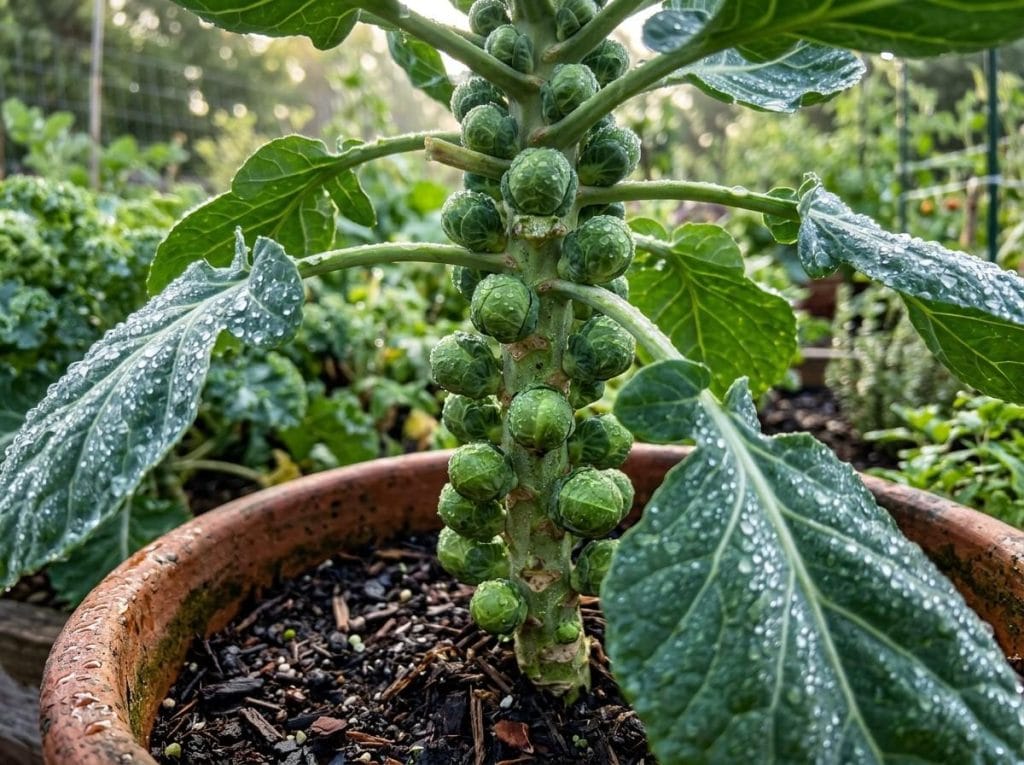
A container at least 12 inches deep and wide allows roots to grow well for Brussels sprouts.
Brussels sprouts need full sun, at least 6 hours daily, to grow healthy and strong.
Water Brussels sprouts regularly to keep the soil moist but not soggy for best growth.
Use well-draining, fertile soil rich in organic matter to support Brussels sprouts in containers.
Brussels sprouts typically take 80 to 100 days from planting to harvest in containers.
Growing Brussels sprouts in containers is a fun and rewarding project. You only need good soil, enough sunlight, and regular watering. Containers let you grow fresh vegetables even in small spaces. Watch your plants grow strong and produce tasty sprouts.
Enjoy the satisfaction of homegrown food right at your doorstep. Try it this season and see how easy it can be. Gardening can bring joy and healthy eating together. Give your green thumb a chance to shine!