Gardening Made Simple.
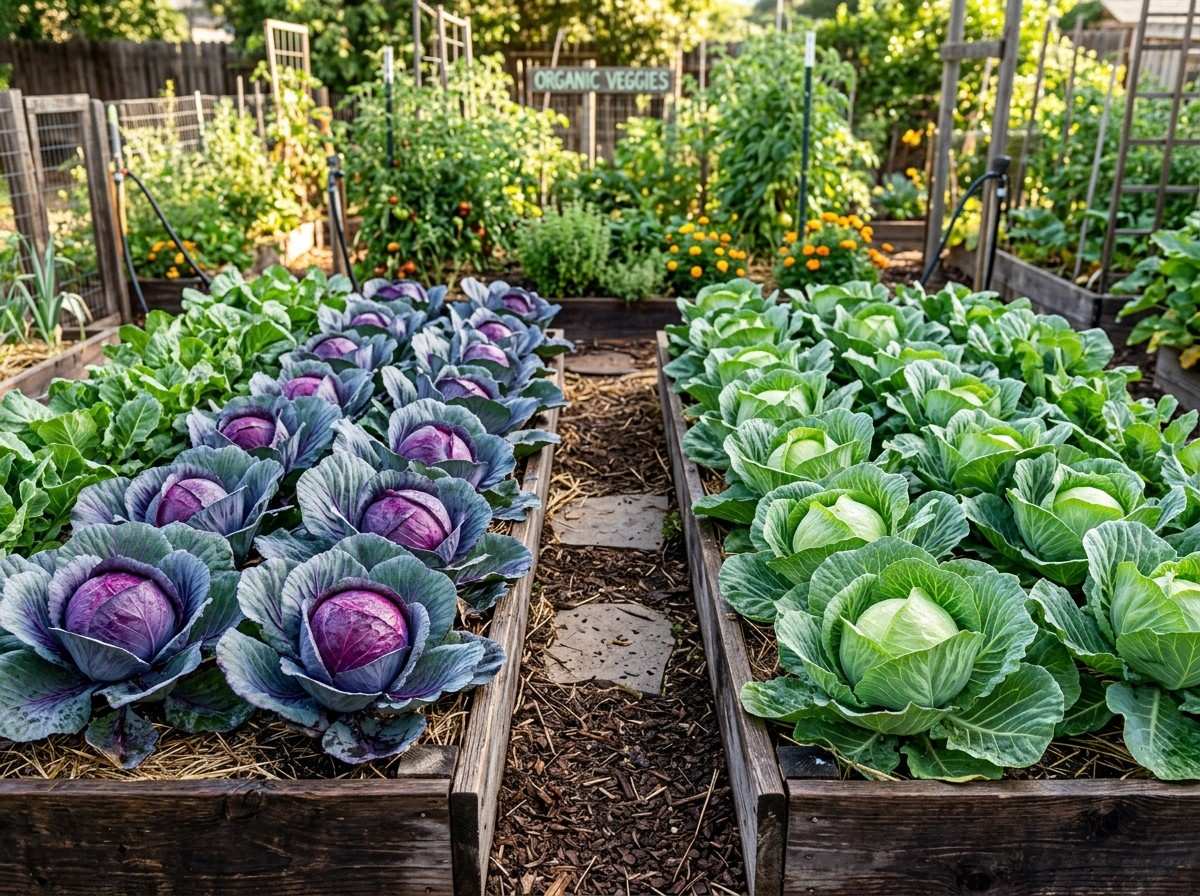
Red Cabbage vs Green Cabbage is a common comparison for gardeners, home cooks, and health-conscious shoppers. If you're wondering about red cabbage vs green cabbage, the differences go far beyond color. These two varieties vary in flavor, texture, nutritional value, cooking uses, and growing conditions.
This guide compares them side by side to help you choose the best cabbage for your recipes, garden, and dietary needs.
Each type offers unique flavors, health benefits, and uses that can change the way you cook and eat. By understanding these differences, you can make smarter choices for your meals and boost your nutrition. Keep reading to find out which cabbage suits your taste and lifestyle best!
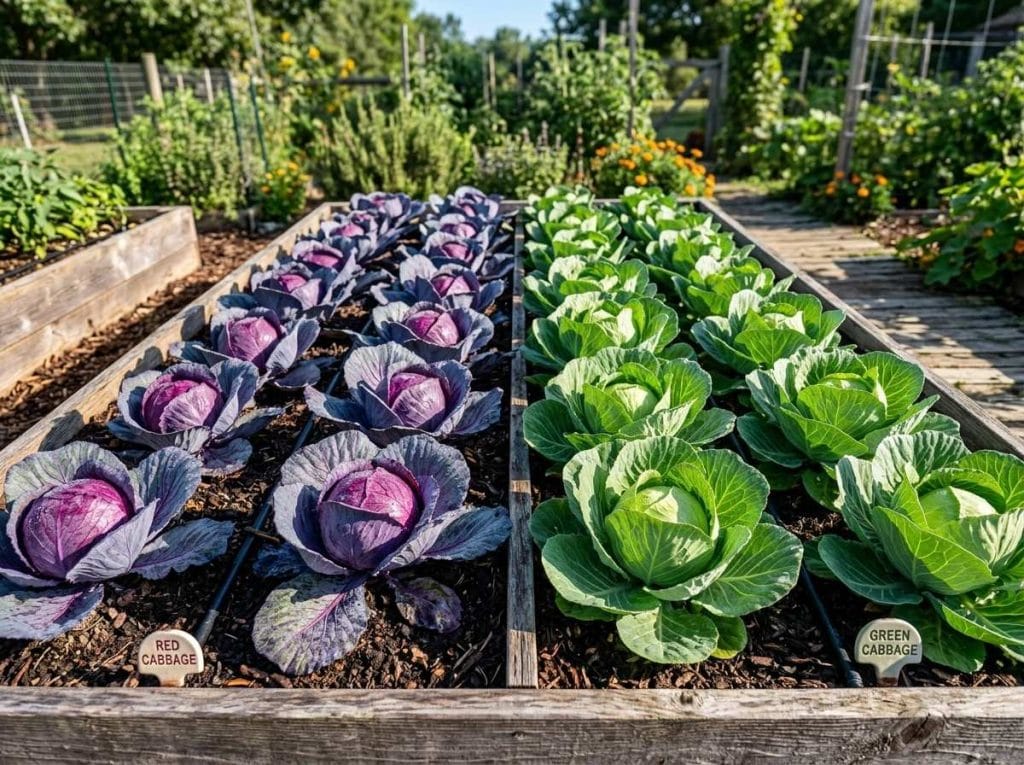
Cabbage is a popular vegetable with many health benefits. Red cabbage and green cabbage look different but share many nutrients. Comparing their nutritional values helps you choose the best one for your diet. Both types support good health but have unique strengths.
Red cabbage has more vitamin C than green cabbage. Vitamin C helps your body fight sickness and heal wounds. Green cabbage provides a good amount of vitamin K. Vitamin K is important for blood clotting and bone health. Both cabbages contain vitamin A, which supports eye health.
Green cabbage contains more calcium than red cabbage. Calcium strengthens bones and teeth. Red cabbage has slightly more potassium. Potassium helps control blood pressure and muscle function. Both types offer small amounts of iron, which carries oxygen in the blood.
Red cabbage has higher antioxidants than green cabbage. These antioxidants help protect cells from damage. Red cabbage’s deep color shows its rich antioxidant content. Green cabbage has fewer antioxidants but still supports health. Eating either cabbage can reduce inflammation and improve well-being.
Both cabbages are low in calories, making them diet-friendly. Red cabbage has about 28 calories per cup. Green cabbage has slightly fewer calories, around 22 per cup. Both types offer high fiber content. Fiber helps digestion and keeps you full longer.
Cabbage is a common vegetable with many health benefits. Both red and green cabbage offer important nutrients. These nutrients help the body in different ways. Understanding their health benefits helps you choose the right one for your diet.
Red cabbage contains more vitamin C than green cabbage. Vitamin C boosts the immune system. It helps the body fight infections and heal wounds. Eating cabbage regularly can keep your immune system strong.
Both types of cabbage are rich in fiber. Fiber improves digestion and prevents constipation. It also promotes healthy gut bacteria. Eating cabbage supports a healthy digestive system.
Red cabbage has anthocyanins, which reduce inflammation. Green cabbage also contains antioxidants that fight inflammation. Reducing inflammation lowers the risk of chronic diseases.
Cabbage helps lower bad cholesterol levels. The antioxidants protect heart cells from damage. Eating cabbage may reduce the risk of heart disease. Both red and green cabbage support heart health.
The taste profiles of red cabbage and green cabbage differ in interesting ways. Both types offer unique flavors that suit various dishes. Understanding these differences helps choose the right cabbage for your meal. Below, we explore the flavor notes and texture of each type.
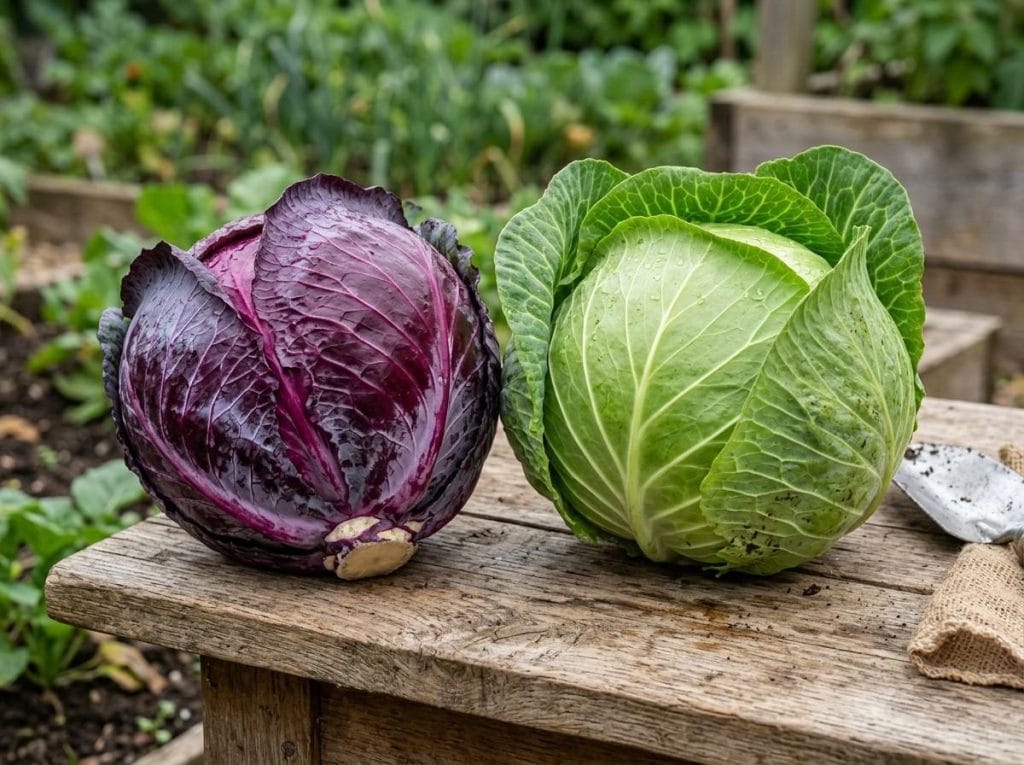
Red cabbage has a slightly sweet and earthy flavor. It carries a mild peppery bite that adds zest to dishes. The taste is richer compared to green cabbage. It holds its flavor well when cooked or eaten raw.
Green cabbage tastes milder and more neutral. It has a crisp, fresh flavor with subtle grassy hints. The taste is less sweet but very versatile. Green cabbage blends easily with many seasonings and sauces.
Red cabbage leaves are thicker and crunchier. They stay firm even after cooking. Green cabbage has softer, more tender leaves. It cooks down faster and becomes silky in texture.
Cabbage is a versatile vegetable used in many kitchens worldwide. Red and green cabbage offer different flavors and textures. Understanding their culinary uses helps in choosing the right one for your dish. Both can be eaten raw or cooked, but each shines in specific recipes.
Cooking methods affect taste and texture. Red cabbage stays firm and colorful when cooked, while green cabbage becomes soft and mild. Let’s explore the best ways to use each type.
Red cabbage holds color and crunch well after cooking. It works great in slow cooking, braising, and roasting. Braising with vinegar or apple juice brings out a sweet and tangy flavor. Roasting adds a smoky taste and tender texture. It also tastes good raw in salads and slaws.
Green cabbage is softer and milder. It steams and sautés easily, making it tender without losing flavor. Stir-frying keeps its crunch and adds a fresh taste. Boiling is common in soups and stews. It also works well in stuffed cabbage rolls and coleslaw.
Red cabbage is often used in German red cabbage side dishes and pickles. It adds color and taste to sauerkraut and salads. Green cabbage shines in cabbage soup, egg rolls, and corned beef dishes. Both types make excellent coleslaws, offering different flavors and colors.
Proper storage helps keep cabbage fresh and tasty for longer. Both red and green cabbage need cool, moist places to stay crisp. Knowing the right way to store each type can reduce waste and save money.
Red cabbage stores best in the refrigerator. Wrap it loosely in a plastic bag. Keep it in the vegetable drawer. Avoid washing before storage to prevent mold. Use within 2 weeks for the best flavor and texture.
Green cabbage also does well in the fridge. Place it in a plastic bag or container. Store in the crisper drawer to keep moisture. Do not cut until ready to use. It stays fresh for about 1 to 2 weeks.
Both red and green cabbage have similar shelf lives. Red cabbage might last a few days longer due to its dense leaves. Both types lose crunch after 2 weeks. Use older cabbage in cooked dishes to avoid waste.
Understanding the environmental impact of red cabbage versus green cabbage helps us make better food choices. Both types affect the planet differently. These differences come from how they grow and how farmers care for the land.
Red cabbage needs cooler temperatures to grow well. It often grows best in fall or early spring. Green cabbage is more flexible and can grow in various seasons. Both types require good soil and plenty of water. However, red cabbage sometimes needs more care to keep its color bright. This can mean more energy or resources used on farms.
Green cabbage usually has a smaller carbon footprint than red cabbage. It often needs less fertilizer and pesticides. Red cabbage may require more inputs to maintain its vibrant color and taste. Both cabbages help prevent soil erosion if grown with good farming methods. Choosing local and seasonal cabbage reduces transport emissions. Sustainable farming practices protect the soil and water nearby.
Red cabbage has a purple color and a slightly sweeter taste than green cabbage.
Red cabbage contains more antioxidants and vitamin C than green cabbage.
Yes, but red cabbage is firmer and holds color better when cooked.
Red cabbage is a bit sweeter and milder than the slightly bitter green cabbage.
Green cabbage usually lasts longer in the fridge than red cabbage.
Both red and green cabbage offer great taste and nutrition. Red cabbage has more antioxidants and a vibrant color. Green cabbage is milder and more common in recipes. Choose based on your flavor and health needs. Both types cook well in many dishes.
Eating either helps add fiber and vitamins to your diet. Try both to find your favorite. Simple, healthy, and easy to use.