Gardening Made Simple.

Imagine biting into a fresh, crunchy carrot that you grew yourself, right on your balcony or patio. Growing carrots in containers is easier than you think, even if you don’t have a big garden.
You can enjoy homegrown veggies, save money, and add a splash of green to your space. You’ll discover simple tips and tricks to help your carrots thrive in containers, so you can harvest delicious, healthy roots all season long. Ready to get your hands a little dirty and enjoy the rewards?
Let’s dive in!
Choosing the right container is key to growing healthy carrots. Carrots need space and good soil conditions to grow straight and long. The container must suit the carrot type and your growing area. A proper container helps carrots get enough water and air. It also stops the roots from bending or breaking.
Carrots have long roots. The container must be deep enough for them to grow down. At least 12 inches deep works well for most carrot types. The width should allow space for several carrots to grow without crowding. Small containers limit root growth and cause twisted carrots. A larger container holds more soil, which keeps moisture longer.
Containers come in many materials. Plastic pots are light and cheap. They keep moisture well but may heat up in sun. Clay pots look nice and allow air to pass through. They dry out faster and are heavier. Fabric grow bags offer good air flow and root health. Choose a container that fits your space and budget. Each material affects water and temperature differently.
Drainage is critical for carrot health. Water must flow out to prevent root rot. Every container needs holes at the bottom. Check that the holes are not blocked by soil. Use a tray to catch extra water under the pot. Good drainage keeps soil moist but not soggy. This balance helps carrots grow firm and sweet.
Selecting the right carrot variety is important for container gardening. Carrots need enough space to grow well. Choosing the proper type helps the roots develop fully. Some carrots grow better in pots than others. This section covers the best types for containers and the difference between heirloom and hybrid seeds.
Choose carrot varieties that are short and do not need deep soil. Nantes, Paris Market, and Thumbelina are popular choices. These types grow well in limited space. They have sweet flavor and good texture. Look for varieties labeled as suitable for container growing.
Short and round carrots fit perfectly in small pots. Paris Market carrots are round and sweet. Thumbelina carrots are tiny and round too. These types need less depth than long carrots. They are easier to harvest from containers. Perfect for beginner gardeners.
Heirloom seeds come from old carrot varieties. They offer unique colors and flavors. Hybrids are bred for disease resistance and higher yield. Hybrids often grow faster and produce more carrots. Choose heirlooms for flavor variety. Pick hybrids for easy growing and better results.
Preparing the soil properly is key to growing healthy carrots in containers. Carrots need loose, well-drained soil to grow straight and strong. Dense or compacted soil can cause roots to grow short or misshapen. Take time to create the best soil environment for your carrot seeds.
Good soil preparation helps roots get enough air, water, and nutrients. It also supports steady growth and improves the taste of your carrots. Here are important details about soil mix, pH, nutrients, and drainage for container carrots.
Use a light, fluffy soil mix for container carrots. Combine equal parts of potting soil, compost, and coarse sand. This mix keeps the soil loose and easy for roots to grow deep. Avoid heavy garden soil, which can compact easily and block root growth.
Carrots prefer slightly acidic to neutral soil. Aim for a pH between 6.0 and 6.8. Test your soil before planting. Add lime to raise pH or sulfur to lower it if needed. Use balanced fertilizer with equal parts nitrogen, phosphorus, and potassium. Too much nitrogen causes forked roots, so apply lightly.
Good drainage prevents water from pooling around roots. Mix perlite or vermiculite into the soil to improve drainage and aeration. Avoid containers without drainage holes. Excess water can cause root rot and poor growth. Keep soil moist but not soggy for best results.
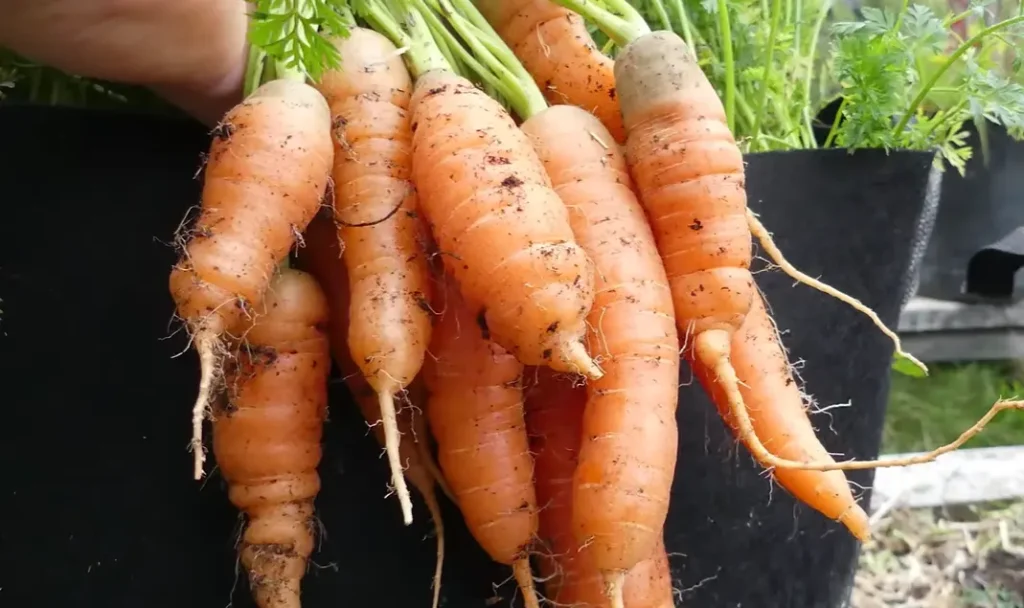
Planting carrot seeds in containers is simple and rewarding. Carrots grow well in small spaces. Proper planting helps seeds sprout and grow strong roots. Follow easy steps for the best results.
Plant carrot seeds about ¼ inch deep in the soil. Press them lightly to cover. Leave space between seeds for roots to grow. Space seeds about 1 to 2 inches apart. Thin the seedlings later to avoid crowding.
Plant carrot seeds in early spring or late summer. Carrots prefer cool weather to grow well. Avoid hot temperatures that can make roots tough. Check your local climate for the best planting time.
Thin seedlings when they reach 2 inches tall. Pull out weak or crowded plants carefully. Leave about 2 to 3 inches between each seedling. This gives carrots space to develop fully. Thin seedlings help grow bigger and sweeter carrots.
Watering carrots in containers needs care. Too little water makes roots dry and hard. Too much water causes rot and weak growth. Proper watering helps carrots grow well and taste sweet.
Check soil moisture often. The soil should feel damp but not wet. Use your finger to test the top inch. Water when it feels dry. Keep the soil moist all the time for steady growth.
Overwatering can drown carrot roots. Watch for yellow leaves and soft soil. Use containers with holes for good drainage. Water slowly and stop when water drains out. Let soil dry slightly before watering again.
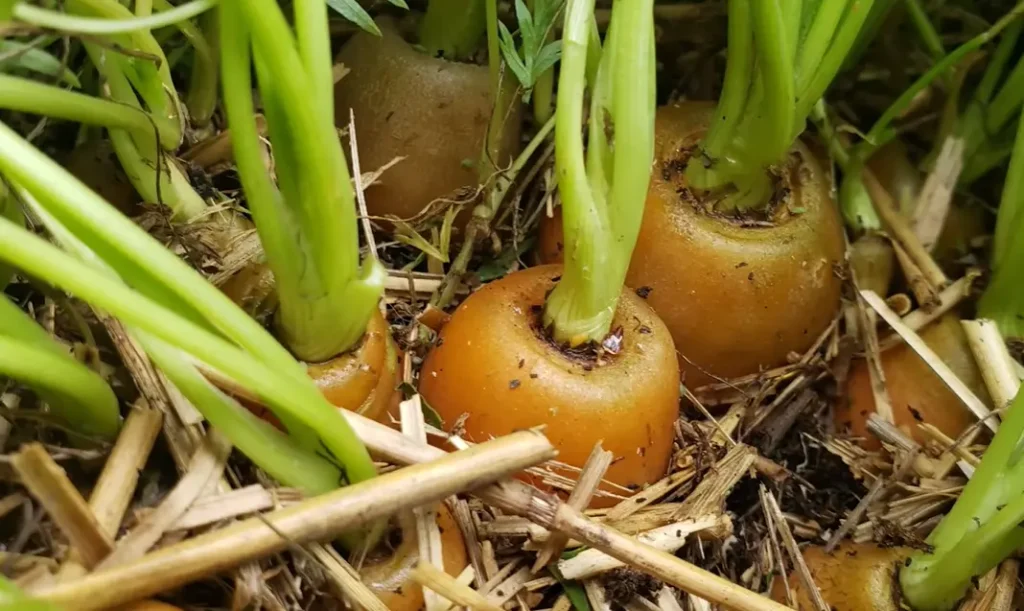
Mulch keeps soil moist and cool. Use straw, leaves, or grass clippings on top. Mulch reduces water loss from evaporation. It also stops weeds from growing. Replace mulch if it breaks down or blows away.
Sunlight and temperature play a key role in growing carrots in containers. Carrots need enough light to grow strong and healthy. The right temperature helps carrots develop their sweet flavor and good texture. Knowing how to manage these factors can improve your container garden's success.
Carrots grow best with full sunlight. They need about 6 to 8 hours of direct sun each day. Place your container where it gets the most sun. Less light can make carrots grow slowly or become thin. Morning sun is especially helpful. It warms the soil early and supports growth.
Carrots like cool to mild temperatures. Ideal soil temperature ranges from 55°F to 75°F (13°C to 24°C). Too hot weather can make carrots tough or bitter. Too cold slows growth and may stop it. Early spring and fall are good seasons for container carrots. Keep an eye on the temperature to protect your plants.
Containers heat up and cool down faster than garden soil. Move containers to shade during hot days. Use frost cloth or blankets to cover carrots in cold nights. Avoid placing containers where wind dries soil quickly. Water more often in hot weather to keep soil moist. These steps help carrots stay healthy in tough weather.
Fertilizing carrots grown in containers helps plants grow strong and healthy. Proper nutrients support root development and improve carrot taste. Knowing how to fertilize correctly boosts your success in container gardening.
Select a fertilizer with a balanced mix of nitrogen, phosphorus, and potassium. Carrots need more phosphorus for strong roots. Avoid high nitrogen fertilizers. They can cause leafy growth but small roots. Look for fertilizers labeled for root vegetables or vegetables.
Apply fertilizer every two to three weeks during the growing season. Use a liquid fertilizer for easy absorption by container plants. Follow the package instructions for the correct amount. Too much fertilizer can harm carrots and stunt their growth.
Organic fertilizers come from natural sources like compost and manure. They release nutrients slowly and improve soil quality. Synthetic fertilizers provide nutrients quickly and are easy to use. Choose organic for long-term soil health or synthetic for fast results. Both work well if used properly.
Pest and disease control is important when growing carrots in containers. Pests can damage leaves and roots. Diseases can slow growth or kill plants. Taking steps early helps keep carrots healthy and strong.
Carrot flies are a common pest in container gardens. They lay eggs near carrot roots. The larvae eat the roots, causing damage. Aphids also attack carrot leaves. They suck plant juices and weaken growth. Spider mites can appear in dry conditions. They cause yellow spots and leaf drop. Watch plants often to spot pests early.
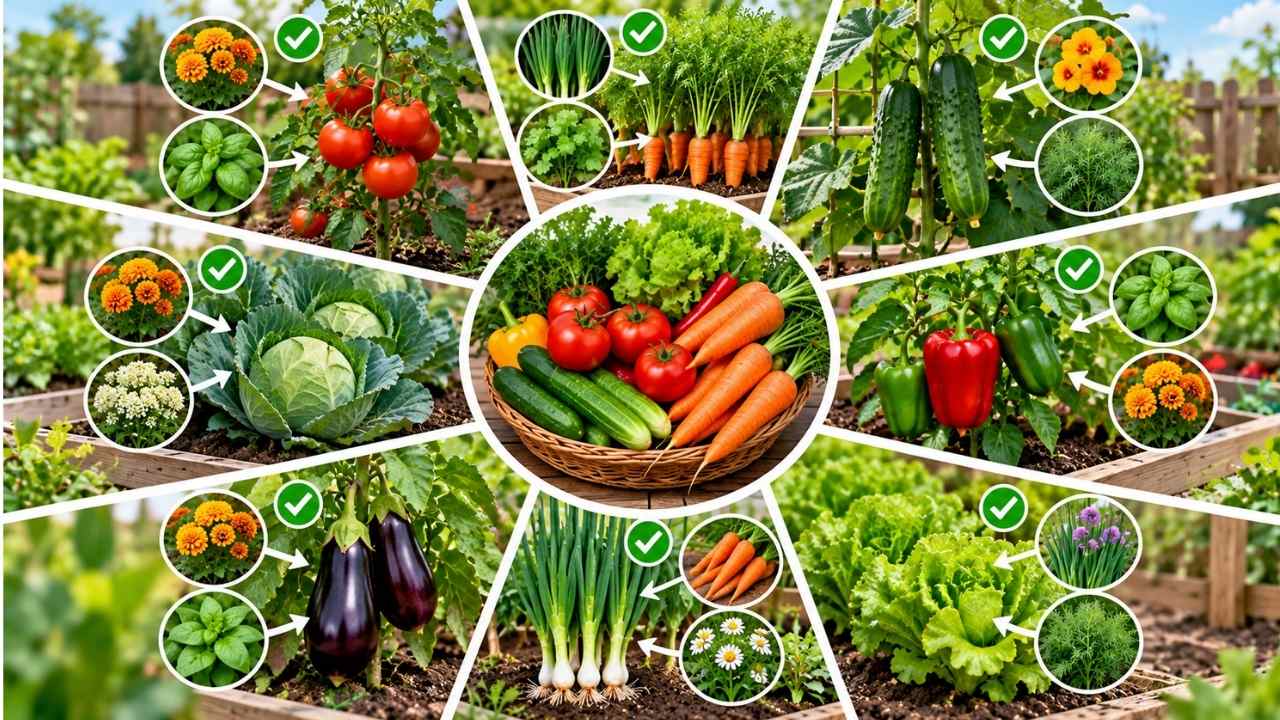
Use natural methods to control pests safely. Plant strong-smelling herbs nearby to repel pests. Neem oil spray works well against aphids and mites. Handpick visible pests and remove them. Encourage beneficial insects like ladybugs and lacewings. These insects eat harmful pests. Keep the container clean and remove dead leaves to reduce hiding spots.
Fungal problems can harm carrot plants in containers. Overwatering creates a wet environment that fungi love. Water at the base to keep leaves dry. Use well-draining soil in the container. Avoid overcrowding plants to improve air flow. Remove any diseased leaves immediately. Use natural fungicides like baking soda spray if needed.
Harvesting carrots grown in containers is an exciting step. It shows your care and patience have paid off. Knowing when and how to harvest helps keep your carrots fresh and tasty. Proper harvesting also protects the roots and allows you to enjoy your homegrown produce.
Carrots are ready to harvest when their tops peek above the soil. The root diameter should be about ½ to 1 inch wide. The color of the carrot should be bright and vibrant. Pull back some soil gently to check the size. Mature carrots feel firm and solid when touched.
Loosen the soil around the carrot before pulling it out. Use your hands or a small garden fork carefully. Pull straight up to avoid breaking the root. Shake off excess soil gently. Avoid damaging the carrot tops or roots for better storage.
Cut the green tops off to keep carrots fresh longer. Store carrots in a cool, dark place or the refrigerator. Place them in a plastic bag with holes for air. Use carrots soon for the best flavor and texture. Cook, roast, or eat them raw for healthy meals.
Growing carrots in containers can be fun and rewarding. Yet, sometimes problems arise that slow your progress. Knowing common issues helps you fix them quickly. This keeps your carrots healthy and tasty.
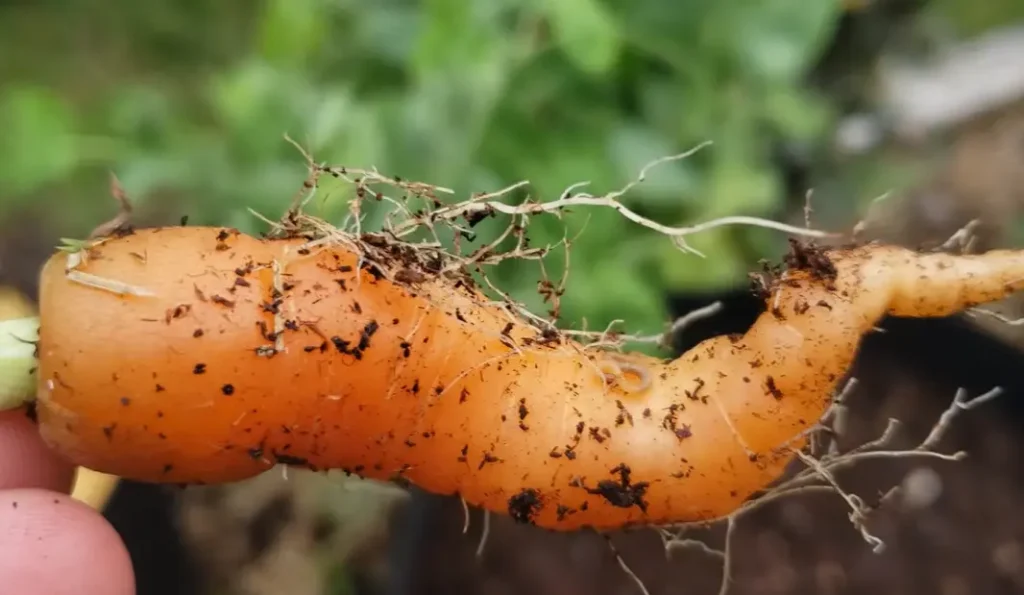
Carrots grow crooked or forked often due to poor soil. Hard or rocky soil makes roots twist and split. Use loose, sandy soil to let roots grow straight. Avoid overcrowding; thin seedlings to give space. Bent containers or shallow pots also cause deformed roots. Choose deep containers for better root development.
Slow carrot growth happens without enough sunlight. Carrots need at least six hours of sun daily. Lack of nutrients also slows growth. Fertilize with balanced, gentle fertilizers to boost growth. Water inconsistently or too little water stress roots. Keep soil moist but not soaked for steady growth.
Yellow leaves show signs of stress or disease. Overwatering can drown roots and cause yellow leaves. Check drainage holes in your container. Nutrient deficiency, especially nitrogen, leads to yellowing leaves. Feed plants with a mild fertilizer regularly. Pests like aphids or mites also cause leaf damage. Inspect plants often and remove pests carefully.
Choose containers at least 12 inches deep and wide for proper root growth.
Water carrots regularly to keep soil moist but not soggy.
Use loose, sandy, well-draining soil rich in organic matter.
Carrots need 6 to 8 hours of sunlight each day.
Yes, smaller carrot varieties work best in container gardening.
Growing carrots in containers suits small spaces and beginners well. Choose deep containers and good soil for best results. Water regularly but avoid soaking the roots. Place containers where they get enough sunlight each day. Thin the seedlings to help carrots grow bigger.
Watch for pests and keep the soil loose. Harvest carrots when they reach the right size. Enjoy fresh, homegrown carrots anytime you want. Container gardening makes growing vegetables simple and fun. Try it and see how easy it can be.
Your kitchen will thank you for fresh carrots!