Gardening Made Simple.

Are you ready to enjoy fresh, crisp lettuce right from your own porch or balcony? Growing lettuce in containers is easier than you think, and it’s a great way to have healthy greens at your fingertips all season long.
Imagine picking vibrant, crunchy leaves whenever you want, without trips to the store. In this guide, you’ll discover simple tips to help your lettuce thrive in small spaces. Keep reading to unlock the secrets to container gardening success and watch your homegrown lettuce flourish!
Choosing the right containers is key to growing healthy lettuce in small spaces. Containers affect root growth, water retention, and air flow. Picking the best container helps your lettuce thrive and makes gardening easier. Consider size, material, and drainage to get started.
Lettuce needs room for roots to spread. Containers should be at least 6 to 8 inches deep. Wider containers hold more plants and soil, which keeps roots cool. Small pots dry out quickly and limit growth. Choose a size that fits your space and lets roots grow well.
Containers come in many materials like plastic, clay, and wood. Plastic pots are light and hold moisture well. Clay pots breathe better but dry out faster. Wood planters look natural and keep soil cool. Pick a material that suits your climate and watering habits.
Good drainage stops water from pooling around roots. Containers must have holes at the bottom for excess water to escape. Without drainage, roots can rot and plants will suffer. Add a layer of small stones or gravel at the bottom for better flow. Proper drainage keeps lettuce healthy and strong.
Selecting the right lettuce variety is key for successful container gardening. Different types suit different spaces, climates, and tastes. Choose wisely to enjoy fresh, crisp leaves all season.
Lettuce comes in several leaf types: looseleaf, romaine, butterhead, and crisphead. Looseleaf grows fast and is easy to harvest. Romaine has tall, crunchy leaves, perfect for salads. Butterhead feels soft and tender. Crisphead is dense and crunchy but needs more space. Pick types that fit your container size and taste.
Lettuce grows best in cool weather. Some types handle heat better than others. Looseleaf and butterhead do well in mild heat. Crisphead prefers cooler temperatures. Choose varieties that match your local climate. This helps prevent bitterness and bolting. Your lettuce will stay fresh longer.
Growth speed matters for container gardeners. Looseleaf lettuce grows quickly, ready in about 30 days. Romaine takes longer, around 60 days. Butterhead is medium-speed, about 45 days. Fast growers give more frequent harvests. Slow growers are good for steady, longer supply. Pick based on how often you want fresh leaves.
Growing lettuce in containers needs the right soil and fertilizer. Good soil helps roots grow strong. Fertilizer gives lettuce the nutrients it needs. Both affect how fresh and tasty your lettuce will be.
Choose a light, loose soil mix for container lettuce. Use potting soil blended with peat moss or coconut coir. This mix holds moisture but drains well. Avoid heavy garden soil that can stay too wet. Well-draining soil stops root rot and keeps air flowing.
Lettuce needs nitrogen for leafy growth. It also needs phosphorus and potassium for roots and leaves. Balanced nutrients help lettuce grow fast and healthy. Check for slow-release fertilizers or mix in compost. Feeding lettuce regularly keeps leaves green and crisp.
Organic fertilizers feed soil and plants naturally. Use compost, worm castings, or fish emulsion. These improve soil health and provide steady nutrients. They also support beneficial microbes in the soil. Organic methods give lettuce a fresh, clean taste.
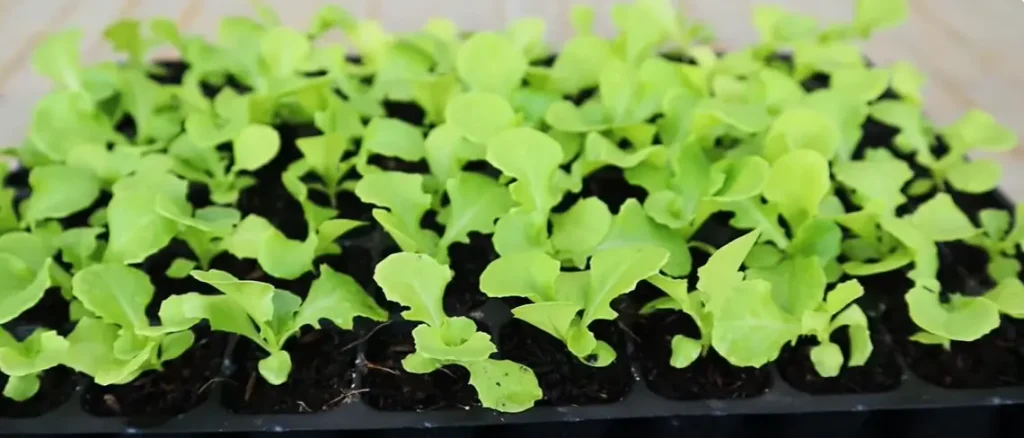
Planting lettuce in containers needs care and attention. Proper planting techniques help lettuce grow healthy leaves and strong roots. Good planting starts with the right steps to give your lettuce the best chance to thrive. This section covers seed starting, moving seedlings to containers, and spacing plants well. Follow these tips for a successful container lettuce garden.
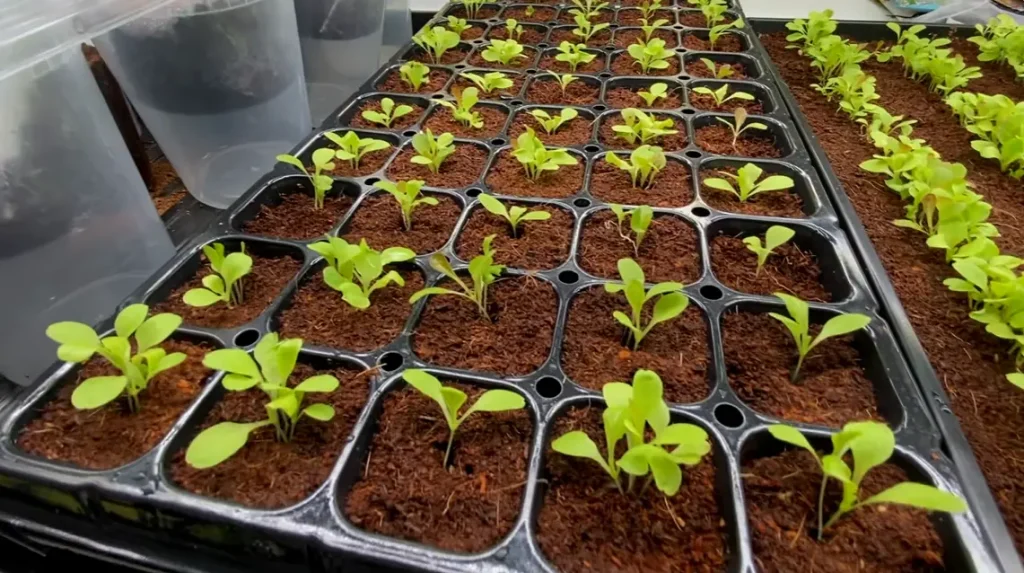
Begin lettuce seeds indoors or in a seed tray with light soil. Plant seeds about ¼ inch deep. Keep the soil moist but not wet. Lettuce seeds need cool temperatures to sprout, around 60-70°F (15-21°C). Place the tray in a bright spot but out of direct sun. Seeds usually sprout in 7-10 days. Thin seedlings if too crowded. This helps strong, healthy plants.
Move seedlings to containers once they grow two sets of leaves. Water the soil before transplanting. Gently remove seedlings from the tray to avoid root damage. Plant seedlings at the same depth they grew in the seed tray. Press soil lightly around roots to keep them stable. Water the seedlings after planting to reduce shock. Place containers where lettuce gets 4-6 hours of sunlight daily.
Space lettuce plants 6-12 inches apart in containers. Proper spacing allows air to flow and reduces disease risk. Crowded plants compete for nutrients and water. Leaf lettuce can be closer, around 6 inches apart. Head lettuce needs more space, about 12 inches. Use containers wide enough to fit all plants comfortably. This spacing helps lettuce grow full, crisp leaves.
Watering is key to growing healthy lettuce in containers. Lettuce needs steady moisture but not too much water. Proper watering helps lettuce grow crisp and fresh leaves. Understanding how often and how much to water prevents problems like wilting or root rot.
Water lettuce containers regularly to keep soil moist. Check soil every day, especially in hot weather. Water when the top inch of soil feels dry. Pour enough water to soak the soil but avoid puddles. Usually, one cup of water per container works well.
Too much water can harm lettuce roots. Overwatering causes yellow leaves and soft stems. Ensure containers have drainage holes to let water escape. Do not let containers sit in standing water. Drain excess water to keep roots healthy and oxygen-rich.
Keep soil evenly moist for steady lettuce growth. Mulch surface with straw or leaves to hold moisture. Use a spray bottle to mist leaves on hot days. Check containers twice daily in warm weather. Consistent moisture helps lettuce stay tender and sweet.
Lettuce needs the right amount of light to grow well in containers. Light helps lettuce make food and grow strong leaves. Without enough light, lettuce can become weak and bitter. Too much direct sun can also harm tender lettuce leaves. Finding the perfect light balance is key to healthy, tasty lettuce in containers.
Lettuce grows best with about 6 hours of sunlight each day. Morning sun is softer and better for lettuce than harsh afternoon sun. A spot with partial shade in the afternoon can protect lettuce from burning. South or east-facing windows or balconies often offer good light. Avoid placing lettuce in deep shade or full, hot sun.
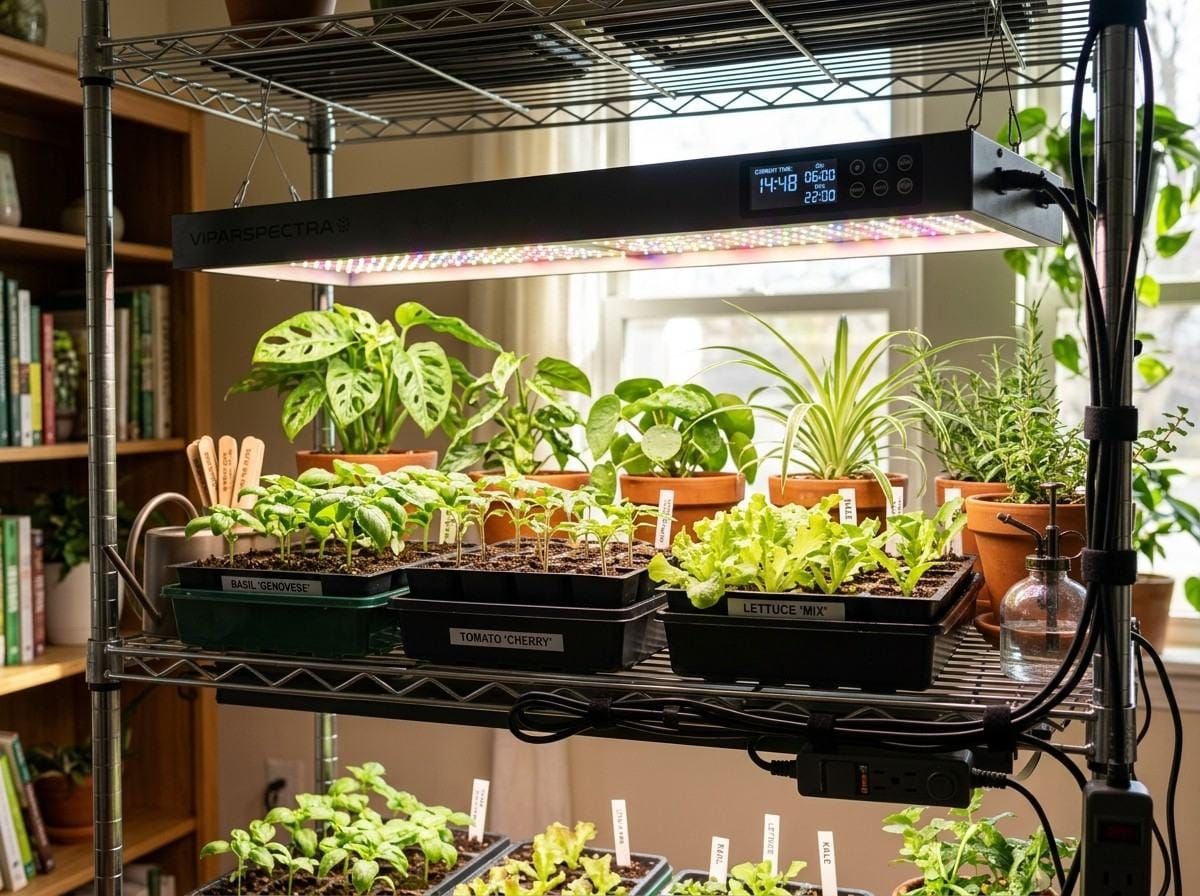
Grow lights help lettuce thrive indoors without natural sunlight. Fluorescent or LED lights work well for container lettuce. Place lights 6 to 12 inches above the plants for best results. Keep lights on for 12 to 16 hours daily to mimic daylight. Turn off lights at night to give lettuce time to rest.
Growing lettuce in containers is fun but pests and diseases can cause problems. They damage leaves and slow growth. Controlling pests keeps your plants healthy and strong. Understanding common pests helps you act fast. Using natural remedies protects lettuce without harsh chemicals. Preventative measures stop pests before they start. This guide helps you protect your container lettuce garden easily.
Aphids are small insects that suck sap from leaves. They make leaves curl and turn yellow. Slugs and snails eat holes in lettuce leaves. Their slimy trails are easy to spot. Leaf miners tunnel inside leaves, leaving white trails. Spider mites cause tiny yellow spots and webbing. Whiteflies suck plant juices and spread disease. These pests are common in container lettuce gardens.
Soap spray kills soft-bodied pests like aphids and whiteflies. Mix mild soap with water and spray leaves. Handpick slugs and snails during early morning or evening. Use crushed eggshells around plants to deter slugs. Neem oil works against many pests and is safe for plants. Introduce ladybugs; they eat aphids naturally. Garlic spray can repel several insects. These remedies protect lettuce without hurting the environment.
Keep containers clean and remove dead leaves often. Water plants early in the day to avoid damp nights. Space containers to allow good air circulation. Use fresh, sterile soil to avoid disease. Rotate crops to prevent pest build-up. Inspect plants regularly for early signs of pests. Healthy plants resist pests and grow better. Prevention is the best way to keep lettuce safe.
Harvesting lettuce correctly helps get the best results from your container garden. Timing and technique affect the yield and quality of your leaves. Picking lettuce at the right moment ensures fresh, crisp leaves for your meals.
Using smart harvesting methods lets the plant keep growing. This way, you enjoy more lettuce without replanting often. Good storage also keeps your harvest fresh longer and reduces waste.
Harvest lettuce early in the morning for the best taste. Leaves are crisp and full of water. Pick leaves when they reach about 4 to 6 inches tall. Avoid waiting until they get too big and bitter. For leaf varieties, take outer leaves first. For head varieties, wait until the head feels firm and full.
Cut leaves about one inch above the soil. This lets the plant regrow new leaves quickly. Harvest only what you need to keep the plant healthy. Avoid cutting too close to the crown to protect growth. This method gives you fresh lettuce for weeks from one plant. It saves space and money in container growing.
Store lettuce in the fridge to keep it fresh. Wrap leaves loosely in a damp paper towel. Place them inside a plastic bag or container. Avoid washing lettuce before storing to prevent sogginess. Use within a week for best flavor and texture. Proper storage helps you enjoy your harvest longer.

Choose containers at least 6-8 inches deep to allow root growth. Wider containers help grow multiple lettuce plants together.
Water lettuce when the top inch of soil feels dry. Keep soil moist but not soggy to prevent root rot.
Use light, well-draining potting soil rich in organic matter. Avoid garden soil, as it can compact and hold too much water.
Lettuce needs 6-8 hours of sunlight daily for healthy growth. Morning sun is best to avoid heat stress during afternoons.
Lettuce grows best in cool weather but can grow year-round indoors. Use shade or grow lights in hot or low-light seasons.
Growing lettuce in containers brings fresh greens close to home. Choose good soil and place containers where sunlight reaches. Water regularly but avoid soaking the roots. Watch your plants grow day by day. Harvest leaves when they look full and healthy.
This simple method fits any space, big or small. Enjoy tasty, homegrown lettuce all season long. Give it a try and see how easy gardening can be!