Gardening Made Simple.
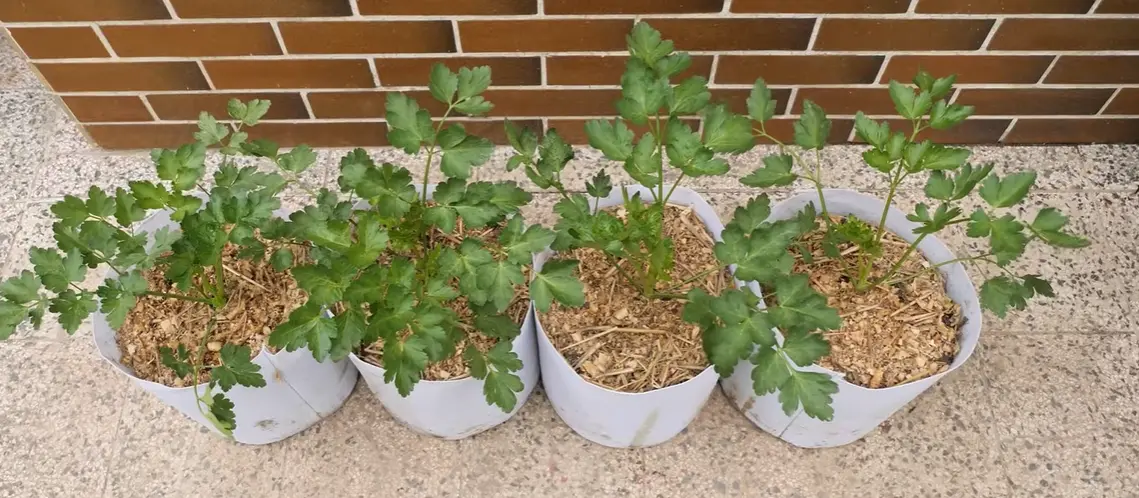
If you want fresh, flavorful parsley right at your fingertips, Growing Parsley in Containers is a smart and practical choice. Whether you have a small balcony, a sunny windowsill, or limited garden space, container gardening allows you to enjoy this versatile herb year-round.
But how do you make sure your parsley thrives and stays healthy? You’ll discover simple, proven tips to grow parsley successfully in containers. By the end, you’ll feel confident turning your space into a vibrant herb haven that adds a burst of green and flavor to every meal.
Ready to get started? Let’s dive in!
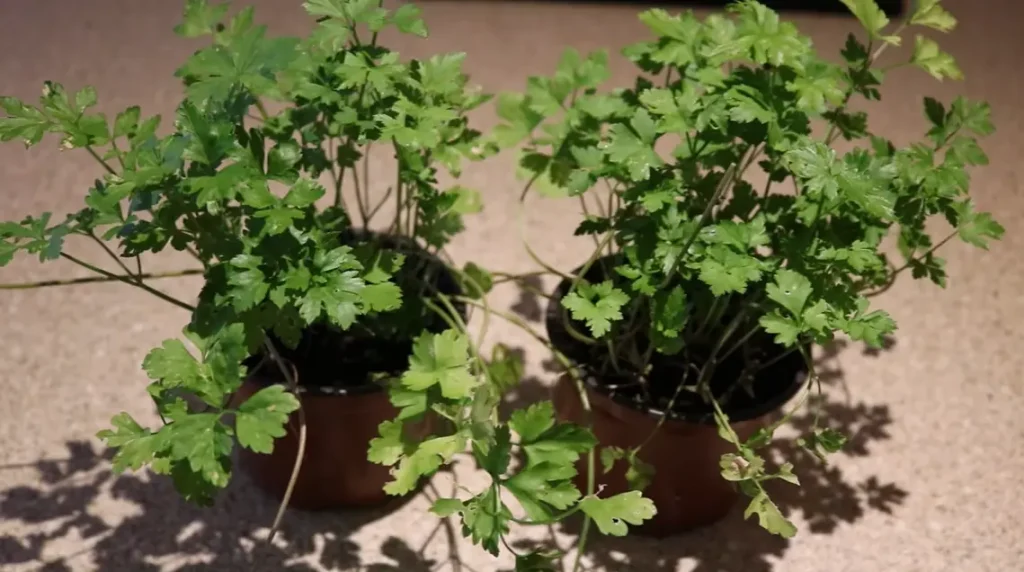
Choosing the right container is the first step to growing parsley in containers successfully. The container affects plant health and growth. It must hold enough soil and support root development. The material and size influence water retention and temperature. Proper drainage is also vital to avoid water problems.
Pick a container at least 8-10 inches deep. Parsley roots need room to grow. A wider pot helps multiple plants fit comfortably. Lightweight containers like plastic or resin are easy to move. Clay or terracotta pots breathe better but dry out faster. Choose a material that fits your watering habits and environment.
Good drainage prevents water from pooling at roots. Too much water causes root rot and kills parsley. Ensure your container has holes at the bottom. Add a layer of small stones or gravel for better drainage. Use well-draining soil to help excess water escape. Keep soil moist but never soggy for healthy parsley.
Choosing the right parsley seeds is the first step to a healthy container garden. Good seeds grow strong plants with fresh, tasty leaves. Picking quality seeds saves time and effort later. It helps your parsley grow well in small spaces like pots or containers.
Seeds come in different types and freshness levels. Knowing these details helps you pick the best ones. Focus on seed type and how fresh the seeds are. This guide explains these points clearly.
Parsley has two main types: curly leaf and flat leaf. Curly leaf is bushy and bright green. It looks nice on plates and in gardens. Flat leaf parsley has smooth leaves and stronger flavor. Chefs often prefer flat leaf for cooking. Choose the type that suits your taste and use.
Italian flat leaf parsley grows well in containers. It stays fresh longer and is easy to harvest. Curly leaf parsley is better for decoration and light flavor. Both types need similar care in pots. Check seed packets to know which type you buy.
Fresh seeds grow faster and stronger. Old seeds may sprout slowly or not at all. Check the packet date before buying. Seeds older than one year might have low germination rates. Store seeds in a cool, dry place to keep them fresh.
Buy seeds from trusted sellers to ensure quality. Fresh seeds will give you a good start. Healthy seedlings become healthy plants. This step is key for successful parsley in containers.
Growing parsley in containers requires the right soil mix. The soil must hold moisture but drain well. Parsley roots need space to grow. A good soil mix helps parsley stay healthy and green.
Choosing the proper soil mix boosts parsley growth and flavor. It also reduces problems like root rot or poor growth. The soil should be loose and rich in nutrients.
Use a mix of potting soil, compost, and perlite or sand. Potting soil holds nutrients and moisture. Compost adds organic matter and feeds the plant. Perlite or sand improves drainage. This mix keeps the roots moist but not wet. It also allows air to reach the roots easily.
Parsley grows best in soil with a pH between 6.0 and 7.0. This range is slightly acidic to neutral. Test the soil pH before planting. Adjust the pH by adding lime to raise it or sulfur to lower it. Proper pH helps parsley absorb nutrients well. It supports strong growth and vibrant leaves.
Growing parsley in containers starts with good planting and germination. This stage sets the base for strong, healthy plants. Paying attention to seed sowing and the right environment helps seeds sprout well and grow faster. Follow simple tips to give your parsley the best start.
Plant parsley seeds about 1/4 inch deep in the soil. Too deep can stop seeds from sprouting. Too shallow can dry out seeds quickly. Cover seeds lightly with soil to keep moisture in. Press the soil gently to help seed contact. This small step helps better germination and strong roots.
Parsley seeds germinate best at 70°F (21°C). Cooler temperatures slow down growth. Warmer soil helps seeds sprout faster. Place containers in a warm spot with indirect sunlight. Direct sun can dry out soil too fast. Keep soil moist but not soaked. Light helps young parsley grow strong leaves after sprouting.
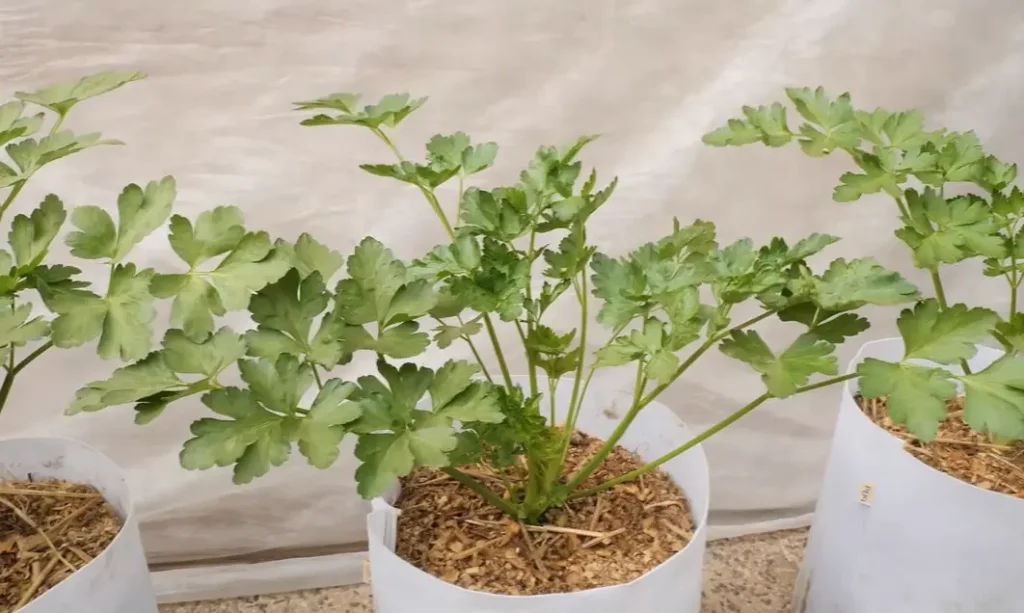
Watering and moisture control are key for growing parsley in containers. Parsley needs steady moisture but not soggy soil. Proper water balance helps the plant grow strong and healthy.
Too little water makes parsley wilt and dry out. Too much water causes root problems and poor growth. Watch the soil and adjust watering to keep parsley happy.
Water parsley every two to three days. Check soil moisture with your finger. The top inch should feel slightly dry before watering again. Use enough water to moisten the soil fully. Ensure water drains well from the container bottom. Avoid letting the soil dry out completely.
Overwatering causes root rot and yellow leaves. Use containers with drainage holes only. Remove excess water from saucers under the pots. Water less often in cool or shady spots. Adjust watering based on weather and plant size. Good airflow around the plant helps soil dry evenly.
Feeding parsley properly helps it grow strong and healthy in containers. Parsley needs the right nutrients to develop vibrant leaves and a good root system. Choosing the best fertilizer and following a regular feeding schedule are key steps. These steps keep your parsley thriving throughout the growing season.
Parsley grows well with balanced fertilizers. Use a general-purpose fertilizer with equal nitrogen, phosphorus, and potassium. Organic options like compost or fish emulsion work well, too. They provide gentle nutrients and improve soil health. Liquid fertilizers absorb quickly and are easy to apply. Slow-release fertilizers feed plants over time and reduce feeding frequency.
Feed parsley every two to four weeks during the growing season. Start feeding a few weeks after planting. Avoid overfeeding, which can harm the plant. Water the soil before applying fertilizer. This helps nutrients reach the roots. In winter or dormant times, reduce or stop feeding. Keep parsley nourished for fresh, flavorful leaves all year.
Growing parsley in containers brings fresh flavors to your kitchen. Pests and diseases can stop your plants from thriving. Managing these problems early keeps your parsley healthy. Understanding common issues helps you protect your plants. Using natural remedies avoids harmful chemicals and supports a safe garden.
Parsley faces pests like aphids, spider mites, and whiteflies. These small bugs suck sap from leaves. Leaves may curl, yellow, or drop. Fungal diseases like powdery mildew can appear as white spots. Overwatering or poor air flow causes root rot. Watch for these signs regularly to act fast.
Spray plants with a mix of water and mild soap. This removes pests without chemicals. Introduce ladybugs or lacewings to eat harmful insects. Neem oil works as a natural insect repellent. Remove infected leaves to stop disease spread. Keep containers clean and well-drained for strong roots.
Pruning and harvesting parsley in containers keeps plants healthy and productive. Proper care lets parsley grow fresh and strong. It also helps prevent the plant from becoming too tall or woody. Regular trimming encourages new leaves and fuller plants. Knowing the right time and method to cut parsley ensures a steady supply for your kitchen.
Harvest parsley once the leaves are bright green and full. Pick leaves from the outside of the plant first. Avoid cutting more than one-third of the plant at one time. Harvest in the morning for the best flavor and freshness. Regular picking stops the plant from flowering too soon.
Trim parsley stems just above a leaf node to encourage new shoots. Cut back old or yellowing leaves to keep the plant fresh. Pinch off flower buds quickly to focus energy on leaf growth. Water the plant well after pruning to support new growth. Frequent light pruning leads to bushier, healthier parsley plants.
Overwintering container parsley helps you enjoy fresh herbs year-round. Parsley is a hardy herb but needs care during cold months. Keeping it healthy indoors or protected outside ensures it survives winter. This way, you avoid buying new plants each spring and save money.
Move your parsley container indoors before frost arrives. Place it near a bright window for enough sunlight. Parsley needs about six hours of light daily. Water the plant when the soil feels dry to touch. Avoid overwatering to prevent root rot. Keep the temperature between 60-70°F for best growth. Mist the leaves occasionally to maintain humidity. Trim dead or yellow leaves to encourage new growth.
If you keep parsley outside, protect it from freezing temperatures. Wrap the container with bubble wrap or burlap to insulate roots. Place the pot in a sheltered spot, like near a wall or under eaves. Mulch around the base with straw or leaves for extra warmth. Avoid leaving parsley in standing water to prevent freezing damage. Check the plant regularly for signs of stress or frostbite. Bring it indoors if temperatures drop below 20°F.
Growing parsley in containers can be easy and fun. Sometimes, problems appear that slow down the plant’s growth or change its look. Knowing how to fix common issues helps your parsley stay healthy and green. This section covers common problems and simple ways to solve them.
Yellow leaves often mean the parsley is stressed. Too much water can cause root rot, turning leaves yellow. Check the soil; it should be moist but not soggy. Lack of nutrients also causes yellow leaves. Use a balanced fertilizer every few weeks. Too much sun can burn parsley leaves. Place the container where the plant gets partial shade.
Slow growth happens when parsley lacks enough light. Parsley needs at least 4-6 hours of sunlight daily. Poor soil quality can also slow growth. Use rich, well-draining soil for best results. Overcrowding plants limits growth too. Give each parsley plant enough space in the container. Regularly check for pests that may harm the plant’s health.
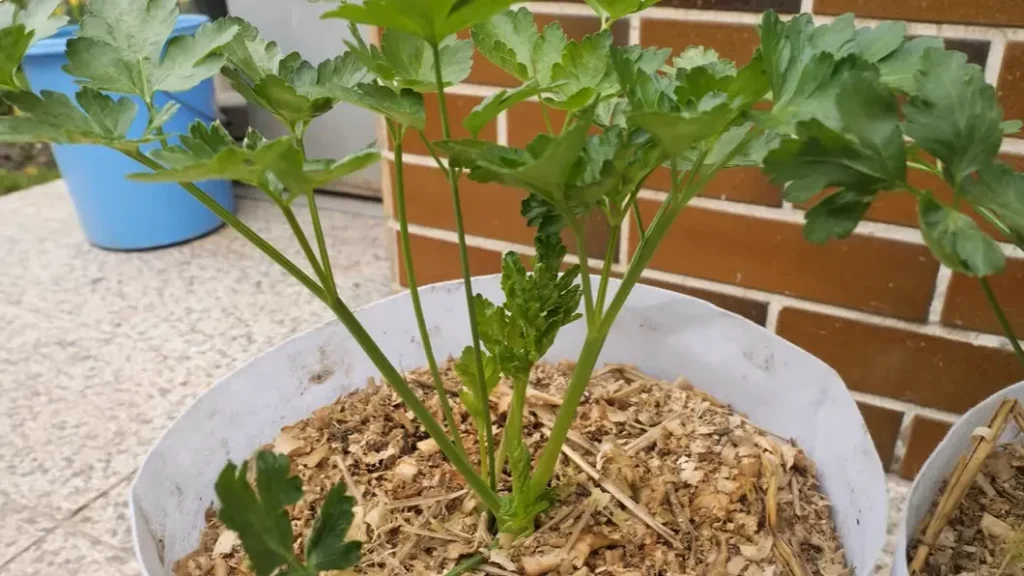
Parsley grows best with 6 to 8 hours of sunlight daily. Place containers in a sunny spot for healthy growth.
Use well-draining, rich soil with organic matter for parsley. Avoid heavy or clay soils that hold too much water.
Water parsley regularly to keep soil moist but not soggy. Check soil daily, especially during hot weather.
Yes, parsley grows well indoors with enough light. A bright windowsill or grow light helps parsley thrive.
Keep parsley clean and remove dead leaves to stop pests. Use natural remedies like neem oil if needed.
Growing parsley in containers is simple and rewarding. Choose the right pot and soil for healthy plants. Water regularly but avoid overwatering. Place containers where parsley gets plenty of sunlight. Trim leaves often to encourage fresh growth. Watch for pests and remove them quickly.
With care, your parsley will stay green and tasty. Enjoy fresh herbs right from your home. Gardening in containers fits any space or skill level. Give parsley a try and enjoy its fresh flavor daily.