Gardening Made Simple.
Are you ready to grow garlic that’s bursting with flavor and size? One simple step can make all the difference: planting your garlic at the right depth. Understanding How Deep to Plant Garlic will help you grow stronger plants and achieve a more productive, high-quality harvest.
Plant it too shallow, and your bulbs may dry out or fail to develop fully. Plant it too deep, and your garlic might struggle to sprout or grow weak stems. Getting this just right unlocks the secret to a healthy, strong harvest.
Keep reading, and you’ll learn exactly how deep to plant garlic so your garden thrives and your kitchen is filled with fresh, homegrown goodness.
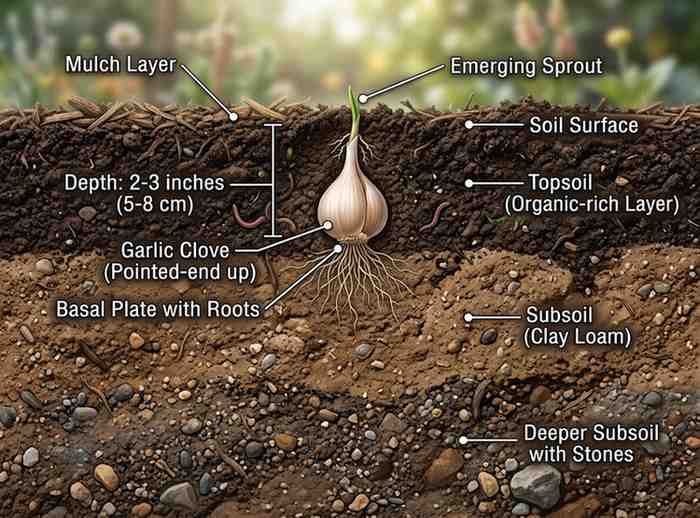
Choosing the right garlic variety is important for good growth and flavor. Garlic comes in different types, each with unique traits. Picking the best type helps the plant grow well in your garden. It also affects how deep you should plant the cloves.
Hardneck garlic has a strong central stalk. It grows well in cold places. Hardneck types have big cloves and strong flavor. They produce flower stalks called scapes. Softneck garlic has no central stalk. It grows better in warm places. Softneck types store well and have many cloves. They are common in stores. Choose hardneck for cold winters and softneck for mild climates.
Garlic grows best in climates that match its type. Hardneck garlic needs cold winters for strong flavor. It prefers temperatures below freezing during dormancy. Softneck garlic suits warmer areas with mild winters. It does not need very cold weather. Knowing your climate helps choose the right garlic. This ensures healthy plants and good harvest.
Preparing the soil is a key step before planting garlic. Good soil helps garlic grow strong and healthy. It also makes sure the bulbs develop well under the ground. Take time to prepare the soil right for the best results.
Garlic grows best in loose, well-drained soil. Heavy clay soil holds too much water and can cause bulbs to rot. Sandy or loamy soil is ideal because it drains water quickly. Make sure the soil is not compacted. This allows garlic roots to spread easily and take in air and water.
Garlic needs rich soil with good nutrients. Add compost or aged manure to boost soil fertility. Nitrogen helps leaves grow, while phosphorus supports bulb development. Avoid fresh manure because it can burn garlic roots. Balanced soil nutrients lead to bigger, healthier garlic bulbs.
Planting garlic at the right depth helps it grow strong and healthy. The ideal depth lets the cloves take root well and protects them from cold. Too shallow or too deep can stop garlic from growing well. Follow simple depth tips to get good results in your garden.
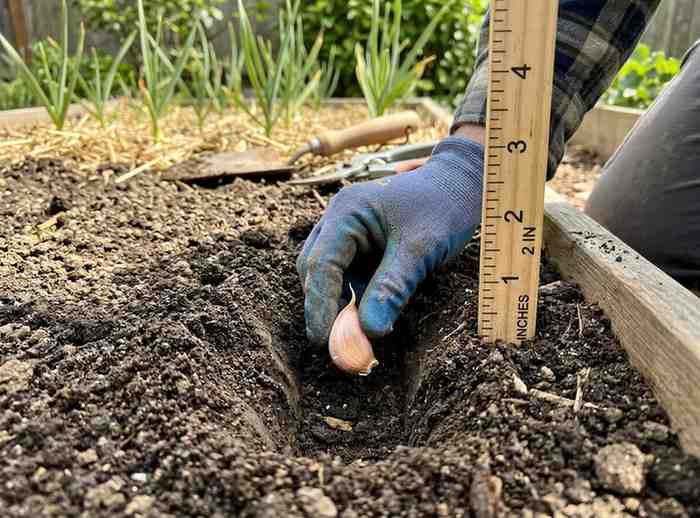
Plant garlic cloves about 2 inches deep in the soil. Cover them with loose, well-drained soil. The pointy end should face up, and the flat root side down. This depth protects cloves from frost and lets roots grow easily. Space cloves about 4 to 6 inches apart for good air flow.
In sandy soil, plant cloves a bit deeper, around 3 inches. Sandy soil drains fast and can dry out cloves. In heavy clay soil, plant slightly shallower, about 1.5 inches deep. Clay holds moisture and can cause rot if cloves are too deep. Adjust depth to keep cloves safe and moist without drowning them.
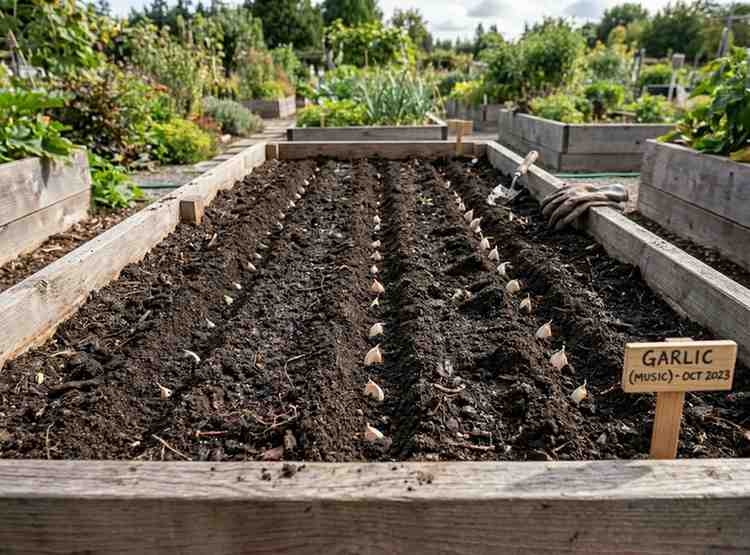
Proper spacing and arrangement help garlic grow healthy and strong. Garlic needs room to spread its roots and bulbs. Crowded garlic can lead to smaller cloves and poor air flow. Good spacing reduces disease risk and makes harvesting easier.
Rows should be about 12 to 18 inches apart. This space allows tools to pass between rows. It also gives plants enough sunlight and air. Wider rows help garlic grow bigger bulbs. Choose row spacing based on your garden size.
Plant cloves 4 to 6 inches apart within each row. This gap lets each bulb get enough nutrients and water. Close spacing may cause competition among plants. Proper distance helps bulbs develop fully. Keep consistent spacing for even growth.
Planting garlic properly helps it grow strong and healthy. The right techniques ensure good root development and bigger bulbs. Planting depth and care are important for a successful harvest. Here are simple steps to follow for planting garlic with the best results.
Plant garlic cloves with the pointed end facing up. The flat root end goes down into the soil. This helps the shoot grow upward and roots grow downward. Planting cloves sideways or upside down can slow growth or cause poor bulbs.
Cover cloves with 2 to 3 inches of soil. This depth protects cloves from cold and keeps moisture steady. Add a layer of mulch on top to keep soil temperature stable. Mulch also stops weeds and holds moisture. Straw, leaves, or grass clippings work well as mulch.
Watering and caring for garlic after planting is crucial for strong growth. Proper care helps the bulbs develop fully and prevents common problems. Garlic needs steady moisture and a clean growing area. This section explains how to water garlic and control weeds effectively.
Keep the soil moist but not soggy. Water garlic deeply once a week, more in dry weather. Avoid wetting the leaves to reduce disease risk. Early morning watering helps soil absorb water well. Stop watering two weeks before harvest to let bulbs dry.
Weeds compete with garlic for water and nutrients. Remove weeds regularly by hand or with a hoe. Mulch around garlic cloves to reduce weeds and keep soil moist. Mulching also keeps soil temperature steady for better growth. Clean soil means healthier garlic bulbs.
Garlic plants need the right planting depth to grow strong and healthy. Sometimes, problems start if cloves go too deep or stay too shallow. These issues show in the plant’s growth and can lower your harvest. Understanding signs of poor planting depth helps fix problems early.
Leaves may look yellow or dry. Plants can grow very slowly or stop growing. Shoots might be weak or thin. Bulbs can be small or misshaped. Sometimes cloves may rot before sprouting. Shallow planting causes roots to dry out fast. Deep planting can make shoots struggle to reach sunlight.
Check soil depth before planting next time. Plant cloves 2-3 inches deep for best results. Add mulch to keep soil moist. Water plants evenly, not too much or little. If sprouts are weak, gently cover them with soil. Avoid heavy soil that blocks air and water. Remove dead or damaged plants to stop spread of disease.
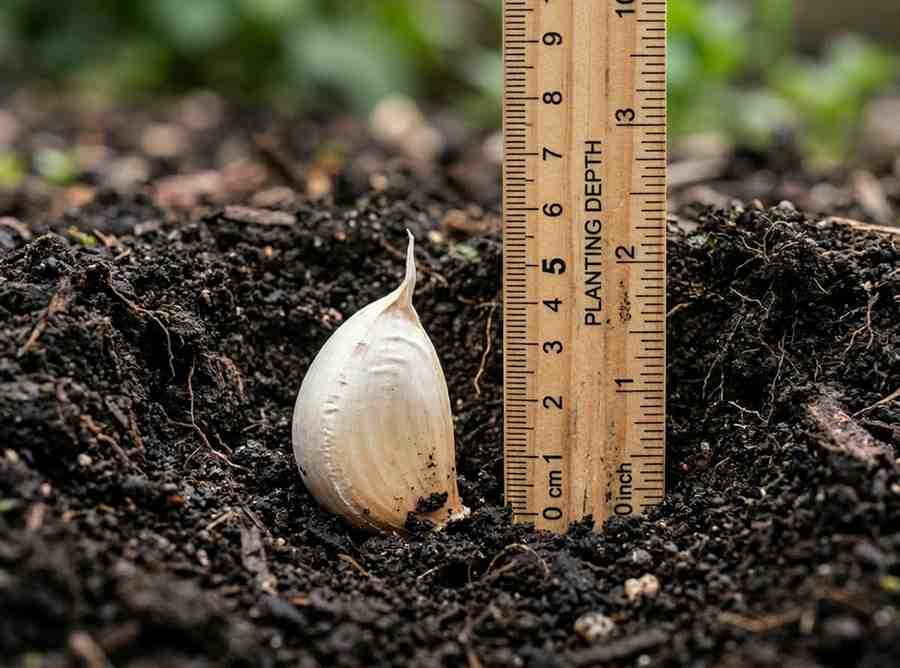
Plant garlic cloves about 2 inches deep for good root and bulb growth.
Yes, planting too deep can slow growth and cause smaller bulbs.
Garlic roots grow best in soil about 2 to 3 inches deep.
Plant cloves slightly deeper in cold areas to protect from frost.
Yes, shallow planting can expose bulbs, causing dryness and poor growth.
Plant garlic at the right depth for the best growth. Too shallow, and cloves may dry out. Too deep, and they might struggle to sprout. A depth of about two inches works well in most soils. Cover cloves gently with soil and water lightly.
Watch for green shoots in a few weeks. Proper planting helps garlic develop healthy bulbs. Keep the soil loose and moist during growth. Patience pays off with a good garlic harvest. Give your plants the care they need. Enjoy fresh garlic in your meals soon.