Gardening Made Simple.
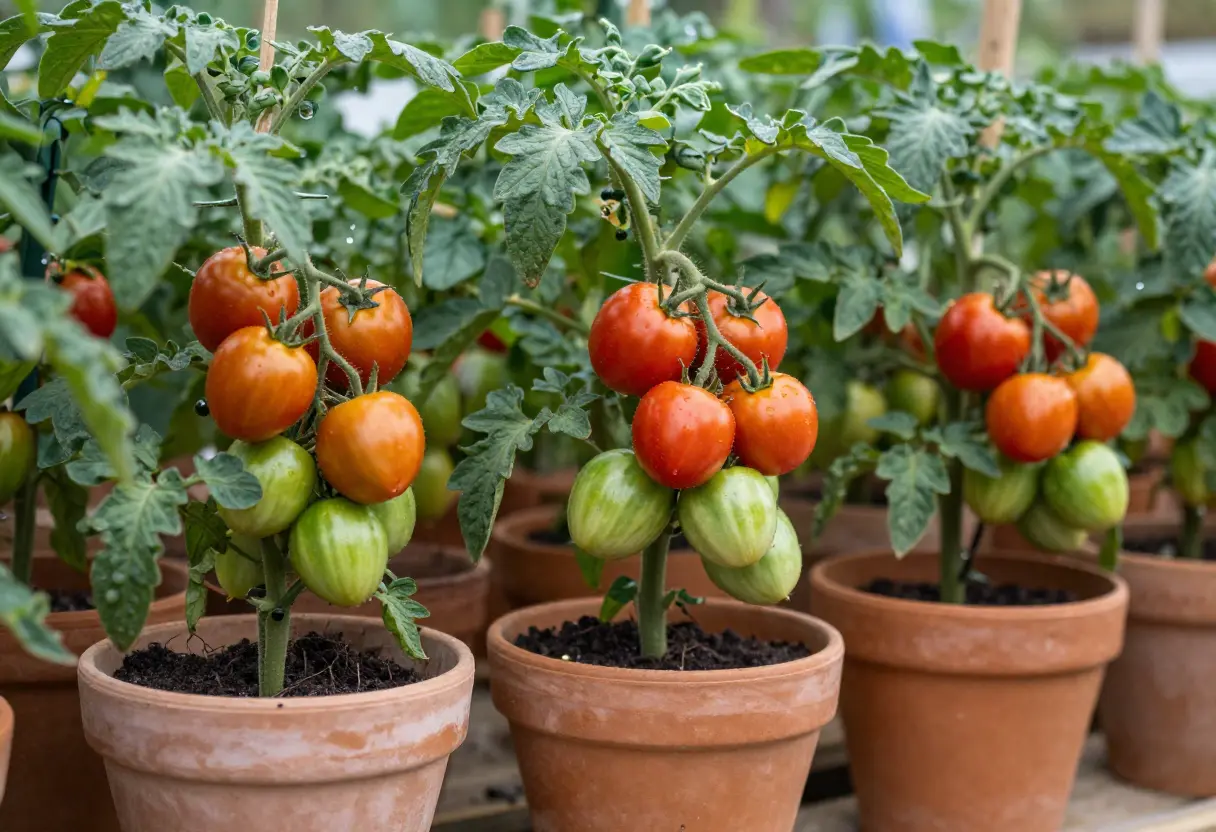
Growing your own tomatoes in pots can be incredibly rewarding—and easier than you might think. If you’re wondering how do you grow tomato plants in pots, the good news is that you can enjoy fresh, juicy tomatoes right from your balcony or patio, no garden needed. With the right container, soil, and care, potted tomato plants can thrive and produce an abundant harvest.
Whether you’re short on space or just want to enjoy homegrown flavor, this guide will show you simple, effective steps to help your tomato plants thrive in containers. Ready to turn your pots into a mini tomato paradise? Let’s dive in and get your plants growing strong!
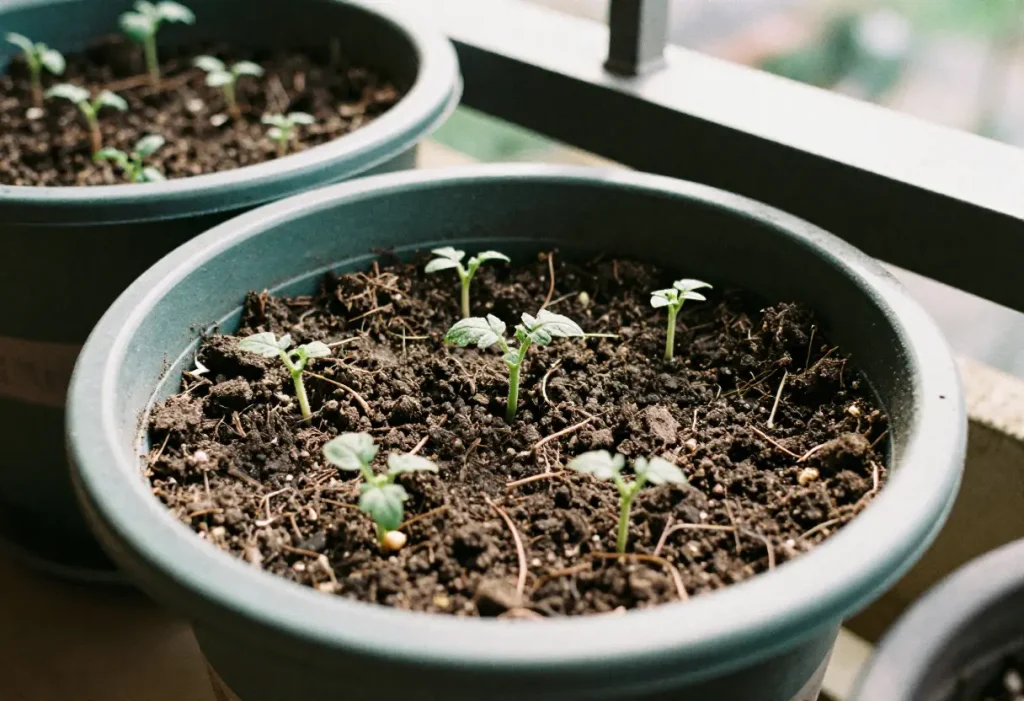
Choosing the right tomato variety is key for growing tomatoes in pots. Different types grow in different ways. Some need more space, some need less. Picking the right one helps you get the best harvest.
Tomatoes vary in size, shape, and growth habits. Knowing these differences helps in selecting the right plant for your container garden. Small spaces and pots need special kinds of tomatoes.
Determinate tomatoes grow to a set size. They stop growing when they reach this size. These plants produce fruit all at once. This makes harvest easier and quicker.
Indeterminate tomatoes grow tall and keep producing fruit all season. They need more support and bigger pots. These plants can grow 6 feet or taller.
Determinate types suit small pots and limited space. Indeterminate types need larger pots and staking. Choose based on the space and care you can give.
Cherry tomatoes like ‘Tiny Tim’ and ‘Patio’ grow well in pots. They stay small but produce many fruits. These varieties are perfect for beginners.
Other good choices include ‘Bush Early Girl’ and ‘Husky Red.’ These determinate types do well in containers. They offer tasty tomatoes with less fuss.
Pick varieties labeled ‘dwarf’ or ‘patio.’ These are bred for small spaces. They grow well in pots and need less support.
Choosing the right pot is key to growing healthy tomato plants. The pot affects root space, water, and air flow. Picking the correct size and type helps plants grow strong and produce many tomatoes. Pots must also allow water to drain well. Poor drainage can cause root problems and poor plant health.
Tomato plants need pots that are at least 12 inches deep. Bigger pots hold more soil and water. This helps tomato roots grow wide and deep. Plastic pots are light and hold moisture well. Clay pots breathe better but dry out fast. Choose a pot that fits your space and watering habits.
Good drainage stops water from pooling at the roots. Excess water can lead to root rot and disease. Make sure your pot has holes at the bottom. Place a layer of small stones or broken pottery before soil to help water flow. Check drainage often to keep plants healthy and happy.
Growing tomato plants in pots needs special care for soil and fertilizer. Good soil helps roots grow strong. Proper fertilizer gives plants the nutrients they need. Both affect how many tomatoes you get. Choosing the right soil mix and following a fertilizing plan is important.
Pick a potting mix made for vegetables or tomatoes. It should drain well and hold moisture. Avoid garden soil; it can be too heavy and may have pests. Look for a mix with peat moss, compost, and perlite. These parts keep soil light and airy. Good soil lets roots breathe and absorb water easily.
Start with a balanced fertilizer when planting. Use one with equal parts nitrogen, phosphorus, and potassium. After plants grow, switch to fertilizer higher in phosphorus and potassium. Feed plants every two weeks for best growth. Too much fertilizer can harm plants. Follow package instructions carefully for amounts.
Planting and spacing are key to healthy tomato plants in pots. Proper placement helps roots grow well. It also stops plants from crowding. This means better air flow and less chance of disease. Use the right pot size and space plants carefully. Follow these tips for best results.
Choose seedlings for a faster start. They are easier to plant and grow quickly. Seeds take longer but cost less. Plant seeds indoors first. Transplant seedlings outside after the last frost. Use quality seedlings from a garden center. Plant one seedling or seed per pot for best growth.
Plant tomatoes deep in the soil. Cover the stem up to the first leaves. This helps roots grow along the buried stem. More roots mean stronger plants. Avoid planting too shallow or too deep. Keep the soil moist after planting. This supports root development and plant health.
Watering is key for tomato plants in pots. It keeps roots healthy and helps fruit grow well. Using the right watering method can avoid common problems like dry soil or root rot. Careful watering supports strong plants and tasty tomatoes.
Tomato plants need regular watering. Check soil daily by touching the top. Water deeply when soil feels dry about one inch down. Usually, watering every two to three days works well. In hot weather, water more often. Give enough water to soak the soil but not flood it.
Too much water harms tomato roots. Wet soil stops oxygen from reaching roots. This causes root rot and weak plants. Use pots with drainage holes to let extra water escape. Water only after the soil dries a bit. Watch leaves; yellowing or wilting can mean too much water.
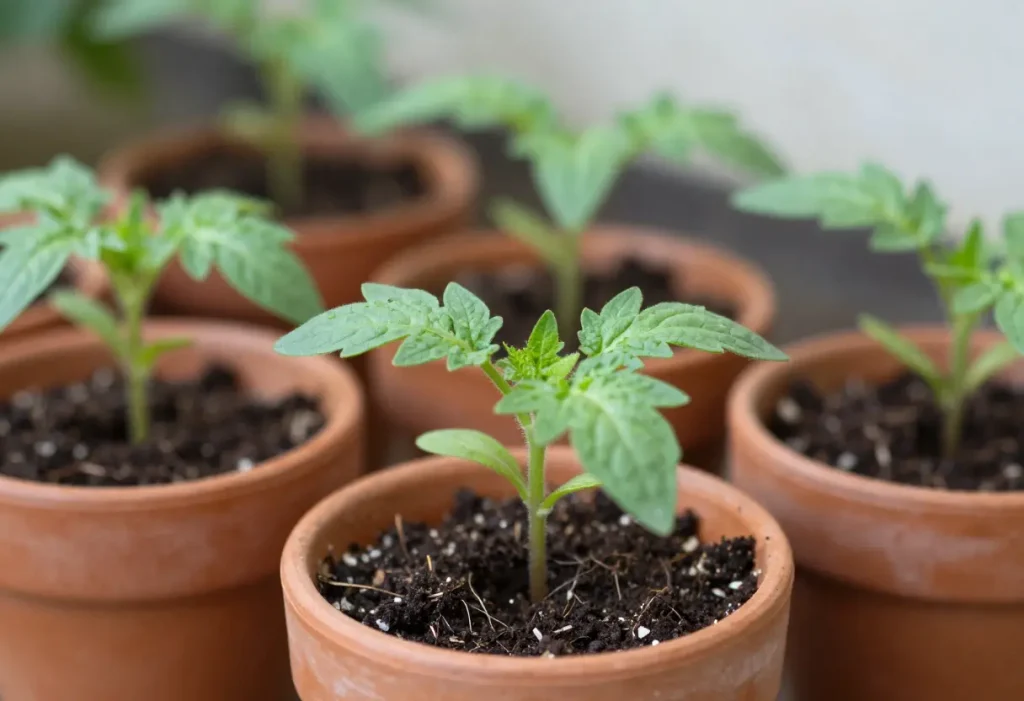
Tomato plants need the right sunlight and temperature to grow well in pots. Sunlight helps the plants make food through photosynthesis. Temperature affects how fast the plants grow and how healthy they stay. Too little or too much sunlight and heat can harm tomato plants.
Tomato plants need at least six to eight hours of direct sunlight daily. Place pots where they get bright, full sun. Morning sun is best because it is gentle and helps dry leaves. Avoid shady spots or places with only afternoon sun. Less light means fewer tomatoes and weaker plants.
Tomatoes can suffer when temperatures rise above 85°F (29°C). Heat stress causes leaves to curl and fruit to drop. Move pots to shaded areas during hot afternoons. Use light cloth or shade nets to protect plants. Water plants regularly to keep soil moist but not soggy. Cooler nights help plants recover and grow strong.
Supporting and pruning tomato plants in pots helps them grow strong and healthy. These tasks keep plants upright and improve fruit production. Proper care avoids broken stems and crowded leaves. It also makes harvesting easier and reduces disease risks.
Tomato plants need support to stand tall. Stakes are simple wooden or metal sticks placed near the plant. Tie the main stem loosely to the stake with soft ties. This prevents the plant from bending or breaking.
Cages are round or square frames that surround the plant. They hold branches up and stop them from falling over. Choose a cage that fits your pot size. Place it early so the plant grows through it naturally.
Pruning removes extra leaves and small shoots. This allows the plant to focus energy on growing fruit. Cut away suckers, which are small shoots between the main stem and branches. Removing suckers improves air flow and sunlight reach.
Prune regularly using clean scissors or fingers. Avoid cutting too much at once. Keep healthy leaves that protect fruit from sunburn. Proper pruning leads to bigger, tastier tomatoes.
Pest and disease control is key to healthy tomato plants in pots. Pests and diseases can quickly damage your plants. They reduce growth and fruit quality. Early action helps keep plants strong and productive.
Good control means spotting problems early. Regularly check leaves, stems, and soil. Catching trouble early makes it easier to fix. Use safe methods to protect your plants and the environment.
Tomato plants in pots often face pests like aphids, whiteflies, and spider mites. These small insects suck plant juices. Leaves may curl, yellow, or drop. Fungal diseases like blight and powdery mildew also appear. They cause spots, mold, and leaf damage. Overwatering and poor air flow make diseases worse.
Use neem oil or insecticidal soap to control pests. Spray leaves gently, covering both sides. Introduce ladybugs or lacewings to eat harmful insects. Keep plants dry and avoid water on leaves. Space pots apart for good air flow. Remove dead leaves and debris from pots. Rotate tomato varieties to reduce disease risk. Use clean tools and fresh soil for new plants.
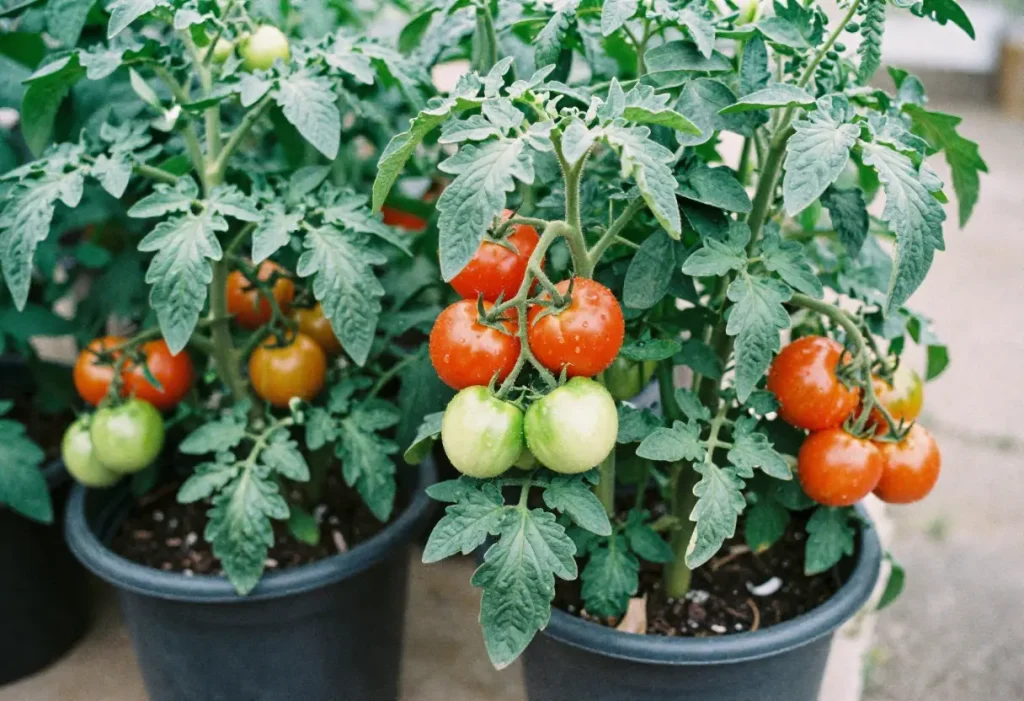
Harvesting tomatoes from potted plants is an exciting part of gardening. It shows your hard work has paid off. Picking tomatoes at the right time ensures the best flavor and texture. Knowing when and how to harvest is key to enjoying fresh tomatoes.
Regular harvesting also helps the plant produce more fruit. It keeps the plant healthy and encourages new growth. Understanding the signs of ripeness and using proper harvesting methods makes the process easy and rewarding.
Tomatoes change color as they ripen. Look for a deep, even color depending on the variety. Red tomatoes should be bright red without green spots. Yellow or orange types turn fully yellow or orange. The fruit feels slightly soft but not mushy. A ripe tomato detaches easily from the vine with a gentle twist. The skin looks smooth and shiny. Avoid picking tomatoes that are too hard or green.
Use clean hands or scissors to avoid damaging the plant. Cut the stem above the tomato, leaving a small part attached. Avoid pulling or twisting the fruit roughly. Harvest in the morning when the tomatoes are cool. Handle the fruit gently to prevent bruising. Store tomatoes at room temperature away from direct sunlight. Harvest often to keep the plant producing new fruit. Remove any damaged or rotten tomatoes quickly to protect the plant.
Choose a pot at least 12 inches wide and deep to allow good root growth.
Use well-draining, nutrient-rich potting soil mixed with compost for healthy tomatoes.
Water tomato plants daily or when the top inch of soil feels dry.
Yes, place pots in a sunny window with 6-8 hours of light daily.
Use stakes or cages to keep tomato plants upright and prevent stem damage.
Growing tomato plants in pots can be simple and fun. Choose the right pot and soil for strong roots. Water your plants regularly but avoid overwatering. Give them plenty of sunlight every day. Watch for pests and remove dead leaves.
With care and patience, your tomatoes will grow healthy. Enjoy fresh tomatoes from your own pot garden. Gardening in pots lets you grow even in small spaces. Start small, learn, and see your plants thrive.