Gardening Made Simple.
Choosing the perfect eggplant can feel tricky, right? If you’re wondering How Do You Pick an Eggplant that’s fresh, firm, and full of flavor, knowing what signs to look for makes all the difference.
If you’ve ever picked an eggplant only to find it bitter or mushy later, you’re not alone. You’ll discover simple, smart tips to help you pick the best eggplant every time. By the end, you’ll feel confident grabbing the freshest, tastiest eggplant at the market—ready to make your meals truly delicious.
Keep reading, and let’s make eggplant shopping easy for you!

Choosing the right variety of eggplant is key to a great dish. Different types offer unique flavors and textures. Some are best for grilling, others for frying or baking. Knowing the common varieties helps pick the best one for your meal. This guide explains popular types and which work best in cooking.
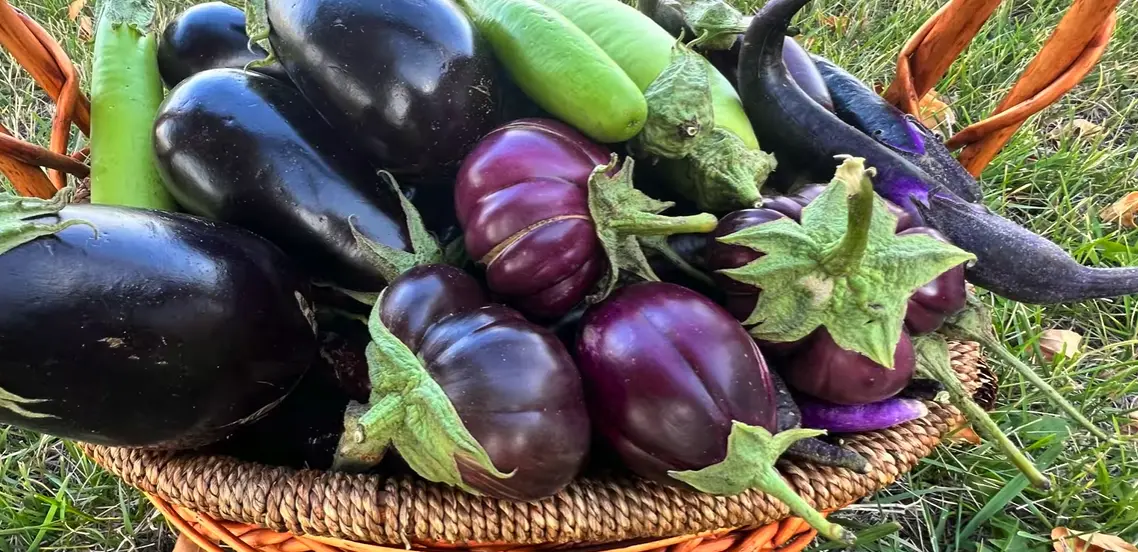
Eggplants come in many shapes, sizes, and colors. The most common type is the large, dark purple globe eggplant. It has a spongy texture and mild flavor. Another type is the slender Japanese eggplant. It is long, thin, and has a delicate taste. There are also small, round varieties like the Indian or Thai eggplant. These have a slightly bitter flavor and firm flesh. White eggplants are less common but tasty. Their skin is smooth and their taste is mild.
For frying or grilling, globe eggplants are ideal. They hold their shape well and soak up flavors. Japanese eggplants are great for roasting or stir-frying. Their thin skin cooks quickly and evenly. Small eggplants work well in curries and stews. Their firm texture stands up to long cooking times. White eggplants suit baking and mashing. They become creamy and soft when cooked. Choose the variety that matches your recipe and cooking style.
Checking the color and gloss of an eggplant helps find the freshest and best-tasting fruit. The skin shows how ripe and healthy the eggplant is. Bright colors and a shiny surface mean good quality. Dull or uneven colors suggest the eggplant may be old or bruised.
The skin of a good eggplant is deep purple and glossy. It should look smooth and firm without any wrinkles. A shiny surface reflects light and shows freshness. The color should be even all over, with no green or brown patches. A perfect eggplant feels heavy for its size and has tight skin.
Dull skin means the eggplant might be old or damaged. Avoid eggplants with faded colors or brown spots. Wrinkles on the skin show it is drying out. Green areas near the stem mean it was picked too early. Soft or mushy spots indicate bruises or decay. These eggplants will not taste good or last long.

Choosing the right eggplant starts with checking its firmness and texture. These qualities tell a lot about the eggplant's freshness and taste. A good eggplant should feel solid but not hard. It should have a smooth skin without dents or wrinkles.
Press the eggplant gently with your thumb. It should give a little but bounce back quickly. If it feels too soft or leaves a mark, the eggplant is overripe. If it is very hard and does not give at all, it is underripe. A firm eggplant means the inside is fresh and ready to cook.
Overripe eggplants feel very soft and may have brown spots. Their skin looks dull and wrinkled. Underripe eggplants are too hard and may have a pale color. They lack the full flavor and can taste bitter. Choose eggplants that feel just right for the best taste.
Choosing the right eggplant starts with checking its size and shape. These features tell a lot about the eggplant’s freshness and how well it suits your recipe. Size and shape affect texture, cooking time, and flavor. Taking a closer look helps pick the best eggplant for your dish.
Small eggplants work best for roasting and grilling. They cook quickly and stay tender. Medium-sized eggplants are good for stir-fries and sautés. Large eggplants suit dishes like eggplant parmesan or moussaka. They hold their shape well during long cooking. Match the eggplant size to your cooking method for best results.
Look for eggplants that have a smooth, even shape. Avoid eggplants with dents or wrinkles. A uniform shape shows the eggplant grew well and is fresh. Round eggplants tend to be sweeter and less bitter. Long, slender ones usually have a mild flavor and soft texture. Pick shapes that fit your recipe and seem firm to touch.
Examining the stem and cap of an eggplant helps you pick the freshest one. These parts tell a lot about the vegetable's quality. A fresh stem and cap mean the eggplant is ripe and ready to eat. They also show if the eggplant has been stored well or not. Learning to spot good stems and caps is easy and quick.
A fresh eggplant stem is green and firm. It should not feel soft or dry. The stem often has tiny hairs or a slight fuzz. This fuzz is a good sign. Avoid stems that look dull or brown. These indicate age or poor storage. A fresh stem helps keep the eggplant fresh longer.
The cap is the leafy part around the stem. It should be bright green and firm. Wilted or brown caps mean the eggplant is old. Brown spots on the cap show damage or decay. Choose eggplants with caps that feel sturdy. This ensures the vegetable is healthy and fresh.

Evaluating the weight and density of an eggplant helps find the best quality fruit. Weight shows how fresh and firm the eggplant is. A dense eggplant usually means fewer seeds and less bitterness. Understanding these traits ensures a tastier dish.
Hold the eggplant in your hand. A heavy eggplant feels full and solid. It means the inside is moist and fresh. Light eggplants might be old or dry. Heaviness often signals good quality and ripeness.
Compare two eggplants of the same size. The heavier one usually has better texture and flavor. Weight helps choose the fruit with more juice and fewer seeds. Picking the heavier eggplant leads to better cooking results.
Seasonal availability plays a big role in picking the best eggplants. Different times of the year affect their taste and freshness. Choosing eggplants in the right season helps ensure quality and flavor.
Understanding when eggplants are in season can guide your buying decisions. This knowledge saves money and gives you better cooking results.
Eggplants grow best in warm weather. Their peak season is late summer to early fall. In many places, July through October offers the freshest picks. Outside these months, eggplants may come from greenhouses or imports. These often lack the same taste and texture.
Season affects eggplant size, color, and firmness. In season, eggplants are firm with shiny skin. They have fewer seeds and a sweeter taste. Off-season eggplants can be dull, soft, or bitter. Choosing seasonal eggplants improves your dishes’ flavor and appearance.
Storing eggplants properly keeps them fresh and tasty. They do not last long if stored wrong. Knowing how to store eggplants helps keep their texture and flavor. Use simple methods to keep them fresh for meals.
Keep eggplants at room temperature if you plan to use them soon. Place them in a cool, dry spot away from direct sunlight. Do not wash eggplants before storing. Moisture causes them to spoil fast. Use a paper bag to protect them from air but avoid plastic bags. Use within 1 to 2 days for best taste and texture.
For longer storage, place eggplants in the fridge’s vegetable drawer. Wrap them in a paper towel to absorb moisture. Then put them in a perforated plastic bag. This method slows down decay and keeps eggplants firm. Use within 4 to 5 days for good quality. Avoid storing near fruits like bananas or tomatoes. These release gases that spoil eggplants faster.

Look for smooth, shiny skin without wrinkles or bruises. It should feel firm but not hard.
Medium-sized eggplants are ideal. They have fewer seeds and a better texture.
Press gently; it should bounce back quickly. A dull or soft spot means it's overripe.
Heavier eggplants usually have more moisture and taste better than lighter ones.
Yes, bright and deep purple colors show freshness. Avoid faded or brownish spots.
Choosing a good eggplant can make your meal better. Pick one that feels firm and heavy for its size. The skin should be shiny and smooth, without wrinkles or spots. Check the color—it should be deep and rich. Avoid eggplants that look dull or have soft spots.
Remember, a fresh eggplant tastes sweeter and cooks well. Keep these tips in mind next time you shop. Enjoy cooking with the best eggplants you find!