Gardening Made Simple.
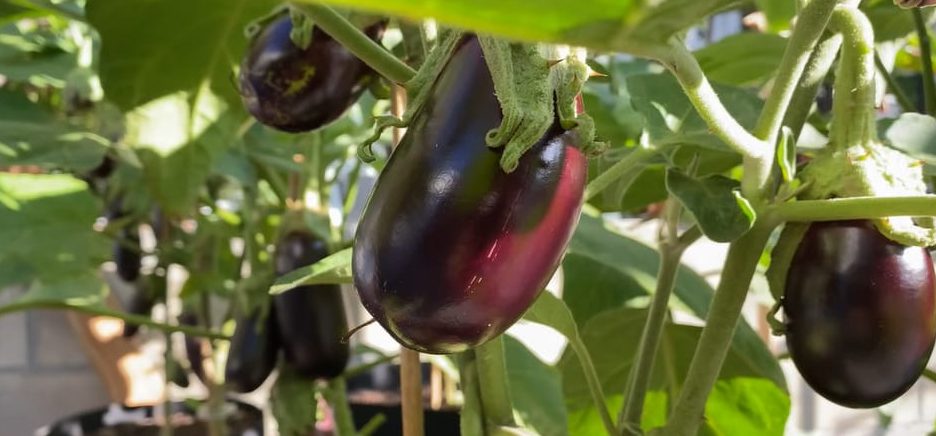
Wondering when is eggplant in season? Eggplant thrives from late summer to early fall, with the peak harvest occurring between August and October. Knowing the season helps you pick the freshest, most flavorful eggplants for your garden or kitchen.
Eggplant, also known as aubergine, thrives in warm climates and is a staple in many cuisines. This versatile vegetable offers a rich, meaty texture, making it a favorite for vegetarian and vegan dishes. Shoppers can find the best quality and most affordable eggplants during its peak season.
Fresh eggplants should have smooth, shiny skin and feel heavy for their size. Incorporating seasonal produce like eggplant ensures better taste and nutritional value. Including eggplant in your meals during its peak season can enhance flavors and support local farmers. Enjoy eggplant grilled, roasted, or in hearty stews for a nutritious meal.
The eggplant is a versatile vegetable enjoyed worldwide. Knowing when it is in season can make a big difference. This section helps you understand the eggplant season and why it matters.
Knowing the peak times for eggplant can help you get the best quality. Peak season means the eggplants are fresher and tastier. This can enhance your cooking and eating experience.
| Region | Peak Season |
|---|---|
| North America | July to October |
| Europe | August to October |
| Asia | June to September |
Eggplants in season taste better. The flavor is richer and the texture is smoother. Off-season eggplants can be bitter and tough. Buying in season ensures you get the best quality and flavor.
Eggplants need specific conditions to grow well. Understanding these conditions helps in growing healthy eggplants. Let's explore the ideal climate and soil requirements for eggplant cultivation.
Eggplants thrive in warm climates. They grow best in temperatures between 70°F and 85°F. They need full sunlight for at least six hours a day. Cold temperatures can harm eggplants. They do not tolerate frost well. Eggplants grow better in areas with long summers.
Eggplants prefer well-drained soil. The soil should be rich in organic matter. A pH level between 5.5 and 7.5 is ideal. Sandy loam soil is best for eggplants. They need soil that can hold moisture but not waterlogged. Adding compost can improve soil quality.
| Soil Requirement | Details |
|---|---|
| Drainage | Well-drained |
| pH Level | 5.5 - 7.5 |
| Soil Type | Sandy loam |
| Organic Matter | Rich in compost |
Understanding the regional harvest times for eggplant can help you enjoy the best flavors. Different regions have varying seasons due to their unique climates. Knowing when eggplant is in season in your area ensures you get the freshest produce.
In North America, eggplants are typically harvested in the summer months. The peak season usually starts from July and lasts until October. Warmer states like California and Florida may have a longer growing season. Farmers' markets and local grocers often stock fresh eggplant during these months.
Eggplant season in Europe varies slightly from country to country. In the southern parts like Spain and Italy, the season begins in May and extends to September. Northern regions like the UK and Germany see a shorter season, typically from June to August. The milder climate in Europe allows for a consistent harvest within these months.
Asia, known for its diverse climates, has varied eggplant seasons. In India, eggplants are harvested almost all year round but peak between July and February. In China and Japan, the optimal season is from June to September. The tropical climates in Southeast Asia allow for nearly year-round harvesting.
Here is a summary table of eggplant harvest times by region:
| Region | Peak Harvest Time |
|---|---|
| North America | July - October |
| Southern Europe | May - September |
| Northern Europe | June - August |
| India | July - February |
| China and Japan | June - September |
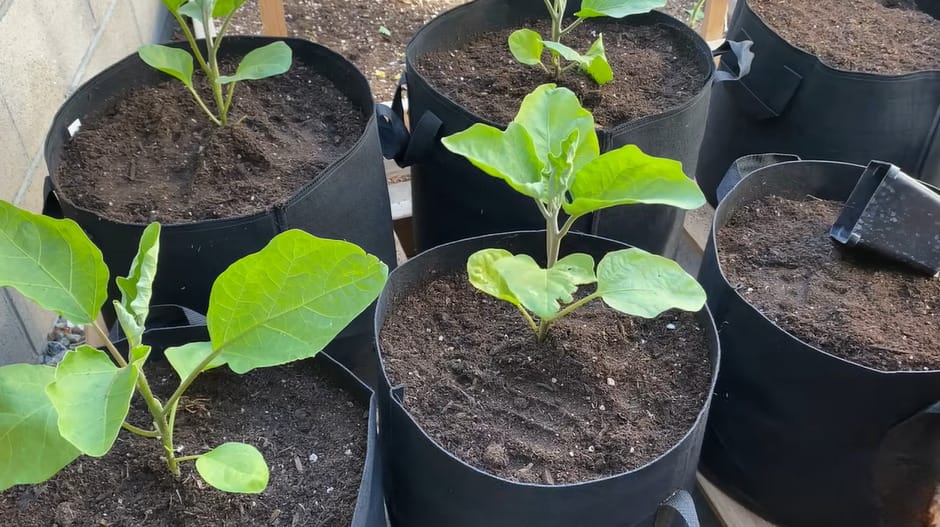
Knowing the signs of peak ripeness helps you select the best eggplants. Ripe eggplants taste better and have a superior texture. Let's explore the key indicators of ripeness.
The color of the eggplant is a crucial sign of ripeness. A ripe eggplant has a deep, rich color. For purple varieties, look for a glossy dark purple hue. Green eggplants should have a vibrant, consistent color.
Check the stem of the eggplant as well. A green and fresh-looking stem indicates ripeness. Avoid eggplants with brown or dried-out stems.
Touch the eggplant to gauge its firmness. A ripe eggplant feels firm but not too hard. Gently press your thumb against the skin. If it leaves a slight imprint, the eggplant is ripe. If the imprint remains, the eggplant is overripe.
Avoid eggplants that feel too soft or mushy. These are signs of overripe or spoiled fruit. The skin should be smooth and free from blemishes. Wrinkles or scars indicate an overripe eggplant.
Seasonal eggplant offers many benefits. It is fresher and tastes better. Eating seasonal produce supports local farmers. It is also more environmentally friendly. Let's explore the benefits of seasonal eggplant.
Eggplants are packed with nutrients. They are low in calories but high in fiber. They contain vitamins and minerals that are good for health. Seasonal eggplants have the highest nutritional value.
| Vitamin | Amount per 100g |
|---|---|
| Vitamin C | 2.2 mg |
| Vitamin K | 3.5 µg |
| Folate | 22 µg |
Seasonal eggplant is a good source of antioxidants. These help fight free radicals in the body. Eating them can boost your immune system. It can also improve heart health.
Eggplants are very versatile in the kitchen. You can grill, roast, or fry them. They are perfect for many dishes.
Fresh, seasonal eggplants have a rich flavor. They can be the star of any meal. They add a unique taste and texture to dishes.
Seasonal eggplants are also easy to prepare. You can simply slice and roast them. Add some olive oil and herbs for a quick side dish.
Enjoying eggplant in season makes meals tastier. It also ensures you get the best quality produce. Seasonal eating is great for your health and the planet.
Selecting a fresh eggplant is crucial for the best flavor and texture. This guide will help you pick the best eggplant at the market. Follow these tips and ensure your eggplant is fresh and delicious.
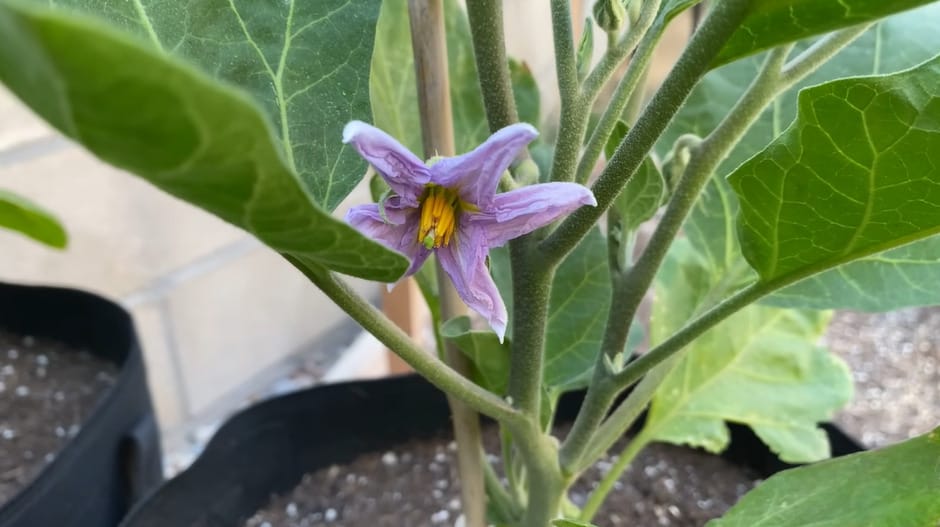
Growing eggplants at home can be a rewarding experience. They are nutritious and delicious. With the right care, you can enjoy fresh eggplants from your garden. Below are some tips to help you grow healthy eggplants.
Start by selecting a sunny spot in your garden. Eggplants need at least six hours of sunlight each day. Ensure the soil is well-draining and rich in organic matter. You can add compost to improve soil quality.
Plant eggplant seeds indoors about 8-10 weeks before the last frost. Use seed trays and fill them with seed-starting mix. Plant seeds 1/4 inch deep and keep the soil moist. Once seedlings are 3-4 inches tall, transplant them to the garden.
Space the plants about 18-24 inches apart. This gives them enough room to grow. Water the plants thoroughly after transplanting. Mulch around the plants to retain moisture and suppress weeds.
Eggplants need regular watering. Keep the soil consistently moist but not waterlogged. Water at the base of the plant to avoid wetting the leaves.
Fertilize the plants once a month with a balanced fertilizer. This helps them grow strong and produce more fruits. You can also use organic fertilizers like compost tea or fish emulsion.
Watch out for pests like aphids and flea beetles. Use insecticidal soap or neem oil to control these pests. Check the plants regularly for signs of disease. Remove any infected leaves to prevent the spread of disease.
Support the plants with stakes or cages. This prevents the heavy fruits from bending the stems. Harvest the eggplants when they are glossy and firm. Use a sharp knife or scissors to cut the fruits from the plant.
| Task | Frequency |
|---|---|
| Watering | Daily |
| Fertilizing | Monthly |
| Checking for Pests | Weekly |
| Harvesting | As needed |
Eggplant is at its best during the summer and early fall. This is the perfect time to try out some delicious recipes for seasonal eggplant. From appetizers to main courses, eggplant can shine in many dishes. Let's explore some tasty recipes to make the most of this seasonal vegetable.
Start your meal with some delightful eggplant appetizers. These dishes are easy to prepare and full of flavor.
For main courses, eggplant can be the star of the show. These recipes are hearty and satisfying.
| Dish | Description |
|---|---|
| Eggplant Parmesan | Breaded and fried eggplant slices, layered with marinara sauce and cheese. Baked until bubbly and golden. |
| Stuffed Eggplant | Halve the eggplants and scoop out the flesh. Fill with a mixture of ground meat, tomatoes, and herbs. Bake until tender. |
| Eggplant Curry | Cook eggplant pieces in a rich curry sauce with spices, tomatoes, and coconut milk. Serve over rice. |
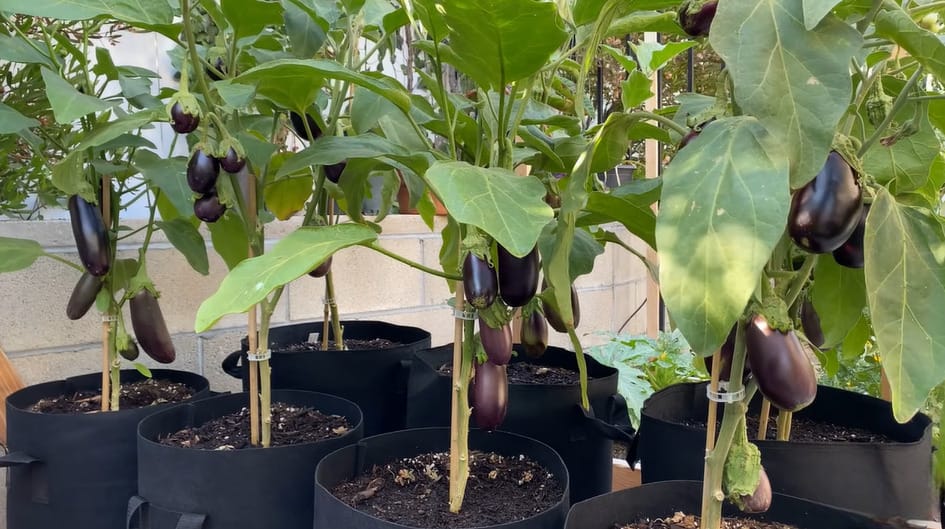
Eggplant is typically in season from late summer to early fall.
The best months for eggplant are August through October.
Yes, but peak quality is during its seasonal months.
Eggplant is seasonally grown in warm climates, especially in the Mediterranean and Asia.
Choose firm, glossy, and heavy eggplants with smooth skin for freshness.
Eggplant season varies depending on your location. Typically, it's in season from late summer to early fall. Knowing when eggplant is freshest ensures the best taste and nutrition. Plan your meals around peak times for the best culinary experience. Enjoy the rich flavors of seasonal eggplants!