Gardening Made Simple.
Are you staring at an eggplant in the store, wondering if it’s ready to cook or still needs time to ripen? Picking the perfect eggplant can be tricky, especially if you want the best flavor and texture for your meal. Knowing How to Tell If Eggplant is Ripe helps you choose eggplants that are tender, flavorful, and perfect for your favorite dishes.
But don’t worry—knowing how to tell if an eggplant is ripe is easier than you think. You’ll discover simple, clear signs to look for that will help you choose the freshest, most delicious eggplants every time. Keep reading, and you’ll never have to guess again!
Choosing the best eggplant is important for cooking delicious meals. Fresh eggplants have a rich flavor and soft texture. Picking the right one can make your dish taste better. Pay close attention to the color, feel, and size of the eggplant. These signs show if the eggplant is ripe and ready to use.
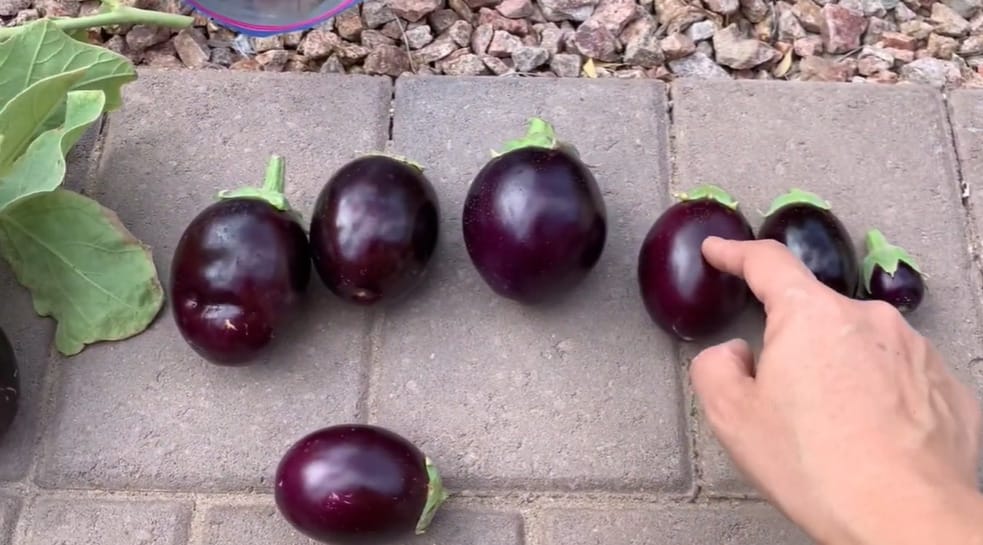
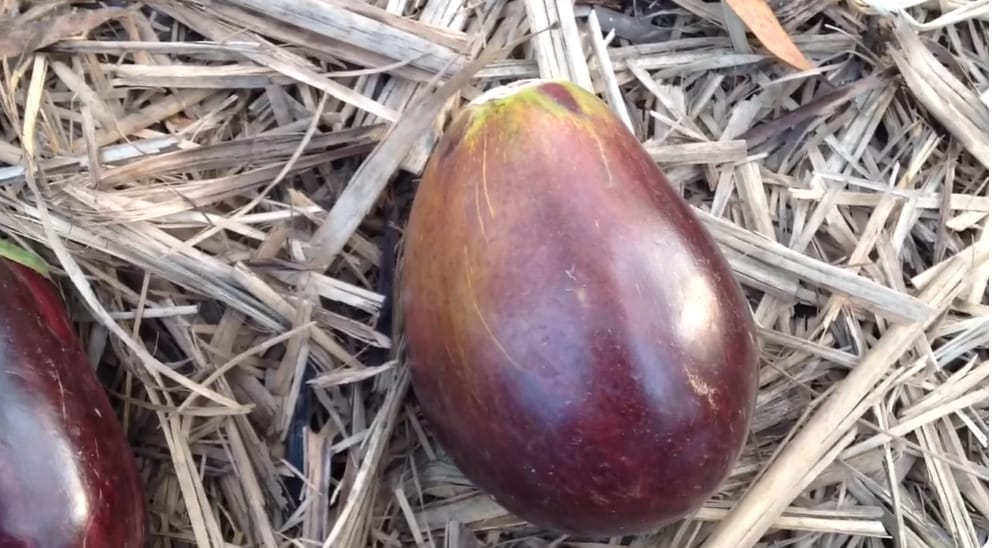
Pick eggplants with shiny, smooth skin. Glossy skin means the eggplant is fresh. Avoid dull or matte skin. This shows the eggplant may be old or overripe. Bright purple color is a good sign too.
Press the eggplant gently with your fingers. It should feel firm but slightly soft. If it feels too hard, it is not ripe yet. If it feels very soft or mushy, it is overripe. The right firmness means the eggplant is fresh and tasty.
Pick eggplants that feel heavy for their size. A heavier eggplant has more moisture inside. Avoid very light eggplants because they might be dry. Medium to large sizes are usually the best choice.
Check the skin carefully for wrinkles or soft spots. Wrinkles mean the eggplant is old. Soft spots show it is bruised or damaged. Fresh eggplants have smooth, even skin without any marks.
Color is a key sign of eggplant ripeness. It helps you know when the fruit is ready to eat. Different eggplants show ripeness through their unique colors. This guide explains how to read these color clues easily.
Most common eggplants turn deep purple when ripe. The skin should look shiny and bright. A dull or pale purple means the eggplant is not ready. The deeper the purple, the better the flavor.
Eggplants come in many colors, not just purple. Some are white, green, or striped. Each type has its own ripe color. Know the variety before judging the color. This helps you pick the perfect eggplant every time.
Fading color shows the eggplant is overripe. The skin may look dull or brownish. Wrinkles or soft spots are common too. Avoid eggplants with fading colors for the best taste and texture.
Touch and texture reveal much about an eggplant's ripeness. Feeling the eggplant helps choose the best one for cooking. Use your hands to check its firmness and surface.
Touching the eggplant gives clues about its freshness and quality. Softness or hardness tells if it is ready to eat or not.
Press the eggplant gently with your finger. A ripe eggplant feels firm but slightly bounces back. If your finger leaves a dent, it might be overripe. No bounce means the eggplant is not fresh. This bounce shows the eggplant is full of moisture and ready to cook.
The skin of a ripe eggplant feels smooth and shiny. Rough or dull skin means the eggplant is old or not ripe. Smooth skin also means the eggplant has fewer seeds, making it taste better. Run your hand over the surface to check for this texture.
Check the eggplant for soft spots that feel mushy or spongy. These areas show the eggplant is damaged or starting to spoil. A good eggplant feels even and firm all over. Skip any eggplant with soft patches to avoid bad taste and texture.
Checking the stem and cap of an eggplant helps find out if it is ripe. These parts tell a lot about the eggplant’s freshness and readiness to eat. A fresh stem and cap mean the fruit is healthy and tasty. Damaged or dry parts show the eggplant may be old or overripe.
The cap is the green part on top of the eggplant. It should be bright green and look fresh. A fresh green cap means the eggplant is ripe and ready. Avoid eggplants with yellow or faded caps because they may be old. The cap should also feel firm and not soft or slimy.
The stem connects the eggplant to the plant. A good stem looks green and moist. Dry or brown stems show the eggplant is past its best. Avoid eggplants with shriveled or dark stems. These signs mean the fruit may be bitter or tough inside.
Picking eggplants at the right time is key to enjoy their best flavor and texture. Knowing when to harvest helps avoid bitter or tough fruit. Pay close attention to size, color, and feel. These clues tell you if your eggplant is ready.
Eggplants usually ripen 16 to 24 weeks after planting. The fruit should be shiny and smooth. Skin color changes depending on the variety. Most common types turn deep purple when ripe. The fruit feels firm but not hard. A light press with your finger leaves a small dent. If the dent stays, the eggplant is too soft. Pick fruit before it grows too large. Overgrown eggplants become bitter and spongy.
Dull skin is a sign of overripeness. Wrinkles or soft spots appear on the surface. Seeds inside turn dark and hard. The flesh feels dry and less tender. The fruit may leak a sticky liquid. Overripe eggplants lose their fresh taste. Pick fruit before these signs show. Regularly check your plants to catch perfect ripeness.
Storing eggplants properly keeps them fresh and tasty longer. Proper storage stops them from spoiling quickly. It also helps keep their texture and flavor intact. Follow these simple tips to store eggplants the right way.
Eggplants do best in cool, dry spots. Avoid warm areas that make them soft fast. A pantry or countertop away from sunlight works well. Make sure air can move around the eggplants. This prevents moisture build-up and mold growth.
Refrigerators are often too cold for eggplants. Cold temperatures can cause their skin to wrinkle. The inside may turn brown and bitter. Store eggplants outside the fridge unless very ripe. If you must refrigerate, keep them in a warm part of the fridge. Use them soon after taking out.
Eggplants taste best when fresh. Use them within a few days after buying. Longer storage reduces flavor and texture quality. Plan meals to enjoy eggplants early. Fresh eggplants make every dish better and more enjoyable.
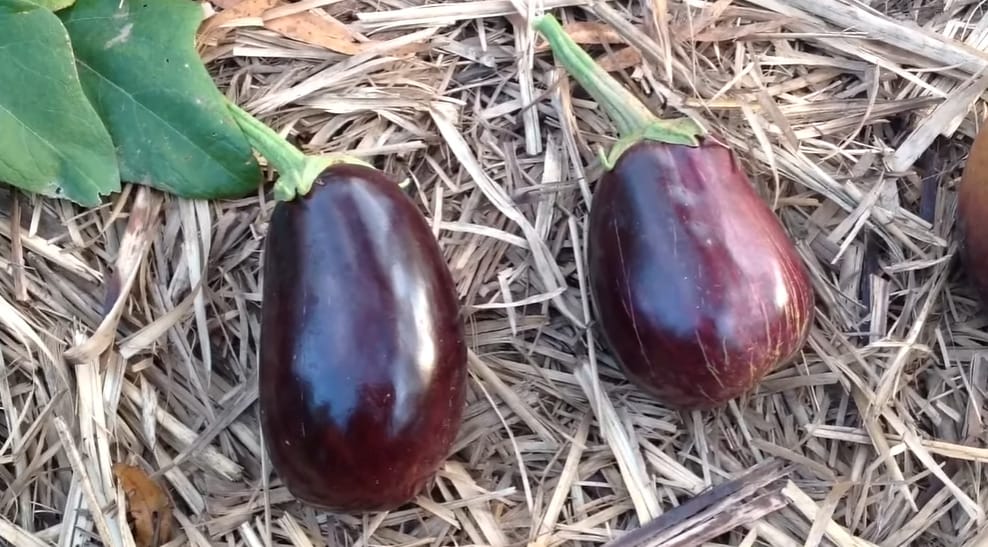
A ripe eggplant has shiny, smooth skin with a deep purple color. Dullness means it's overripe.
The skin should feel firm but slightly soft when pressed gently. Too hard means unripe.
Size varies by type, so look for color and firmness instead of size alone.
Yes, a fresh green stem shows ripeness. Brown or dry stems mean old eggplant.
Unripe eggplants taste bitter and have tough seeds. Wait for full color and firmness.
Choosing ripe eggplants helps your dishes taste fresh and delicious. Check for firm skin and a slight shine. Press gently; a ripe eggplant feels soft but not mushy. Avoid those with brown spots or wrinkles. Practice these simple tips next time you shop.
Enjoy cooking with perfect eggplants every time. Simple steps make a big difference in your meals. Now, you can pick the best eggplants with confidence. Happy cooking!