Gardening Made Simple.
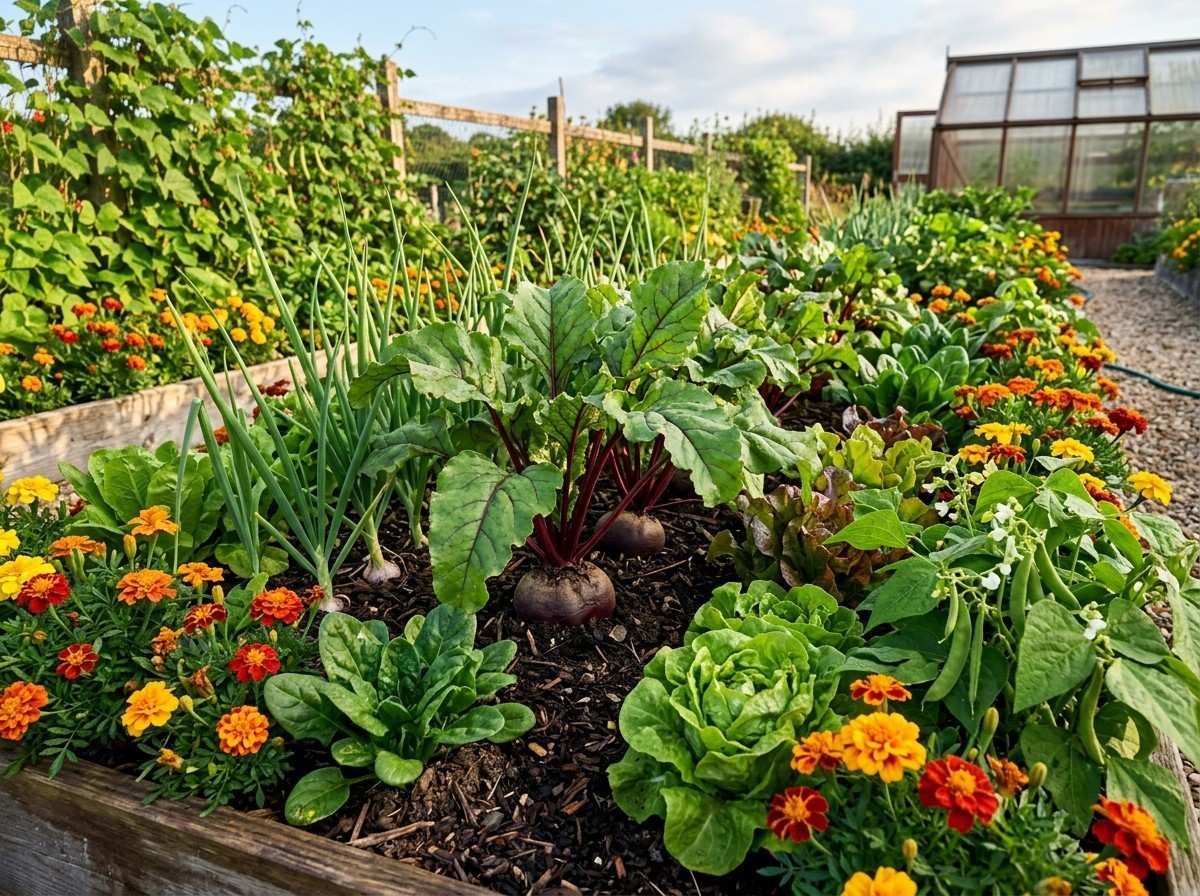
Gardening is more than just planting seeds and watering them. It’s about creating a healthy ecosystem where plants help each other grow. If you want to grow beets successfully, you should know about companion planting—the practice of placing certain plants together to get better growth, protection from pests, and stronger harvests. This article will guide you through the best companion plants for beets, how they help, and practical ways to use these combinations in your garden.
Beets are easy to grow and offer delicious roots and edible leaves. But they can face problems—like pests, poor soil, or competition from weeds. Using the right companion plants can solve many of these issues naturally. You’ll learn not only which plants work well with beets but also why, and how to avoid common mistakes.
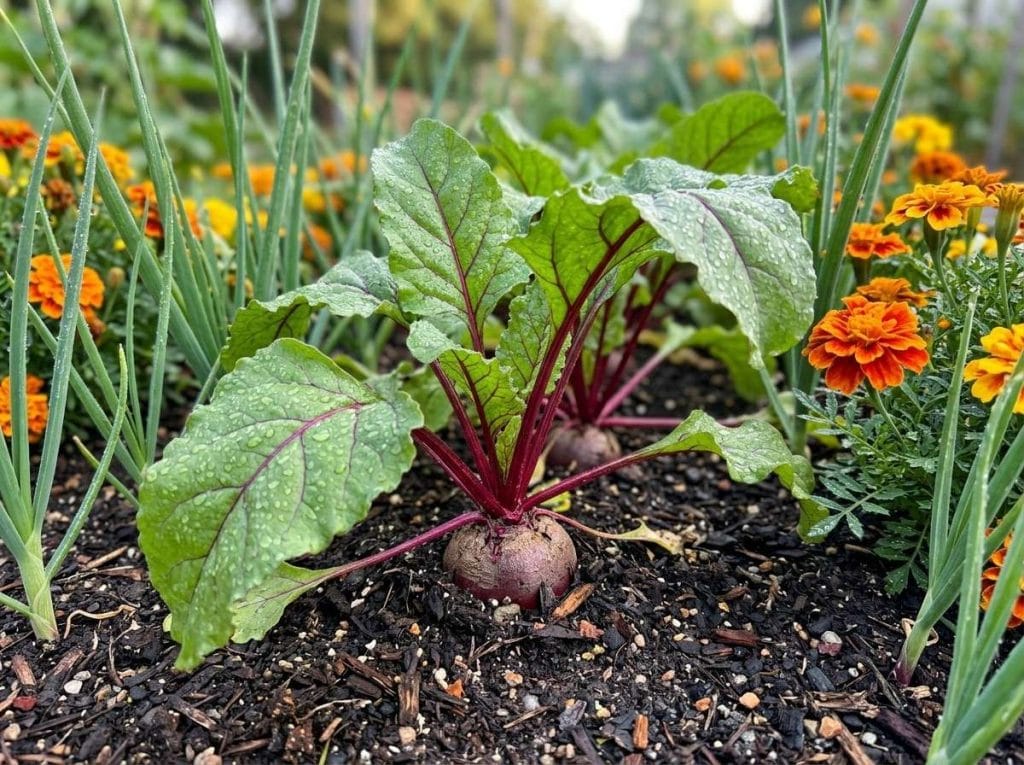
Plus, you’ll find some non-obvious tips that most beginners miss. Whether you have a small backyard garden or a bigger space, these ideas will help your beets thrive.
Beets are a cool-season crop, often planted in early spring or fall. They need loose, fertile soil and consistent moisture to grow well. However, like many vegetables, beets are vulnerable to certain insects (such as aphids, leaf miners, and flea beetles), and can suffer from nutrient deficiencies or poor growth if the conditions aren’t right.
Companion planting helps with:
The idea is to create a mini-ecosystem, where plants support each other. Not every plant is a good match for beets. Some compete for nutrients or attract harmful pests. So, choosing the right companions is key.
You’ll find many suggestions for beet companions, but not all are equally effective. Let’s look at the top choices, backed by experience and research.
Cabbage, broccoli, kale, and other brassicas are great companions for beets. These plants don’t compete for the same nutrients, and their tall leaves can give shade to beet seedlings in hot weather. Brassicas also attract pests that usually ignore beets, so you can monitor and control insects more easily.
Non-obvious tip: Brassicas do well with beets because beets help suppress weeds, giving brassicas more room to grow.
Lettuce grows quickly and doesn’t have deep roots, so it won’t compete with beets for resources. It also acts as a living mulch, keeping soil cool and moist. Lettuce can be planted between beet rows or as a border.
Members of the allium family—like onions, garlic, chives, and shallots—are famous for repelling pests. They protect beets from aphids, beetles, and even some fungi. Plus, their growth cycle matches well with beets.
Non-obvious insight: Onions and garlic release chemicals into the soil that discourage harmful nematodes, which can damage beet roots.
Bush beans and sometimes pole beans fix nitrogen in the soil. Beets need nitrogen for leaf growth, so beans can boost their health. Beans also don’t shade out beets, and they grow well together.
Practical tip: Avoid planting beets with peas—peas can stunt beet growth.
Radishes and beets can be planted at the same time. Radishes mature faster, so you can harvest them before beets get big, freeing up space. Radishes are also good at breaking up compacted soil, making it easier for beet roots to develop.
Spinach grows quickly and provides ground cover. It helps control weeds and keeps soil moist. Spinach also attracts beneficial insects, which can help protect beets from pests.
Marigolds are famous for their pest-repelling abilities. They keep away nematodes and beetles. Planting marigolds near beets creates a protective barrier and adds color to your garden.
Some herbs are excellent beet companions:
Carrots and beets grow well together, as their root systems reach different soil depths. This means they don’t compete for nutrients. Carrots also loosen the soil, which helps beet roots expand.
Swiss chard is closely related to beets and grows well beside them. They have similar needs and won’t compete. Chard can shade young beets and help retain moisture.
Nasturtiums are edible flowers that attract aphids away from beets. They also repel whiteflies and squash bugs. Plant them at the edge of beet beds for extra protection.
Catnip can repel flea beetles, which are a common problem for beets. It also attracts pollinators. Be careful—catnip may attract neighborhood cats.
Corn isn’t a common companion for beets, but it can provide shade for beet crops in hot climates. Plant corn on the southern side to avoid blocking sunlight.
Kohlrabi grows quickly and doesn’t compete much with beets. It helps suppress weeds and attracts beneficial insects.
Celery can help keep soil moist and deter some beet pests. Plant celery near beets for better moisture retention.
Not every plant is a good neighbor. Some can slow beet growth or attract pests.
These plants don’t work well with beets and should be placed elsewhere in your garden.
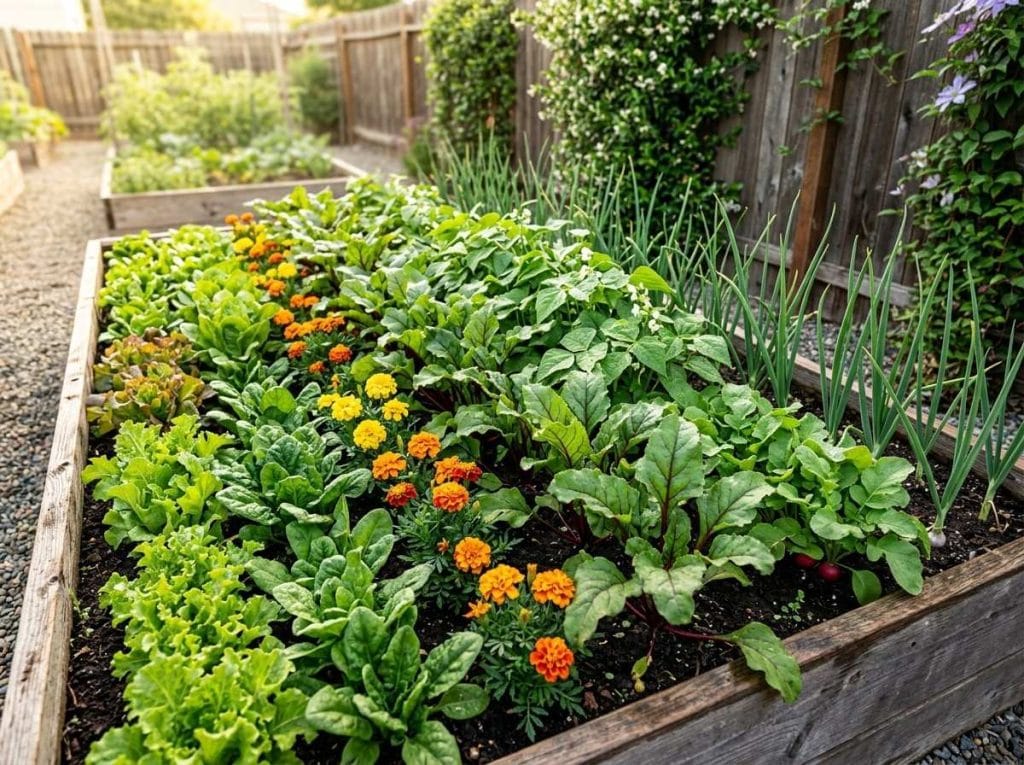
Companion planting is not just about mixing crops. It’s about understanding how plants interact.
Many beet companions either repel pests or attract insects that eat pests. For example:
Some plants help beets get more nutrients:
Plants like radishes and carrots break up compacted soil. This helps beets expand their roots and improves water flow.
Low-growing plants like lettuce, spinach, and celery form a living mulch. They block sunlight from weeds, keeping soil clear for beets.
Dense companions keep soil moist. Swiss chard and celery are especially good for this.
Here’s a quick comparison to help you plan your garden:
| Plant | Effect on Beets | Notes |
|---|---|---|
| Onions | Positive | Repels pests, improves soil |
| Peas | Negative | Stunts beet growth |
| Marigolds | Positive | Repels nematodes |
| Tomatoes | Negative | Competes for nutrients |
| Beans | Positive | Fixes nitrogen |
| Nightshades | Negative | Can transmit disease |
If you’re new to companion planting, start simple. Here’s how to plan and plant your beet companions:
Pick 2–3 plants that match your garden space and climate. For example, if you have pest problems, try onions and marigolds. If you want more yield, mix beans and lettuce.
Think about sun, water, and space. Beets need full sun but can tolerate partial shade. Plant taller companions (like brassicas) on the north side so they don’t block sunlight.
Example layout:
Beets prefer loose, well-drained soil. Add compost before planting. Check soil pH—beets like 6. 0 to 7. 0.
Plant beet seeds about 1 inch deep and 2–3 inches apart. Companions like lettuce can be closer (about 8 inches apart). Beans need about 6–8 inches.
Practical tip: Don’t overcrowd. Each plant needs space to grow roots.
Water deeply, but don’t let soil stay soggy. Use mulch to retain moisture and suppress weeds.
Watch for signs of stress—yellow leaves, slow growth, or insect damage. Adjust companion plants if needed.
Companion planting isn’t just about what helps beets. Beets also support other plants:
Knowing when to plant each companion is important. Here’s a quick guide:
| Plant | Planting Time | Harvest Time | Companion Benefit |
|---|---|---|---|
| Beets | Early spring/fall | 50–60 days | Improves soil |
| Lettuce | Early spring | 30–40 days | Living mulch |
| Radishes | Early spring | 20–30 days | Soil loosening |
| Beans | After frost | 50–60 days | Nitrogen fixing |
| Onions | Early spring | 60–80 days | Pest control |
Even experienced gardeners can make errors. Here are mistakes to avoid:
Non-obvious insight: Many beginners forget crop rotation. Don’t plant beets in the same spot each year—rotate to prevent disease buildup.
If you want to push your garden to the next level, try these advanced strategies:
How much can companion planting improve beet harvests? Here’s what research and experienced gardeners report:
| Companion Mix | Yield Increase (%) | Notes |
|---|---|---|
| Beets + Beans | 15–20% | Nitrogen boosts leaf growth |
| Beets + Onions | 10–15% | Pest reduction |
| Beets + Lettuce | 5–10% | Improved moisture retention |
| Beets + Marigolds | Up to 10% | Fewer nematodes |
These numbers are averages—actual results depend on your climate, soil, and care.
In a community garden in Oregon, gardeners combined beets with lettuce, onions, and marigolds. They planted beets in rows, with lettuce in between and onions at the row ends. Marigolds were placed around the bed’s edges.
Results:
This example shows that companion planting works in real gardens—not just in theory.
If you want to dive deeper into companion planting science, visit Wikipedia’s Companion Planting page. You’ll find research, traditional methods, and detailed plant lists.
The top companions are onions, lettuce, beans, marigolds, and radishes. They help with pest control, soil improvement, and moisture retention. Herbs like thyme and flowers like nasturtiums are also great options.
Yes. Carrots and beets grow well together because their roots reach different depths. This means they don’t compete for space or nutrients. Both also help loosen soil for each other.
Peas can stunt the growth of beets. They compete for the same nutrients and water, and may attract pests that harm beets. It’s best to keep peas in a separate garden area.
Companion plants improve soil, repel pests, and keep weeds down. For example, beans add nitrogen, lettuce keeps soil moist, and onions drive away aphids. These effects together can boost beet yields by 10–20%.
Yes, but with caution. Mint repels flea beetles and ants, but spreads aggressively. To avoid mint taking over your garden, plant it in pots or containers near beets.
Companion planting is both science and art. By mixing beets with the right neighbors, you create a healthier, more productive garden. Start small, experiment, and observe what works best in your space. With these tips, your beets will have everything they need to grow strong and delicious.