Gardening Made Simple.
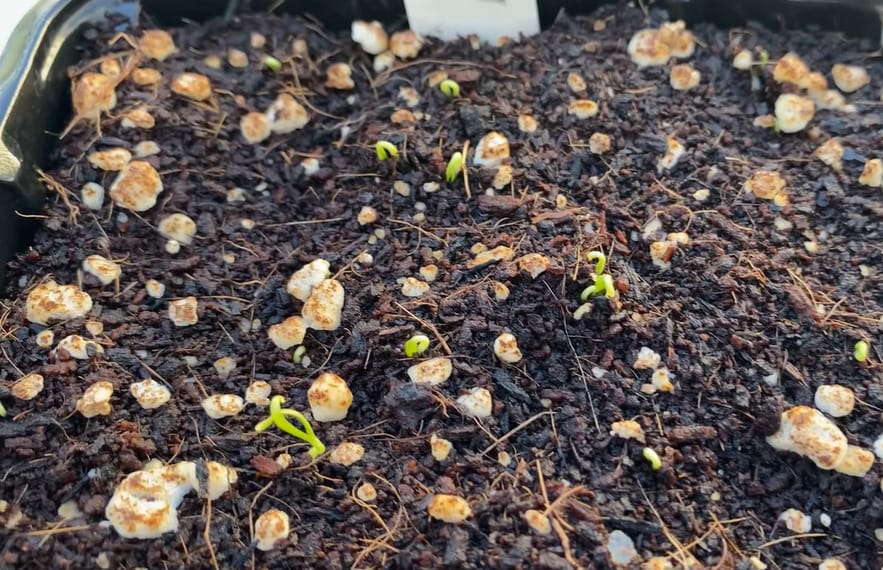
Are you ready to grow your own delicious eggplants but don’t know where to start? How to Germinate Eggplant Seeds is the crucial first step that sets the foundation for healthy, fruitful plants. By learning how to germinate eggplant seeds properly, you’ll give your seedlings the best start for strong growth and a bountiful harvest.
If you’ve ever struggled with slow or failed seed sprouting, this guide will show you simple, proven techniques to boost your success. By following easy steps tailored just for you, you’ll watch your seeds come to life faster and stronger.
Keep reading, and you’ll gain the confidence and know-how to turn tiny seeds into thriving eggplants in your garden or home.
Choosing the right seeds is the first step to grow healthy eggplants. The seed type and quality affect how well the plants grow. Picking the best seeds helps you get strong seedlings and a better harvest. This section explains key points about selecting seeds for germination.
Heirloom seeds come from plants passed down for many years. They keep the same traits and flavor. Heirlooms often have unique shapes and colors. Hybrid seeds result from crossing two different plants. They usually grow faster and resist pests better. Hybrids may produce bigger fruits. Choose heirlooms for taste and tradition. Pick hybrids for strong plants and high yield.
Good seed quality is vital for germination. Check the packet for a recent harvest date. Fresh seeds have a higher chance of sprouting. Old seeds may grow weak or not at all. Store seeds in a cool, dry place until planting. Avoid seeds with cracks or damage. Healthy seeds lead to healthy seedlings and plants.
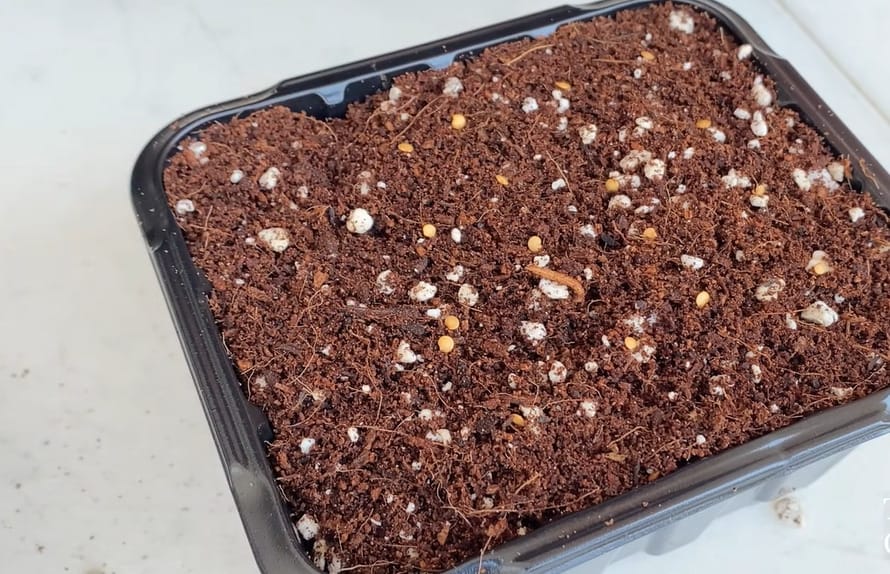
Preparing eggplant seeds for germination is an important step for a strong start. Healthy seeds grow into healthy plants. Proper preparation helps seeds sprout faster and better. This section covers simple ways to prepare your seeds. Two key methods improve germination: soaking and scarification. Both help seeds absorb water and break dormancy.
Soaking eggplant seeds softens their outer shell. Use warm water, about 70-80°F (21-27°C). Place seeds in a bowl and cover with water. Let them soak for 12 to 24 hours. Do not soak longer to avoid seed damage. Soaking speeds up water absorption. This encourages faster sprouting. After soaking, plant seeds immediately in moist soil.
Scarification means gently scratching the seed coat. This helps water enter the seed more easily. Use fine sandpaper or a nail file. Rub the seed surface lightly until it feels thinner. Avoid damaging the seed inside. Scarification works well for older seeds with hard shells. After scarification, soak seeds in warm water for a few hours. Then plant them in soil to begin germination.
Choosing the right growing medium is important for eggplant seed germination. The medium holds moisture and air, helping seeds sprout well. It also supports young roots as they grow strong. Picking the best mix ensures good drainage and keeps seeds healthy. Let’s explore soil mix options and using seed starting trays for better results.
Use a light, well-draining soil mix for eggplant seeds. A mix with peat moss, vermiculite, and perlite works well. Peat moss keeps moisture while perlite and vermiculite provide air space. Avoid heavy garden soil that can hold too much water and cause rot. You can buy seed starting mix or make your own blend. The goal is a soft, loose soil that lets roots grow easily.
Seed starting trays help organize and protect seeds during germination. They keep the soil moist and warm, which seeds need to sprout. Use trays with drainage holes to stop water from pooling. Fill trays with your soil mix and gently press seeds into the soil. Cover lightly with more mix or vermiculite. Keep trays in a warm place until seedlings appear. Trays make it easier to manage many seeds at once.
Eggplant seeds need the right temperature and light to grow well. These conditions help the seeds sprout faster and stronger. Keeping the environment steady supports healthy growth. Understanding these factors is key to successful germination.
Eggplant seeds grow best in warm soil. The ideal temperature is between 75°F and 85°F (24°C to 29°C). Too cold, and seeds may not sprout. Too hot can also harm the seeds. Using a heat mat can keep soil warm. Check soil temperature regularly for best results.
Eggplant seeds need light to grow well after sprouting. Place seedlings in a bright spot with indirect sunlight. About 12 to 14 hours of light daily helps strong growth. Using a grow light can provide steady light indoors. Avoid direct harsh sunlight that can dry out seedlings.
Planting eggplant seeds correctly sets the stage for healthy plants and a good harvest. Eggplants need the right soil, depth, and water to start well. Small mistakes at this stage can slow growth or reduce yield. Follow these simple tips to give your eggplants the best start.
Plant eggplant seeds about ¼ inch deep. Too deep, and they may not sprout. Too shallow, and seeds can dry out quickly. Use loose, well-draining soil for best results.
Space seeds at least 18 inches apart. This gives each plant room to grow. Crowded plants struggle for light and nutrients. Proper spacing helps prevent diseases.
Keep the soil moist but not soggy. Water gently to avoid washing away seeds. Use a spray bottle or fine mist for best control.
Check soil daily. If the top feels dry, water lightly. Consistent moisture helps seeds germinate evenly. Avoid overwatering to prevent root rot.
Keeping the right moisture and humidity levels is key for eggplant seed germination. Seeds need a warm and damp environment to sprout well. Too much water can cause rot, and too little stops growth. Maintaining balance helps seedlings grow strong and healthy.
Covering seedlings traps moisture and heat around the seeds. Use a clear plastic lid or plastic wrap over seed trays. This creates a mini greenhouse effect. Remove the cover once seedlings break through the soil. This prevents mold and lets air reach the plants.
Mist seedlings gently to keep soil moist but not soaked. Use a spray bottle for light watering. Water once or twice daily, depending on room temperature. Avoid heavy watering that pools water. Check soil surface often to adjust watering times.
Monitoring germination progress is a key step when growing eggplants from seeds. It helps you understand how well your seeds sprout. Watching closely allows you to react quickly if something goes wrong. This keeps your seedlings healthy and ready for planting.
Eggplant seeds usually sprout in 7 to 14 days. Warmth speeds up this process. Keep the soil temperature between 75°F and 85°F for best results. Seeds may take longer if it is cooler. Patience is important during this stage.
Slow germination often means the soil is too cold or dry. Make sure the soil stays moist but not soaked. Avoid direct sunlight on the seeds before sprouting. Mold growth can happen if the soil is too wet. Remove mold gently and improve air circulation around the seeds.
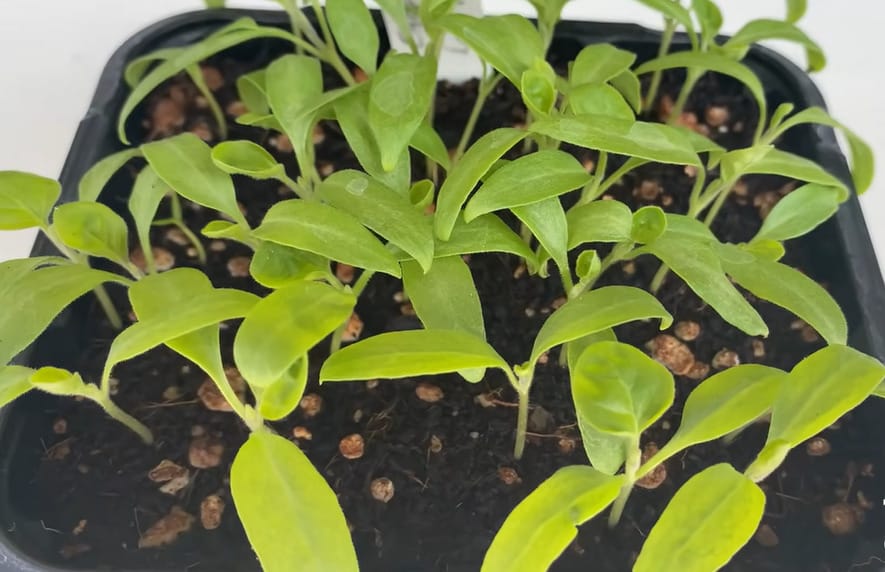
Transplanting eggplant seedlings is a key step for healthy growth. It moves young plants from small containers to bigger pots or garden beds. This gives roots more space to grow strong. Careful handling helps seedlings adapt well to their new home. Proper timing and preparation reduce transplant shock and boost survival.
Transplant seedlings after they grow two to three true leaves. This means the leaves that come after the first small seed leaves. Seedlings should be about 3 to 4 inches tall. The soil should be warm, ideally above 60°F (16°C). Avoid transplanting during cold or rainy days. Early morning or late afternoon is best for moving seedlings.
Hardening off helps seedlings adjust from indoors to outdoors. Start by placing them outside for a few hours daily. Increase the time outside by one hour each day. Keep seedlings in a shaded, protected spot at first. Avoid direct sunlight and strong wind. After a week, seedlings will be ready for full sun and permanent planting.
Eggplant seeds usually sprout in 7 to 14 days under warm conditions.
Keep soil temperature between 75°F and 85°F for best germination results.
Soaking seeds for 12 hours can help speed up germination.
Plant seeds about ¼ inch deep in moist soil or seed-starting mix.
Keep soil consistently moist but not soggy for healthy seed sprouting.
Growing eggplant starts with healthy seeds. Keep soil warm and moist for best results. Watch daily for tiny sprouts to appear. Give seedlings plenty of light and air. Transplant carefully once plants grow strong. Patience and care bring tasty eggplants later.
Enjoy the process and happy gardening!