Gardening Made Simple.
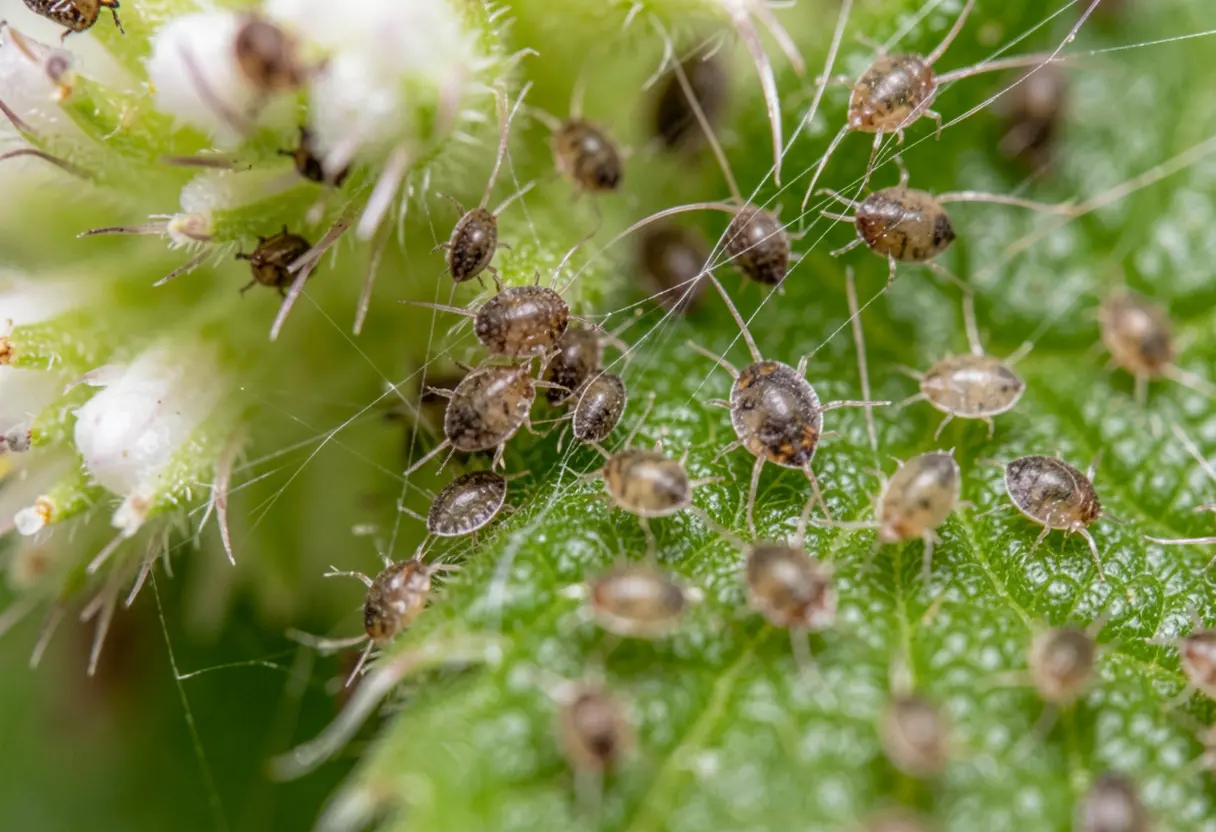
Are you struggling with tiny spider mites attacking your flowering plants? These pests can quickly ruin your hard work and beautiful blooms if you don’t act fast. Learning How to Get Rid of Spider Mites During Flowering will help you protect your plants and keep your flowers healthy and vibrant.
But don’t worry—you’re about to discover simple, effective ways to get rid of spider mites during flowering without harming your plants. By the end of this article, you’ll have clear steps to protect your flowers and enjoy a healthy, vibrant garden.
Keep reading to save your flowers before it’s too late!
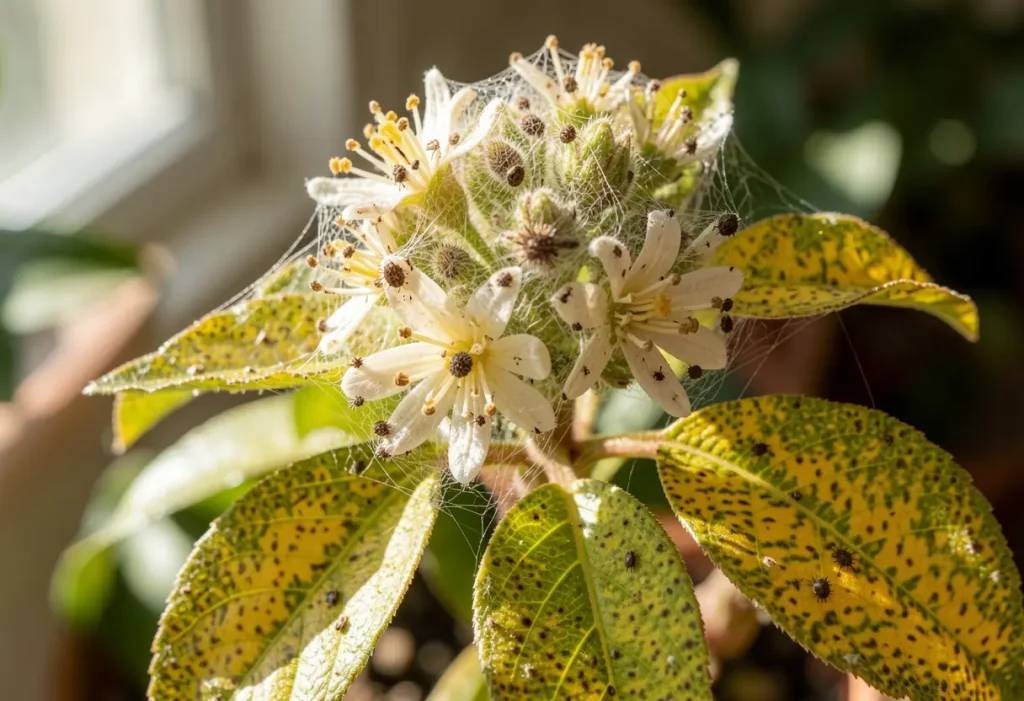
Identifying spider mites early is crucial during the flowering stage. These tiny pests can damage your plants quickly. Spotting them fast helps protect your flowers and yields. Understanding their signs and behavior guides effective control.
Look for tiny yellow or white spots on leaves. Leaves may turn bronze or have a dusty look. Fine webbing appears between leaves and stems. Leaves might curl or fall off prematurely. These signs often show before you see the mites.
Spider mites grow from eggs to adults in about one week. Females lay eggs on the undersides of leaves. The young mites hatch and start feeding quickly. They multiply fast, causing heavy infestations in days. Knowing this cycle helps time treatments well.
Spider mites are smaller than most garden pests. They move slowly and produce fine webs. Aphids and thrips do not create webbing. Leaf damage from spider mites looks like tiny speckles. Use a magnifying glass to see the mites clearly.
Preventive measures help stop spider mites before they damage flowering plants. Healthy plants resist pests better. A clean and controlled environment reduces mite risks. Regular checks catch problems early.
Strong plants fight spider mites well. Water plants properly without overwatering. Use balanced nutrients to keep leaves green and firm. Remove dead leaves to avoid pest hiding spots. Choose resistant plant varieties when possible.
Spider mites thrive in hot, dry places. Keep humidity levels moderate. Use a fan to improve air circulation. Avoid overcrowding plants to reduce stress. Clean tools and pots to stop pest spread.
Check plants often for tiny webs or spots. Use a magnifying glass for close inspection. Look under leaves where mites hide. Record any pest activity to act quickly. Early detection saves flowers from damage.
Natural remedies offer safe and effective ways to control spider mites during flowering. They protect your plants without harmful chemicals. These methods support plant health and keep your garden eco-friendly.
Neem oil is a natural pesticide extracted from the neem tree. It disrupts spider mites’ life cycle and stops their growth. Spray neem oil on affected leaves early in the morning or late in the evening. Repeat treatment every few days for best results. Neem oil also helps prevent other pests and fungal infections.
Insecticidal soaps kill spider mites by breaking down their outer shell. They are gentle on plants and safe for beneficial insects. Spray the soap solution directly on infested areas. Avoid spraying during the hottest part of the day to protect your flowers. Regular use reduces mite populations quickly and safely.
Beneficial predators eat spider mites and keep their numbers low. Ladybugs, predatory mites, and lacewings are common natural enemies. Release these predators in your garden to maintain balance. They work quietly and reduce the need for sprays. Beneficial predators create a healthy environment for your flowering plants.
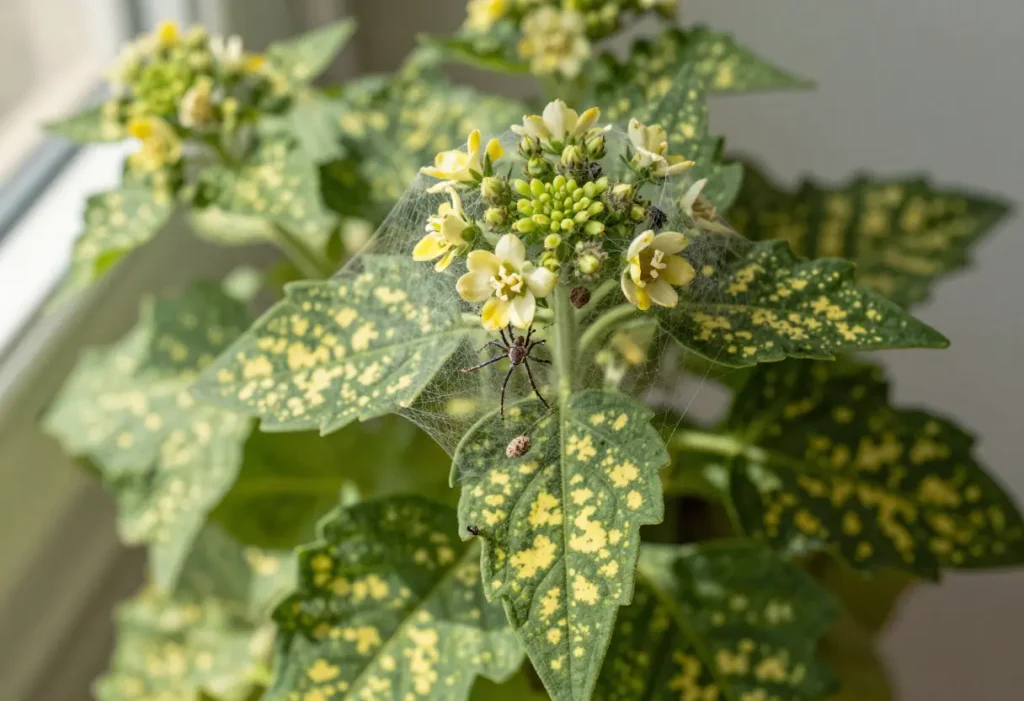
Chemical treatments can help control spider mites during flowering. These treatments kill mites quickly and stop damage. Use them carefully to protect your plants and flowers. Choose the right product and apply it the right way. Safety is key for good results and healthy plants.
Pick miticides labeled safe for flowering plants. Avoid harsh chemicals that harm flowers or buds. Look for products with low toxicity. Check if the miticide targets spider mites specifically. Organic or natural options reduce risk to plants and people.
Spray miticides evenly on all plant parts. Focus on the underside of leaves where mites hide. Apply in the early morning or late evening. Avoid spraying under hot sun to prevent leaf burn. Repeat treatments as directed on the label for best effect.
Test miticide on a small leaf before full use. Watch for signs of plant stress like wilting or discoloration. Do not overapply or mix with other chemicals without guidance. Use protective gear during application to avoid contamination. Follow all safety instructions strictly.
After treating spider mites during flowering, post-treatment care is vital. It helps protect plants and stops mites from coming back. Careful steps keep flowers healthy and strong.
Remove all dead leaves and debris around plants. Dispose of them in sealed bags outside the growing area. Clean tools and pots with soap and water. This prevents mites from spreading again. Keep the growing space tidy and free from old plant material.
Check plants daily for any signs of mites. Look under leaves and near stems. Early detection stops new infestations quickly. Use a magnifying glass to see tiny mites. Catch problems before they damage flowers or leaves.
Spider mites thrive in hot, dry places. Increase humidity around plants by misting or using a humidifier. Keep temperatures stable and avoid extreme heat. Good airflow helps, but avoid strong winds. Healthy plants resist pests better and grow well.
Look for tiny webs, yellow spots, and leaf damage on your flowering plants.
Use insecticidal soap or neem oil spray to gently clean the affected plants.
Yes, spider mites feed on leaves, causing slow growth and lower flower quality.
Ladybugs, predatory mites, and lacewing larvae eat spider mites naturally.
Inspect your plants at least twice a week during flowering to catch mites early.
Spider mites can harm your flowering plants if you don’t act fast. Use natural sprays or insecticidal soap to remove them safely. Check your plants regularly to catch mites early. Keep leaves clean and avoid dry air to stop mites from spreading.
Healthy plants resist pests better. Stay patient and consistent with treatment. Your flowers will stay bright and strong. Taking simple steps can protect your garden from spider mites.